







How to maintain and clean commercial bench seating effectively
- 1. How do I choose the correct bench frame and anchoring system for high-traffic lecture halls (including seismic zones) to avoid squeaks, loosening, and premature failure?
- 2. What upholstery, foam density, and fire-retardant treatments should I specify to prevent sagging, meet fire codes, and maintain hygiene on lecture hall benches?
- 3. How can I retrofit existing fixed bench seating to become ADA-compliant without a full replacement—and what are the measurable requirements?
- 4. What step-by-step cleaning and disinfecting protocol (daily/weekly/monthly) should I use for vinyl, fabric, wood, and powder-coated metal bench surfaces that will not void manufacturer warranties?
- 5. How do I remove deep stains and persistent odors (coffee, smoke, urine) from bench cushions and laminated wood without causing delamination, color loss, or voiding warranties?
- 6. What preventative maintenance schedule and hardware inspection checklist will extend the service life of lecture hall bench seating and reduce total cost of ownership?
- Concluding advantages of commercial bench seating for lecture halls
Commercial Bench Seating: Durable Lecture Hall Bench Selection & Maintenance
As institutions specify or maintain lecture hall bench seating, they need granular, actionable answers—anchoring details, upholstery specs, cleaning protocols that won't void warranties, ADA retrofit options, and effective stain and odor remediation. Below are six high-value, long-tail questions beginners (and procurement teams) frequently ask but rarely find fully answered online. Each question is answered with practical steps, code-aware considerations, and purchaser-focused advice.
1. How do I choose the correct bench frame and anchoring system for high-traffic lecture halls (including seismic zones) to avoid squeaks, loosening, and premature failure?
What to specify: For heavy daily use in lecture halls, choose a powder-coated steel or anodized aluminum bench frame with welded main rails and bolted cross-bracing. Look for frames with replaceable mounting plates where the bench meets the floor—this allows future re-anchoring without replacing the whole unit.
Anchoring guidance: Anchor type depends on subfloor. For cast-in-place concrete slabs, use stainless-steel concrete anchors (mechanical expansion anchors or adhesive epoxy anchors where indicated). For steel-concrete composite or raised floors, design a threaded anchor system fastened to the structural slab or embed plates. Avoid relying on light-duty toggle anchors or direct fastening to non-structural finishes.
Seismic and vibration: In seismic regions specify bench frames and anchors evaluated for lateral loads per local building code and structural engineer recommendations. Use vibration-damping washers or neoprene pads between frame and finish floor in auditoriums with strong footfall to reduce squeaks.
Installation best practice: Pre-drill anchor locations using the bench as a template; torque anchors to manufacturer-recommended values; record torque values for warranty. Use lock washers or thread-locking compound on fasteners in high-vibration locations. Contract a licensed installer and obtain a signed installation checklist.
Why this matters: Correct frame material and anchoring prevent loosening, reduce maintenance callbacks, and maximize service life. When requesting proposals, ask vendors for anchor type, load ratings, and on-site torque verification procedures.
2. What upholstery, foam density, and fire-retardant treatments should I specify to prevent sagging, meet fire codes, and maintain hygiene on lecture hall benches?
Upholstery and foam selection: For high-use lecture hall benches, use high-resilience (HR) foam with a moderate-to-high density (common commercial practice uses foam densities around 1.8–2.5 lb/ft³) to resist permanent deformation. Specify foam with a certified foam core or boxed cushions to preserve shape. For seat surfaces, commercial-grade vinyl or specialized performance fabric with anti-microbial finishes works well; these materials balance durability and cleanability.
Fire and safety compliance: Cushion and upholstery must meet applicable local fire and building codes. Typical references are NFPA standards and national/regional regulations (e.g., NFPA 701, BS 5852, or local code equivalents). Confirm with the manufacturer that materials meet the specific standard required by your jurisdiction and request test certificates.
Anti-microbial and stain-resistant finishes: In labs and high-density lecture halls, request fabrics with an industry-standard anti-microbial treatment and stain repellents (e.g., fluorochemical finishes applied under controlled factory conditions). Ensure treatments are factory-applied; on-site sprays often void warranties.
Procurement tips: Require sample panels and manufacturer-provided technical data sheets listing foam density, fabric abrasion ratings (e.g., double rubs), and fire-test certificates. Include acceptance criteria in purchase orders and reserve the right to reject non-compliant deliveries.
3. How can I retrofit existing fixed bench seating to become ADA-compliant without a full replacement—and what are the measurable requirements?
Start with a site survey: ADA compliance (or local accessibility standard) requires specific clearances and wheelchair spaces. Identify rows where you can remove bench segments to create wheelchair platforms (typically spaces at least 36 by 48 or per local code). Ensure adjacent companion seating is available at the same viewing height.
Retrofit options: If the bench has modular seat boards or bolted seat assemblies, you can remove seating sections and install a reinforced floor plate or platform anchor plates to create a stable wheelchair location. Alternatively, replace short bench modules with removable chair modules that meet ADA clearances.
Sightlines and egress: Maintain required aisle widths and accessible routes. When creating wheelchair spaces, verify sightline standards for lecture halls so patrons have unobstructed views (bench back heights and staggered rows may need adjustment).
Documentation and permits: Work with an accessibility consultant or architect and secure any required permits. Keep documented measurements and photos proving compliance. For federal-funded institutions, follow the precise legal standards applicable in your country.
4. What step-by-step cleaning and disinfecting protocol (daily/weekly/monthly) should I use for vinyl, fabric, wood, and powder-coated metal bench surfaces that will not void manufacturer warranties?
General rule: Always consult the manufacturer’s cleaning guide first. If unavailable, follow this conservative, warranty-safe protocol:
- Daily: Spot-clean high-touch areas (armrests, edges, tablet arms) with a soft cloth and pH-neutral cleaner designed for commercial upholstery. For vinyl, mild detergent (pH 6–8) diluted in water is safe. Avoid solvent-based cleaners and abrasive pads.
- Weekly: Conduct a fuller wipe-down of vinyl and powder-coated metal with a manufacturer-approved disinfectant. Many vendors accept diluted quaternary ammonium (quat) products; confirm concentration and dwell time. For fabric seats, use a fabric-safe disinfectant or an upholstery-approved spray; avoid overwetting.
- Monthly: Inspect seams, stitching, grommets, and fasteners. Vacuum fabric benches with a HEPA-filter vacuum and use an upholstery cleaning wand for spot extraction on removable cushions.
- Quarterly/Annually: Arrange a professional deep-clean (hot-water extraction or low-moisture cleaning) per fabric manufacturer's recommendation. For vinyl or coated surfaces, schedule a mild restorative treatment recommended by the manufacturer to maintain surface finish.
Disinfectant selection and warranty: Some disinfectants (bleach, high-concentration alcohol) can degrade vinyl or strip anti-microbial finishes. Verify that the active ingredients are permitted by your seat manufacturer's maintenance instructions; request a written compatibility statement when possible.
PPE and procedures: Use appropriate PPE, follow product safety data sheets (SDS), and ventilate spaces during deep cleaning. Keep cleaning logs and MSDS sheets to maintain EHS compliance.
5. How do I remove deep stains and persistent odors (coffee, smoke, urine) from bench cushions and laminated wood without causing delamination, color loss, or voiding warranties?
Assess materials: Determine cushion cover type (vinyl, PU, woven fabric) and substrate (laminate, solid wood veneer). Each requires different techniques.
Vinyl and PU covers: For coffee and common spills, first blot liquids; then use a manufacturer-approved stain remover or a pH-neutral cleaner with a soft brush. For smoke or persistent odors, use an enzymatic odor neutralizer pre-cleared by the manufacturer. Avoid solvent-based odor removers unless explicitly permitted.
Fabric upholstery: Start with dry vacuuming, then perform a controlled spot-test in an inconspicuous area using a fabric-safe detergent. For biological stains (urine), use an enzymatic cleaner to break down organic residues; follow with low-moisture extraction to remove residues and reduce re-soiling.
Wood and laminate components: Clean with a mild detergent solution; do not saturate veneers. For deep stain penetration on unfinished wood, consider professional refinishing. For laminated surfaces, avoid abrasive pads and bleach; use specialty laminate cleaners and re-seal edge joints if water ingress is found.
When to call pros: For deep-set odors (smoke, mold) or stains that survive two careful cleanings, engage a professional upholstery restoration service. Document attempts and consult the seat manufacturer—unauthorized aggressive methods can void warranties.
6. What preventative maintenance schedule and hardware inspection checklist will extend the service life of lecture hall bench seating and reduce total cost of ownership?
Preventative maintenance schedule (industry-proven cadence):
- Daily: Visual inspection of high-traffic rows for debris, loose items, and obvious damage.
- Weekly: Clean high-touch surfaces; fast-check hinge and tablet arms for free movement.
- Monthly: Torque-check visible fasteners (anchor bolts, hinge fasteners) to manufacturer-specified values. Inspect end-caps, row numbers, and signage for security.
- Quarterly: Inspect upholstery seams, foam compression, and seat attachment hardware. Lubricate moving parts (hinges, slide bearings) with manufacturer-approved lubricants.
- Annually: Full hardware audit by a technician—remove a sample seat to inspect hidden fasteners, anchor plates, and frame welds. Conduct a structural assessment if signs of fatigue appear.
- Every 3–7 years: Reupholster or replace cushions based on usage; many lecture halls on heavy schedules will need cushion refresh at 4–6 years, lighter-use venues later.
Checklist items: anchor torque values, weld crack inspection, hinge wear, tablet arm integrity, fastener corrosion, upholstery seam integrity, fire-retardant tag presence, electrical module UL listing and strain relief for integrated power.
Recordkeeping and warranties: Keep a maintenance log with dates, torque values, part replacements, and cleaning products used. Many manufacturers require documented maintenance to honor extended warranties. Track lifecycle costs—labor hours, parts replaced, and upholstery renewal intervals—to inform future procurement.
Concluding advantages of commercial bench seating for lecture halls
Commercial bench seating provides cost-efficient fixed seating with high space utilization, consistent sightlines, simplified circulation, and long service life when properly specified and maintained. Advantages include modular replacement options (reducing long-term capital expense), integrated features (power modules, tablet arms) that support contemporary pedagogy, and robust frame/anchoring systems that resist heavy daily use. With correct upholstery choices—fire-rated, anti-microbial, and high-resilience foam—and a documented preventative maintenance program, institutions can achieve 15+ years of reliable service while controlling total cost of ownership.
For a site-specific specification, installation plan, or maintenance proposal tailored to your lecture hall, contact us for a quote at www.leadsunseating.com or email [email protected].

15 Best Office Waiting Room Chairs of 2026: The Ultimate Comfort & Style Guide

The Future of Reception Areas: 10 Modern Waiting Room Chair Trends to Watch in 2026

Airport Seating Reimagined: The 2026 Global Guide to Terminal Comfort and Design

7 Costly Mistakes Facilities Managers Make When Specifying Commercial Bench Seating

Commercial Beam Seating Solutions for High-Traffic Public Spaces
One Stop Airport Terminal Seating
Can you provide personalized seat customization?
We support comprehensive customization, including seat styles, functional modules (like charging ports, cup holders, etc.), color schemes, and even integrating airport brand elements to showcase a unique style.
Can the solution meet the needs of airports of different sizes?
Whether it’s a small regional airport or a large international hub, we can customize the seating types and layout plans according to passenger flow, terminal area size, and functional positioning. This ensures we flexibly meet the requirements of all types of airports.
Are there any successful cases we can refer to?
We’ve provided services to numerous international and major domestic airports. We can offer detailed case materials, on-site photos, and client testimonials, so you can get a clear understanding of the solution’s effectiveness.
FAQs
Do you offer installation services for your seating solutions?
Yes, we offer professional installation services to ensure that the seating is properly installed and meets all safety standards. Our team is experienced in handling both large and small-scale installations.
Are your seating solutions suitable for outdoor use?
Yes, many of our seating solutions are designed to withstand outdoor conditions. We use weather-resistant materials and coatings to ensure durability and performance in public outdoor environments.
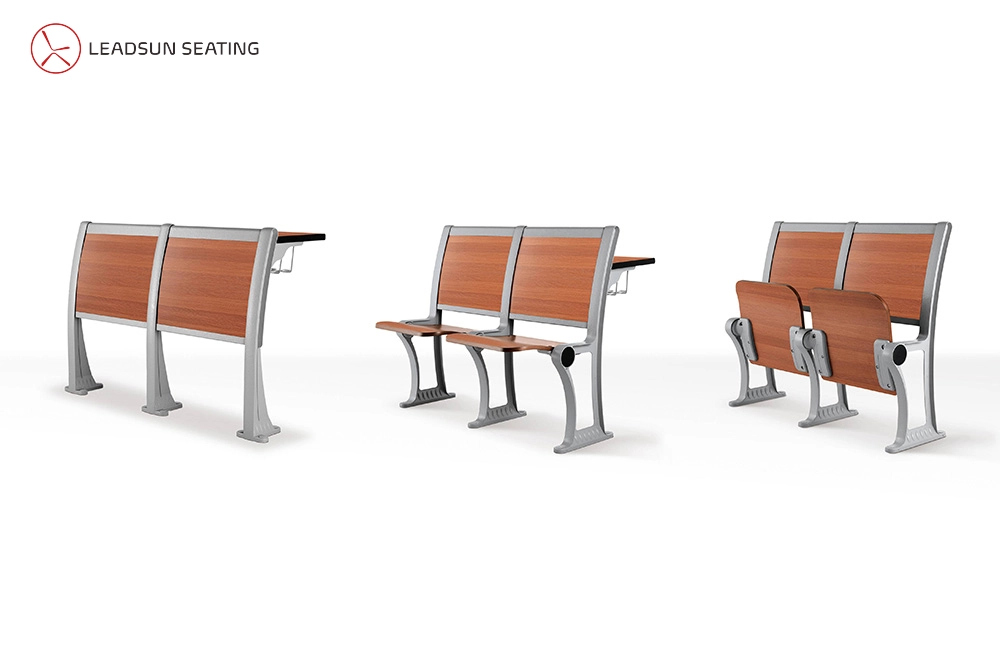
LS-908 Series Fixed Public Auditorium Chair or Tiered Classroom Solutions by Leadsun Seating
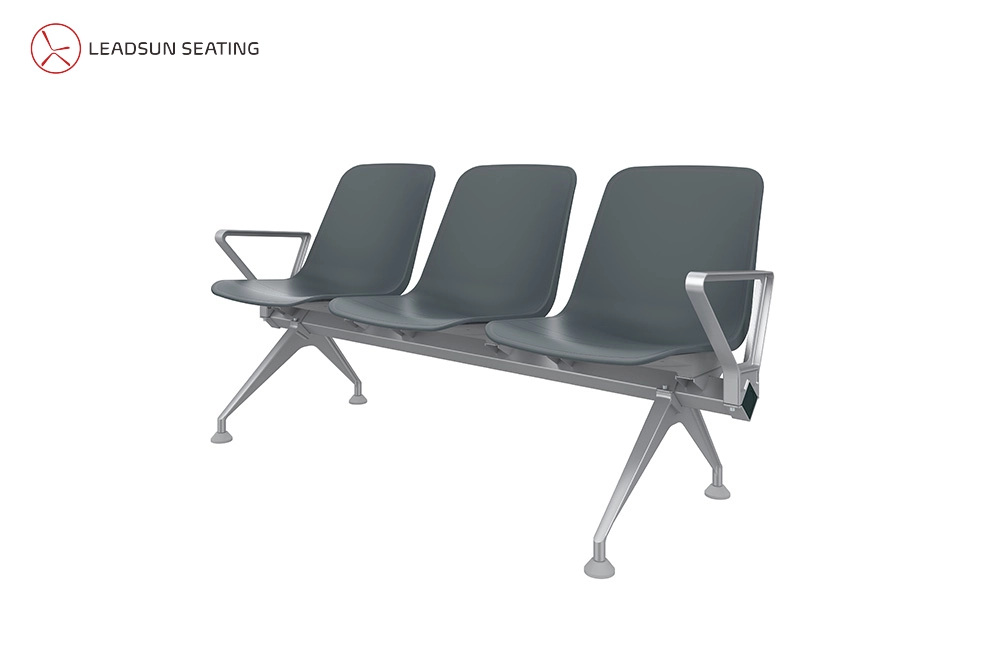
LS-550 Comfortable and Durable Waiting Chair | Customizable Waiting Chair Supplier Leadsun Seating
The LS-550 waiting chair from Leadsun offers superior comfort and durability for any public place. Customize your seating with Leadsun, a leading customizable waiting chair supplier. Ideal for high-traffic areas, the LS-550 ensures lasting performance and style.
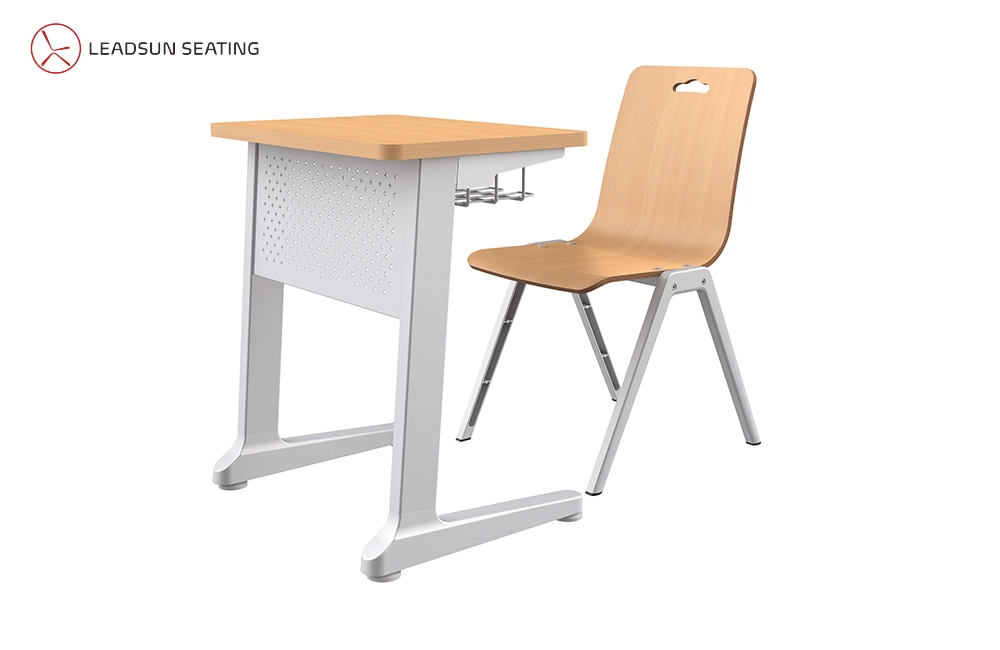
LS-9301 Single movable classroom chair |The Ultimate Flexible Solution for Modern Classrooms by Leadsun Seating
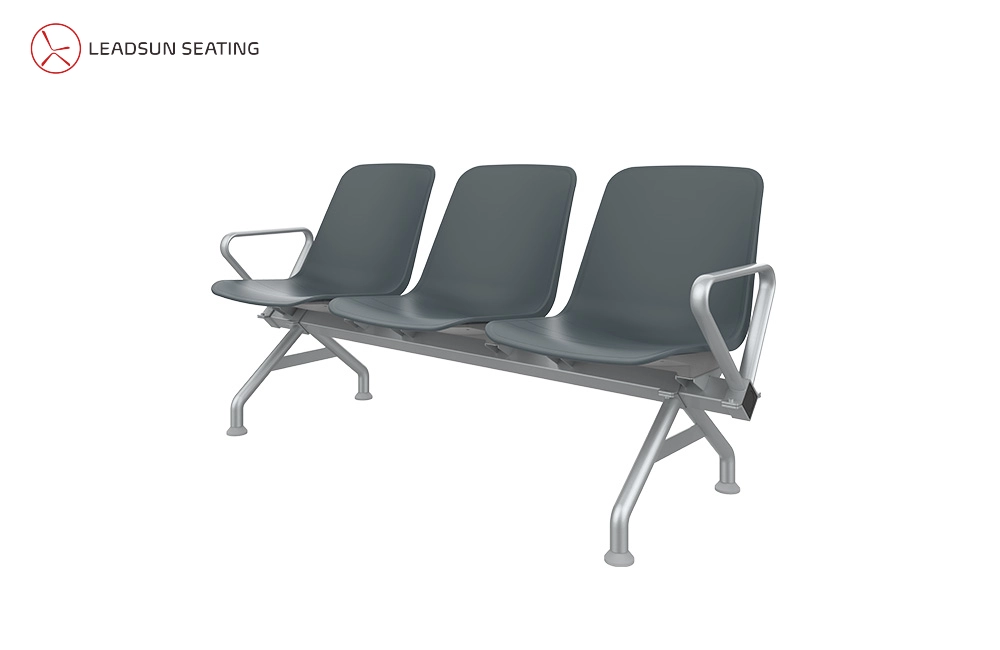
LS-551 Ergonomic Modular Waiting Chairs | Commercial Seating Solutions by Leadsun Seating
Ready for your public seating project?
We specialize in providing high-quality, customizable seating solutions for public spaces, and we are excited to assist you with your project.
Our professional team will quickly answer your questions and provide customized solutions to ensure you have a worry-free experience.

Leadsun Seating is also engaged in the design, development, production, and marketing of lightweight public seats in public places, with an annual output of desks and chairs.
 Scan QR Code