







What materials make commercial bench seating most durable?
- 1. How do I choose a bench seating material that minimizes total lifecycle cost for a high‑traffic university lecture hall over 15–25 years?
- 2. Between wood veneer, HPL and phenolic surfaces, which resists student vandalism (scratches, graffiti, burns) best and how are on‑site repairs done?
- 3. What frame construction and fastening details prevent row squeak, seat looseness and bolt fatigue under dynamic classroom loads?
- 4. How do fire codes, acoustic performance and ADA accessibility influence material choice for fixed lecture hall benches?
- 5. For installations in humid or coastal climates, which finishes maximize corrosion resistance for indoor/outdoor bench seating and what inspection schedule prevents hidden failures?
- 6. What specific testing and warranty clauses should I include in RFPs to ensure bench seating durability, replaceability and vendor accountability?
Commercial Bench Seating: Which Materials Deliver True Durability for Lecture Halls?
When buying commercial bench seating for lecture halls you need more than general advice. Below are six frequently asked, hard‑to‑answer long‑tail questions beginners and facility managers face today — each followed by actionable, standards‑based answers that reference durability, finish, maintenance, testing and procurement language for contract seating and fixed bench installations.
1. How do I choose a bench seating material that minimizes total lifecycle cost for a high‑traffic university lecture hall over 15–25 years?
Why this matters: Upfront unit price is only a fraction of cost. Lifetime expenses include maintenance, refinishing, replacement parts, downtime, and cleaning. For 15–25 years target life, specify structural materials and finishes that reduce frequency of repair.
Recommendation: Use powder‑coated or hot‑dip galvanized steel subframes with stainless steel fasteners and either phenolic/HPL seat surfaces or hardwood veneer over marine‑grade plywood. Typical durable combos:
- Powder‑coated steel frame + phenolic laminate seat slab (best for vandalism resistance and low maintenance).
- Galvanized steel or 316 stainless steel frame + solid hardwood seat/veneer (aesthetics with good longevity if sealed properly).
- Aluminum extruded frame + HDPE or molded polypropylene seats (excellent corrosion resistance for humid climates or partially outdoor foyers).
Why these work: Phenolic and HPL resist moisture, solvents and abrasion (Taber abrasion ratings high), reducing repair needs. Powder coatings and galvanizing protect frames from corrosion for decades if specified to architectural quality (e.g., 60–80 micron powder film or hot‑dip). Stainless grade 304 is common for indoor; use 316 in coastal or chlorinated environments.
Procurement tip: Request life‑cycle cost modelling in proposals: include expected maintenance hours per year, parts replacement frequency and expected service life (target 15–25 years). Ask vendors for third‑party test reports and real‑world case studies with comparable occupancy profiles.
2. Between wood veneer, HPL and phenolic surfaces, which resists student vandalism (scratches, graffiti, burns) best and how are on‑site repairs done?
Why this matters: Lecture halls see marker pens, scratches, stickers, and occasional cigarette burns. Repairability, repair cost and downtime vary substantially between materials.
Material performance:
- Phenolic resin boards: Highest resistance to scratches, solvents and heat; graffiti typically removed with solvent cleaners or light abrasion; surface is homogeneous so deep burns often require panel replacement but these are infrequent.
- High Pressure Laminate (HPL): Good scratch and chemical resistance; graffiti can usually be removed if promptly treated. Edges and seams are vulnerable — specify postformed edges or square‑edge with glued edges to prevent delamination.
- Hardwood veneer over plywood: High Quality look but more vulnerable to deep scratches and staining. Can be sanded and refinished locally, which is an advantage if you have carpentry resources, but frequent refinishing increases lifetime cost.
On‑site repair guidance: For graffiti on phenolic/HPL use recommended solvents from the manufacturer and test in an inconspicuous area; avoid abrasives that alter gloss uniformity. For veneer, use wood‑filler and light sanding + touch‑up stain. Always procure spare seat panels or slats (5–10% spare parts by count) to swap out rather than repair in situ for fastest turnaround.
3. What frame construction and fastening details prevent row squeak, seat looseness and bolt fatigue under dynamic classroom loads?
Why this matters: Loose fittings and squeaks degrade perception of quality and lead to frequent maintenance tickets. Dynamic loads in lecture halls include students shifting weight, getting in/out, and occasional leaning or standing on benches.
Design and fabrication best practices:
- Continuous welded box‑section steel subframes reduce joint movement compared with bolt‑together assemblies. Where bolting is required (for modularity), use captive locknuts, Belleville washers or Nord‑lock washers to resist loosening.
- Use structural grade steel (S355 equivalent) or aluminum extrusions sized per load calculations. Specify fillet weld quality to ISO 14555 or relevant national standard and inspect welds by a qualified inspector.
- Design for serviceability: use replaceable seat slats fixed with recessed, tamper‑resistant fasteners and provide access panels for floor anchors to permit tightening without disassembling rows.
- Specify cyclic testing in procurement: require that bench assemblies pass industry cyclic fatigue tests (see EN 16139 / BIFMA equivalents) to demonstrate resistance to bolt fatigue and loosening under repeated use.
Maintenance: Implement a routine (quarterly in heavy use) torque schedule for accessible fasteners and use threadlocker or mechanical locking washers on critical connections.
4. How do fire codes, acoustic performance and ADA accessibility influence material choice for fixed lecture hall benches?
Why this matters: Material choices can conflict — the most durable roofing or seat surface might not meet fire rating or acoustic absorption requirements and must still meet accessibility and egress rules.
Standards and practical implications:
- Fire safety: For upholstered bench seating, follow NFPA 260 / CAL TB 117‑2013 (U.S.) and BS 5852 (U.K.). For non‑upholstered surfaces, require materials with low flame spread (ASTM E84 / EN 13501 classifications). Ask manufacturers for compliance certificates and test reports.
- Acoustics: Hard surfaces (phenolic, HPL, hardwood) reflect sound, increasing reverberation in lecture halls. To balance durability and acoustics, specify acoustic baffles, absorptive wall panels, or incorporate perforated back panels with internal absorptive inserts instead of fully hard surfaces for all room rows.
- Accessibility & egress: ADA and local building codes determine wheelchair spaces, aisle widths and seat heights. Fixed bench designs must allow prescribed wheelchair docking locations and companion seats without compromising structural anchoring. Ensure supplier provides layout drawings showing code‑compliant egress paths and sightlines.
Procurement requirement: Require document submittals showing compliance with fire and accessibility standards and an acoustic impact statement from an acoustical engineer if using primarily hard seat surfaces.
5. For installations in humid or coastal climates, which finishes maximize corrosion resistance for indoor/outdoor bench seating and what inspection schedule prevents hidden failures?
Why this matters: Coastal salt, humidity and HVAC moisture accelerate corrosion that can undermine welds and fasteners out of sight, posing safety risks.
Material and finish priorities:
- Frame: Specify 316 stainless steel or aluminum alloy 6000 series for frames and exposed brackets in coastal installations. If steel is used, specify hot‑dip galvanizing followed by an epoxy primer and a polyurethane topcoat for architectural durability.
- Surface coatings: Use two‑coat or three‑coat systems with corrosion‑resistant primers; architectural powder coat (60–80 microns) is acceptable indoors but choose polyurethane liquid coatings for severe environments. Anodizing is recommended for aluminum extrusions.
- Fasteners and anchors: All exposed and concealed fasteners must be stainless (316) and use sealed countersinks or gasketed anchor plates. Avoid mixed metals that cause galvanic corrosion — if unavoidable, specify insulating washers and proper design separation.
Inspection schedule: Monthly visual checks for visible rust or blistering for the first year, then quarterly for years 2–3, and semi‑annual thereafter. Include inspections of welded joints and under‑seat areas where condensation collects. Replace any corroded fasteners immediately to avoid progressive failure.
6. What specific testing and warranty clauses should I include in RFPs to ensure bench seating durability, replaceability and vendor accountability?
Why this matters: Vague warranty terms and absent test requirements lead to disputes. You need measurable acceptance criteria and clear remedies.
Testing to require in RFP:
- Structural strength and durability: specify compliance with EN 16139 (non‑domestic seating) Level 2 or equivalent BIFMA cyclic load tests. Require copies of third‑party lab reports for the exact model proposed.
- Surface durability: require Taber abrasion test results (ASTM D4060 or similar) and scratch/graffiti resistance statements for HPL/phenolic surfaces.
- Corrosion resistance: for metal finishes specify salt spray testing (ASTM B117) for galvanized/painted finishes where coastal exposure is expected.
- Fire rating: provide certificates for applicable fire tests (ASTM E84, NFPA 260, CAL TB as applicable).
Warranty and contract language (recommended minimums):
- Structural warranty: minimum 10 years covering frame failure, including a clause for pro‑rated coverage up to 20 years for manufacturing defects.
- Finish warranty: 3–7 years depending on finish severity (longer for architectural powder coatings when specified to 10+ years performance levels backed by color retention testing).
- Upholstery/fixed surfaces: 1–5 years covering delamination, seam failure, and excessive fading or cracking beyond normal wear.
- Performance remedy: require vendor to replace or repair defective units within a defined SLA (e.g., 10 business days for safety‑critical repairs, 30 days for non‑critical), and to maintain an available spares inventory for immediate swapping (5–10% of installed units).
- Acceptance testing: include on‑site final acceptance trial where a sample row must pass load and functional checks before final payment.
Procurement tip: Tie final payment retention (e.g., 5–10%) to successful completion of acceptance testing and the first‑year warranty period. Require the vendor to provide maintenance manuals, spare parts lists and recommended torque schedules.
Conclusion — Advantages of specifying durable materials and standards‑based procurement
Choosing the right combination of powder‑coated or galvanized steel frames, stainless fasteners, and phenolic/HPL or marine‑grade hardwood seat surfaces dramatically lowers lifecycle costs, reduces downtime, and improves safety and compliance. Specifying cyclic and corrosion testing (EN 16139 / BIFMA equivalents, Taber abrasion, ASTM B117), clear warranty terms, spare parts and a maintenance schedule protects capital investment and ensures predictable total cost of ownership for lecture hall seating.
For a quote tailored to your lecture hall occupancy, acoustic needs and local code requirements, contact us at [email protected] or visit www.leadsunseating.com.

15 Best Office Waiting Room Chairs of 2026: The Ultimate Comfort & Style Guide

The Future of Reception Areas: 10 Modern Waiting Room Chair Trends to Watch in 2026

Airport Seating Reimagined: The 2026 Global Guide to Terminal Comfort and Design

7 Costly Mistakes Facilities Managers Make When Specifying Commercial Bench Seating

Commercial Beam Seating Solutions for High-Traffic Public Spaces
One Stop Airport Terminal Seating
What is the one-stop airport terminal lounge seating solution?
This solution covers the entire process, from initial needs assessment, personalized design, and professional manufacturing, to installation, delivery, and after-sales maintenance. It offers an integrated seating configuration service for airports, eliminating the need for coordinating with multiple parties.
How long is the production cycle? Can you deliver on time?
The production cycle depends on the order size and customization complexity. We’ll create a detailed production plan in advance and have a professional logistics and installation team in place to ensure on-time delivery and efficient implementation.
How does the seat design ensure passenger comfort?
The solution adopts ergonomic design principles. We optimize seat curves, backrest angles, and seat surface materials to effectively relieve the fatigue of passengers during long waits.
Can the solution meet the needs of airports of different sizes?
Whether it’s a small regional airport or a large international hub, we can customize the seating types and layout plans according to passenger flow, terminal area size, and functional positioning. This ensures we flexibly meet the requirements of all types of airports.
What does the after-sales service include?
Our after-sales service covers daily maintenance guidance, regular inspections, fault repairs, and component replacements. Our professional after-sales team is available 24/7 to ensure the long-term stable operation of the seats.
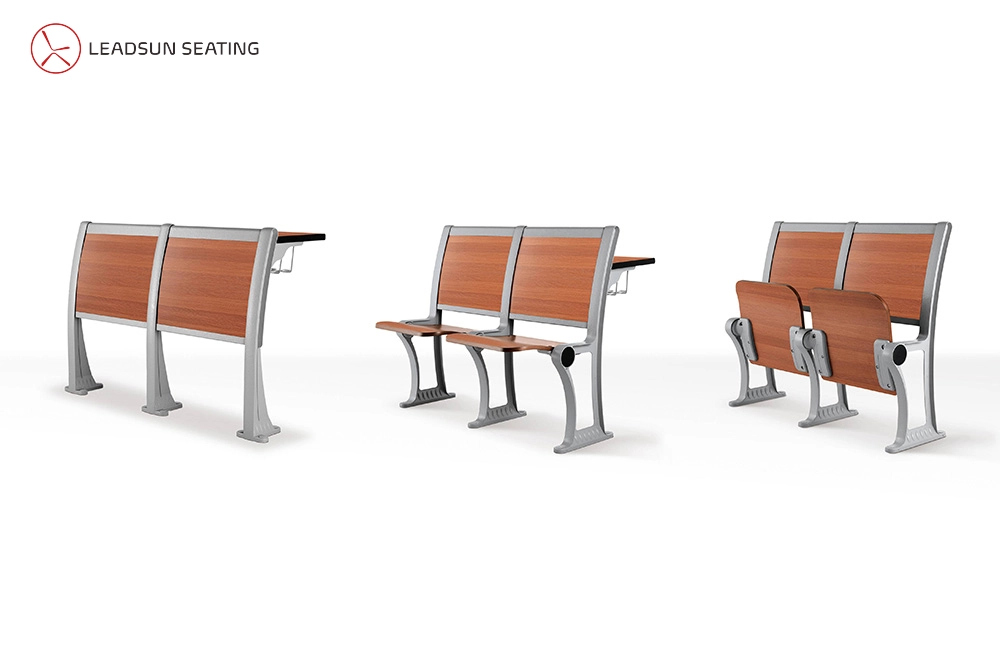
LS-908 Series Fixed Public Auditorium Chair or Tiered Classroom Solutions by Leadsun Seating
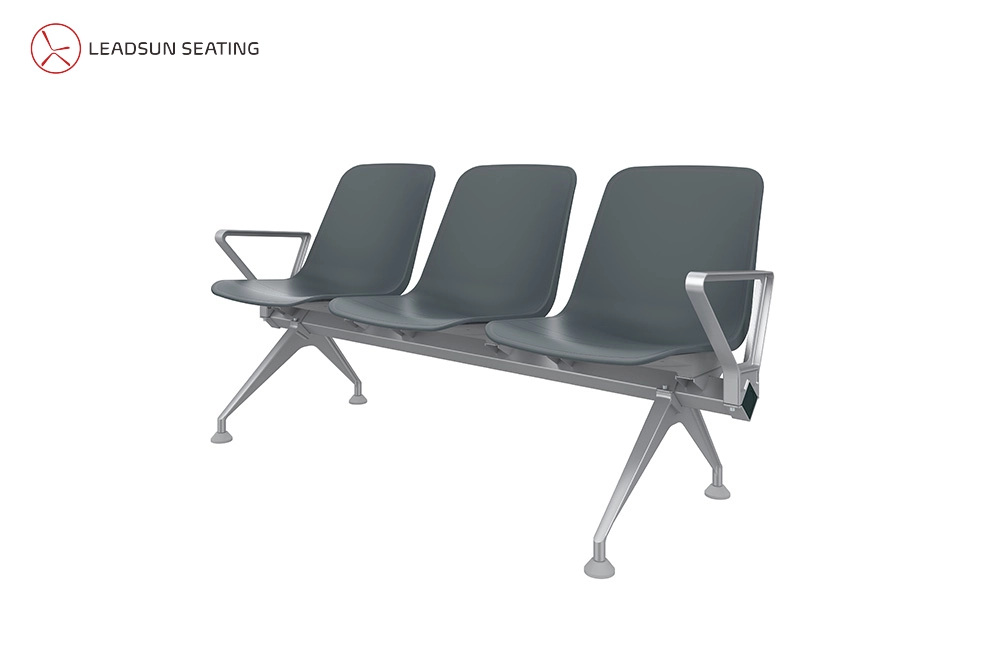
LS-550 Comfortable and Durable Waiting Chair | Customizable Waiting Chair Supplier Leadsun Seating
The LS-550 waiting chair from Leadsun offers superior comfort and durability for any public place. Customize your seating with Leadsun, a leading customizable waiting chair supplier. Ideal for high-traffic areas, the LS-550 ensures lasting performance and style.
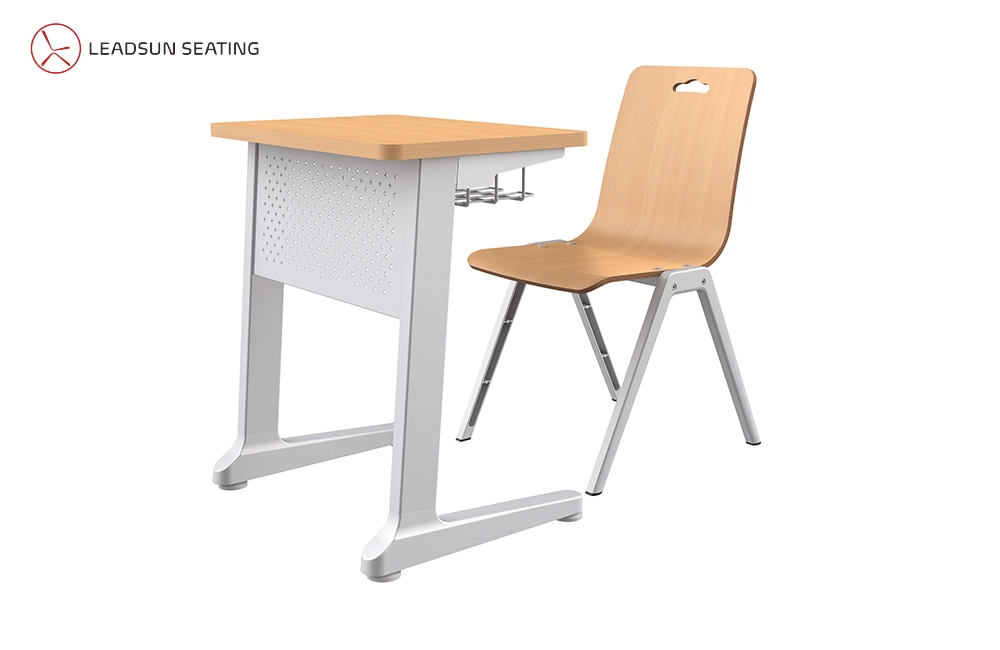
LS-9301 Single movable classroom chair |The Ultimate Flexible Solution for Modern Classrooms by Leadsun Seating
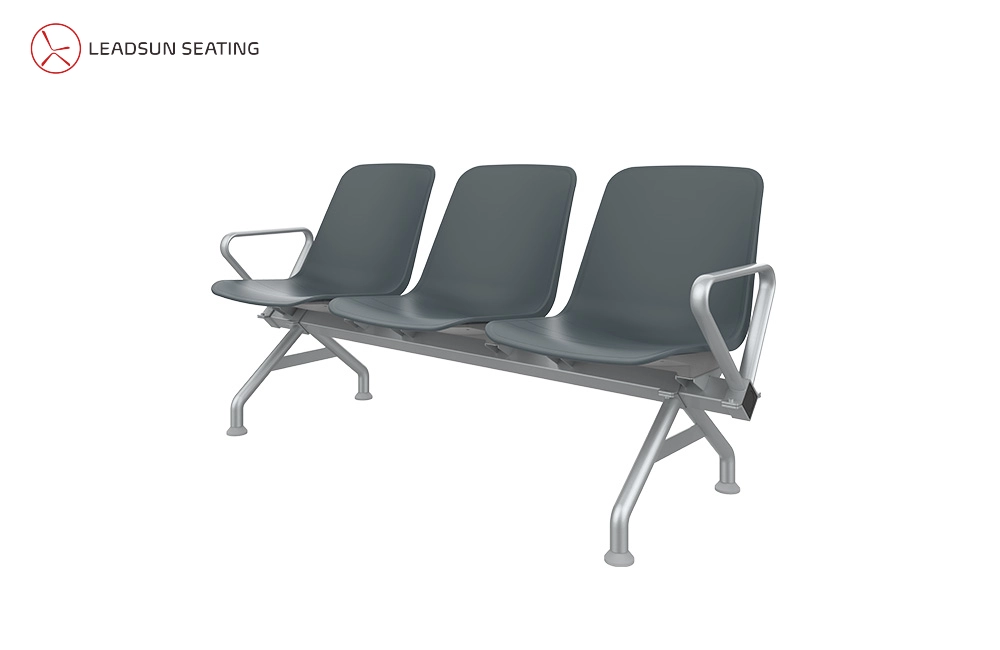
LS-551 Ergonomic Modular Waiting Chairs | Commercial Seating Solutions by Leadsun Seating
Ready for your public seating project?
We specialize in providing high-quality, customizable seating solutions for public spaces, and we are excited to assist you with your project.
Our professional team will quickly answer your questions and provide customized solutions to ensure you have a worry-free experience.

Leadsun Seating is also engaged in the design, development, production, and marketing of lightweight public seats in public places, with an annual output of desks and chairs.
 Scan QR Code