







How to choose commercial bench seating for high-traffic areas
- 1. How do I specify commercial bench seating that resists vandalism and graffiti in high-traffic lecture halls and transit hubs?
- 2. What fire and safety certifications should I require for commercial bench seating in lecture halls?
- 3. How should I evaluate lifecycle and maintenance costs (beyond sticker price) when selecting commercial bench seating?
- 4. What anchoring, modularity, and ADA requirements should I specify so benches are safe, reconfigurable, and accessible?
- 5. Which materials provide the best balance of comfort, acoustics, and durability for lecture hall bench seating?
- 6. What warranty language, testing standards, and third-party certifications do I need to include in procurement to reduce vendor risk?
1. How do I specify commercial bench seating that resists vandalism and graffiti in high-traffic lecture halls and transit hubs?
Choosing anti-vandal bench seating starts with three product-level decisions: substrate, surface finish, and fastenings. For substrates, powder-coated steel or stainless steel frames provide robust structure and impact resistance; stainless is recommended in coastal locations because it resists corrosion. For visible seating surfaces, opt for high-pressure laminate (HPL) or phenolic panels — both provide dense, non-porous surfaces that tolerate aggressive cleaning and graffiti removal solvents better than painted or porous wood. Phenolic in particular performs well where moisture and heavy cleaning are routine.
Surface protection matters: choose UV-stable, scratch-resistant HPL grades or a hard-coat powder finish on metal. These finishes reduce visible scuffs and extend aesthetics between refurbishments. For upholstery, high-performance commercial vinyls or coated fabrics with stain- and chemical-resistance simplify graffiti removal; ensure any antimicrobial or stain-resistant treatment has documented test data from the manufacturer.
Fastenings and hardware determine how easily components can be removed or vandalized. Use tamper-proof fixings, concealed anchors, and welded brackets where feasible. Design for modular replacement of seat modules — this limits downtime and repair cost; if a section is vandalized, a single replaceable bench top or cushion can be swapped without replacing the entire run. Finally, include cleaning and anti-graffiti instructions from the manufacturer so maintenance staff can remove defacement without damaging finishes.
2. What fire and safety certifications should I require for commercial bench seating in lecture halls?
Regulatory requirements vary by jurisdiction and building use, so the procurement specification should reference local building codes and universally recognized test standards. Commonly requested certifications include conformity with relevant national standards for surface burning and upholstery flame spread (for example, ASTM E84 or an equivalent local surface-burning test) and textile/flame resistance tests such as NFPA 701 where applicable. For upholstered seating, request documented pass/fail reports for the specific fabric and foam combination — upholstery that passes a fabric-only test may behave differently when integrated with foam and frame.
Beyond flammability, specify slip resistance for adjacent flooring and clear aisle access to meet egress and ADA spacing rules. For institutional lecture halls, also verify whether the seating must meet any additional performance categories such as smoke toxicity limits for enclosed venues. Require the manufacturer to provide test reports for the exact model and finish you are purchasing (not generic statements) and confirm any required third-party laboratory accreditation (e.g., ISO/IEC 17025) for the test reports.
3. How should I evaluate lifecycle and maintenance costs (beyond sticker price) when selecting commercial bench seating?
Initial purchase price is only one component of total cost of ownership. Build a lifecycle-cost model that includes expected maintenance, cleaning, repair frequency, part replacement, downtime, and disposal/recycling value. Key inputs to request from vendors include: replaceable-module design, availability and lead time for spare parts (frames, bench tops, cushions), recommended cleaning protocols and compatible cleaning agents, and the expected lifetime warranty coverage terms.
Materials directly affect recurring costs. For example, phenolic or HPL bench tops reduce repainting and refinish cycles; stainless steel frames lower corrosion-related repairs; commercial-grade vinyls tend to cost less to clean than delicate textiles and often have longer usable life in heavy-use spaces. Also consider modularity — seating systems designed with replaceable seat modules and replaceable tablet/arm components minimize long-term repair costs because a single damaged unit can be swapped in minutes.
Include soft costs: labor hours for cleaning and repairs, and the cost of service interruptions (e.g., blocked seating during lectures). Request real-world references from vendors for installations of similar scale and ask for maintenance logs or average repair intervals to validate lifecycle assumptions.
4. What anchoring, modularity, and ADA requirements should I specify so benches are safe, reconfigurable, and accessible?
For lecture halls and other public venues, anchoring must meet structural and accessibility requirements. Anchor systems should be engineered for the subfloor (concrete vs. raised floor) and use concealed anchors or baseplates that prevent tampering. For fixed bench runs, design expansion joints in long runs to accommodate thermal movement without stressing anchors.
Modularity supports future reconfiguration: select bench systems with modular linkages and removable middle sections so you can create wheelchair-accessible spaces without replacing entire rows. ADA compliance requires defined clear spaces for wheelchairs in specified numbers and locations; define these in the seating layout and specify removable or foldable bench modules at those positions. Confirm the manufacturer can supply ADA-compliant end caps, armrests, or demountable modules that meet local accessibility regulations.
Finally, provide installation drawings and anchor torque/specification sheets in the procurement documents, and require that installation be performed or supervised by certified technicians so the anchorage and modular interfaces meet design intent and local code enforcement expectations.
5. Which materials provide the best balance of comfort, acoustics, and durability for lecture hall bench seating?
Comfort, acoustics and durability often pull specifications in different directions. Durable materials such as HPL and phenolic deliver longevity and easy cleaning but are acoustically reflective and can feel hard for long lectures. To balance this: use a hybrid approach — durable bench tops and frames combined with replaceable upholstered seat pads or integrated cushion zones in key rows. Choose commercial-grade foam with adequate density and resilient recovery for comfort; request manufacturer compression test data for the foam used.
For acoustics, integrate absorbent elements elsewhere in the room (e.g., wall panels, ceiling baffles) rather than relying on seating materials alone. If seating must contribute to sound dampening, specify upholstered panels in the bench backs or perforated, noise-damping under-seat panels designed to absorb mid-to-high frequencies. Ensure any acoustic textiles meet your durability and fire-resistance requirements.
Material selection should also consider thermal comfort — metal frames with thin seat surfaces can feel cold. Powder-coated steel or clad edges and integrated upholstered pads mitigate this effect. Request sample mockups combining your chosen shell (HPL/phenolic) with the cushion material so end-users can evaluate comfort in-situ before full production.
6. What warranty language, testing standards, and third-party certifications do I need to include in procurement to reduce vendor risk?
A robust procurement specification includes explicit warranty terms, required testing standards, and expectations for documentation. Warranties should define coverage period for structure (typically multi-year), surface finishes, fabrics/upholstery, and replacement-part lead times. Include performance remedies (repair, replacement, prorated refund) and service-level clauses for emergency repairs in high-usage public spaces.
Mandate third-party testing and certifications rather than vendor self-declarations. Typical expectations include compliance with BIFMA or EN performance tests for public seating (where applicable), fire test reports (ASTM E84, NFPA 701, or local equivalents), and manufacturer quality system certification such as ISO 9001. Require that test reports be dated within a reasonable window (e.g., tests on the actual production model within the last five years) and performed by accredited labs (ISO/IEC 17025).
Add contract clauses that require spare-part stock levels or guaranteed availability for a defined period, along with a schedule for preventive maintenance training for facility staff. Finally, require references and site visits to existing installations with similar traffic profiles and request maintenance logs or failure rates where available to validate real-world performance claims.
Conclusion — Advantages of specifying the right commercial bench seating for high-traffic lecture halls
Choosing bench seating specified for anti-vandal finishes, appropriate fire and safety testing, clear lifecycle-cost analysis, ADA-compliant anchoring and modularity, and materials that balance comfort and acoustics results in lower total cost of ownership, simpler maintenance, improved user experience, and stronger regulatory compliance. Proper procurement language, required third-party testing, and clear warranty terms further reduce vendor risk and ensure predictable long-term performance.
For a custom quote and to review product datasheets, test reports, and installation examples tailored to your lecture hall needs, contact us at www.leadsunseating.com or [email protected].

15 Best Office Waiting Room Chairs of 2026: The Ultimate Comfort & Style Guide

The Future of Reception Areas: 10 Modern Waiting Room Chair Trends to Watch in 2026

Airport Seating Reimagined: The 2026 Global Guide to Terminal Comfort and Design

7 Costly Mistakes Facilities Managers Make When Specifying Commercial Bench Seating

Commercial Beam Seating Solutions for High-Traffic Public Spaces
One Stop Airport Terminal Seating
Can you provide personalized seat customization?
We support comprehensive customization, including seat styles, functional modules (like charging ports, cup holders, etc.), color schemes, and even integrating airport brand elements to showcase a unique style.
Are there any successful cases we can refer to?
We’ve provided services to numerous international and major domestic airports. We can offer detailed case materials, on-site photos, and client testimonials, so you can get a clear understanding of the solution’s effectiveness.
How does the seat design ensure passenger comfort?
The solution adopts ergonomic design principles. We optimize seat curves, backrest angles, and seat surface materials to effectively relieve the fatigue of passengers during long waits.
FAQs
What is the lead time for custom seating orders?
The lead time for custom seating orders varies depending on the complexity of the design and the order size. Typically, it takes 4-6 weeks for production, with shipping times depending on your location.
Do you offer installation services for your seating solutions?
Yes, we offer professional installation services to ensure that the seating is properly installed and meets all safety standards. Our team is experienced in handling both large and small-scale installations.
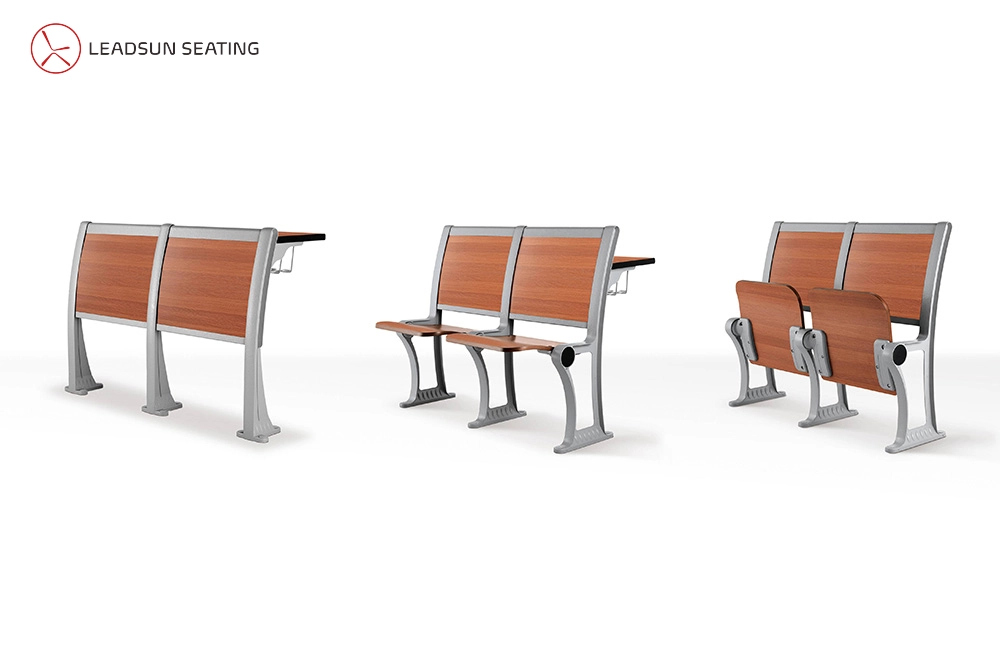
LS-908 Series Fixed Public Auditorium Chair or Tiered Classroom Solutions by Leadsun Seating
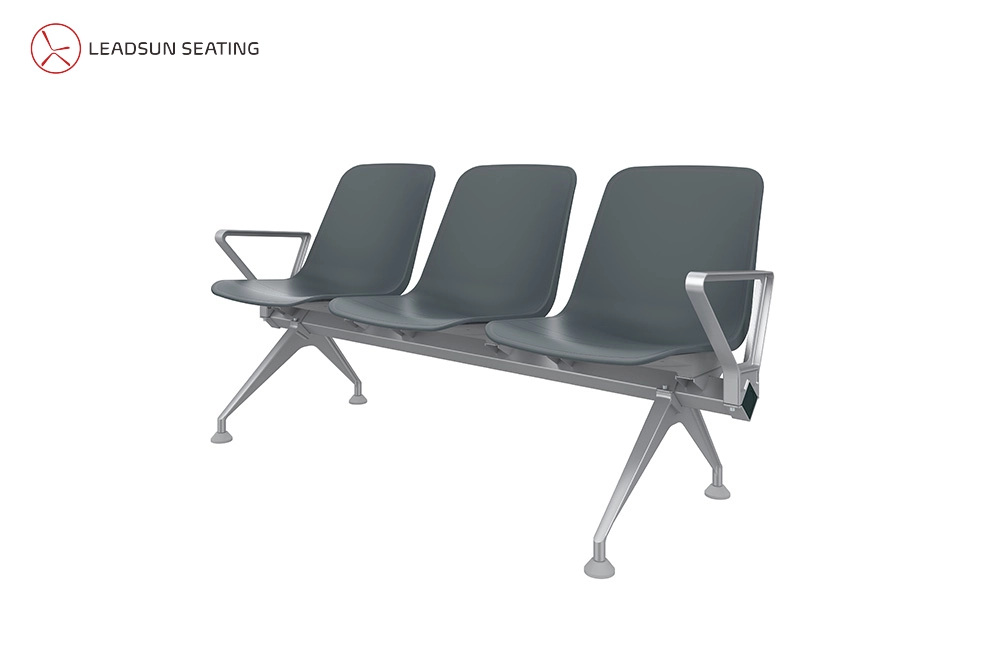
LS-550 Comfortable and Durable Waiting Chair | Customizable Waiting Chair Supplier Leadsun Seating
The LS-550 waiting chair from Leadsun offers superior comfort and durability for any public place. Customize your seating with Leadsun, a leading customizable waiting chair supplier. Ideal for high-traffic areas, the LS-550 ensures lasting performance and style.
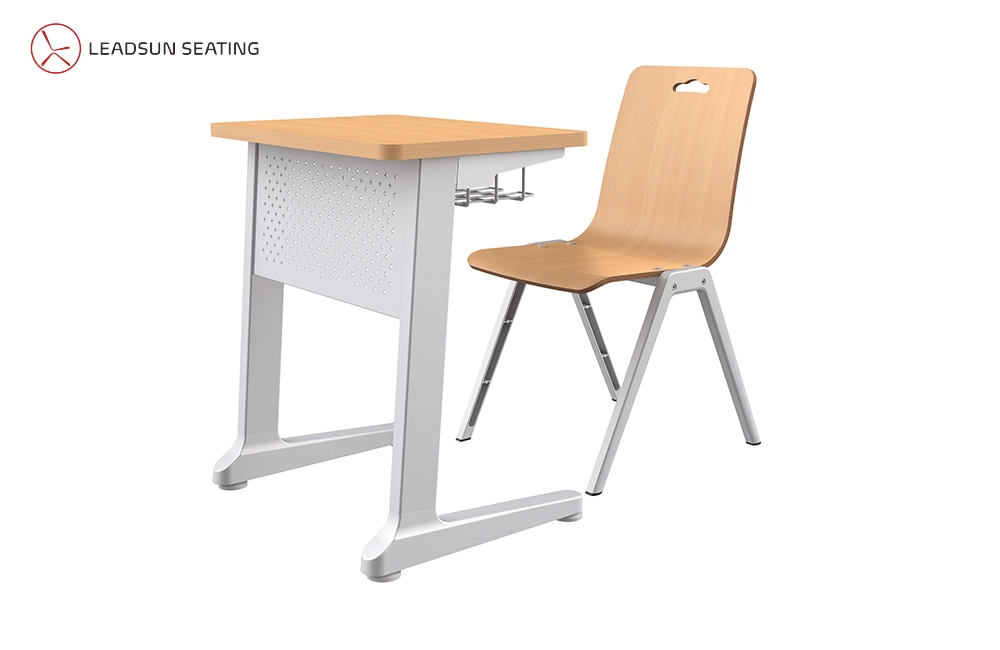
LS-9301 Single movable classroom chair |The Ultimate Flexible Solution for Modern Classrooms by Leadsun Seating
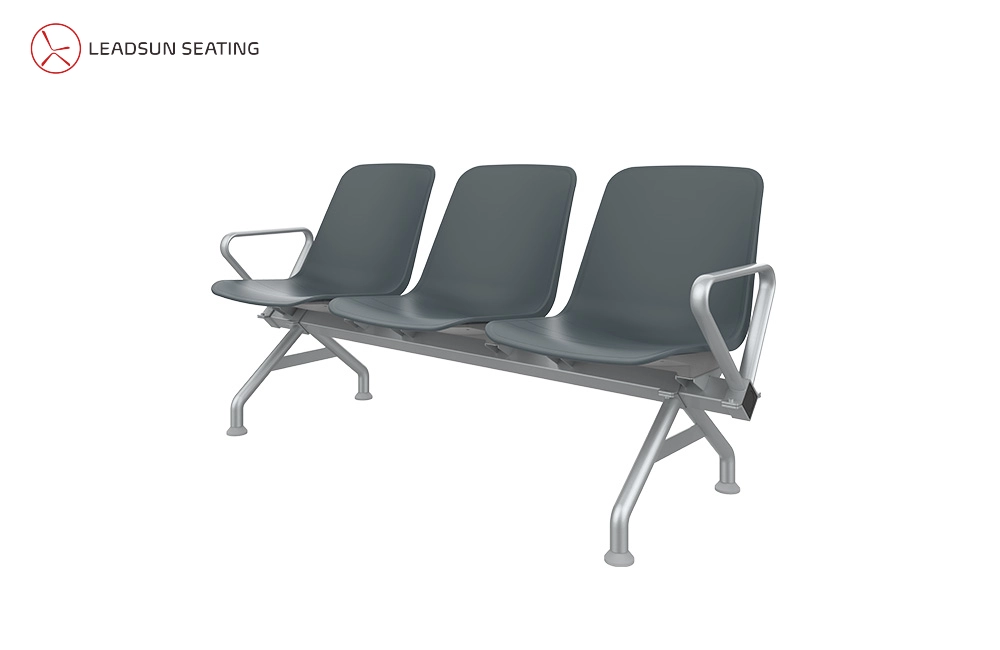
LS-551 Ergonomic Modular Waiting Chairs | Commercial Seating Solutions by Leadsun Seating
Ready for your public seating project?
We specialize in providing high-quality, customizable seating solutions for public spaces, and we are excited to assist you with your project.
Our professional team will quickly answer your questions and provide customized solutions to ensure you have a worry-free experience.

Leadsun Seating is also engaged in the design, development, production, and marketing of lightweight public seats in public places, with an annual output of desks and chairs.
 Scan QR Code