







How to evaluate durability and warranty for waiting room chairs?
- Intro — Why focused durability & warranty checks matter for waiting room chairs and lecture hall seating
- 1) How do I interpret EN 16139 and BIFMA test reports to choose waiting room chairs for high-traffic clinics and lecture halls?
- 2) What finish and materials resist hospital-grade disinfectants for waiting room chairs without degrading within 3–7 years?
- 3) How to audit a waiting room chair delivery to catch structural or warranty-risk defects before installation?
- 4) How do I calculate expected duty cycles and choose a seat rated for that level (real numbers and a sample calculation)?
- 5) What warranty clauses quietly void coverage on waiting room chairs and how to contractually protect against them?
- 6) For lecture hall seating with mixed upholstered and shell seats, how do I decide between polypropylene/polyethylene shells and padded upholstery for long-term durability and comfort?
- Conclusion — Advantages of selecting certified, durable waiting room chairs and lecture hall seating
Intro — Why focused durability & warranty checks matter for waiting room chairs and lecture hall seating
Commercial waiting areas and lecture halls demand seating that survives high turn-over, frequent cleaning, and safety/fire requirements. Beyond aesthetics, buyers must validate laboratory test reports (EN 16139, BIFMA) and manufacturer warranties, confirm disinfectant- and abrasion-resistance, and calculate realistic life-cycle cost for every seat.
1) How do I interpret EN 16139 and BIFMA test reports to choose waiting room chairs for high-traffic clinics and lecture halls?
EN 16139 (European non-domestic seating) and common BIFMA programs are the industry benchmarks for strength and durability for commercial seating. When you receive test reports:
- Verify scope and test level: EN 16139 has performance levels; Level 2 is for heavy-use public environments. Ensure the report states which level or specific tests passed.
- Check third-party lab and report ID: Accept reports from recognized labs such as SGS, Intertek, or TÜV. The report should include test dates, specimen descriptions (model, upholstery, finish), and pass/fail data for each test.
- Key tests to prioritize: static load, fatigue/cyclic loading, seat/back impact, leg/weld stability, and hinge/mechanism endurance (for tip-up auditorium seats). For upholstered chairs, look for abrasion resistance (Martindale or Wyzenbeek) and seam strength tests.
- Compare apples-to-apples: Ask the supplier to supply the exact model and specification tested. A generic report on a different shell or frame is insufficient.
- Practical check: If you need seating for an 800-seat lecture hall with multiple daily events, choose models with EN/BIFMA results at heavy-duty levels and verified mechanism endurance tests. Always request the lab certificate PDF and check the model/finish codes match your quote.
2) What finish and materials resist hospital-grade disinfectants for waiting room chairs without degrading within 3–7 years?
Selecting infection-control-compatible materials is critical in medical waiting rooms and university lecture halls under frequent cleaning.
- Preferred materials: stainless steel (304 or 316 for corrosive environments), powder-coated steel with epoxy/polyester poweder finishes formulated for healthcare, high-density polyethylene (HDPE) shells, and non-porous polyurethane or commercial-grade vinyl upholstery rated for disinfectant use.
- What to request: Manufacturer chemical-resistance test data showing exposure to common agents (0.1%–0.5% sodium hypochlorite bleach solutions, quaternary ammonium compounds, 70% isopropyl alcohol) with no more than acceptable color change, cracking, or loss of gloss after standardized cycles.
- Avoid: untreated wood veneers and low-grade paints that blister or delaminate under repeated disinfecting.
- Maintenance compatibility clause: Insist warranty language that explicitly covers normal disinfecting protocols you will use; otherwise routine cleaning may void warranty.
3) How to audit a waiting room chair delivery to catch structural or warranty-risk defects before installation?
Use a 10–15 minute acceptance checklist per box or per pallet on arrival:
- Documentation: Cross-check serial/model numbers against packing list and request original test certificates attached to shipment.
- Visual & tactile checks: Inspect welds for full penetration and smoothness (no cold laps), check for frame straightness, verify consistent powder-coat finish (no runs, thin spots), and examine upholstery seams for double-stitching and consistent tension.
- Fasteners & mechanisms: Operate any moving parts (tip-up seats, swivels) to detect binding or unusual noise. Verify torque on visible bolts if accessible.
- Random sampling: For large orders, pull 1%–2% of items for more detailed inspection (measure seat dimensions, confirm foam density spec if provided).
- Record keeping: Photograph defects with timestamps. Report nonconformances immediately and withhold installation until the manufacturer addresses safety-critical issues.
4) How do I calculate expected duty cycles and choose a seat rated for that level (real numbers and a sample calculation)?
Translate real usage into cycles so you can match durability claims to reality.
- Formula: Annual seat uses = seats × average uses per seat per day × operating days per year.
- Example: For a 200-seat lecture hall used twice daily at 70% average occupancy, 250 academic days/year: 200 × 0.7 × 2 × 250 = 70,000 uses/year. If seats are also used 20 conference days at full capacity, add 200 × 20 = 4,000 uses → total ~74,000 uses/year.
- Choosing rating: Ask manufacturers for cyclic endurance test results (cycles to failure) or EN/BIFMA class that equates to your expected annual cycles over target service life. For high-turnover public seating plan for a 10–15 year service life; choose equipment tested at heavy-duty or Level 2 standards with documented cyclic endurance beyond your 10–15× annual cycles estimate.
- Life-cycle cost: Compute total cost = (purchase price + maintenance over lifespan + disposal) / expected years. Chairs with higher upfront cost but longer warranties and lower maintenance often yield lower cost per year.
5) What warranty clauses quietly void coverage on waiting room chairs and how to contractually protect against them?
Common hidden exclusions and how to address them:
- Void-by-cleaning: Warranties that exclude damage from certain cleaners—request an explicit list of allowed cleaners or a clause that the manufacturer approves your sanitization protocol.
- Unauthorized repairs: Many warranties void if non-approved technicians modify or repair seats. Negotiate a clause allowing certified local service with manufacturer-provided parts.
- “Regular wear” ambiguity: Define what constitutes ‘‘wear and tear’’ vs. manufacturing defects. For example, specify expected Martindale cycles and foam resilience thresholds.
- Pro-rated vs. replacement: Insist on clear remedies—full replacement for structural failure within the frame warranty period, pro-rated for cosmetic elements, and defined on-site labor coverage.
- Transferability and remedies: Require warranty transferrability if you sell or lease facilities, and demand turnaround time commitments for on-site repairs in critical public spaces.
- Contract tip: Attach the manufacturer’s warranty to the purchase order and specify that deviations voided by the manufacturer alone do not absolve the seller if the seller represented the product's suitability.
6) For lecture hall seating with mixed upholstered and shell seats, how do I decide between polypropylene/polyethylene shells and padded upholstery for long-term durability and comfort?
Decision factors and evidence-based guidance:
- Durability: Solid polymer shells (polypropylene, HDPE) are non-porous, easier to clean, and highly resistant to heavy use and disinfectants—often preferable for high-frequency, multi-user spaces.
- Comfort and acoustics: Upholstered seats with high-density foam and breathable fabrics improve comfort during long lectures and can reduce noise. For auditoriums where multi-hour comfort is critical, hybrid seating (polymer shell with cushioned seat pad) balances durability and comfort.
- Maintenance: Upholstery requires periodic deep cleaning and may need replacement sooner (1–5 years for heavy-stain-prone fabrics) unless you specify commercial-grade, high-Martindale fabrics (40,000+ cycles for heavy usage). Shell seats can last much longer with minimal upkeep.
- Fire & code compliance: Upholstered options must meet local flame-retardant regulations (e.g., ASTM E84 surface-burning characteristics or local codes). Always ask for the relevant fire test certificate.
- Practical recommendation: For high-turnover waiting areas and healthcare clinics pick polymer shells or antimicrobial vinyl upholstery documented for disinfectant resistance. For lecture halls prioritizing comfort but with high usage, choose commercial-grade upholstery with clear Martindale/Wyzenbeek ratings and plan upholstery replacement as part of lifecycle budgeting.
Conclusion — Advantages of selecting certified, durable waiting room chairs and lecture hall seating
Choosing seats certified to recognized standards (EN 16139, BIFMA) and backed by clear, enforceable warranties reduces downtime, lowers life-cycle cost, and ensures compliance with cleaning and fire-safety protocols. Prioritizing materials tested for disinfectant resistance, requesting third-party test reports (SGS, Intertek, TÜV), calculating realistic duty cycles, and locking in warranty clauses for on-site repairs will protect your investment and user safety.
For a custom quote, product certificates, or to request specific EN/BIFMA test reports for our waiting room chairs and lecture hall seating, contact us at www.leadsunseating.com or [email protected].

15 Best Office Waiting Room Chairs of 2026: The Ultimate Comfort & Style Guide

The Future of Reception Areas: 10 Modern Waiting Room Chair Trends to Watch in 2026

Airport Seating Reimagined: The 2026 Global Guide to Terminal Comfort and Design

7 Costly Mistakes Facilities Managers Make When Specifying Commercial Bench Seating

Commercial Beam Seating Solutions for High-Traffic Public Spaces
One Stop Airport Terminal Seating
Can the solution meet the needs of airports of different sizes?
Whether it’s a small regional airport or a large international hub, we can customize the seating types and layout plans according to passenger flow, terminal area size, and functional positioning. This ensures we flexibly meet the requirements of all types of airports.
Are there any successful cases we can refer to?
We’ve provided services to numerous international and major domestic airports. We can offer detailed case materials, on-site photos, and client testimonials, so you can get a clear understanding of the solution’s effectiveness.
FAQs
Are your products compliant with safety and accessibility standards?
-
Absolutely. All of our seating solutions comply with relevant safety regulations and accessibility standards, ensuring comfort and safety for all users, including those with special needs.
-
How can I request a quote for a seating project?
You can easily request a quote by contacting our sales team through our website or by email. Provide details about your project, including the quantity and specific requirements, and we will get back to you with a tailored quote.
What maintenance is required for your seating solutions?
The maintenance required depends on the material and location of the seating. Generally, regular cleaning and periodic inspections are recommended. We provide maintenance guidelines with each product to ensure long-term durability.
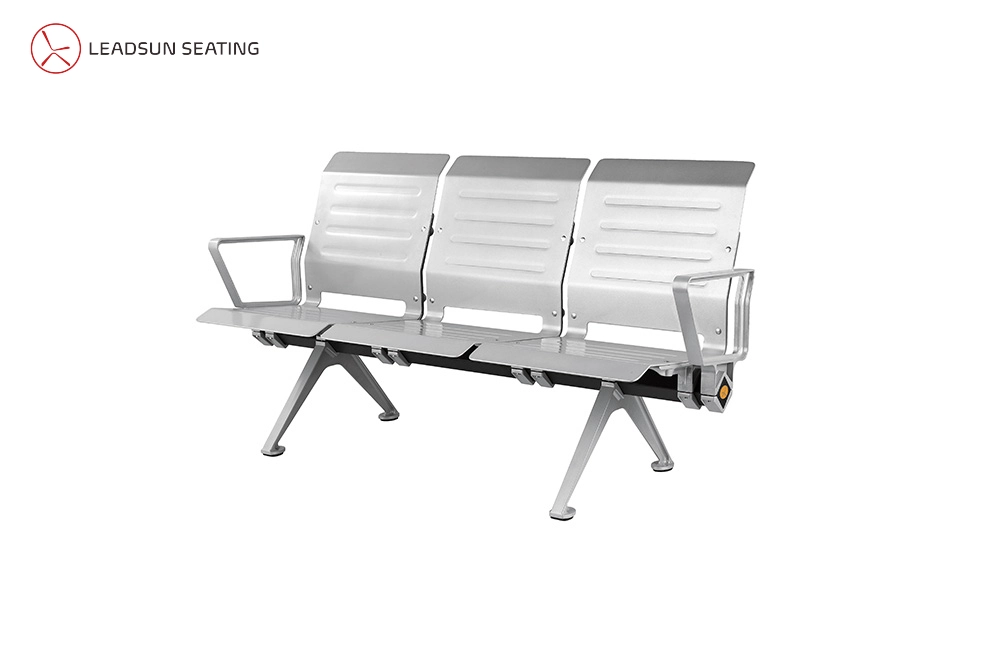
LS-529AL Aluminum Ergonomic Waiting Chairs | Modular & Durable Seating by Leadsun Seating
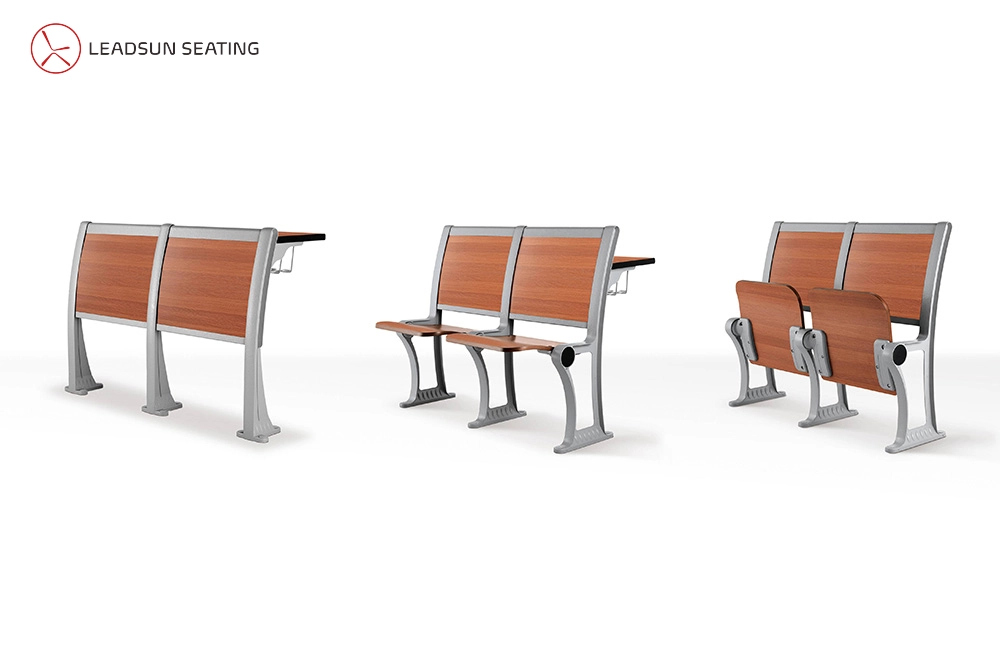
LS-908 Series Fixed Public Auditorium Chair or Tiered Classroom Solutions by Leadsun Seating
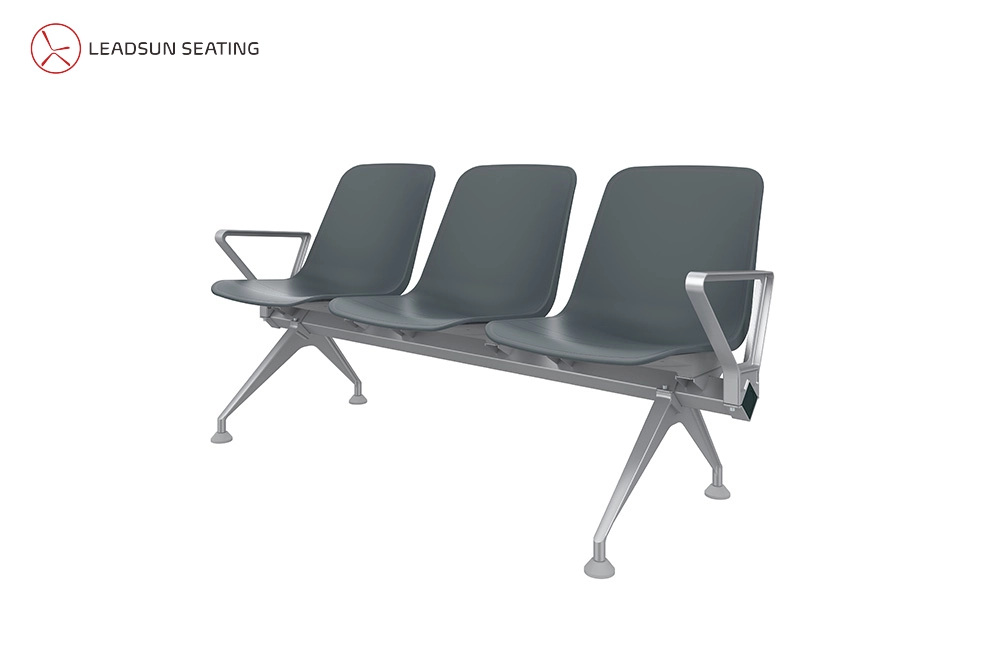
LS-550 Comfortable and Durable Waiting Chair | Customizable Waiting Chair Supplier Leadsun Seating
The LS-550 waiting chair from Leadsun offers superior comfort and durability for any public place. Customize your seating with Leadsun, a leading customizable waiting chair supplier. Ideal for high-traffic areas, the LS-550 ensures lasting performance and style.
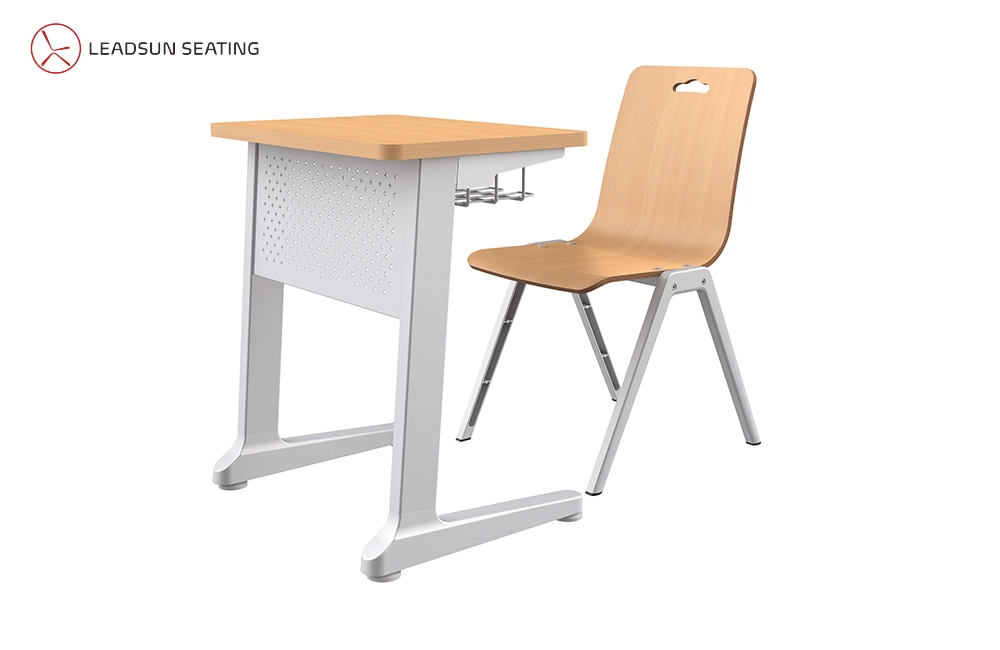
LS-9301 Single movable classroom chair |The Ultimate Flexible Solution for Modern Classrooms by Leadsun Seating
Ready for your public seating project?
We specialize in providing high-quality, customizable seating solutions for public spaces, and we are excited to assist you with your project.
Our professional team will quickly answer your questions and provide customized solutions to ensure you have a worry-free experience.

Leadsun Seating is also engaged in the design, development, production, and marketing of lightweight public seats in public places, with an annual output of desks and chairs.
 Scan QR Code