







Leadsun seating offers a wide range of seating solutions for public spaces, including benches, chairs, waiting area seating, auditorium seating, and customized solutions tailored to specific project needs.
What are ADA compliance requirements for waiting room seating?
2026-03-17
Detailed, practical guidance for purchasers of waiting room chairs: ADA compliance requirements, exact clearances, seating dimensions for transfers, durability tests (Wyzenbeek), fire and infection-control documentation, and supplier checklist for compliant, long‑lasting waiting room seating.
- 1) How many wheelchair spaces and companion seats does a 30-seat medical waiting room need to meet ADA standards?
- 2) What exact clearances, turning room, and aisle widths should I specify between rows of waiting room chairs so wheelchair users can navigate and transfer safely?
- 3) Can I use bolted tandem seating in healthcare waiting rooms and still meet infection-control and ADA rules? What materials and mounting choices reduce infection risk while preserving accessibility?
- 4) What exact seat heights, depths, and armrest dimensions ease transfers for seniors and mobility-impaired users in waiting room chairs?
- 5) How do I test and specify upholstery, frame durability, and load ratings so waiting room chairs last 7–10 years in busy clinics?
- 6) What documentation should I request from suppliers (ADA, fire safety, infection-control evidence) before buying to avoid noncompliant or unusable waiting room seating?
- Concluding summary: Advantages of choosing ADA-compliant, durable waiting room chairs
1) How many wheelchair spaces and companion seats does a 30-seat medical waiting room need to meet ADA standards?
Answer:
ADA Standards for Accessible Design (2010) do not prescribe a fixed ratio of wheelchair spaces for small business or clinical waiting rooms the same way they do for assembly areas. Instead, compliance focuses on providing accessible routes and usable seating. For a typical 30-seat medical waiting room follow this practical, defensible approach:
- Provide at least one dedicated wheelchair clear floor space (30 x 48 / 760 mm x 1220 mm) within the room, located so the user has a clear approach from an accessible route (36 minimum clear width).
- Include at least one adjacent companion seat (a standard fixed seat immediately next to the wheelchair space) so visitors can sit with a wheelchair user. Companion seating improves usability and meets best practice expectations.
- If waiting seating is fixed in rows (tandem seating), design each row run so a wheelchair space is integrated into the run at natural entry points; if seating is mainly loose chairs, ensure one wheelchair location is reserved and signed.
- For larger waiting areas that are also assembly-type (for example, public clinic areas where seating capacity and row configurations trigger assembly rules), follow ADA 2010 Section 221 and Table 221.2.1 for required wheelchair spaces.
Why this matters: Relying on the single clear-floor-space + companion-seat approach satisfies the ADA’s technical requirements for most business/medical waiting rooms while giving dignity and function to mobility-impaired users. Show this in design drawings and on your procurement spec to avoid misinterpretation at inspection.
2) What exact clearances, turning room, and aisle widths should I specify between rows of waiting room chairs so wheelchair users can navigate and transfer safely?
Answer:
Use measurable, standards-based clearances in your seating layout. Minimums commonly used by designers that align with ADA and life-safety guidance are:
- Clear floor space for a wheelchair: 30 x 48 (760 mm x 1220 mm) for a forward approach. Place this at transfer points and service counters (ADA 305-style guidance).
- Accessible route width: minimum 36 (915 mm) continuous. If the route is also an egress aisle, maintain the clear width unobstructed per local code.
- Passing space between two wheelchairs or to allow a powered wheelchair to pass: 60 (1525 mm) preferred when possible; provide 60 clear at turn points.
- Turning space: a 60 (1525 mm) diameter circle or an equivalent T-shaped turning space is required by ADA 304.2 to permit a 180° wheelchair turn.
- Aisle between fixed seating rows: minimum 36 clear where seating allows egress from both sides; consider 42–48 in high-traffic waiting rooms for comfort and stretch areas.
- Transfer alignment: where you expect transfers onto a seat, place the clear floor space alongside the chair so the user can approach the seat parallel or perpendicular as needed.
Operational tips:
- Document these clearances on layout drawings so contractors and installers place bolted seating correctly.
- For modular bench runs, leave an unbroken accessible route at least one continuous 36 wide path to key destinations (reception, restrooms, exits).
3) Can I use bolted tandem seating in healthcare waiting rooms and still meet infection-control and ADA rules? What materials and mounting choices reduce infection risk while preserving accessibility?
Answer:
Bolted tandem (row) seating is common in medical waiting rooms and can meet both ADA and infection-control requirements when specified correctly:
- Accessibility: Fixed rows are acceptable provided ADA clear floor spaces, companion spaces, and accessible routes are maintained. Ensure wheelchair spaces are integrated into row layouts and that seats do not reduce required clearances.
- Mounting: Floor-mounted systems with tamper-resistant anchors are durable. Choose systems that permit modular replacement of single seats or upholstery panels so you can repair rather than replace entire runs after soiling or damage.
- Upholstery and finish: Specify healthcare-grade, impervious, cleanable surfaces (e.g., commercial vinyls or polyurethane-coated textiles) that are compatible with hospital-grade disinfectants. Look for manufacturer statements about compatibility with bleach solutions and quaternary ammonium compounds.
- Seams and crevices: Select seat and back designs with welded seams or factory-sealed edges to minimize dirt traps and microbial growth. Avoid button tufting or deep creases in clinical environments.
- Materials testing: Require Wyzenbeek/Martindale abrasion results and information on disinfectant compatibility. Specify antimicrobial-treated surfaces only as an adjunct—regular cleaning protocols remain essential.
- Infection control operations: Provide cleaning guidance from the manufacturer and confirm warranty will not be voided by recommended hospital-grade disinfectants.
Balancing durability and infection control often means selecting a heavy-duty, hospital-grade coated textile with a high abrasion rating, removable panels for serviceability, and floor-mounted hardware that leaves no protrusions into aisles.
4) What exact seat heights, depths, and armrest dimensions ease transfers for seniors and mobility-impaired users in waiting room chairs?
Answer:
Designing seating for safe transfers reduces falls and staff assistance requirements. Use these empirically tested dimensions commonly adopted across healthcare furniture design:
- Seat height: 17–19 (430–485 mm) above finished floor — this range makes standing and sitting easier for many older adults and aligns with common transfer-height recommendations used in healthcare seating.
- Seat depth: 16–18 (405–455 mm) — shallow depth helps users who cannot sit deeply and still get their feet flat on the floor for push-off.
- Seat width: minimum 20 (510 mm) per seat; specify 22–24 for added comfort in higher-acuity clinics. Provide at least one bariatric-rated seat or chair (600–800 lb rating) in larger facilities.
- Armrests: Fixed, sturdy armrests that extend to the front edge of the seat are essential. Typical useful armrest height above seat surface: 7–9 (180–230 mm). The grips should permit lateral transfers; avoid overly thin or slippery surfaces.
- Lumbar and back support: Upright backs with firm lumbar support allow safer transfers than very reclined lounge chairs.
Practical checklist:
- Provide at least one seat in each waiting area within the 17–19 height range and with accessible armrests for transfers.
- For reception and triage seating, prioritize transfer-friendly dimensions even if other lobby lounge seating is more relaxed.
5) How do I test and specify upholstery, frame durability, and load ratings so waiting room chairs last 7–10 years in busy clinics?
Answer:
Specify measurable durability metrics and request test reports from manufacturers. Key tests and thresholds to require in your procurement documents:
- Fabric abrasion (Wyzenbeek or Martindale): For heavy commercial use, require at least 100,000 double rubs (Wyzenbeek) or corresponding heavy-duty Martindale result. This reduces pilling and surface wear in high-traffic spaces.
- Frame load rating: Require static load ratings and product categories. Typical commercial seating should sustain 300–500 lb static loads; bariatric seating should be certified (600–800+ lb rated). Ask for independent test reports.
- Joint & fastener testing: Require hardware torque and fatigue test data for welded and bolted frames to avoid loosening in years of use.
- Flammability: Ask for compliance certificates for applicable standards (NFPA 260, TB 117-2013, or local code equivalents). Provide local code references—e.g., California or healthcare-specific fire testing—if applicable.
- BIFMA/ANSI: Seek BIFMA compliance documentation where relevant (performance and safety standards for commercial furniture).
- Warranty & lifecycle: Require at least a 5-year warranty on frame structure and a 1–5-year warranty on upholstery; target replacement cycles of 7–10 years for busy clinics.
Operational tip: Make these quantitative requirements mandatory in the RFP. Ask for lab certificates (not just manufacturer claims) and request samples to validate feel and cleanability before final approval.
6) What documentation should I request from suppliers (ADA, fire safety, infection-control evidence) before buying to avoid noncompliant or unusable waiting room seating?
Answer:
Request a clear, auditable package of documents before purchase and again at delivery. The supplier documentation should include:
- ADA conformance statement: Manufacturer’s written statement describing how the product can be arranged to meet ADA Standards (2010), including dimensional drawings showing wheelchair clear floor spaces where applicable.
- Technical drawings & layout templates: Scaled CAD or PDF drawings of seating modules, anchor locations, and necessary clearances to place in permit packages and for installers.
- Flammability certificates: Lab reports showing compliance with applicable standards (e.g., NFPA 260 or state/local equivalents such as TB 117-2013 or CA 133 if required in your jurisdiction).
- Durability test reports: Wyzenbeek or Martindale abrasion test results, frame load tests, joint fatigue reports.
- Chemical/disinfectant compatibility: Manufacturer guidance and test results showing the upholstery is compatible with common hospital disinfectants (bleach/quat-based cleaners) and specifying any prohibited cleaners.
- Warranty and service policy: Written warranty covering materials and workmanship, plus parts-service lead times and availability of replacement modules/parts.
- Certifications: BIFMA, ISO factory standards, or similar quality system evidence if available.
Procurement practice: Keep all documentation in the project record and require installers to sign off that installed seating matches the supplied documentation. That protects you during inspections and maintenance cycles.
Concluding summary: Advantages of choosing ADA-compliant, durable waiting room chairs
Choosing waiting room chairs specified to ADA dimensions, infection-control materials, and proven durability delivers measurable advantages:
- Legal and functional compliance: Layouts that follow ADA and local fire/egress standards reduce inspection risk and enhance accessibility for visitors with disabilities.
- Lower total cost of ownership: Durable frames, high abrasion upholstery (Wyzenbeek-tested), and modular replaceability mean fewer full-seat replacements and lower lifecycle expenses.
- Better patient experience: Transfer-friendly seat heights, supportive armrests, and companion seating improve comfort and dignity for the elderly and mobility-impaired.
- Infection-control readiness: Cleanable, disinfectant-compatible finishes and sealed designs simplify daily cleaning protocols and reduce pathogen persistence.
For a personalized layout plan, product specifications, and a competitive quote tailored to your clinic or lecture-hall waiting area, contact us at www.leadsunseating.com or email [email protected] for a site-specific proposal.
Recommended for you

15 Best Office Waiting Room Chairs of 2026: The Ultimate Comfort & Style Guide

The Future of Reception Areas: 10 Modern Waiting Room Chair Trends to Watch in 2026

Airport Seating Reimagined: The 2026 Global Guide to Terminal Comfort and Design

7 Costly Mistakes Facilities Managers Make When Specifying Commercial Bench Seating

Commercial Beam Seating Solutions for High-Traffic Public Spaces
Prdoucts Categories
FAQ
One Stop Airport Terminal Seating
Can the solution meet the needs of airports of different sizes?
Whether it’s a small regional airport or a large international hub, we can customize the seating types and layout plans according to passenger flow, terminal area size, and functional positioning. This ensures we flexibly meet the requirements of all types of airports.
How do you ensure seat installation doesn't disrupt airport operations?
We’ll develop a detailed installation plan, giving priority to non-peak hours for construction. We also use a modular installation approach to minimize any impact on airport operations.
What does the after-sales service include?
Our after-sales service covers daily maintenance guidance, regular inspections, fault repairs, and component replacements. Our professional after-sales team is available 24/7 to ensure the long-term stable operation of the seats.
FAQs
Are your products compliant with safety and accessibility standards?
-
Absolutely. All of our seating solutions comply with relevant safety regulations and accessibility standards, ensuring comfort and safety for all users, including those with special needs.
-
What types of public seating solutions does Leadsun seating provide?
You may also like
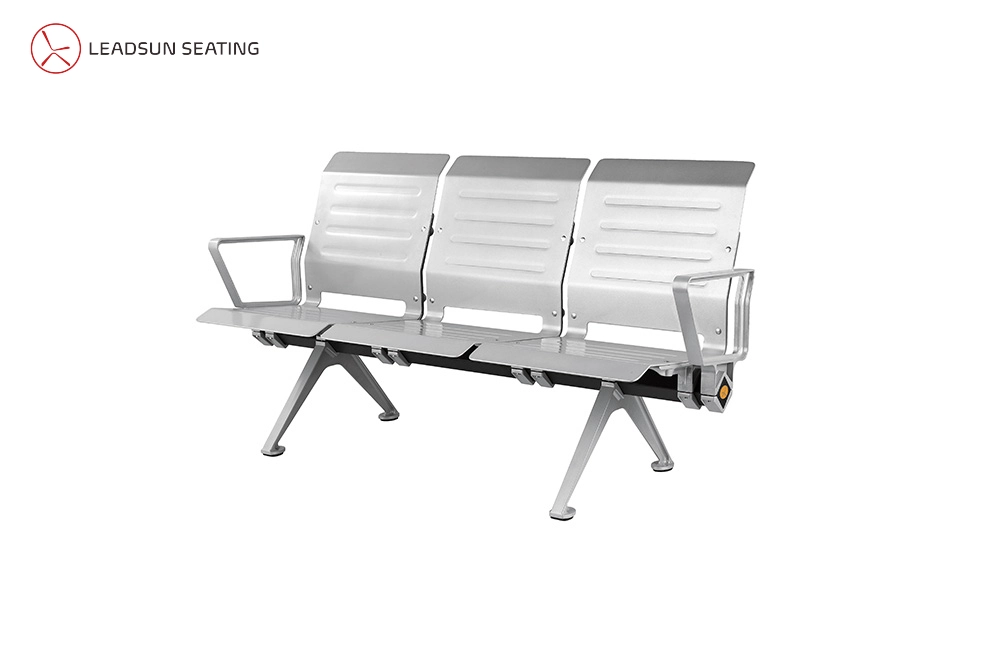
LS-529AL Aluminum Ergonomic Waiting Chairs | Modular & Durable Seating by Leadsun Seating
Leadsun's LS-529AL aluminum ergonomic waiting chairs offer customizable lobby seating solutions. These durable office chairs provide modern waiting area solutions, built for comfort and longevity. Modular design ensures flexibility.
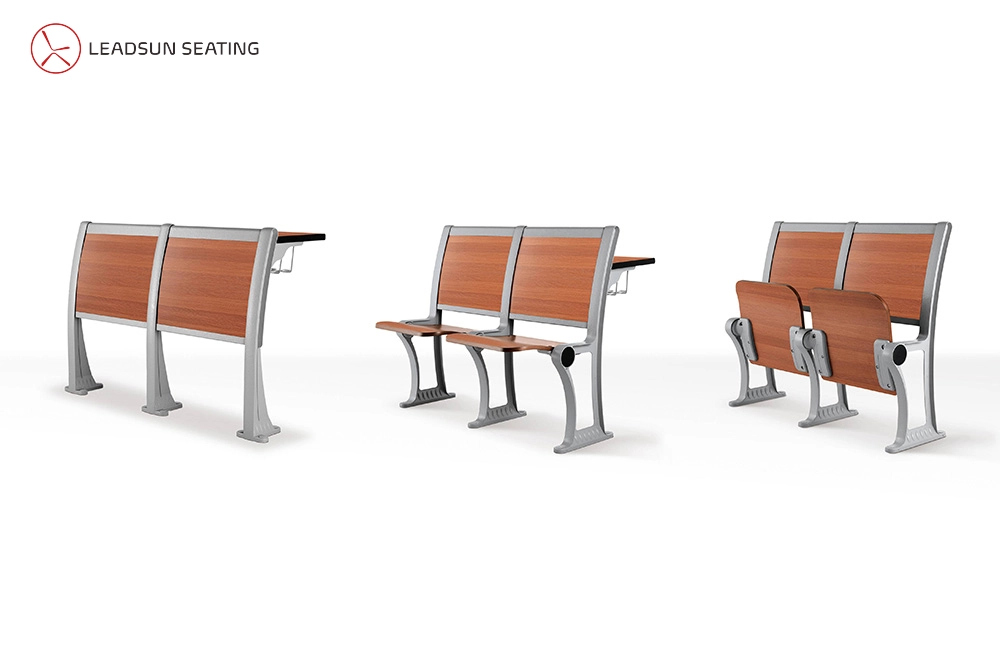
LS-908 Series Fixed Public Auditorium Chair or Tiered Classroom Solutions by Leadsun Seating
Introducing the LS-908 Series by Leadsun, your ideal solution for tiered classroom seating and fixed public auditorium chairs. Designed for comfort and durability, this series enhances audience engagement in educational and corporate settings. Discover the perfect blend of functionality and style with Leadsun Seating.
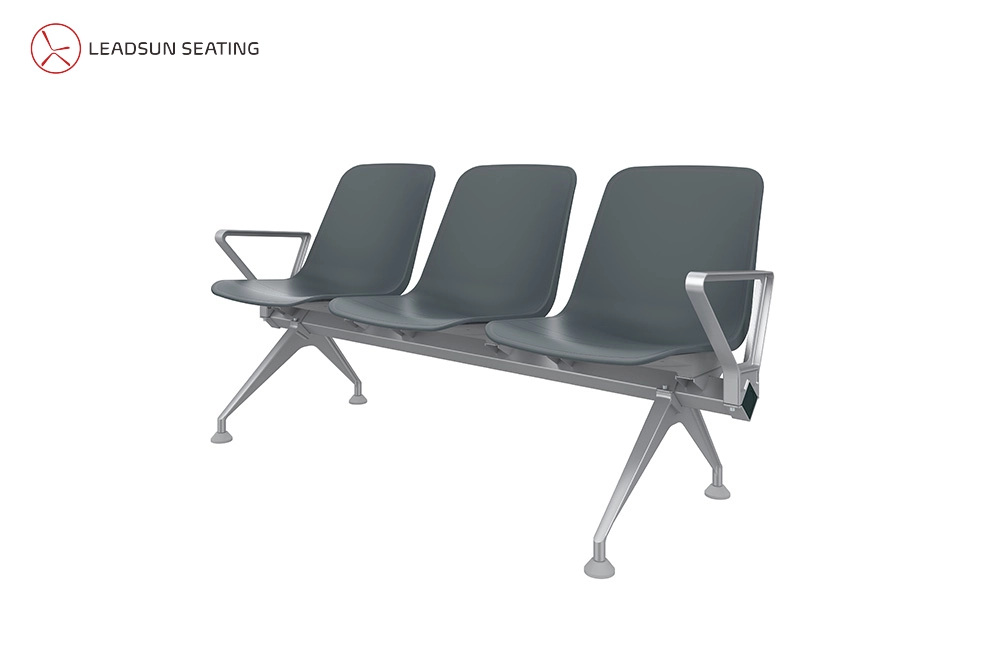
LS-550 Comfortable and Durable Waiting Chair | Customizable Waiting Chair Supplier Leadsun Seating
The LS-550 waiting chair from Leadsun offers superior comfort and durability for any public place. Customize your seating with Leadsun, a leading customizable waiting chair supplier. Ideal for high-traffic areas, the LS-550 ensures lasting performance and style.
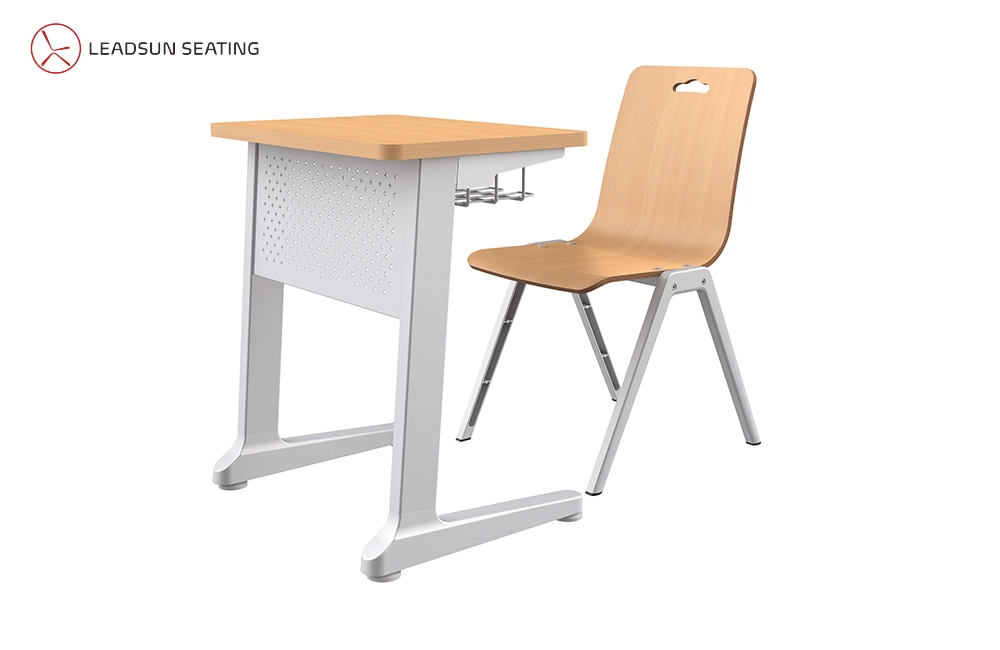
LS-9301 Single movable classroom chair |The Ultimate Flexible Solution for Modern Classrooms by Leadsun Seating
Leadsun's LS-9301 single movable classroom chair offers ultimate flexibility for modern learning environments. This activity desk and chair solution ensures comfortable and adaptable seating for students. Ideal for dynamic classrooms.
Ready for your public seating project?
We specialize in providing high-quality, customizable seating solutions for public spaces, and we are excited to assist you with your project.
Our professional team will quickly answer your questions and provide customized solutions to ensure you have a worry-free experience.

Leadsun Seating is also engaged in the design, development, production, and marketing of lightweight public seats in public places, with an annual output of desks and chairs.
 Scan QR Code