







Leadsun seating offers a wide range of seating solutions for public spaces, including benches, chairs, waiting area seating, auditorium seating, and customized solutions tailored to specific project needs.
How do antimicrobial fabrics reduce infection in waiting chairs?
2026-03-16
Practical guidance for buyers specifying waiting room chairs and lecture hall seating with antimicrobial fabrics. Six focused questions cover standards, longevity, cleaning compatibility, upholstery trade-offs, regulatory limits, and installation spacing to reduce infection risk and total cost of ownership.
- 1. Which antimicrobial standards and independent tests should I require when specifying waiting room chairs for lecture hall seating?
- 2. How long do antimicrobial treatments actually remain effective on high-traffic waiting room chairs?
- 3. How do antimicrobial fabrics reduce infection in waiting chairs?
- 4. Which cleaning chemicals and protocols will preserve antimicrobial finishes on waiting room seating while meeting infection-control goals?
- 5. For lecture hall seating purchases, what upholstery and shell materials best balance infection control, fire code compliance, acoustic comfort and durability?
- 6. How should I specify anchoring, spacing, and accessibility for waiting room chairs in lecture halls to meet ADA, egress and infection-control spacing requirements?
1. Which antimicrobial standards and independent tests should I require when specifying waiting room chairs for lecture hall seating?
Ask suppliers for lab reports that target the correct standards for the intended microbial threat and substrate. For antibacterial performance on non-porous seating components (armrests, plastic shells), request ISO 22196 (JIS Z 2801) or equivalent lab data showing log reduction percentages. For textiles, request AATCC 100 (antibacterial activity) and ISO 18184 (antiviral activity for textiles) reports. Independent third-party test reports should state: organism(s) used (S. aureus, E. coli, MS2 or influenza surrogate), initial inoculum, test method, and % reduction or log reduction.
Also ask for durability testing: post-wash or post-abrasion results demonstrating retained efficacy (see question 2). For any public-health or disease-prevention claims, require documentation of regulatory clearance — e.g., EPA registration for pesticide antimicrobial claims where applicable — and explicit marketing limits. Many antimicrobial-treated upholstery products can lawfully claim reduced microbial growth on the surface but cannot claim to protect users from disease unless they meet regulatory public-health criteria.
2. How long do antimicrobial treatments actually remain effective on high-traffic waiting room chairs?
Longevity varies by chemistry and substrate. Common chemistries include embedded silver (ionic or nanoparticle), quaternary ammonium (bound), and inorganic surfaces like copper alloys. Real-world evidence and vendor data show a wide range: some surface treatments retain >90% of initial activity for 25–50 domestic launderings, while factory-embedded or thermally bonded antimicrobial finishes can retain activity through 50–100 wash cycles or equivalent abrasion. For vinyl/PU seating, expect longer stability than loosely bound topical sprays — but always verify with supplier-supplied post-abrasion and post-cleaning lab reports.
Specify precise durability milestones in procurement documents: e.g., require AATCC 100 or ISO 22196 test results at baseline and after 25, 50 and 100 accelerated laundering or Wyzenbeek abrasion cycles (for textiles, Wyzenbeek double rubs; for heavy-duty contract fabrics, target ≥30,000–100,000 double rubs). If a product cannot provide post-cycle efficacy evidence, treat antimicrobial finish as a short-term accessory, not a core performance feature.
3. How do antimicrobial fabrics reduce infection in waiting chairs?
Antimicrobial fabrics act by inhibiting the growth or survival of microbes on the surface, reducing the microbial load on high-touch points such as armrests and seat edges. Common mechanisms include:
- Biocidal action: active ions (e.g., silver) or bound quats disrupt cell membranes or metabolic functions, causing rapid bacterial reduction detected in standardized tests (e.g., >99% reduction in AATCC 100 is common benchmark language).
- Antimicrobial surface chemistries that prevent establishment and biofilm formation, making routine cleaning more effective because microbes don’t multiply between cleanings.
- In antiviral-tested textiles (ISO 18184), treatments inactivate virus particles on contact or reduce recoverable viral titers, lowering the chance of transfer from surface to hand.
Important operational note: antimicrobial upholstery is an adjunct to — not a replacement for — routine cleaning and disinfection. CDC and infection-prevention experts view treated surfaces as part of a multi-layer strategy (design, cleaning protocols, ventilation, and hand hygiene). In practice, antimicrobial surfaces reduce transient contamination and slow recontamination, lowering the bioburden between scheduled disinfections and reducing cross-transfer risk in high-traffic campus lecture halls and reception areas.
4. Which cleaning chemicals and protocols will preserve antimicrobial finishes on waiting room seating while meeting infection-control goals?
Cleaning protocol selection affects both infection control and the service life of finishes. Best practice is to require supplier-provided chemical compatibility matrices. General guidance:
- Use EPA-registered hospital-grade disinfectants on the EPA List N (for SARS-CoV-2) or other CDC-recommended agents for the target pathogen class, but confirm compatibility: strong oxidizers (concentrated bleach) and aggressive solvents can degrade some finishes and reduce antimicrobial efficacy.
- Hydrogen-peroxide-based disinfectants and quaternary ammonium compounds (quats) are often compatible with many antimicrobial-treated vinyls and polymeric coatings; check vendor data. Some silver-based finishes remain stable with common disinfectants but may show reduced activity after repeated exposure to high-concentration bleach.
- Define contact times, frequency, and a two-step regimen where dirt/soil is removed before disinfection; follow manufacturer cleaning guidance to avoid warranty voidance.
Specify required documentation: ask suppliers for a recommended cleaning schedule, a list of approved disinfectants (brand and active ingredients), and accelerated-cleaning simulation data showing performance after X chemical exposures. This reduces surprise replacement costs and preserves infection-control benefits.
5. For lecture hall seating purchases, what upholstery and shell materials best balance infection control, fire code compliance, acoustic comfort and durability?
Making trade-offs across four axes is the core procurement challenge for lecture hall seating used as waiting room chairs or reception seating:
- Infection control: non-porous surfaces (medical-grade vinyl, TPE, coated fabrics) are easiest to disinfect. Antimicrobial-treated textiles add protection but are porous—select performance-rated, vinyl-like coated fabrics for highest cleanability in high-touch zones (armrests, seat edge).
- Fire compliance: require fabrics that meet NFPA 701 or ASTM E84 where applicable and California TB117-2013 compliance for upholstered seating. Suppliers should supply test reports indicating flame spread and smoke development indexes when requested.
- Acoustics & comfort: woven textiles offer better sound absorption (helpful in lecture halls) and greater breathability for long sessions. If acoustic performance matters, specify NRC targets for the room and consider mixed-spec seating—textile backs for acoustic absorption with coated, easily disinfectable arm and seat edges.
- Durability: for heavy contract use (lecture halls, campus waiting areas), require upholstery rated in the Wyzenbeek test at 30,000–100,000 double rubs depending on expected traffic. Foam density and resilience matter: specify high-resiliency foam (HR) and densities 2.0–3.0 lb/ft3 for long-term comfort and shape retention.
Ask for a prototype sample with lab-backed cleaning/durability data and request an on-site mock-up to validate acoustic, ergonomic and egress performance before bulk purchase.
6. How should I specify anchoring, spacing, and accessibility for waiting room chairs in lecture halls to meet ADA, egress and infection-control spacing requirements?
Fixed seating in lecture halls and multi-use waiting zones must comply with ADA and local building codes (IBC, NFPA) and also be planned to support infection-control strategies such as cohort separation and improved maintenance access. Practical specifications:
- Accessibility: follow 2010 ADA Standards for Accessible Design — include the required number of wheelchair locations and companion seats distributed across price and sight lines. Verify wheelchair platform sizes and reach ranges with the architect so that fixed seating aisles and rows do not block required accessible paths.
- Egress and aisle width: comply with local IBC and NFPA codes for aisle width and occupant load. Typical modern lecture seating row-to-row pitch is 32–36 for standard layouts; for accessible rows or when specifying increased cleaning access, plan 36–42 to allow staff to disinfect between sessions without crowding.
- Anchoring & modularity: specify anchoring hardware rated to local seismic codes and a modular linking system allowing removal of sections for deep cleaning or reconfiguration. Pick models with replaceable arm caps and aisle panels to reduce downtime and lifecycle cost.
Include a site survey requirement in procurement: final spacing and anchoring detail should be signed off by a licensed architect or engineer to guarantee compliance with exit routes and ADA sight-line requirements.
Concluding summary: Integrating antimicrobial fabrics and appropriate materials into waiting room chairs for lecture hall and campus environments reduces surface bioburden and supports infection control when combined with documented cleaning protocols, verified standards testing (AATCC 100, ISO 22196, ISO 18184), and durable upholstery (Wyzenbeek/Martindale ratings). Prioritize supplier transparency: require baseline and post-wear antimicrobial lab results, a chemical-compatibility list for approved disinfectants, fire-code compliance documentation, and accessibility/egress sign-off. This approach minimizes downtime, lowers lifecycle costs, and improves occupant safety and comfort.
Contact us for a custom quote and specification review: www.leadsunseating.com • [email protected]
Recommended for you

15 Best Office Waiting Room Chairs of 2026: The Ultimate Comfort & Style Guide

The Future of Reception Areas: 10 Modern Waiting Room Chair Trends to Watch in 2026

Airport Seating Reimagined: The 2026 Global Guide to Terminal Comfort and Design

7 Costly Mistakes Facilities Managers Make When Specifying Commercial Bench Seating

Commercial Beam Seating Solutions for High-Traffic Public Spaces
Prdoucts Categories
FAQ
FAQs
What materials are used in the production of your public seating?
We use a variety of durable materials such as stainless steel, aluminum, wood, high-quality upholstery, and advanced polymers to ensure that our seating solutions are both functional and long-lasting.
Are your products compliant with safety and accessibility standards?
-
Absolutely. All of our seating solutions comply with relevant safety regulations and accessibility standards, ensuring comfort and safety for all users, including those with special needs.
-
What is the lead time for custom seating orders?
The lead time for custom seating orders varies depending on the complexity of the design and the order size. Typically, it takes 4-6 weeks for production, with shipping times depending on your location.
What types of public seating solutions does Leadsun seating provide?
One Stop Airport Terminal Seating
What is the one-stop airport terminal lounge seating solution?
This solution covers the entire process, from initial needs assessment, personalized design, and professional manufacturing, to installation, delivery, and after-sales maintenance. It offers an integrated seating configuration service for airports, eliminating the need for coordinating with multiple parties.
You may also like
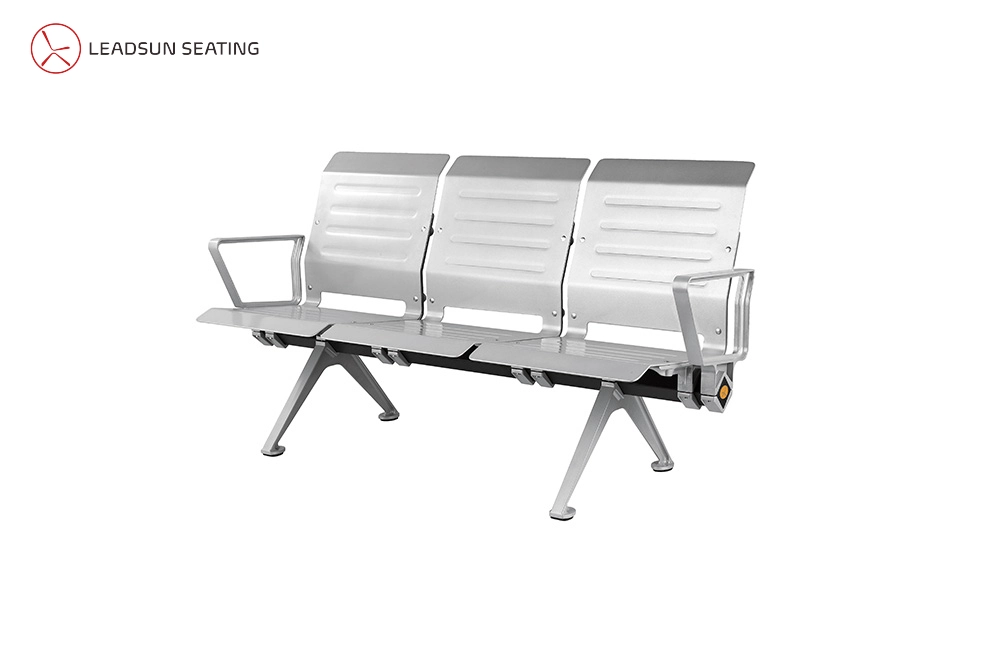
LS-529AL Aluminum Ergonomic Waiting Chairs | Modular & Durable Seating by Leadsun Seating
Leadsun's LS-529AL aluminum ergonomic waiting chairs offer customizable lobby seating solutions. These durable office chairs provide modern waiting area solutions, built for comfort and longevity. Modular design ensures flexibility.
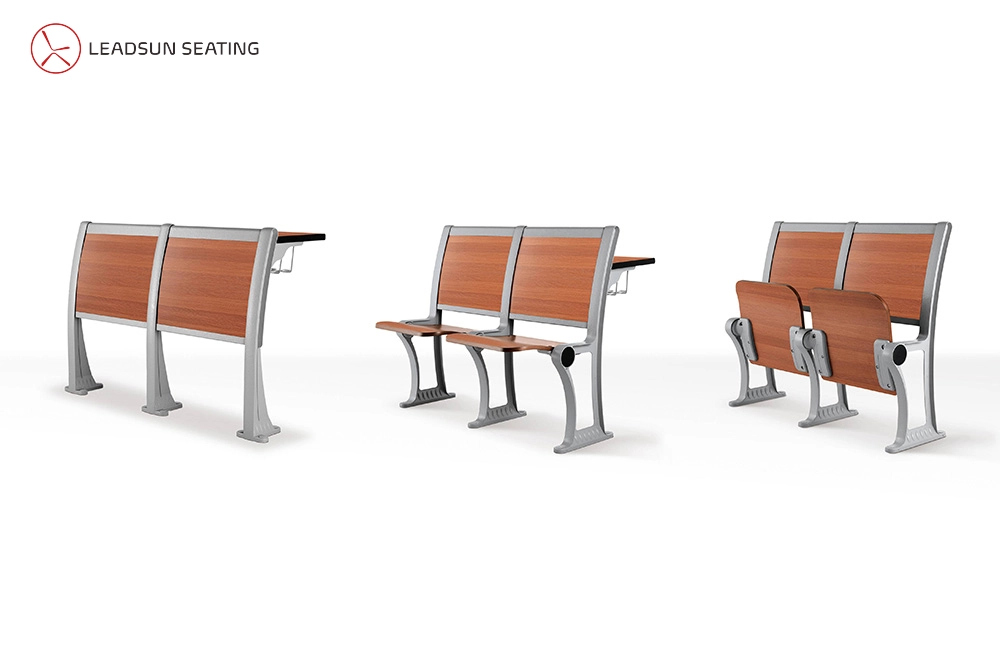
LS-908 Series Fixed Public Auditorium Chair or Tiered Classroom Solutions by Leadsun Seating
Introducing the LS-908 Series by Leadsun, your ideal solution for tiered classroom seating and fixed public auditorium chairs. Designed for comfort and durability, this series enhances audience engagement in educational and corporate settings. Discover the perfect blend of functionality and style with Leadsun Seating.
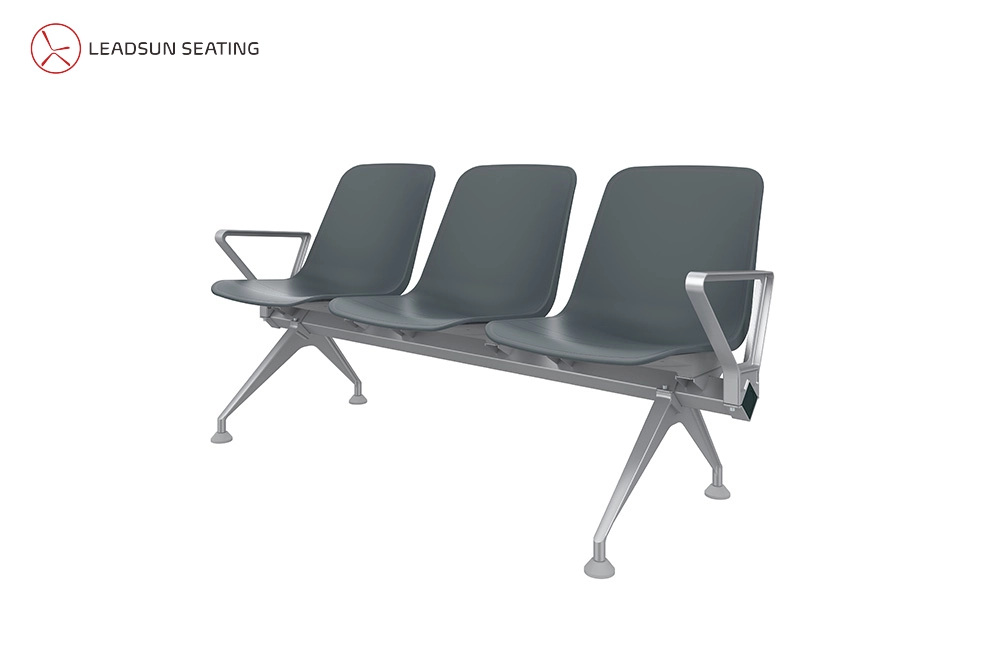
LS-550 Comfortable and Durable Waiting Chair | Customizable Waiting Chair Supplier Leadsun Seating
The LS-550 waiting chair from Leadsun offers superior comfort and durability for any public place. Customize your seating with Leadsun, a leading customizable waiting chair supplier. Ideal for high-traffic areas, the LS-550 ensures lasting performance and style.
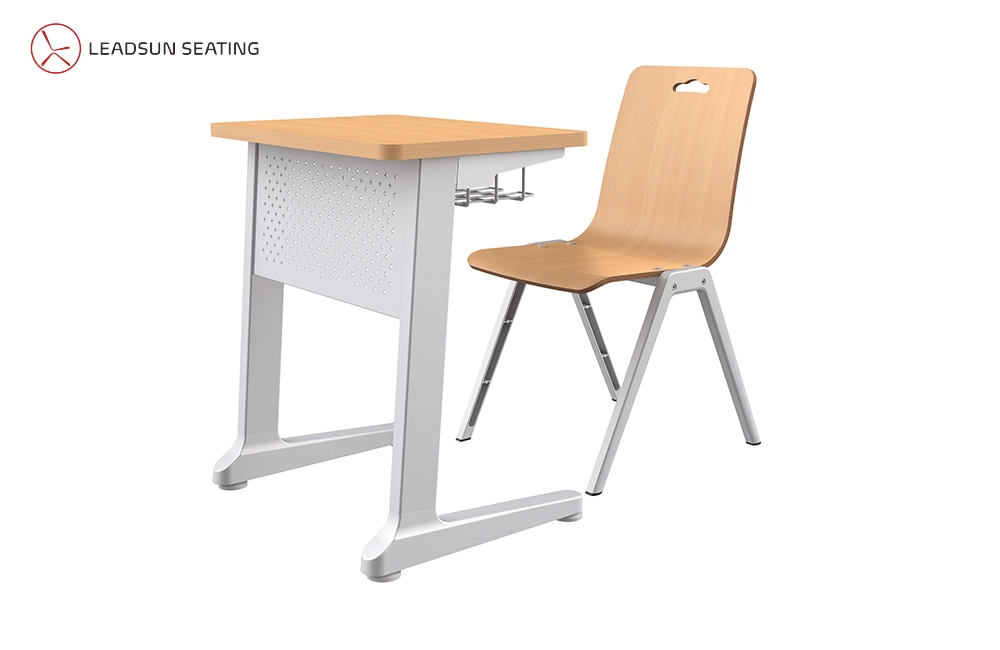
LS-9301 Single movable classroom chair |The Ultimate Flexible Solution for Modern Classrooms by Leadsun Seating
Leadsun's LS-9301 single movable classroom chair offers ultimate flexibility for modern learning environments. This activity desk and chair solution ensures comfortable and adaptable seating for students. Ideal for dynamic classrooms.
Ready for your public seating project?
We specialize in providing high-quality, customizable seating solutions for public spaces, and we are excited to assist you with your project.
Our professional team will quickly answer your questions and provide customized solutions to ensure you have a worry-free experience.

Leadsun Seating is also engaged in the design, development, production, and marketing of lightweight public seats in public places, with an annual output of desks and chairs.
 Scan QR Code