







What is ergonomic design for waiting room chairs?
- 1. How do I calculate optimal seat pitch and sightline (C-value) for waiting room chairs in a lecture hall so every attendee can see the stage without neck strain?
- 2. What exact ergonomic seat dimensions (height, depth, lumbar support size) should I require for mixed-age waiting room chairs used in lecture halls to reduce discomfort during sessions over 90 minutes?
- 3. How do I choose upholstery and foam density for waiting room chairs in high-traffic lecture halls to balance comfort, infection control and fire safety?
- 4. What anchoring, ganging and modular options should I request to meet ADA accessibility and egress rules while allowing flexible reconfiguration of lecture hall waiting room seating?
- 5. How to estimate lifecycle cost and maintenance schedule for waiting room chairs in lecture halls (cleaning, reupholstery, parts replacement) to justify purchase to facilities managers?
- 6. What test standards and certifications (fire, BIFMA, ISO) should I require from manufacturers of ergonomic waiting room chairs for public lecture halls?
Waiting Room Chairs: What Is Ergonomic Design for Lecture Hall Seating?
When procuring waiting room chairs for lecture halls, conference centers or auditoriums you need more than attractive seating — you need ergonomic seating solutions that satisfy sightlines, accessibility, infection control, fire safety and lifecycle cost constraints. Below are six specific, practitioner-focused questions often missing deep answers online, followed by practical, standards-informed answers to help facilities managers, architects and procurement teams make right-first-time purchases.
1. How do I calculate optimal seat pitch and sightline (C-value) for waiting room chairs in a lecture hall so every attendee can see the stage without neck strain?
Why it matters: Poor sightlines cause audience fatigue, neck strain and negative feedback. Seat pitch (row spacing) and the auditorium C-value together determine whether attendees can see the presenter or screen without obstruction.
What to specify:
- Seat pitch (row-to-row centerline): For lecture halls where audiences remain seated for 60–120+ minutes, target a pitch of 850–950 mm (33.5–37.4 in) for standard fixed seating to balance capacity and comfort. Wider pitches (950–1,100 mm) are recommended for longer sessions or greater legroom.
- C-value (clear sightline): The C-value measures vertical clearance of a viewer’s eye over the head of a person in the row in front. Industry practice targets a minimum C-value of 100–120 mm for acceptable sightlines; 120 mm or higher is preferable where direct sight of a lectern or screen is critical. The higher the C-value, the easier it is for people to view without neck extension.
How to calculate practically:
- Set your desired viewer eye height above seat (standard: 1,180–1,200 mm from floor to seated eye for adult populations; use 1,150 mm for elderly audiences). Adjust if audience demographics differ.
- Define riser height between rows (common riser: 130–200 mm). C-value = vertical difference between seated eye height lines for consecutive rows minus the head height of the person in front (usually 50–70 mm assumed). Use sightline software or the theater sightline formula in your CAD tool to test variants.
- Iterate: If C-value <100 mm, increase riser or pitch; if capacity is constrained, consider staggered seating, slimmer seatbacks or raised platform areas rather than reducing C-value.
Practical tip: When specifying waiting room chairs for multi-use lecture halls, request manufacturer sightline drawings for your exact row spacing and seat back height so you can verify C-values and sightlines before purchase.
2. What exact ergonomic seat dimensions (height, depth, lumbar support size) should I require for mixed-age waiting room chairs used in lecture halls to reduce discomfort during sessions over 90 minutes?
Why it matters: Dimension mismatches are the root cause of pressure points, slouching and restlessness. For a mixed demographic you must balance adult averages with accommodations for smaller/older users.
Recommended specification ranges (commercial-grade, for lecture halls):
- Seat height: 405–485 mm (16–19 in). 430–460 mm is a good compromise for mixed-age adult audiences. For elderly-focused venues, favor the higher end for easier stand-up transfer.
- Seat depth (usable): 380–450 mm (15–18 in). Ensure the front 40–50 mm is a waterfall edge to reduce pressure behind knees. Adjustable depth is rare for fixed public seating; choose a depth around 400–430 mm for universal fit.
- Seat width (per person): 480–550 mm (19–22 in) depending on expected audience and capacity goals. For lecture halls that prioritize comfort over maximum capacity, 520–550 mm is recommended.
- Backrest height and lumbar support: Back height (from seat pan to top) 300–450 mm (12–18 in). Provide 25–35 mm of outward lumbar contour at 200–300 mm above seat pan to support the natural lumbar curve. If using full-height backs, ensure adequate lower-back contour without forcing an upright posture.
- Armrests: Height 200–260 mm above seat pan; width and clearance to allow easy transfer in/out. Provide fixed or flip-up tablet-arm options as needed for lecture note-taking.
Verification: Ask manufacturers for anthropometric fit data and third-party ergonomic testing reports. Consider a small pilot run with representative users to validate comfort for 90–120 minute sessions before full procurement.
3. How do I choose upholstery and foam density for waiting room chairs in high-traffic lecture halls to balance comfort, infection control and fire safety?
Why it matters: The right upholstery and foam decisions affect durability, cleaning costs, infection-control protocols, and compliance with fire codes. Wrong choices increase long-term costs and risk.
Material guidance:
- Upholstery material: For high-traffic public waiting room chairs choose commercial-grade fabrics or vinyls with anti-microbial finishes. Vinyl and coated fabrics are easiest to disinfect (bleach-compatible options exist), whereas high-performance woven textiles (polyester blends) offer breathability and stain resistance. Prioritize fabrics rated for commercial abrasion (double rubs >100,000 Martindale or Wyzenbeek tests) when possible.
- Foam density and resilience: Use high-resilience (HR) polyurethane foam with densities of 38–48 kg/m3 (approx. 2.4–3.0 lb/ft3) for seat cores in lecture halls where seating is continuous and heavy. Softer comfort layers may be lower density, but the structural foam must withstand prolonged use. Higher density improves shape retention and increases service life.
- Cleaning and infection control: Specify upholstery that tolerates hospital-grade disinfectants if the venue requires deep cleaning. Ask for manufacturer guidance on approved cleaners to avoid degrading flame-retardant treatments.
- Fire safety: Require compliance with applicable fire-retardancy tests: for the U.S., TB117-2013 (upholstery smolder resistance) is commonly referenced; NFPA 260/261 testing may also be required depending on jurisdiction. For the UK, ask for BS 5852 compliance. Manufacturers should provide certificates for the intended market.
Procurement checklist: Request sample swatches and a durability spec sheet, soak/clean testing results, foam density numbers, and fire-certification documentation. Budget modestly higher for fabrics that lower cleaning/time costs in the long run.
4. What anchoring, ganging and modular options should I request to meet ADA accessibility and egress rules while allowing flexible reconfiguration of lecture hall waiting room seating?
Why it matters: Lecture halls must balance fixed seating for efficient sightlines with the need for accessible seating, clear egress aisles and occasional reconfiguration for events.
Key features to require:
- Ganging and modular frames: Specify seats that can be ganged (linked) securely into continuous rows yet allow end-cap removal or replacement. Ganging rails should be corrosion-resistant steel/aluminum and permit mechanical demounting for repairs.
- Anchoring: Provide options for floor-anchored fixed seating and removable anchoring for modular systems. Anchors should meet local building code load requirements and allow seating to be bolted down on risers or flat floors as required.
- ADA and accessible spaces: Ensure the seating layout includes designated wheelchair spaces and companion seats on accessible routes. Confirm local code for the required number and distribution of accessible spaces. Design at least some flexible areas where ganged sections can be removed to create wheelchair positions without disrupting sightlines.
- Tip-up or retractable seats: For multi-use lecture halls, tip-up seats with positive locking and soft-close mechanisms increase aisle clearance and ease of cleaning. Verify that tip-up action meets BIFMA durability tests if applicable.
- Row numbering and aisle configuration: Ask for built-in row numbering and mounting points for aisle lights or end-of-row arms to improve egress and wayfinding during events.
Practical compliance advice: Always coordinate seating ganging and anchoring with your architect to confirm egress path widths, riser heights and accessible routes comply with NFPA 101 Life Safety Code, ADA Standards, or your local equivalents. Request a seating plan from the manufacturer demonstrating compliance before installation.
5. How to estimate lifecycle cost and maintenance schedule for waiting room chairs in lecture halls (cleaning, reupholstery, parts replacement) to justify purchase to facilities managers?
Why it matters: Initial purchase price is only part of the total cost of ownership. Facilities teams need predictable maintenance budgets and knowledge of expected service life.
Estimating lifecycle cost — a practical approach:
- Define expected service life: For commercial lecture-hall seating expect 7–15 years depending on usage intensity and build quality. Heavy-use lecture halls should plan on 8–12 years for seat cores before major refurbishment.
- Annual maintenance tasks and frequency: Weekly/biweekly spot cleaning, quarterly deep-clean (upholstery extraction or wipe-down depending on fabric), and annual inspection for loose fixings, ganging hardware and wear. Document part replacement intervals: tip-up mechanisms (5–10 years), armrests and end caps (7–12 years), upholstery (7–12 years depending on abrasion).
- Cost model example: Purchase price per seat + annual maintenance (cleaning chemicals/staff hours + small parts) + periodic reupholstery/refurbishment. Example: If seat costs $250, annual maintenance $15, and reupholstery $120 at year 8, the 12-year TCO per seat becomes $250 + (12*$15) + $120 = $550, or ~$46/year. Adjust numbers to your market.
- Warranties and spare parts: Negotiate a parts and service agreement (3–10 year warranty on frame and mechanism, 1–5 year on upholstery and finishes). Order a spare-parts kit (5–10% of seats) to reduce downtime.
Decision-useful outputs: Produce a 10-year TCO spreadsheet for stakeholders showing purchase, maintenance, refurbishment and disposal costs; highlight non-monetary benefits like reduced sick-time from improved ergonomic seating if data is available locally.
6. What test standards and certifications (fire, BIFMA, ISO) should I require from manufacturers of ergonomic waiting room chairs for public lecture halls?
Why it matters: Certifications demonstrate that seating meets recognized performance, safety and durability benchmarks. Requiring them reduces procurement risk and simplifies regulatory review.
Standards commonly requested:
- BIFMA standards: BIFMA X5.1 (General-purpose office chairs) and BIFMA G1 guidance (ergonomics) are widely recognized in North America. While BIFMA is office-focused, many manufacturers apply these durability tests to public seating components.
- ISO and ergonomics: ISO 9241 series covers ergonomics of human-system interaction; parts related to seating surfaces and anthropometry inform ergonomic design. Request manufacturer alignment with relevant ergonomic recommendations.
- Fire and flammability tests: Require evidence of compliance with jurisdictional fire tests — TB117-2013 in the United States for upholstery smoldering resistance, NFPA/AS standards as required, BS 5852 in the UK, or other national standards. Ask for certificates and test reports for the exact upholstery and foam combinations supplied.
- Durability tests: Require results from cyclic testing of tip-up mechanisms, seat pans, ganging hardware and armrests. Manufacturers should supply test cycles and pass/fail data (e.g., 200,000 cycles for busy public seating is a common benchmark for mechanisms).
- Infection-control and chemical resistance: Request cleanability reports indicating compatibility with common disinfectants (e.g., 0.1% sodium hypochlorite or alcohol-based cleaners) to preserve anti-microbial treatments and upholstery warranty.
Procurement clause: Include a requirement that manufacturer submit third-party test reports and certificates for each standard claimed. Avoid accepting self-declared compliance without documentation.
Final procurement checklist (quick): required seat dimensions, C-value verification, upholstery and foam density specs, fire-certificates for region, ganging & anchoring options with ADA-compliant layouts, warranty & spare-parts commitments, and a 10-year TCO estimate.
Choosing the correct waiting room chairs and specifying ergonomic design for lecture hall seating reduces complaints, increases audience focus, and lowers lifecycle cost. For tailored drawings, sightline calculations and factory-certified samples, contact us for a quote and project consultation: www.leadsunseating.com or [email protected].

15 Best Office Waiting Room Chairs of 2026: The Ultimate Comfort & Style Guide

The Future of Reception Areas: 10 Modern Waiting Room Chair Trends to Watch in 2026

Airport Seating Reimagined: The 2026 Global Guide to Terminal Comfort and Design

7 Costly Mistakes Facilities Managers Make When Specifying Commercial Bench Seating

Commercial Beam Seating Solutions for High-Traffic Public Spaces
FAQs
How can I request a quote for a seating project?
You can easily request a quote by contacting our sales team through our website or by email. Provide details about your project, including the quantity and specific requirements, and we will get back to you with a tailored quote.
What maintenance is required for your seating solutions?
The maintenance required depends on the material and location of the seating. Generally, regular cleaning and periodic inspections are recommended. We provide maintenance guidelines with each product to ensure long-term durability.
One Stop Airport Terminal Seating
Can the solution meet the needs of airports of different sizes?
Whether it’s a small regional airport or a large international hub, we can customize the seating types and layout plans according to passenger flow, terminal area size, and functional positioning. This ensures we flexibly meet the requirements of all types of airports.
How do you ensure seat installation doesn't disrupt airport operations?
We’ll develop a detailed installation plan, giving priority to non-peak hours for construction. We also use a modular installation approach to minimize any impact on airport operations.
Are the seat materials durable? What's the lifespan?
We use high-strength, wear-resistant, and easy-to-clean premium materials, such as stain-resistant flame-retardant fabrics and rust-proof alloy frames. Under normal use, the seats can last 5 - 8 years.
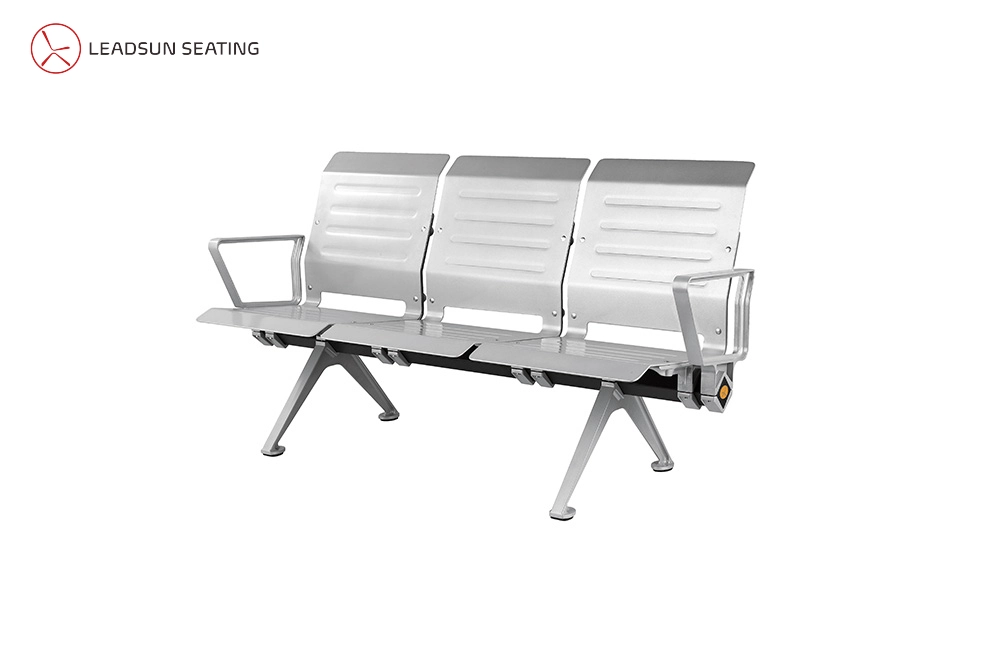
LS-529AL Aluminum Ergonomic Waiting Chairs | Modular & Durable Seating by Leadsun Seating
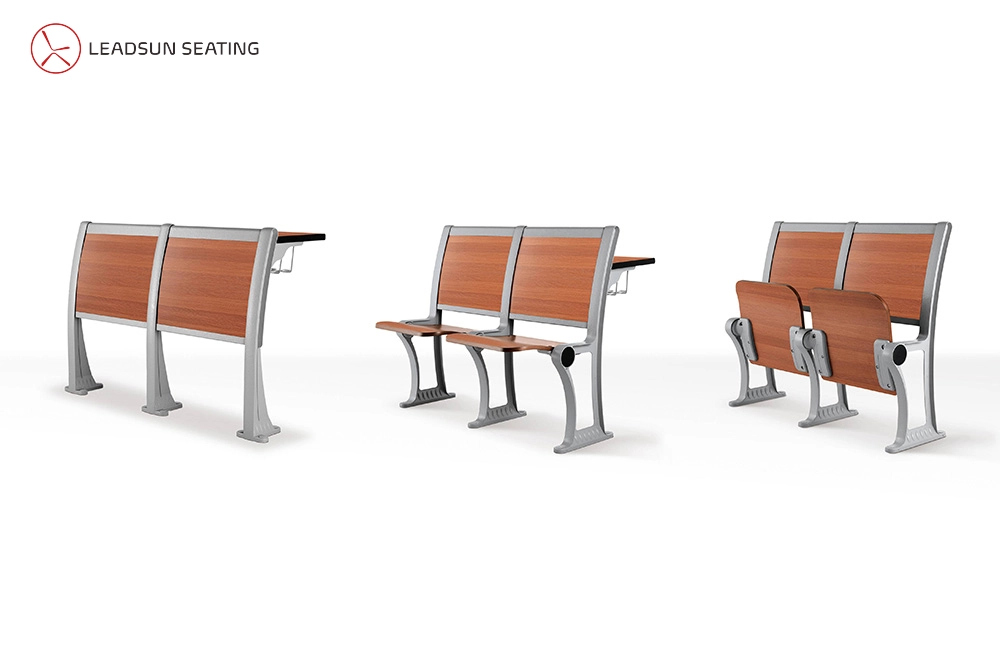
LS-908 Series Fixed Public Auditorium Chair or Tiered Classroom Solutions by Leadsun Seating
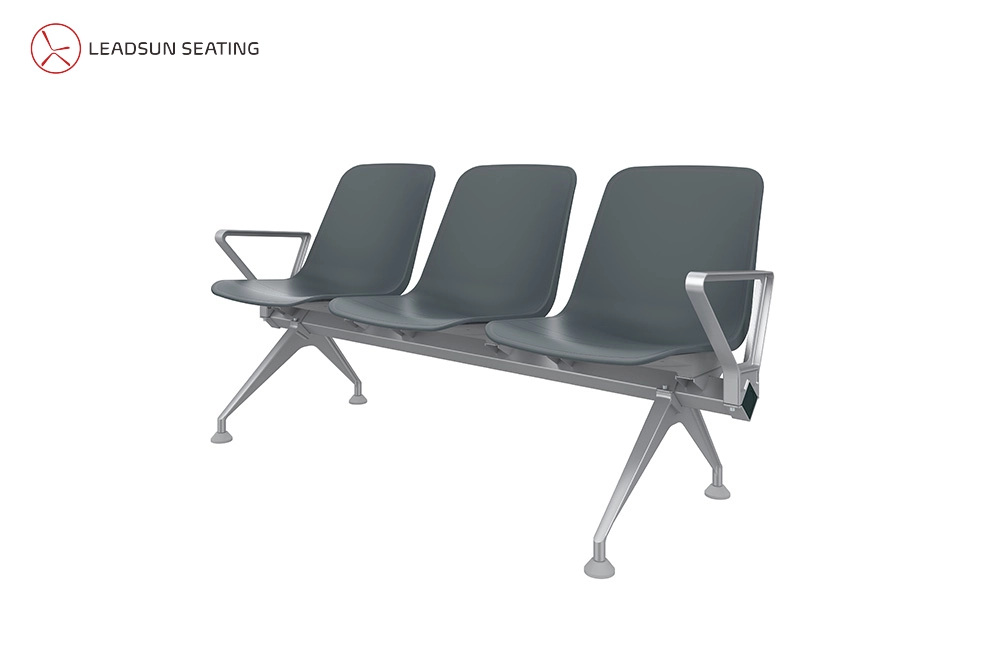
LS-550 Comfortable and Durable Waiting Chair | Customizable Waiting Chair Supplier Leadsun Seating
The LS-550 waiting chair from Leadsun offers superior comfort and durability for any public place. Customize your seating with Leadsun, a leading customizable waiting chair supplier. Ideal for high-traffic areas, the LS-550 ensures lasting performance and style.
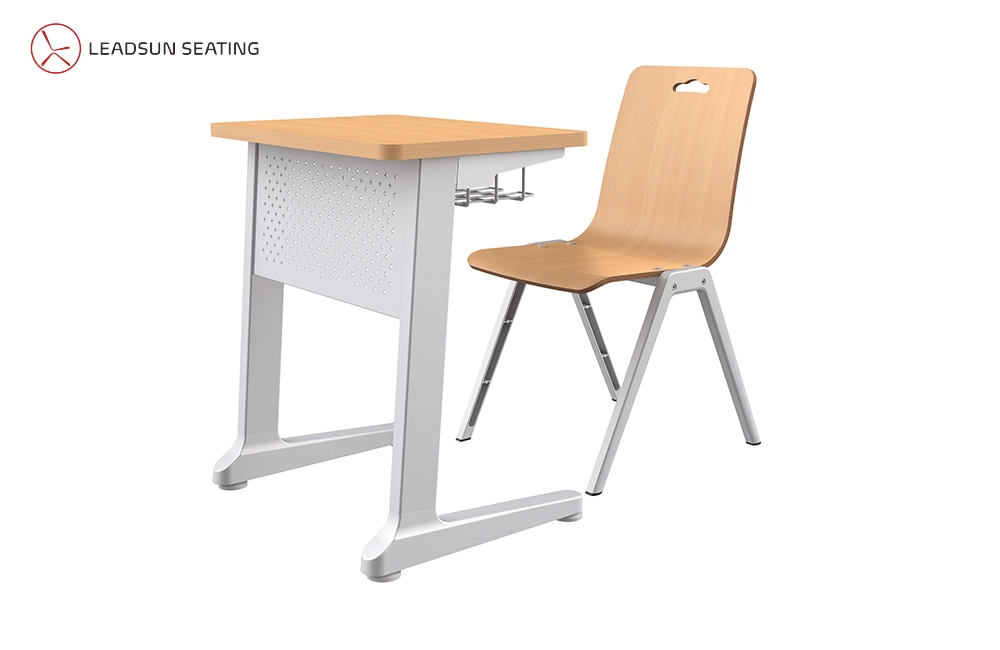
LS-9301 Single movable classroom chair |The Ultimate Flexible Solution for Modern Classrooms by Leadsun Seating
Ready for your public seating project?
We specialize in providing high-quality, customizable seating solutions for public spaces, and we are excited to assist you with your project.
Our professional team will quickly answer your questions and provide customized solutions to ensure you have a worry-free experience.

Leadsun Seating is also engaged in the design, development, production, and marketing of lightweight public seats in public places, with an annual output of desks and chairs.
 Scan QR Code