







Why are modular airport seating systems cost-effective?
- 1. How do modular seating systems for lecture halls compare to fixed cantilever seating in lifecycle costs?
- 2. What hidden costs should I budget for when specifying lecture hall seating (fire treatment, acoustic treatments, platforms, wheelchair platforms)?
- 3. How do I ensure modular lecture hall seating meets local fire and accessibility codes without overspecifying?
- 4. Which upholstery materials reduce long-term maintenance yet meet acoustic and flammability needs in high-traffic lecture halls?
- 5. Can modular seating be reconfigured later to change room capacity and what are realistic constraints?
- 6. How do modular systems integrate AV, power, and data (USB/power) in lecture halls compared to traditional seating?
- Concluding summary: Advantages of modular lecture hall seating informed by airport seating practices
Why Modular Airport Seating Principles Make Lecture Hall Seating More Cost‑Effective
When purchasing lecture hall seating, procurement teams increasingly borrow design and procurement practices from airport seating — modularity, standardized bench modules, durable upholstery, and integrated power/data — to reduce total cost of ownership. Below are six specific beginner questions that often have only surface-level answers online, followed by actionable, industry-grounded guidance for specifying and buying lecture hall seating.
1. How do modular seating systems for lecture halls compare to fixed cantilever seating in lifecycle costs?
Beginners often evaluate only initial unit price. Lifecycle cost comparison must include five categories: initial procurement and installation, maintenance and cleaning, mid-life repairs and reupholstery, reconfiguration/retrofit costs, and end-of-life disposal or resale.
Why modular wins in many real-world projects:
- Installation labor: Modular bench or row modules ship preassembled and bolt to subframes. That reduces on-site labor hours and sequencing complexity versus installing many individual cantilever chairs.
- Maintenance and targeted repair: Modules allow you to replace or service a limited section (seat module, armrest, or power strip) rather than removing entire rows. This lowers downtime and parts inventory needs.
- Reupholstery and refresh: Modular seating is designed for panel-level access, making periodic fabric or foam replacement faster and cheaper than bespoke fixed seats.
- Reconfiguration value: If seating needs change (capacity increase, new AV sightlines, accessibility upgrades), modular blocks are easier to move or swap than permanently anchored cantilever systems.
- Standardization reduces spare parts: Using standardized brackets, end caps, and power modules—common in airport seating—simplifies spares management and reduces SKU proliferation.
Actionable step: Ask suppliers to provide a simple lifecycle cost worksheet that separates initial cost, expected maintenance frequency, and estimated downtime cost per repair. Compare scenarios for 5–15 years. Even without exact numbers, the qualitative savings from reduced labor and targeted repair are often decisive.
2. What hidden costs should I budget for when specifying lecture hall seating (fire treatment, acoustic treatments, platforms, wheelchair platforms)?
Hidden costs frequently overlooked by first-time buyers include compliance treatments, substrate work, site-specific installation extras, and integrated services.
Commonline items:
- Fire and flammability treatments: High-traffic public seating typically requires foam and fabrics that meet local fire-safety requirements. Budget for certified flame-retardant foams or fabric treatments if the base upholstery doesn't comply.
- Acoustic integration: Seats with hard backs or metallic frames can reflect sound. Acoustic panels, absorption behind seating tiers, or upholstered full backs add to cost but improve speech intelligibility and AV performance.
- Accessibility platforms and ramps: ADA/accessible seating platforms, companion seating, and railings add material and labor costs. Early planning reduces expensive retrofits.
- Power/data trunking: Integrated power strips, floor raceways, and conduit for data lines must often be coordinated with mechanical/electrical contractors and can require floor core-drilling or trenching if not planned.
- Removal and disposal: If replacing existing seating, deconstruction, hazardous-waste handling (older foams/fabrics), and disposal or recycling carry costs.
Actionable step: During RFQs, request that vendors list compliance and site-prep items separately and provide a sample scope of work that aligns with your facility’s building services and fire authority requirements. Include allowances for acoustic treatment and accessible seating in your budget line-items.
3. How do I ensure modular lecture hall seating meets local fire and accessibility codes without overspecifying?
Beginners often either under-specify (risking noncompliance) or over-specify (paying for unnecessary features). The practical approach is requirements-driven specification.
Steps to follow:
- Identify applicable codes early: Confirm which national and local codes apply (e.g., building code, fire code, accessibility standards). Use your authority having jurisdiction (AHJ) or in-house compliance manager.
- Request test documentation: For each seat type, ask suppliers for current test reports and certificates (flame retardancy, smoke/toxicity if required, structural strength/durability). Manufacturers that supply airport seating and terminal seating often have these documents available for audit.
- Specify only what the code requires: Where codes require FR rating or accessibility dimensions, call out those minimums rather than brand-specific materials. This prevents bidders from proposing overly expensive proprietary systems.
- Include installation tolerances: Define tolerances for anchorage, row spacing, and aisle widths so installers don’t substitute with non-compliant fasteners.
- Field verification: Make staged inspections part of the contract (anchor torque checks, accessible seat sightlines, finished fabric smoke tests when applicable).
Actionable step: Incorporate a compliance checklist into your RFQ and require suppliers to return the completed checklist with attachments. That short form typically saves time during AHJ reviews.
4. Which upholstery materials reduce long-term maintenance yet meet acoustic and flammability needs in high-traffic lecture halls?
Upholstery choice drives cleaning cycles, replacement frequency, and acoustic performance. For lecture halls (and waiting-area applications in airports) the best choices balance durability, cleanability, comfort, and compliance.
Material options and trade-offs:
- Vinyl/PU-coated fabrics: Very cleanable and durable for spill-prone environments. Modern polyurethane (PU) coated textiles can look like fabric but wipe clean — good for spill resistance and antimicrobial finishes. Check for breathability and comfort if classes are long.
- Crypton or performance polyester blends: Engineered to resist staining and microbial growth while providing better breathability and a softer hand than vinyl. Often used in high-traffic public seating.
- Wool blends: Naturally fire-resistant and good acoustically, but more expensive and may require professional cleaning.
- Foam cores: Use high-resilience foam with documented flame performance. Replaceable seat cushions reduce the need to replace whole seats.
Acoustic considerations: Upholstered seat backs and fabric-wrapped panels reduce mid/high frequency reflections compared with hard plastic backs. If room acoustics are critical, specify full-height upholstered backs or add absorptive panels behind rows.
Actionable step: Request a maintenance schedule and cleaning guide from suppliers for the specific upholstery option. Compare expected fabric replacement intervals and cleanability protocols — easier cleaning often reduces lifecycle cost even if initial fabric cost is higher.
5. Can modular seating be reconfigured later to change room capacity and what are realistic constraints?
Buyers often expect modular means “easy to reconfigure any time.” In reality, reconfigurability has practical limits determined by anchoring methods, riser geometry, and integrated services.
Realistic constraints:
- Anchorage and floor type: If modules are through-bolted into concrete risers or fixed to a substructure, moving them requires unbolting and potentially re-drilling. Some modular systems use removable fasteners designed for easier moves — ask about reusable anchor hardware.
- Riser geometry: Modules are designed to fit riser widths and step heights. Reconfiguring capacity often means changing row counts, which can mismatch module lengths to riser widths unless modules are sized to common bin widths.
- AV, power, and data: Integrated power strips and fixed conduit constrain where modules can be placed. Futureproof by designing accessible raceways or floor boxes rather than hardwired segments.
- Sightlines and egress: Increasing capacity by adding rows can change sightlines and egress calculations; check sightline worksheets and local egress codes before reconfiguration.
Actionable step: If reconfiguration is a likely future requirement, specify modular units with standardized incremental widths (e.g., 500–600 mm modules), reusable anchorage systems, and separate cable raceways. Require the supplier to provide a reconfiguration plan and time estimate for standard moves.
6. How do modular systems integrate AV, power, and data (USB/power) in lecture halls compared to traditional seating?
Integrated power/data is a major value-add but also a frequent source of project coordination issues. Airport seating practices — with modular bench power channels and discreet power modules — translate well to lecture halls.
Integration patterns:
- Under-seat power channels: Standard in airport bench seating, these channels conceal wiring and allow plug-and-play power modules. They minimize visible clutter and ease replacement of damaged outlets.
- Row-end power towers or floor boxes: Centralized access points reduce per-seat wiring complexity. Good for lecture halls where not every seat needs a power outlet.
- USB and low-voltage data: Use manufacturer-rated modules that comply with electrical codes. Avoid tacking on consumer USB adapters without certification.
- Serviceability: Ensure power/data modules are accessible from below or from removable seat panels so repairs don’t require removing entire rows.
- Coordination with MEP: Early design coordination with electrical engineers ensures proper circuit capacity, surge protection, and emergency power considerations (if required for assistive listening or emergency systems).
Actionable step: During procurement, require a wiring diagram, a specification for outlet types, maximum load per circuit, and a maintenance access plan. Where possible, standardize on vendor-provided modular power kits that are UL/CE listed to avoid field-fabricated solutions.
Concluding summary: Advantages of modular lecture hall seating informed by airport seating practices
Applying airport seating principles to lecture halls—standardized modular modules, serviceable power channels, durable cleanable upholstery, and compliance-driven specifications—delivers practical benefits: lower installation labor, targeted and cheaper maintenance, more predictable spare-parts management, easier future reconfiguration, and improved hygiene and acoustics where specified. Buyers should require supplier documentation for lifecycle maintenance, compliance certificates, and a reconfiguration plan to realize these savings.
If you need a site-specific quote or a bid-ready specification for modular lecture hall seating that leverages airport seating best practices (integrated power/data, durable upholstery, and modular anchorage), contact us for a quote at www.leadsunseating.com or email [email protected].

15 Best Office Waiting Room Chairs of 2026: The Ultimate Comfort & Style Guide

The Future of Reception Areas: 10 Modern Waiting Room Chair Trends to Watch in 2026

Airport Seating Reimagined: The 2026 Global Guide to Terminal Comfort and Design

7 Costly Mistakes Facilities Managers Make When Specifying Commercial Bench Seating

Commercial Beam Seating Solutions for High-Traffic Public Spaces
One Stop Airport Terminal Seating
Can you provide personalized seat customization?
We support comprehensive customization, including seat styles, functional modules (like charging ports, cup holders, etc.), color schemes, and even integrating airport brand elements to showcase a unique style.
What is the one-stop airport terminal lounge seating solution?
This solution covers the entire process, from initial needs assessment, personalized design, and professional manufacturing, to installation, delivery, and after-sales maintenance. It offers an integrated seating configuration service for airports, eliminating the need for coordinating with multiple parties.
FAQs
Are your products compliant with safety and accessibility standards?
-
Absolutely. All of our seating solutions comply with relevant safety regulations and accessibility standards, ensuring comfort and safety for all users, including those with special needs.
-
What maintenance is required for your seating solutions?
The maintenance required depends on the material and location of the seating. Generally, regular cleaning and periodic inspections are recommended. We provide maintenance guidelines with each product to ensure long-term durability.
Do you offer installation services for your seating solutions?
Yes, we offer professional installation services to ensure that the seating is properly installed and meets all safety standards. Our team is experienced in handling both large and small-scale installations.
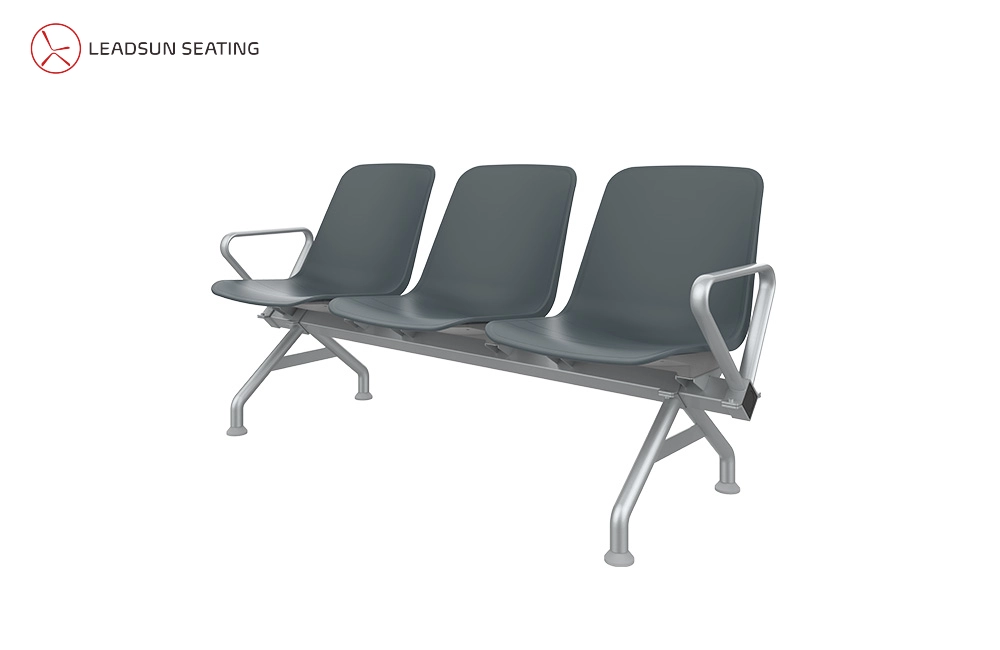
LS-551 Ergonomic Modular Waiting Chairs | Commercial Seating Solutions by Leadsun Seating
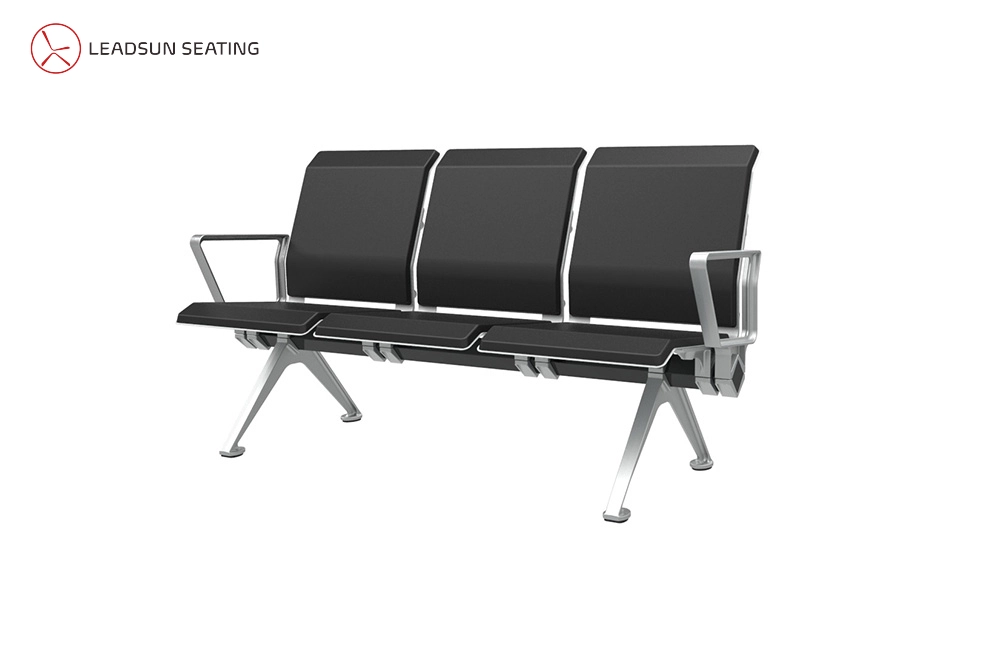
LS-529Y Ergonomic Waiting Chairs | High-Density PU Seating Solutions by Leadsun Seating
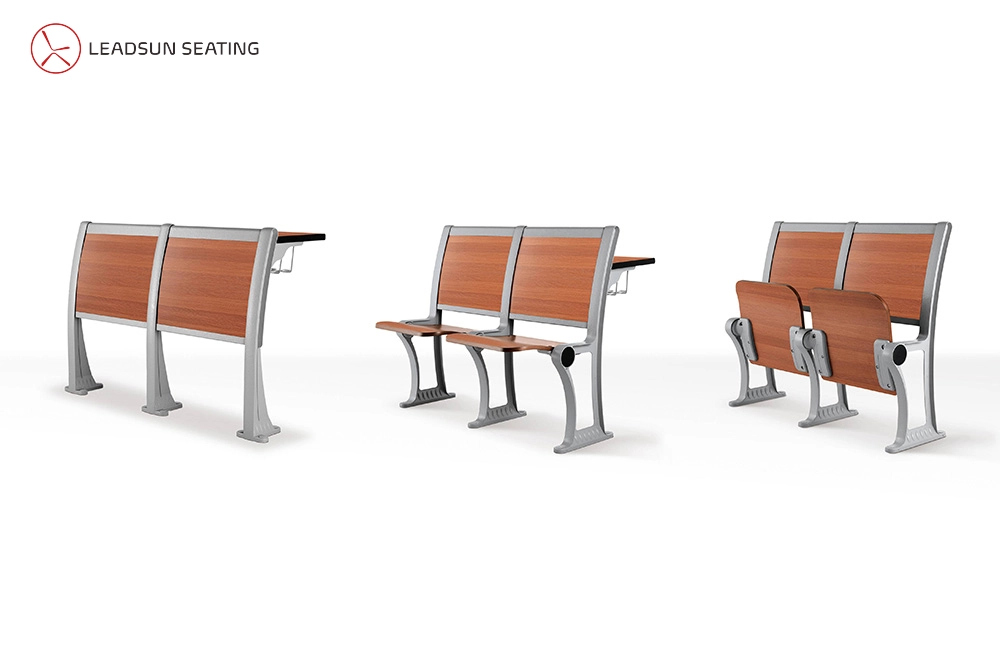
LS-908 Series Fixed Public Auditorium Chair or Tiered Classroom Solutions by Leadsun Seating
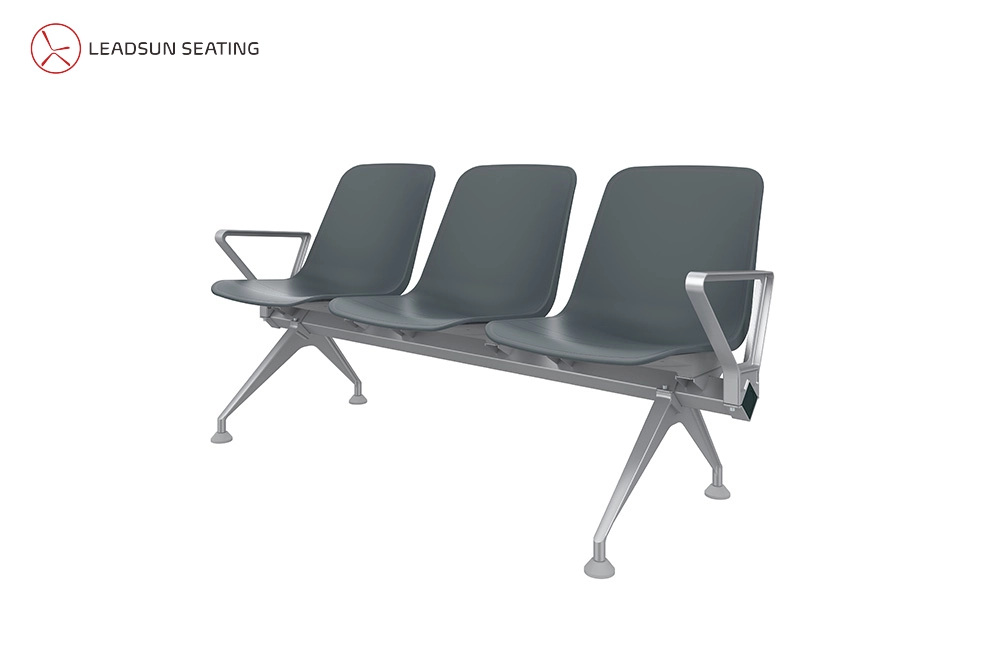
LS-550 Comfortable and Durable Waiting Chair | Customizable Waiting Chair Supplier Leadsun Seating
The LS-550 waiting chair from Leadsun offers superior comfort and durability for any public place. Customize your seating with Leadsun, a leading customizable waiting chair supplier. Ideal for high-traffic areas, the LS-550 ensures lasting performance and style.
Ready for your public seating project?
We specialize in providing high-quality, customizable seating solutions for public spaces, and we are excited to assist you with your project.
Our professional team will quickly answer your questions and provide customized solutions to ensure you have a worry-free experience.

Leadsun Seating is also engaged in the design, development, production, and marketing of lightweight public seats in public places, with an annual output of desks and chairs.
 Scan QR Code