







How to arrange office waiting room chairs for better flow?
- 1. How many office waiting room chairs can I fit while keeping ADA-compliant circulation and avoiding congestion?
- 2. What minimum aisle width should I use between rows of office waiting room chairs to handle wheelchairs, cleaning carts, and two-way pedestrian flow?
- 3. How can I mix fixed bench seating and single chairs so elderly users and families can sit together without blocking egress?
- 4. What frame, weight-rating, and upholstery specs should I require for commercial office waiting room chairs in high-traffic medical or lecture-hall lobbies?
- 5. How can I redesign an existing reception area with office waiting room chairs to improve flow without losing seating capacity?
- 6. When should I choose lecture-hall-style tiered seating for a lobby/waiting area versus flat-floor seating, and what code issues should I check?
1. How many office waiting room chairs can I fit while keeping ADA-compliant circulation and avoiding congestion?
A common pain point is squeezing seats into a footprint without preserving accessible routes or comfortable circulation. Use a measurement-first method rather than a rules-of-thumb number.
- Measure usable floor area (exclude fixed counters, planters, and clearance for doors).
- Reserve accessible spaces: ADA requires a 30 x 48 (760 x 1220 mm) wheelchair space and a minimum 36 (915 mm) wide accessible route; plan for a 60 (1525 mm) turning circle where wheelchair turns are needed.
- Allocate a practical area per seated person in a waiting environment: industry practice for reception/waiting areas is 15–20 sq ft (1.4–1.9 m²) per person to allow seating, circulation and occasional belongings. Lecture-hall fixed seating densities are higher, but waiting rooms need extra clearance for movement.
Example: a 200 sq ft reception
- Subtract 20 sq ft for circulation to the front desk = 180 sq ft usable.
- Set aside 48 sq ft for one wheelchair zone and primary paths, leaving 132 sq ft.
- At 16 sq ft per seat you can plan ~8 seats (132/16 ≈ 8.25).
This method balances capacity with compliance and comfort. If you must increase seating, consider linked seating banks and remove bulky side furniture rather than shrinking clearances below ADA minima.
2. What minimum aisle width should I use between rows of office waiting room chairs to handle wheelchairs, cleaning carts, and two-way pedestrian flow?
Beginners often see “36 inches” listed and think it’s enough for all uses; it’s the legal minimum for an accessible route but not always sufficient in practice.
- ADA: accessible route minimum is 36 (915 mm).
- Practical recommendation for two-way pedestrian flow, janitorial carts, or simultaneous wheelchair passage: 44–48 (1120–1220 mm).
- Where two wheelchairs may pass or brief stopping is expected (e.g., near a check-in kiosk), design for 60 (1525 mm) clearances or provide intermittent 60 passing spaces.
Position seating to avoid narrow choke points: keep sightlines clear to reception and use angled seating banks to reduce dead-end aisles. Clearly mark or maintain 36 minimums near exits to ensure egress compliance per local fire codes and NFPA guidance.
3. How can I mix fixed bench seating and single chairs so elderly users and families can sit together without blocking egress?
Mixing bench and single-seat models is excellent for flexibility, but poor placement creates blocked pathways or inaccessible seats.
Tactics that work:
- Cluster design: place a 2–3 seat bench between pairs of single chairs so families sit together and singles provide mobility assistance points.
- Reserve bench ends or adjacent seats next to open floor space for wheelchairs; provide at least one 30 x 48 space adjacent to bench clusters.
- Use benches with defined armrests at intervals (or install armrest inserts on benches) so elderly users can stand more easily. Armrests also naturally create separation that keeps circulation lanes clear.
- Avoid placing benches directly in front of doors or along primary egress routes. Instead, place them parallel to secondary walls with unobstructed 36+ paths.
Example layout: In a 12' x 16' reception, a central bench (60 long) backed to a low planter with single chairs grouped in pairs around it creates family clusters while leaving 44 primary aisles.
4. What frame, weight-rating, and upholstery specs should I require for commercial office waiting room chairs in high-traffic medical or lecture-hall lobbies?
Many online answers list materials but lack actionable spec ranges. For procurement specify minimums so vendors deliver seats that withstand real use.
Recommended minimum specs for high-traffic commercial seating:
- Frame: welded steel or extruded aluminum with powder-coat finish; corrosion-resistant fasteners. For anchored/linked seating use continuous frame rails.
- Weight capacity: 300–400 lb (136–181 kg) per seat for standard commercial; consider bariatric models rated 500 lb+ for specific locations.
- Upholstery performance: Wyzenbeek abrasion resistance ≥ 30,000 double rubs for general commercial use; 50,000–100,000 for heavy-traffic or healthcare. Select stain-resistant, cleanable fabrics or anti-microbial vinyls where infection control is a priority.
- Cushion: high-resilience foam with fire-retardant core that meets local flammability codes. Ask vendors for documented compliance with applicable local fire regulations and any required test reports.
- Replaceability: modular cushions and replaceable upholstery panels reduce lifetime cost and downtime.
Ask manufacturers for test reports and a product data sheet showing load tests, abrasion tests, and fire compliance; avoid unspecified “commercial grade” claims.
5. How can I redesign an existing reception area with office waiting room chairs to improve flow without losing seating capacity?
Managers frequently want better circulation but fear losing seats. A measured redesign often preserves or even increases usable seating.
Stepwise approach:1) Audit: map furniture footprints, door swings, primary routes, peak occupancy and peak dwell times. Note wheelchair and stroller traffic.2) Eliminate bulky single-purpose pieces (tall coffee tables, over-sized planters) that reduce continuous aisle width.3) Swap bulky lounge sofas for slim-depth linked seating (16–18 seat depth) and armless models in some zones; linked chairs save ~2–4 in per seat compared to freestanding lounge chairs.4) Angled banks: rotate seating 10°–20° toward circulation to increase perceived space and reduce direct face-to-face blockage. This often allows narrower corridors without reducing accessibility.5) Add vertical storage or wall-mounted magazine rails to clear floor area.6) Prototype: use taped outlines on the floor and a mock-up of new seating arrangement during peak times before purchasing.
Outcome example: removing two bulky armchairs and replacing them with a 3-seat linked bank and a slim side table can free 10–12 sq ft—enough to add one more seat while improving a main aisle from 36 to 44.
6. When should I choose lecture-hall-style tiered seating for a lobby/waiting area versus flat-floor seating, and what code issues should I check?
Tiered (riser) seating can improve sightlines for presentation or wayfinding displays but introduces accessibility and egress complexity.
Benefits of tiered seating:
- Better sightlines for digital signage or group briefings (useful near training centers or larger lecture-hall-adjacent lobbies).
- Visual clarity and perceived order—can feel more organized than loose chairs.
Trade-offs and considerations:
- Accessibility: risers require accessible routes to each level or provide equivalent viewing areas on the main level. ADA requires access to seating with comparable lines of sight; plan at least one wheelchair space per viewing block.
- Building codes: risers affect means-of-egress calculations, require guardrails, and may trigger different exit capacity requirements per NFPA 101. Consult your AHJ (Authority Having Jurisdiction) early.
- Maintenance: tiered installations are more permanent and costlier to reconfigure; flat-floor linked seating is more flexible for changing occupancy needs.
When to choose tiered: if the lobby serves frequent group briefings, orientation sessions, or lecture overflow and you have budget for permanent installation plus accessible routes. Otherwise, prefer flat-floor modular seating banks with temporary risers only for occasional events.
Concluding paragraphOptimized lecture-hall seating principles applied to office waiting room chairs improve traffic flow, accessibility, and user comfort while protecting capacity and reducing lifetime costs. Measured planning (useable area calculations, ADA clearance, appropriate aisle widths), specifying commercial-grade frames and upholstery (300–400+ lb capacity, 30k–100k Wyzenbeek where needed), and using modular linked seating allow you to deliver a reception that’s durable, code-compliant, and adaptable. Well-arranged seating also speeds turnover, reduces congestion around check-in, and improves the overall client experience.
For professional layout help or a quote on durable office waiting room chairs and lecture-hall seating solutions, contact us at www.leadsunseating.com or [email protected].

15 Best Office Waiting Room Chairs of 2026: The Ultimate Comfort & Style Guide

The Future of Reception Areas: 10 Modern Waiting Room Chair Trends to Watch in 2026

Airport Seating Reimagined: The 2026 Global Guide to Terminal Comfort and Design

7 Costly Mistakes Facilities Managers Make When Specifying Commercial Bench Seating

Commercial Beam Seating Solutions for High-Traffic Public Spaces
FAQs
What is the lead time for custom seating orders?
The lead time for custom seating orders varies depending on the complexity of the design and the order size. Typically, it takes 4-6 weeks for production, with shipping times depending on your location.
One Stop Airport Terminal Seating
What is the one-stop airport terminal lounge seating solution?
This solution covers the entire process, from initial needs assessment, personalized design, and professional manufacturing, to installation, delivery, and after-sales maintenance. It offers an integrated seating configuration service for airports, eliminating the need for coordinating with multiple parties.
What does the after-sales service include?
Our after-sales service covers daily maintenance guidance, regular inspections, fault repairs, and component replacements. Our professional after-sales team is available 24/7 to ensure the long-term stable operation of the seats.
How do you ensure seat installation doesn't disrupt airport operations?
We’ll develop a detailed installation plan, giving priority to non-peak hours for construction. We also use a modular installation approach to minimize any impact on airport operations.
Are the seat materials durable? What's the lifespan?
We use high-strength, wear-resistant, and easy-to-clean premium materials, such as stain-resistant flame-retardant fabrics and rust-proof alloy frames. Under normal use, the seats can last 5 - 8 years.
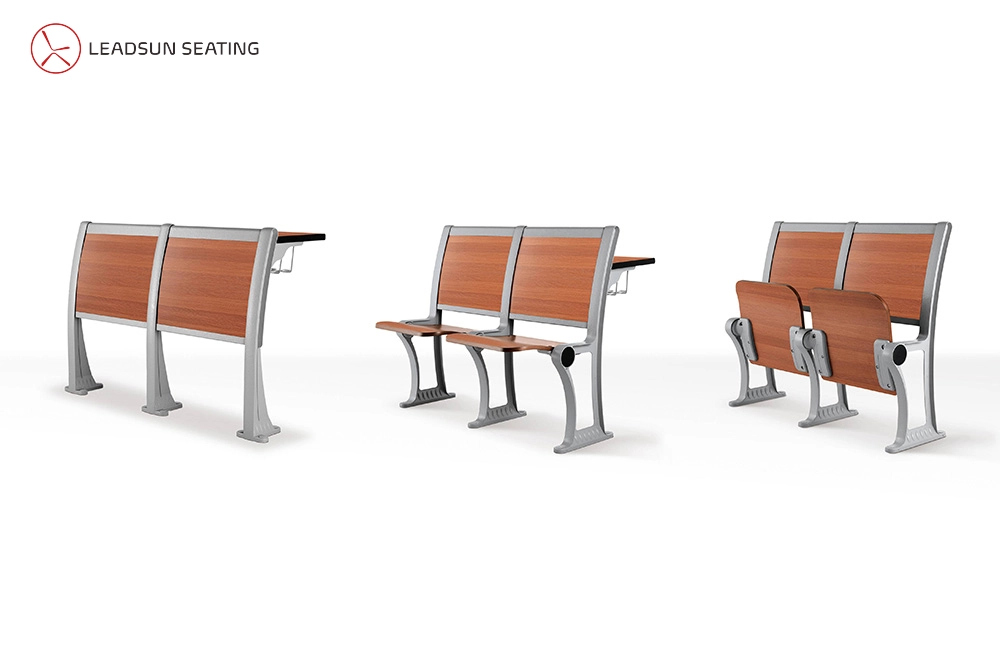
LS-908 Series Fixed Public Auditorium Chair or Tiered Classroom Solutions by Leadsun Seating
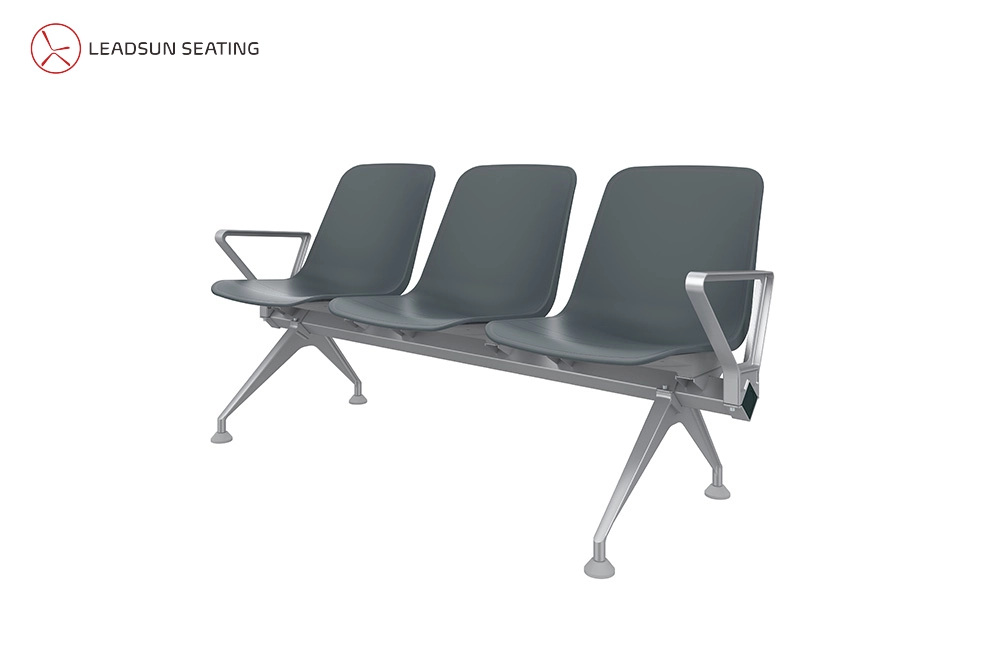
LS-550 Comfortable and Durable Waiting Chair | Customizable Waiting Chair Supplier Leadsun Seating
The LS-550 waiting chair from Leadsun offers superior comfort and durability for any public place. Customize your seating with Leadsun, a leading customizable waiting chair supplier. Ideal for high-traffic areas, the LS-550 ensures lasting performance and style.
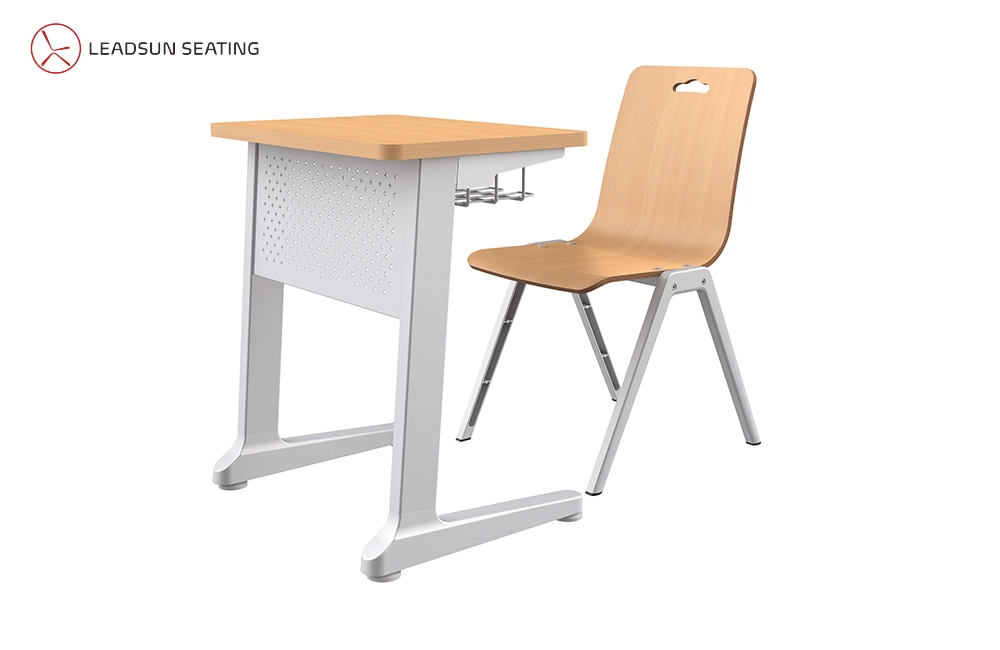
LS-9301 Single movable classroom chair |The Ultimate Flexible Solution for Modern Classrooms by Leadsun Seating
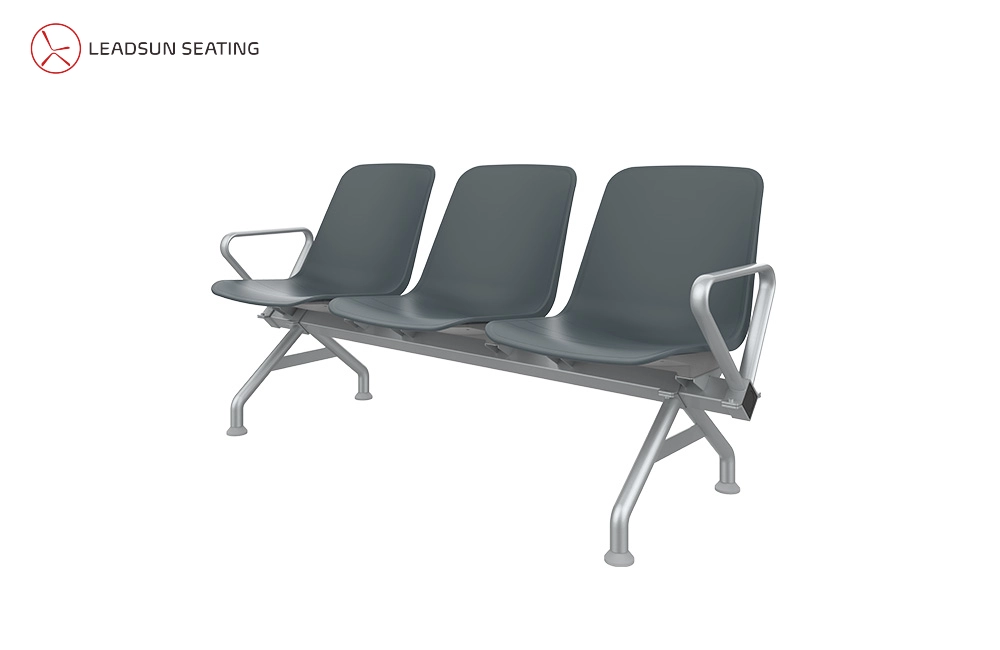
LS-551 Ergonomic Modular Waiting Chairs | Commercial Seating Solutions by Leadsun Seating
Ready for your public seating project?
We specialize in providing high-quality, customizable seating solutions for public spaces, and we are excited to assist you with your project.
Our professional team will quickly answer your questions and provide customized solutions to ensure you have a worry-free experience.

Leadsun Seating is also engaged in the design, development, production, and marketing of lightweight public seats in public places, with an annual output of desks and chairs.
 Scan QR Code