







Leadsun seating offers a wide range of seating solutions for public spaces, including benches, chairs, waiting area seating, auditorium seating, and customized solutions tailored to specific project needs.
How to choose ergonomic chairs for office waiting areas?
2026-03-26
Practical, code-aware guidance for selecting office waiting room chairs and lecture hall seating. Covers weight capacity, durable upholstery, ADA access, modular configurations, cleaning, warranties, and BIFMA/CAL/NFPA compliance.
- 1. What minimum weight capacity and durability testing should I require for office waiting room chairs in high-traffic clinics and lecture halls?
- 2. How do I choose upholstery and finishes that balance infection control, durability, and flame/smoke code compliance?
- 3. How can I ensure ADA-compliant sightlines and wheelchair-accessible spacing when converting a waiting area into a multi-use lecture space?
- 4. For multi-use spaces, should I choose stackable/portable chairs or fixed linked seating — and how do I evaluate lifecycle cost differences?
- 5. What ergonomic seat dimensions and features produce the broadest comfort for mixed-age waiting areas and lecture attendees?
- 6. What warranty, spare-parts policies, and maintenance practices should I negotiate to avoid unplanned downtime for lecture hall seating and reception chairs?
- Concluding summary: Advantages of choosing ergonomic, code-compliant office waiting room chairs and lecture hall seating
Office Waiting Room Chairs: How to Choose Ergonomic Chairs for Office Waiting Areas
This article answers six detailed, buyer-focused questions about office waiting room chairs and lecture hall seating for purchasers, facilities managers, and specifiers. It embeds practical metrics, compliance checkpoints (ADA 2010, BIFMA, NFPA/CAL standards), and guidance on upholstery, maintenance, and durable constructions to reduce risk in high-traffic reception and lecture environments.
1. What minimum weight capacity and durability testing should I require for office waiting room chairs in high-traffic clinics and lecture halls?
Why this matters: In public waiting areas and lecture halls, chairs must tolerate heavy daily use and occasional heavy users. Specifying insufficient load capacity or skipping durability reports leads to early failure, reorders, and safety risks.
Practical spec: Require a commercial seat rated for at least 300–400 lb static capacity for standard public seating; for clinics, transit hubs or venues expecting bariatric use, specify 500+ lb bariatric options. Ask vendors for documented lab test results and the specific test standards used.
What to request from manufacturers: - BIFMA or equivalent testing reports for structural strength and cycle testing (durability under repeated sit-stand cycles). - Details on frame materials (e.g., 14–16 gauge steel for welded frames, stainless or powder-coated finishes for corrosion resistance). - Information on connection hardware (bolt sizes, shear plates) and whether seats are tested as a linked assembly (important for lecture hall rows and linked reception seating).
Inspection tip: On delivery, verify weld quality, frame straightness, and that specified weight-rated labels and test certificates accompany the shipment. For lecture halls, request row-load tests or a third-party structural assessment if attaching to floors or tiers.
2. How do I choose upholstery and finishes that balance infection control, durability, and flame/smoke code compliance?
Why this matters: Waiting areas are high-touch spaces—material choice affects cleaning, longevity, and legal code compliance (local fire and building codes often reference NFPA or CAL TB standards).
Materials guidance:- Infection control: Select fabrics or vinyls labeled for healthcare/hospital use and compatible with hospital-grade disinfectants. Ask for manufacturer cleaning matrices that list approved disinfectants (bleach-compatible, quaternary ammonium compatibility) and any accelerated wear impact from repeated disinfection. - Durability: Use abrasion rating data (double rub tests like Martindale or Wyzenbeek where available) for high-traffic sites; aim for 50,000+ double rubs for reception seating. - Flammability/smoke: Confirm upholstery and foam meet applicable standards—e.g., NFPA 260 or California TB 117-2013—per your jurisdiction and project requirements.What to request: Certificates of compliance for flammability and fire-blocking standards, an antibacterial/anti-microbial finish declaration if claimed, and a cleaning/maintenance spec. For lecture halls, consider sealed seams and antimicrobial topcoats to reduce pathogen retention on armrests and tablet arms.
3. How can I ensure ADA-compliant sightlines and wheelchair-accessible spacing when converting a waiting area into a multi-use lecture space?
Why this matters: Many offices and educational facilities need seating that serves both brief waiting and longer lecture sessions. Incorrect spacing can violate ADA and create poor sightlines, which reduces user comfort and legal compliance.
Key dimensions and rules to follow:- Wheelchair clear floor space: Use the 30 x 48 clear floor space minimum (ADA 2010) for each required accessible location; provide companion seating adjacent to that space. - Row spacing & sightlines: For lecture-style seating, provide adequate riser rake or staggered seat placement so occupants have unobstructed views—typical seat row-to-row pitch ranges from 30 to 34 depending on seat depth and knee clearance. - Aisle widths and circulation: Minimum accessible aisle widths and turning radii must be followed per local code—plan aisles at least 36 for circulation, with wider widths for higher-occupancy spaces.Design steps: Map required wheelchair positions first, then place companion seats and standard reception chairs around them. For dual-use rooms, adopt removable or modular seating modules that allow conversion between rows and small clusters without violating clear floor space requirements.
4. For multi-use spaces, should I choose stackable/portable chairs or fixed linked seating — and how do I evaluate lifecycle cost differences?
Why this matters: Stackable/portable chairs offer flexibility but can incur higher handling and storage costs; fixed linked seating provides durability and lower day-to-day staffing needs but limits reconfiguration.
Decision factors:- Utilization profile: If the space is reconfigured daily (events, rotating clinics), stackable chairs with protective finishes and storage carts reduce installation downtime. If seating is mostly fixed and high-use, linked/fixed seating reduces trip hazards and provides better integrated features (folding tablet arms, in-row power/data).- Durability vs replacement cycles: Stackable chairs typically have shorter in-place lifespans (higher wear on seats/frames due to handling) but lower upfront cost. Linked seating has higher upfront cost and longer structural life; evaluate total cost of ownership (TCO) over 7–10 years.How to calculate: Request expected life (years) and warranty terms from vendors; estimate annual maintenance and handling labor for stackable chairs (hours to set up/take down) and compare to maintenance of fixed seating (cleaning, upholstery replacement). A simple ROI model: (Upfront + maintenance over expected life) / expected life = annualized cost. For high-turnover public spaces, linked seating often proves cheaper per year when factoring in labor and inventory losses.
5. What ergonomic seat dimensions and features produce the broadest comfort for mixed-age waiting areas and lecture attendees?
Why this matters: Waiting-area seating must comfortably support a wide range of body sizes for short periods, while lecture seating must maintain comfort over longer durations—both require correct ergonomics to reduce complaints and improve user experience.
Recommended ergonomic specs (industry practice ranges):- Seat height: 17–19 from finished floor works for most adult users; provide some lower seats or armrest designs to support shorter guests. - Seat depth: 16–18 to allow thigh support without cutting off circulation—shorter depths suit elderly users. - Seat width: 18–22 for standard seats; 24+ for comfort or bariatric seats. - Lumbar support: Mild contour or integrated lumbar that supports the lower back without forcing posture. - Armrests: Provide armrests at 7–9 above the seat surface for comfort and to assist standing/sitting; ensure they don’t impede wheelchair access to adjacent clear floor spaces. - Back recline and tilt: Waiting seats usually have fixed or slightly angled backs; lecture seating for long sessions benefits from a slight recline (3°–5°) and breathable back materials.Practical tip: Use a mix of seat widths and some bariatric and lower seats in public waiting rooms to accommodate diverse populations. For lecture halls, prototype a row with representative users when possible to verify sightlines and comfort before full procurement.
6. What warranty, spare-parts policies, and maintenance practices should I negotiate to avoid unplanned downtime for lecture hall seating and reception chairs?
Why this matters: Long lead-times, custom upholstery, and fixed-installed rows create downtime risk. Clear warranties and spare-part agreements reduce facility disruption.
Contractual items to include:- Minimum structural warranty: Seek a 5-year structural/frame warranty as a baseline for commercial seating; longer (7–10 years) is common for bolted steel frames or welded steel assemblies in lecture halls. - Upholstery warranty: 1–3 years is typical for fabrics/vinyl; negotiate extended options for high-use areas. - Spare parts and lead times: Require vendors to hold or guarantee access to spare components (arms, tablet arms, seat pans, linking hardware) for at least the warranty period. Define maximum lead times for spares (e.g., 30–60 days) in contract terms. - Maintenance manual and approved cleaners: Insist on a written maintenance plan outlining cleaning methods, compatible disinfectants, and recommended inspection intervals.Operational best practice: Establish a preventative maintenance schedule (quarterly inspections for high-use seating), train custodial staff on approved cleaning agents, and keep a small local inventory of frequently replaced parts (arm pads, folding tablet hinges) to minimize disruptions.
Concluding summary: Advantages of choosing ergonomic, code-compliant office waiting room chairs and lecture hall seating
Choosing spec-grade, ergonomic waiting area seating and lecture hall chairs aligned with ADA 2010, common BIFMA testing practices, and relevant fire standards (NFPA / CAL TB) provides measurable advantages: improved user comfort and inclusivity, longer service life, lower lifecycle costs, fewer warranty claims, and reduced infection-transmission risk when using cleanable, hospital-compatible upholstery. Modular and linked seating options let facility managers balance flexibility and durability; clear warranty and spare-part terms minimize downtime. For reliable performance, request test reports, cleaning matrices and warranty documents from manufacturers or authorized dealers (for example, Leadsun Seating), and confirm local code/authority having jurisdiction (AHJ) requirements before final purchase.
If you would like a tailored specification, itemized quote or to review product test reports for your waiting area or lecture hall seating project, please contact us at www.leadsunseating.com or email [email protected] for a quote.
References and standards to verify during procurement: ADA 2010 Standards for Accessible Design, BIFMA commercial seating guidance and test standards, NFPA and CAL TB flammability standards, and manufacturer-supplied durability/cycle test reports.
Recommended for you

15 Best Office Waiting Room Chairs of 2026: The Ultimate Comfort & Style Guide

The Future of Reception Areas: 10 Modern Waiting Room Chair Trends to Watch in 2026

Airport Seating Reimagined: The 2026 Global Guide to Terminal Comfort and Design

7 Costly Mistakes Facilities Managers Make When Specifying Commercial Bench Seating

Commercial Beam Seating Solutions for High-Traffic Public Spaces
Prdoucts Categories
FAQ
One Stop Airport Terminal Seating
How long is the production cycle? Can you deliver on time?
The production cycle depends on the order size and customization complexity. We’ll create a detailed production plan in advance and have a professional logistics and installation team in place to ensure on-time delivery and efficient implementation.
Can the solution meet the needs of airports of different sizes?
Whether it’s a small regional airport or a large international hub, we can customize the seating types and layout plans according to passenger flow, terminal area size, and functional positioning. This ensures we flexibly meet the requirements of all types of airports.
FAQs
What materials are used in the production of your public seating?
We use a variety of durable materials such as stainless steel, aluminum, wood, high-quality upholstery, and advanced polymers to ensure that our seating solutions are both functional and long-lasting.
What types of public seating solutions does Leadsun seating provide?
Are your seating solutions suitable for outdoor use?
Yes, many of our seating solutions are designed to withstand outdoor conditions. We use weather-resistant materials and coatings to ensure durability and performance in public outdoor environments.
You may also like
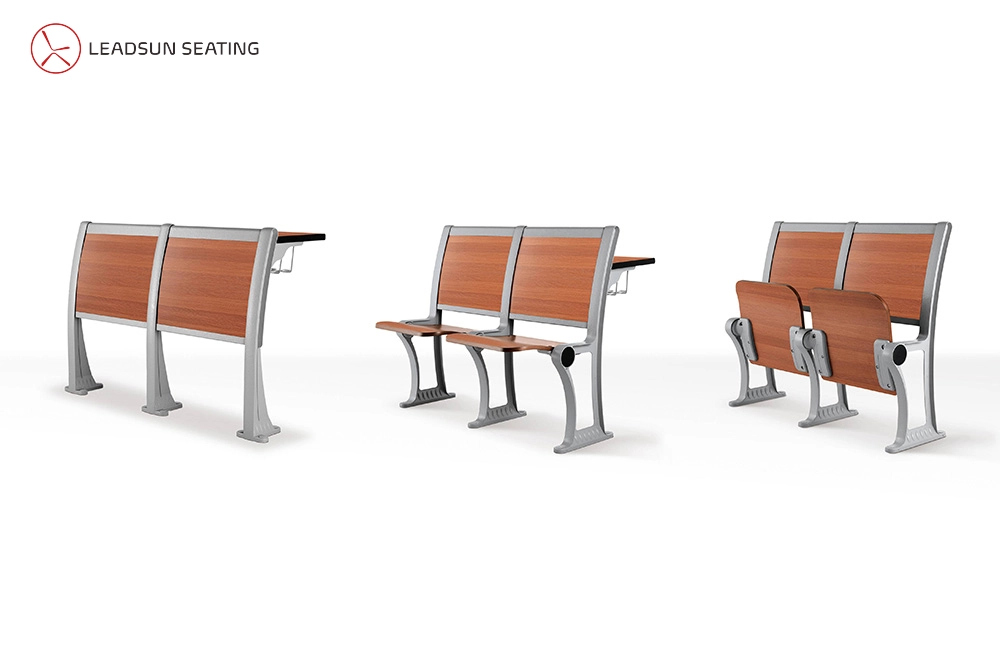
LS-908 Series Fixed Public Auditorium Chair or Tiered Classroom Solutions by Leadsun Seating
Introducing the LS-908 Series by Leadsun, your ideal solution for tiered classroom seating and fixed public auditorium chairs. Designed for comfort and durability, this series enhances audience engagement in educational and corporate settings. Discover the perfect blend of functionality and style with Leadsun Seating.
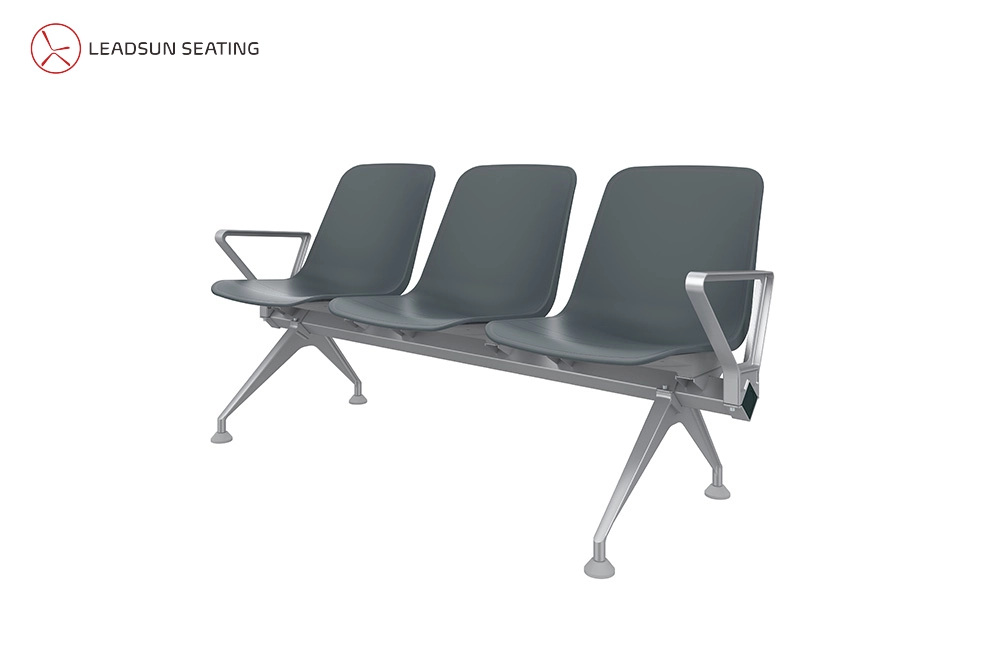
LS-550 Comfortable and Durable Waiting Chair | Customizable Waiting Chair Supplier Leadsun Seating
The LS-550 waiting chair from Leadsun offers superior comfort and durability for any public place. Customize your seating with Leadsun, a leading customizable waiting chair supplier. Ideal for high-traffic areas, the LS-550 ensures lasting performance and style.
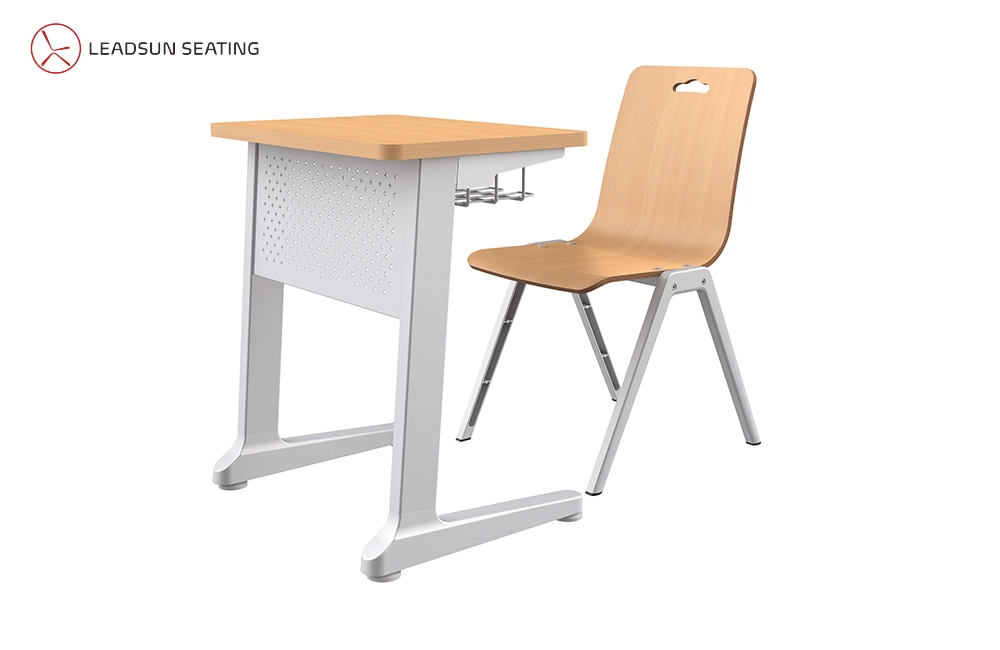
LS-9301 Single movable classroom chair |The Ultimate Flexible Solution for Modern Classrooms by Leadsun Seating
Leadsun's LS-9301 single movable classroom chair offers ultimate flexibility for modern learning environments. This activity desk and chair solution ensures comfortable and adaptable seating for students. Ideal for dynamic classrooms.
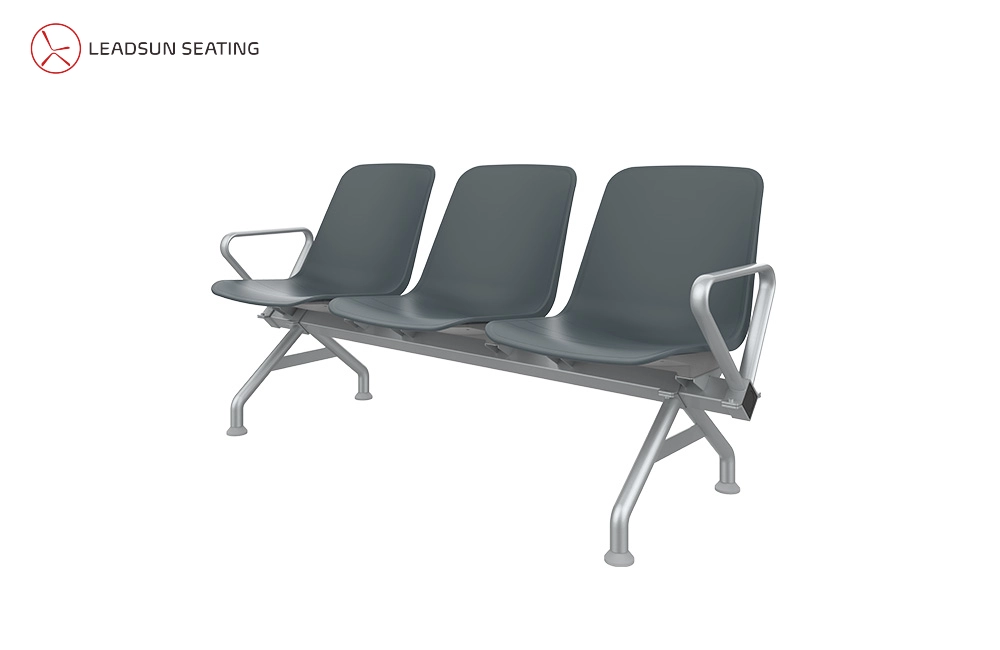
LS-551 Ergonomic Modular Waiting Chairs | Commercial Seating Solutions by Leadsun Seating
Leadsun's LS-551 Ergonomic Modular Waiting Chairs offer superior comfort for any commercial space. Ideal for hospitals, airports, and more, these modular chairs provide flexible configurations and ergonomic support. Experience unmatched comfort and style with Leadsun Seating.
Ready for your public seating project?
We specialize in providing high-quality, customizable seating solutions for public spaces, and we are excited to assist you with your project.
Our professional team will quickly answer your questions and provide customized solutions to ensure you have a worry-free experience.

Leadsun Seating is also engaged in the design, development, production, and marketing of lightweight public seats in public places, with an annual output of desks and chairs.
 Scan QR Code