







Leadsun seating offers a wide range of seating solutions for public spaces, including benches, chairs, waiting area seating, auditorium seating, and customized solutions tailored to specific project needs.
What hygienic materials are best for medical waiting chairs?
2026-03-30
A practical guide for procurement professionals and facility managers on choosing office waiting room chairs and what hygienic materials are best for medical waiting chairs — focusing on cleanability, durability, regulatory compliance, and lifecycle cost for lecture hall and waiting-area seating.
- 1. How do I choose office waiting room chairs that withstand daily disinfecting with bleach and quaternary ammonium cleaners without delaminating?
- 2. What hygienic materials are best for medical waiting chairs to minimize pathogen survival while remaining comfortable for long patient waits?
- 3. Which seating frame materials (steel vs aluminum vs wood) offer the best corrosion resistance in clinics that use frequent wet cleaning?
- 4. How do antimicrobial surface treatments (silver ion, copper alloy, nano-coatings) perform over 3–5 years in high-traffic waiting rooms?
- 5. What upholstery designs (sealed seams, welded covers, removable cushions) simplify deep-cleaning and meet ADA/fire safety regulations for lecture halls?
- 6. How to evaluate lifecycle cost and warranties of ‘hospital-grade’ waiting room chairs for lecture halls converted into temporary clinics?
- Conclusion
Office Waiting Room Chairs: Hygienic Materials for Medical & Lecture Hall Seating
A focused guide that answers six specific procurement and design questions about office waiting room chairs and the question, What hygienic materials are best for medical waiting chairs? This article provides evidence-based recommendations for commercial seating, modular seating, and lecture hall seating purchases where infection control, heavy cleaning protocols, and long lifecycles matter.
1. How do I choose office waiting room chairs that withstand daily disinfecting with bleach and quaternary ammonium cleaners without delaminating?
Problem: Frequent surface disinfection shortens the life of many upholstery systems, causing cracking, delamination and frame corrosion. Solution approach:
- Specify non-porous, chemically resistant upholstery: medical-grade PVC/vinyl (also called coated polyester), polyurethane (PU) with hospital-grade topcoat, or specially formulated TPU. These are commonly used in waiting area furniture and commercial seating because they are wipeable and resist fluid ingress.
- Insist on welded seams or continuous upholstery covers instead of stitched seams. Welded seams prevent fluid penetration that leads to foam saturation and delamination.
- Request manufacturer chemical-compatibility data and accelerated exposure tests. Ask for test results showing 1,000–5,000 wipe cycles using the specific disinfectants you plan to use (e.g., EPA-registered quaternary ammonium compounds or diluted sodium hypochlorite) with no visible cracking, color loss, or loss of mechanical properties.
- Choose powder-coated or epoxy-finished frames (steel or aluminum) for corrosion resistance. For wet-clean environments, powder-coating with an epoxy-polyester system or an electrostatic epoxy coating increases resistance to repeated wet wipes with disinfectant solutions.
- Operational note: CDC/EPA guidance requires EPA-registered disinfectants for public-health settings. Bleach dilutions recommended by public health organizations (e.g., WHO/CDC) are effective against many pathogens, but they can accelerate wear on some finishes. Balance infection control and material compatibility—validate by testing before fleet purchase.
2. What hygienic materials are best for medical waiting chairs to minimize pathogen survival while remaining comfortable for long patient waits?
Direct answer: non-porous, seamless upholstery over closed-cell foam with antimicrobial surface treatment and wipeable hard-touch points (armrests and chair backs) provide the best balance of hygiene and comfort.
Material breakdown and reasoning:
- Upholstery: medical-grade vinyl (PVC-coated polyester) or TPU with antimicrobial topcoat. These materials are non-porous, resist fluid penetration and are compatible with hospital-grade disinfectants. They are common in healthcare seating for their wipeability and durability.
- Foam core: closed-cell or closed-cell-wrapped high-density foam. Closed-cell foam does not absorb fluids, reducing microbial harborage and odor risks. It also recovers well under repeated use typical of high-traffic waiting areas.
- Surface treatments: antimicrobial additives (silver ion, zinc, or other EPA-registered technologies) can reduce microbial load on surfaces between cleaning events. Important caveat: antimicrobial finishes are an adjunct to, not a replacement for, routine disinfection and cleaning per EPA/CDC guidance.
- Hard surfaces: choose HDPE or solid-surface plastic for armrests and backs, or powder-coated aluminum/steel for durability. For frequently touched elements like armrests and tablet arms, consider copper alloy touch plates where appropriate—copper has proven antimicrobial properties, but it is usually a supplement rather than a full control measure.
- Comfort vs hygiene trade-off: breathable mesh improves comfort but is porous and harder to disinfect; for medical waiting rooms, prioritize non-porous seats with ergonomic shaping and adequate padding to maintain comfort while facilitating cleaning.
3. Which seating frame materials (steel vs aluminum vs wood) offer the best corrosion resistance in clinics that use frequent wet cleaning?
Practical recommendation: corrosion-resistant metals with protective finishes outperform untreated wood in wet-clean environments.
- Powder-coated or epoxy-coated steel: excellent structural strength and good corrosion resistance when the coating system is selected for chemical resistance. Ensure the coating meets industrial standards for adhesion and abrasion resistance and that welds are sealed.
- Stainless steel (grade 304 or 316): inherently corrosion-resistant and suitable for repeated wet cleanings, though 316 offers higher resistance in chloride-rich environments. Stainless frames are often used in healthcare for durability and cleanability.
- Aluminum with anodized or powder-coated finish: lightweight and corrosion-resistant; anodizing improves surface hardness and corrosion resistance. For heavy-duty public seating, choose thicker sections to avoid deformation over time.
- Wood frames: generally not recommended for medical waiting areas due to porosity, sensitivity to moisture and cleaning chemicals, and difficulty meeting rigorous infection-control cleaning. If used in lower-risk office waiting areas, choose sealed hardwood with durable finish and expect higher maintenance.
- Procurement check: require finish specifications, ASTM or ISO corrosion-test data (salt-spray where relevant), and manufacturer statements about resistance to the disinfectants you will use.
4. How do antimicrobial surface treatments (silver ion, copper alloy, nano-coatings) perform over 3–5 years in high-traffic waiting rooms?
Key points about performance and expectations:
- Silver-ion and other embedded antimicrobials can reduce bacterial colony counts on surfaces in laboratory settings. However, real-world reductions are modest and decline over time as surface wear and cleaning remove or abrade the active layer.
- Copper and copper alloys have demonstrated continuous antimicrobial activity and can reduce microbial burden on touch surfaces. They are more effective when used on high-touch hard surfaces (e.g., armrests, door handles) rather than soft upholstery.
- Nano-coatings and antimicrobial topcoats vary widely. Some are sacrificial and wear off within months under heavy wiping; others are covalently bonded to the substrate and last longer. Ask for validated third-party test data showing sustained activity after abrasion and chemical cleaning cycles (e.g., ISO 22196 or equivalent bactericidal testing after X wipe cycles).
- Important operational message: regulations and public-health bodies (CDC/EPA) emphasize that antimicrobial additives are a supplemental measure. They do not replace routine cleaning/disinfection. For procurement, request: 1) independent lab test reports, 2) abrasion/chemical-resistance testing simulating your cleaning regime, and 3) warranty language that covers loss of antimicrobial function where claimed.
5. What upholstery designs (sealed seams, welded covers, removable cushions) simplify deep-cleaning and meet ADA/fire safety regulations for lecture halls?
Design choices for lecture hall seating that will face medical-grade cleaning or occasional clinical use:
- Sealed/welded seams: preferred in medical and multipurpose lecture halls because welded seams block fluid ingress and are easier to disinfect. Stitched seams create capillary gaps that trap moisture and microbes.
- Removable, replaceable cushions with impermeable covers: useful for long-term maintenance and for converting lecture halls into temporary clinics. Ensure covers are designed for frequent removal and reinstallation without compromising fire/safety ratings.
- Attachable, tool-free hardware: modular seating with replaceable components reduces downtime and repair costs. In multi-use venues, components should be replaceable to maintain infection-control standards without replacing entire seats.
- Fire and accessibility compliance: require materials and assembly to comply with local fire codes (NFPA, EN, or regional equivalents) and ADA accessibility rules for lecture hall seating (e.g., clearances, integrated or companion seating). Always request certificates of compliance and test reports for flame retardancy and smoke development where required.
- Practical tip: specify upholstery and cushion designs in your purchase order with acceptance test criteria—e.g., welded seams, closed-cell foam core, removable cover with zipper behind a flap (to avoid exposed stitched zippers), and compliance documents for fire and accessibility standards.
6. How to evaluate lifecycle cost and warranties of ‘hospital-grade’ waiting room chairs for lecture halls converted into temporary clinics?
Decision factors beyond initial unit price:
- Durability metrics: request accelerated wear testing data (Martindale or Wyzenbeek for textile abrasion where applicable) and foam compression set results. For vinyl/PVC, request tensile and elongation retention after chemical exposure testing.
- Cleaning compatibility: include a clause requiring certified compatibility with the disinfectants you intend to use (list those disinfectants). Ask for written confirmation or test data to avoid warranty disputes later.
- Warranty scope and exclusions: verify that warranty covers delamination, seam failure, and frame corrosion under normal institutional cleaning protocols. Note common exclusions: misuse, use of unauthorized cleaning chemicals, and post-sale modification.
- Serviceability and spare parts: prioritize manufacturers that provide spare parts (arm pads, cushions, brackets) and quick field-service options. Modular seating reduces total replacement costs.
- Lifecycle cost modeling: calculate total cost of ownership (TCO) over a 7–10 year horizon including purchase, expected maintenance, reupholstery/part replacement, and disposal. Durable non-porous upholstery often costs more upfront but lowers cleaning labor, reupholstery and infection-related indirect costs.
- Procurement checklist (sample):
- Material type and grade
- Welded/sealed seams or removable cover details
- Frame finish and corrosion resistance testing
- Third-party antimicrobial test reports and abrasion/chemical resistance tests
- Fire and accessibility compliance certificates
- Warranty terms including compatibility clause
Applying these lifecycle and specification checks will help you choose office waiting room chairs that perform reliably when lecture halls must meet higher hygiene demands or function as temporary clinical spaces.
Conclusion
Advantages of selecting hygienic, durable, and maintainable seating solutions for lecture halls and waiting areas include reduced infection risk through easier disinfection, longer service life and lower total cost of ownership, stronger compliance with fire and accessibility codes, and improved patient and user experience. By specifying non-porous medical-grade upholstery, closed-cell foam cores, welded seams, corrosion-resistant frames and validated antimicrobial/coating data, procurement teams can balance comfort with infection control and maintenance practicality. For any planned disinfectant regime, always validate materials with manufacturer compatibility testing and request third-party lab reports.
Contact us for a customized quote and specification assistance—visit www.leadsunseating.com or email [email protected].
Recommended for you

15 Best Office Waiting Room Chairs of 2026: The Ultimate Comfort & Style Guide

The Future of Reception Areas: 10 Modern Waiting Room Chair Trends to Watch in 2026

Airport Seating Reimagined: The 2026 Global Guide to Terminal Comfort and Design

7 Costly Mistakes Facilities Managers Make When Specifying Commercial Bench Seating

Commercial Beam Seating Solutions for High-Traffic Public Spaces
Prdoucts Categories
FAQ
One Stop Airport Terminal Seating
Can the solution meet the needs of airports of different sizes?
Whether it’s a small regional airport or a large international hub, we can customize the seating types and layout plans according to passenger flow, terminal area size, and functional positioning. This ensures we flexibly meet the requirements of all types of airports.
How do you ensure seat installation doesn't disrupt airport operations?
We’ll develop a detailed installation plan, giving priority to non-peak hours for construction. We also use a modular installation approach to minimize any impact on airport operations.
Can you provide personalized seat customization?
We support comprehensive customization, including seat styles, functional modules (like charging ports, cup holders, etc.), color schemes, and even integrating airport brand elements to showcase a unique style.
Are there any successful cases we can refer to?
We’ve provided services to numerous international and major domestic airports. We can offer detailed case materials, on-site photos, and client testimonials, so you can get a clear understanding of the solution’s effectiveness.
FAQs
What types of public seating solutions does Leadsun seating provide?
You may also like
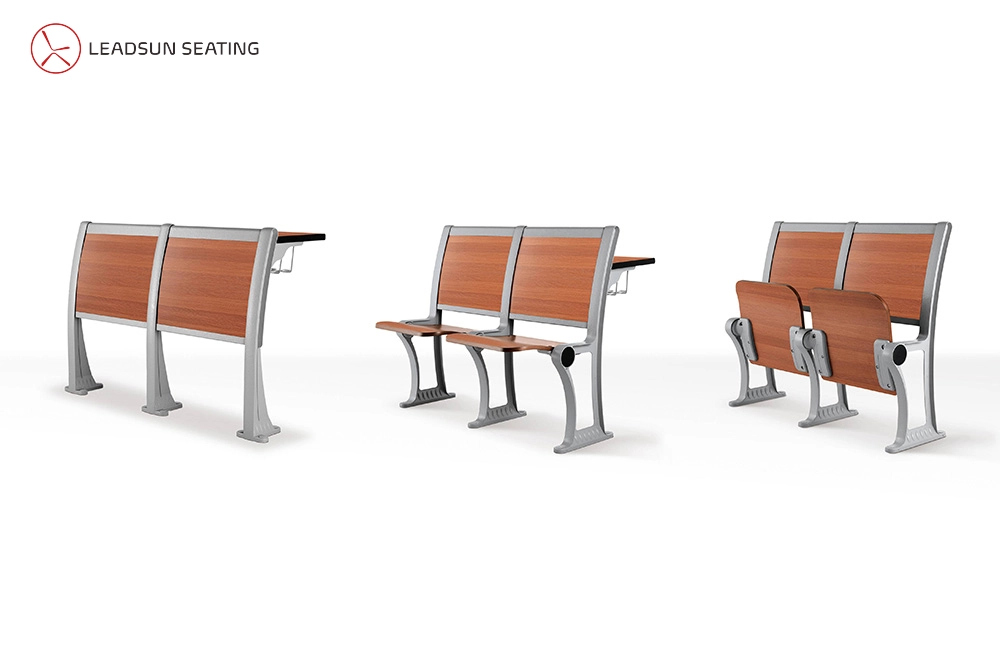
LS-908 Series Fixed Public Auditorium Chair or Tiered Classroom Solutions by Leadsun Seating
Introducing the LS-908 Series by Leadsun, your ideal solution for tiered classroom seating and fixed public auditorium chairs. Designed for comfort and durability, this series enhances audience engagement in educational and corporate settings. Discover the perfect blend of functionality and style with Leadsun Seating.
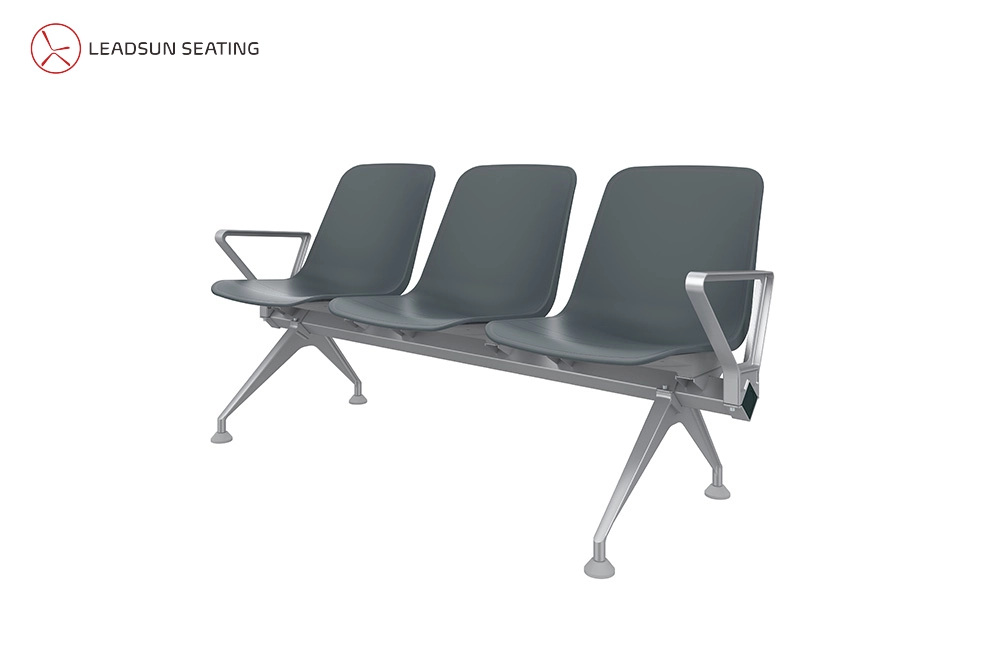
LS-550 Comfortable and Durable Waiting Chair | Customizable Waiting Chair Supplier Leadsun Seating
The LS-550 waiting chair from Leadsun offers superior comfort and durability for any public place. Customize your seating with Leadsun, a leading customizable waiting chair supplier. Ideal for high-traffic areas, the LS-550 ensures lasting performance and style.
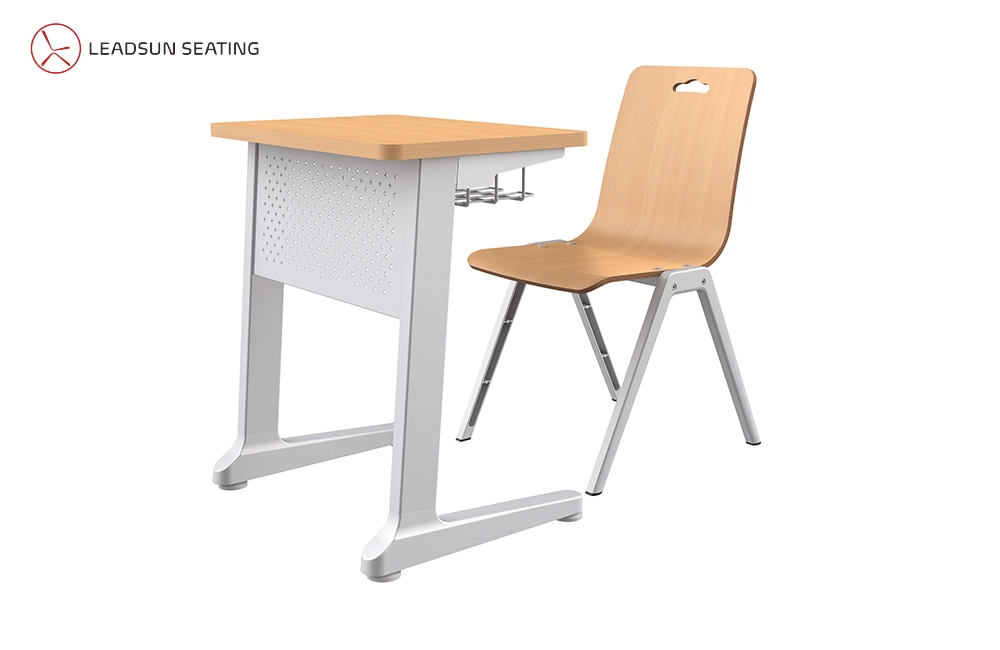
LS-9301 Single movable classroom chair |The Ultimate Flexible Solution for Modern Classrooms by Leadsun Seating
Leadsun's LS-9301 single movable classroom chair offers ultimate flexibility for modern learning environments. This activity desk and chair solution ensures comfortable and adaptable seating for students. Ideal for dynamic classrooms.
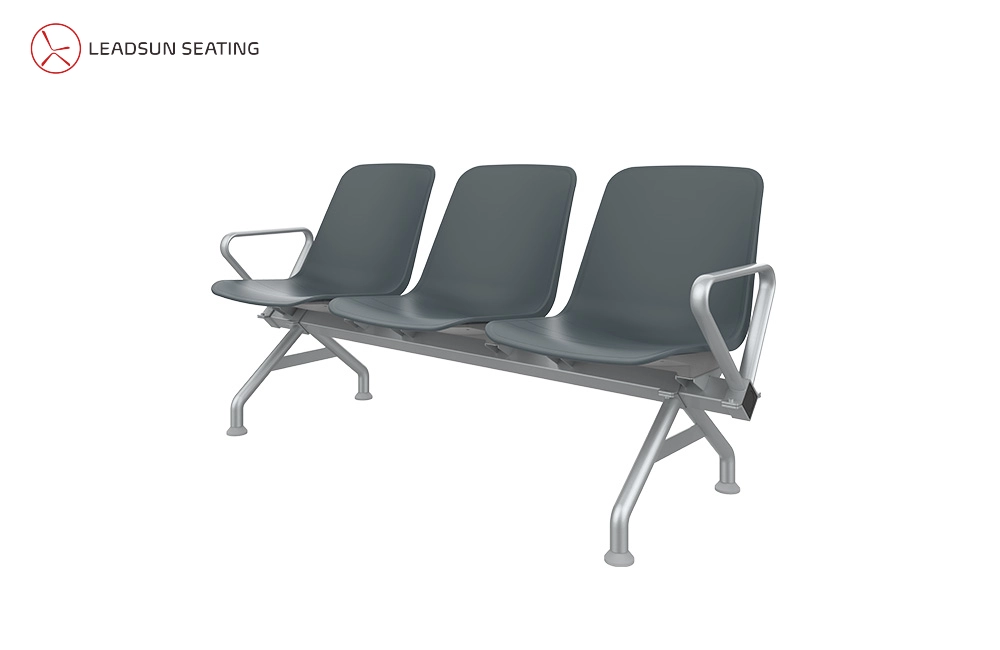
LS-551 Ergonomic Modular Waiting Chairs | Commercial Seating Solutions by Leadsun Seating
Leadsun's LS-551 Ergonomic Modular Waiting Chairs offer superior comfort for any commercial space. Ideal for hospitals, airports, and more, these modular chairs provide flexible configurations and ergonomic support. Experience unmatched comfort and style with Leadsun Seating.
Ready for your public seating project?
We specialize in providing high-quality, customizable seating solutions for public spaces, and we are excited to assist you with your project.
Our professional team will quickly answer your questions and provide customized solutions to ensure you have a worry-free experience.

Leadsun Seating is also engaged in the design, development, production, and marketing of lightweight public seats in public places, with an annual output of desks and chairs.
 Scan QR Code