







How to select durable waiting room chairs on a budget?
- 1) How can I evaluate the real-world durability of budget waiting room chairs for a high-traffic lecture hall before ordering 100+ units?
- 2) Which material combinations (frame, seat core, upholstery) give the best lifespan for lecture hall seating while keeping unit cost under $100?
- 3) What exact inspection checklist should I use when reviewing a sample chair to avoid unexpected failures after a bulk purchase?
- 4) How should I prioritize features (stackability, antimicrobial finish, fire-code compliance, ergonomics) when constrained by budget for lecture hall seating?
- 5) How do I calculate a reliable total cost of ownership (TCO) per chair versus simply comparing sticker prices?
- 6) What warranty terms, factory certifications, and factory QA documentation should I insist on when buying cheap waiting room chairs from overseas suppliers?
- Concluding summary: advantages of specifying durable, budget office waiting room chairs for lecture hall seating
How to Select Durable Office Waiting Room Chairs on a Budget for Lecture Hall Seating
Buying affordable office waiting room chairs for lecture halls is more than price-shopping. You must balance durability, code compliance, maintenance, and ergonomic comfort while keeping per-seat costs low. Below are six long-tail questions beginners often ask that lack depth elsewhere, followed by step-by-step, specification-driven answers you can use when specifying, sampling, or negotiating bulk orders.
1) How can I evaluate the real-world durability of budget waiting room chairs for a high-traffic lecture hall before ordering 100+ units?
What manufacturers show on a spec sheet rarely equals real-life performance in a lecture hall used daily by hundreds of people. Use this pragmatic durability evaluation protocol before bulk purchase:
- Request third-party test reports: insist on BIFMA (ANSI/BIFMA X5.1 or X5.4 for stacking) or equivalent fatigue/cycle test data. If unavailable, request accelerated life-cycle testing (e.g., seat/back cyclic load tests) from the factory or lab.
- Inspect sample under static and dynamic load: sit, lean, twist, and bounce. Look for permanent squeaks, loosened joints, or plastic deformation. Ask floor staff to simulate daily use for a week and note wear.
- Check frame gauge and weld quality: for steel chair frames, look for continuous welds, no undercut, and powder-coated finish. Typical durable commercial frames use 1.2–2.0 mm (approx. 16–18 gauge) steel tubing—ask supplier for tube dimensions and wall thickness.
- Examine attachment hardware: fasteners should be captive or lock-tight; exposed sheet-metal screws that back out are a red flag. Torque a sample screw to manufacturer spec to confirm retention.
- Verify seat pan and substrate: plywood-backed upholstery or injection-molded polypropylene shells perform differently—request a cross-sectional sample to inspect glue lines, edge banding, and substrate thickness.
- Ask for a small field trial: deploy 10–20 chairs in the same lecture-hall conditions for 3–6 months under a short-term purchase agreement. Monitor for breakage rates and maintenance needs before committing to the full order.
These steps convert subjective impressions into measurable criteria you can compare across vendors and avoid expensive large-order mistakes.
2) Which material combinations (frame, seat core, upholstery) give the best lifespan for lecture hall seating while keeping unit cost under $100?
On a strict per-chair budget, you must prioritize structural materials and smart upholstery choices to maximize lifespan:
- Frame: powder-coated steel frames provide the best cost-to-durability ratio. For budget chairs, look for tubular steel with closed-section construction and a minimum wall thickness statement from the manufacturer. Avoid thin stamped metal that bends under load.
- Seat core: inexpensive options include high-density polypropylene shells or multi-ply birch/okoume plywood seat substrates. Polypropylene shells are low-maintenance and impact resistant; plywood with a laminate top gives a sturdier platform for upholstered seats.
- Foam: choose high-resilience (HR) foam or medium-density polyurethane with a minimum expected compression set suitable for heavy use. On budget chairs, pick thicker foam with better recovery rather than a denser thin cushion—comfort often comes from thickness and support design, not just density.
- Upholstery: commercial fabrics are measured in double-rub or Martindale abrasion ratings. For lecture halls, target at least 30,000 double rubs (Wyzenbeek) or equivalent Martindale value. Vinyl or performance polyester blends are easier to clean and often cheaper; choose antimicrobial or stain-resistant finishes if cleaning demands are high.
- Finish: powder-coated finishes resist chips better than wet paint; choose a factory-applied polyester powder coat with corrosion resistance and a minimum film thickness specified.
With cost constraints under $100 per chair, common durable combinations are: powder-coated steel frame + polypropylene shell (non-upholstered) or steel frame + plywood core with thin PU foam and commercial fabric. These give a practical 5–10 year service life in heavy-use settings if properly maintained.
3) What exact inspection checklist should I use when reviewing a sample chair to avoid unexpected failures after a bulk purchase?
Use this itemized checklist at sample inspection and on-site deliveries to prevent common failures:
- Structural checks
- Frame straightness: place on a flat surface and check for wobble or rocking.
- Weld quality: continuous, no porosity, no cracks; no sharp slag.
- Fasteners: all screws/bolts present, tightened to spec, and lock washers or threadlock used where visible movement occurs.
- Functional checks
- Seat height, depth, and tilt match spec; measure with a tape to ensure dimensional conformity.
- Stackability (if applicable): stack 5–10 units and check for stable stacking, correct alignment, and no damage to finishes.
- Casters/feet: verify glide quality, floor protection pads, and whether anti-scratch inserts are included.
- Comfort and upholstery
- Seam strength: pull test on stitching and seam allowance—no seam slippage.
- Fabric abrasion rating: request and verify the double-rub or Martindale rating on the sample tag.
- Foam resilience: press and hold to see recovery; watch for permanent deformation.
- Safety and compliance
- Fire labels: check for CAL TB117-2013 or regional fire-code compliance on upholstery (or equivalent local standard).
- Certifications: request BIFMA/ISO/Greenguard test reports and check factory QA stamps (ISO 9001).
- Finish and corrosion resistance
- Coating adhesion: scratch test in a non-conspicuous area to ensure powder coat adhesion.
- Edge finishing: inspect exposed plywood or molded edges for delamination or burrs.
Document findings with photos and a pass/fail signoff. Use failed items to negotiate repair, replacement, or price adjustments before confirming the full order.
4) How should I prioritize features (stackability, antimicrobial finish, fire-code compliance, ergonomics) when constrained by budget for lecture hall seating?
When money is tight, rank features by safety, longevity, and operational impact. A recommended priority order:
- Code compliance and safety: fire-code labels and structural stability come first—non-compliant chairs create regulatory and liability risks.
- Structural durability: frame and connection robustness—if frames fail, costs escalate due to replacements and downtime.
- Maintainability and cleaning: smooth surfaces, stain-resistant fabrics, and replaceable seat covers reduce life-cycle costs.
- Stackability and storage: stackable designs save space and labor; ensure stacking does not damage seats.
- Basic ergonomics: adequate seat depth, supportive back, and correct seat height—optimize for average user anthropometrics in your region.
- Optional features (antimicrobial finishes, advanced aesthetics): include only if budget allows or if specific infection-control policies demand them.
For lecture halls, sacrificing aesthetics to secure a compliant, easy-to-maintain, structurally-sound chair usually yields the best total value.
5) How do I calculate a reliable total cost of ownership (TCO) per chair versus simply comparing sticker prices?
TCO helps you avoid the “cheap now, expensive later” trap. Use this formula:
TCO per chair per year = (Purchase price + Cumulative maintenance + Repair/replacement costs + Disposal/resale value adjustments) ÷ Expected service life (years)
Sample conservative example for a budget waiting-room chair:
- Purchase price: $70
- Annual maintenance/cleaning: $5/year
- Minor repairs average: $10 over lifespan (e.g., tightenings, glides): $10
- Expected service life: 7 years
- TCO/year = (70 + (5×7) + 10) / 7 = (70 + 35 + 10) / 7 = 115 / 7 ≈ $16.43 per year
Compare this to a higher-grade chair at $180 with lower maintenance and a 12-year life:
- Purchase price: $180
- Annual maintenance: $3/year
- Minor repairs: $15 over lifespan
- Expected life: 12 years
- TCO/year = (180 + (3×12) + 15) / 12 = (180 + 36 + 15) / 12 = 231 / 12 ≈ $19.25 per year
In this example, the budget chair has a lower annual cost, but consider non-financial factors such as user comfort, replacement disruption, and brand perception. Always model repairs at different failure rates (e.g., 0.5% vs. 5% annual failure) to understand risk.
6) What warranty terms, factory certifications, and factory QA documentation should I insist on when buying cheap waiting room chairs from overseas suppliers?
Don’t accept vague warranty statements. Request written, signed documents and verify factory credentials:
- Warranties: demand a minimum written warranty—3 years for structural/frame elements and 1 year for upholstery for budget chairs. If the supplier refuses written terms, consider it a red flag.
- Test reports and certifications: require copies of independent BIFMA or equivalent test reports, ISO 9001 factory certification, and any relevant fire-safety test reports (e.g., CAL TB117-2013 or local equivalents). For environmental/chemical concerns, ask for REACH or RoHS declarations where applicable.
- Production quality documents: ask for inbound material certificates (steel grade, powder-coat spec), batch production photos, and random pre-shipment inspection (PSI) reports from a third-party QC firm. Specify acceptable defect rates (e.g., AQL 1.5 for critical defects, AQL 2.5 for major defects).
- Replacement and lead-time clauses: include explicit clauses for defective batches, lead times for replacement units, and penalties for late delivery or high failure rates.
- Sample-to-batch conformity: require that the production run exactly matches pre-approved samples (color, fabric roll number, dimensions) and allow for a small number of replacements if variance occurs.
Insist on these documents in the purchase contract. Verified warranty and factory QA documentation are your primary protections when purchasing low-cost, high-quantity seating abroad.
Concluding summary: advantages of specifying durable, budget office waiting room chairs for lecture hall seating
When you prioritize code compliance, structural durability, maintainability, and a documented inspection process, you can buy budget office waiting room chairs that deliver multi-year, low-cost service in lecture halls. The chief advantages are predictable TCO, reduced downtime from field failures, and easier ongoing maintenance—especially when you require BIFMA/ISO test reports, a clear warranty, and a sample field trial before large orders.
For a no-obligation quotation, sample inspection support, or help writing a purchase contract that protects your institution, contact us for a quote at www.leadsunseating.com or email [email protected].

15 Best Office Waiting Room Chairs of 2026: The Ultimate Comfort & Style Guide

The Future of Reception Areas: 10 Modern Waiting Room Chair Trends to Watch in 2026

Airport Seating Reimagined: The 2026 Global Guide to Terminal Comfort and Design

7 Costly Mistakes Facilities Managers Make When Specifying Commercial Bench Seating

Commercial Beam Seating Solutions for High-Traffic Public Spaces
One Stop Airport Terminal Seating
What is the one-stop airport terminal lounge seating solution?
This solution covers the entire process, from initial needs assessment, personalized design, and professional manufacturing, to installation, delivery, and after-sales maintenance. It offers an integrated seating configuration service for airports, eliminating the need for coordinating with multiple parties.
How does the seat design ensure passenger comfort?
The solution adopts ergonomic design principles. We optimize seat curves, backrest angles, and seat surface materials to effectively relieve the fatigue of passengers during long waits.
What does the after-sales service include?
Our after-sales service covers daily maintenance guidance, regular inspections, fault repairs, and component replacements. Our professional after-sales team is available 24/7 to ensure the long-term stable operation of the seats.
FAQs
How can I request a quote for a seating project?
You can easily request a quote by contacting our sales team through our website or by email. Provide details about your project, including the quantity and specific requirements, and we will get back to you with a tailored quote.
Are your seating solutions suitable for outdoor use?
Yes, many of our seating solutions are designed to withstand outdoor conditions. We use weather-resistant materials and coatings to ensure durability and performance in public outdoor environments.
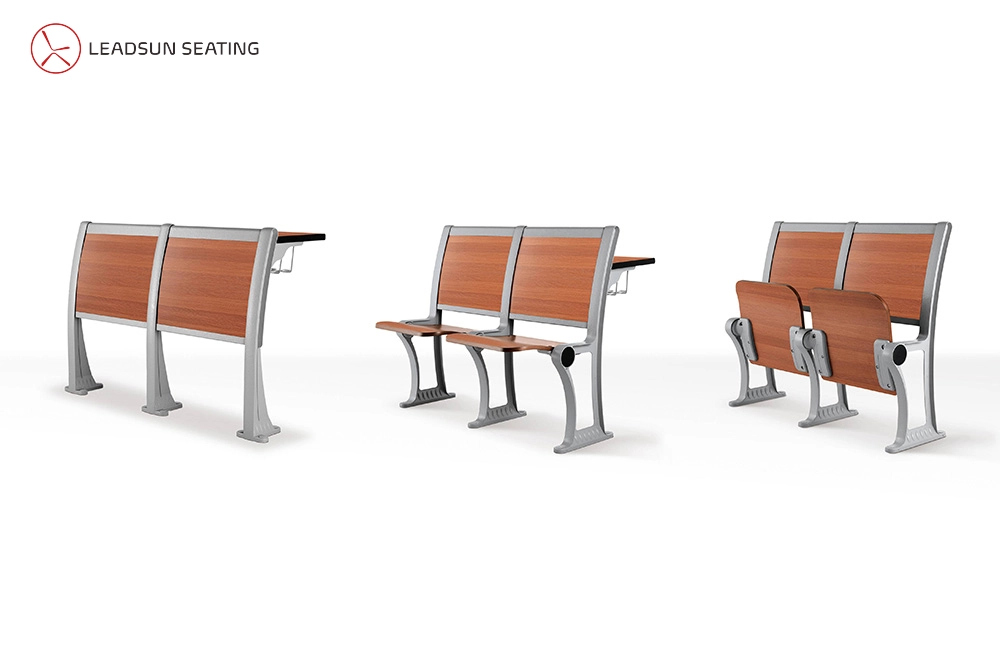
LS-908 Series Fixed Public Auditorium Chair or Tiered Classroom Solutions by Leadsun Seating
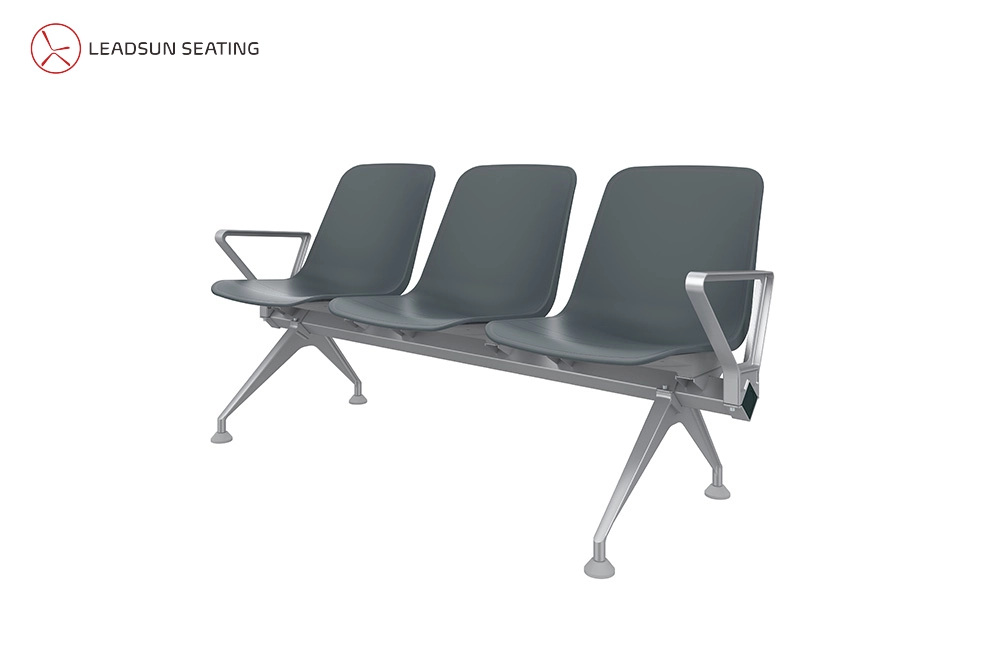
LS-550 Comfortable and Durable Waiting Chair | Customizable Waiting Chair Supplier Leadsun Seating
The LS-550 waiting chair from Leadsun offers superior comfort and durability for any public place. Customize your seating with Leadsun, a leading customizable waiting chair supplier. Ideal for high-traffic areas, the LS-550 ensures lasting performance and style.
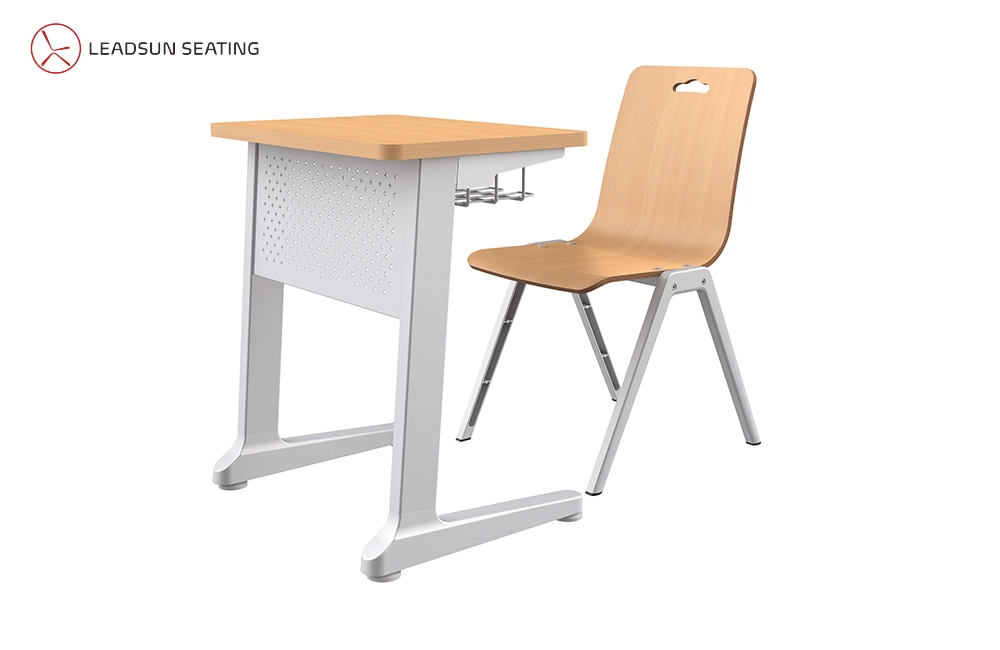
LS-9301 Single movable classroom chair |The Ultimate Flexible Solution for Modern Classrooms by Leadsun Seating
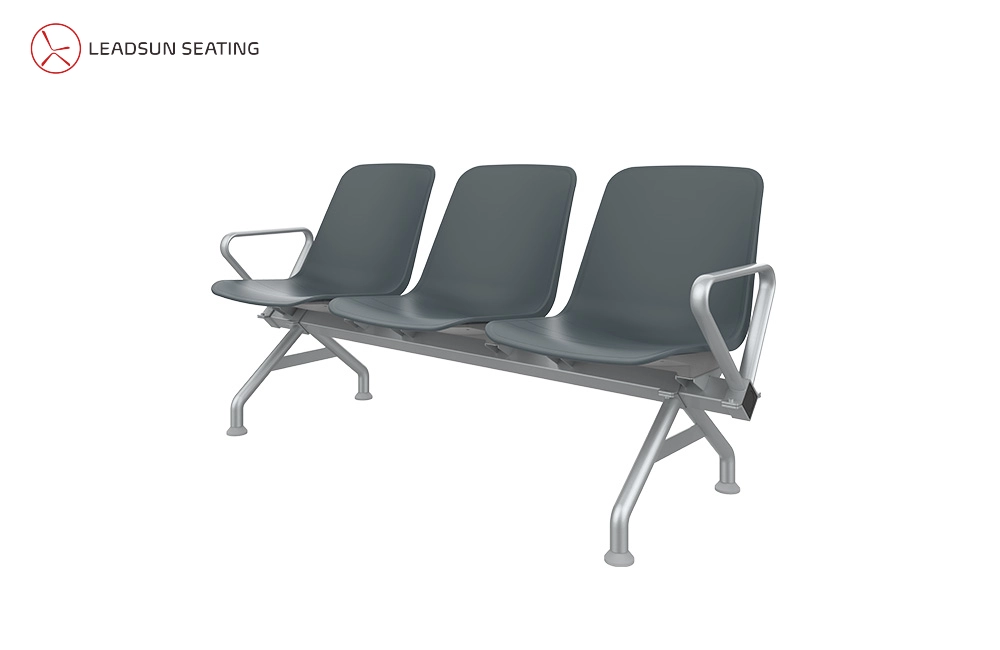
LS-551 Ergonomic Modular Waiting Chairs | Commercial Seating Solutions by Leadsun Seating
Ready for your public seating project?
We specialize in providing high-quality, customizable seating solutions for public spaces, and we are excited to assist you with your project.
Our professional team will quickly answer your questions and provide customized solutions to ensure you have a worry-free experience.

Leadsun Seating is also engaged in the design, development, production, and marketing of lightweight public seats in public places, with an annual output of desks and chairs.
 Scan QR Code