







Leadsun seating offers a wide range of seating solutions for public spaces, including benches, chairs, waiting area seating, auditorium seating, and customized solutions tailored to specific project needs.
What maintenance tips extend the life of waiting room chairs?
2026-03-28
Detailed, practitioner-grade answers to six long-tail questions about office waiting room chairs and lecture hall seating—covering upholstery durability, maintenance schedules, safe cleaners, foam support, tablet arms, and preventive parts inventory to extend service life.
- 1. How do I choose upholstery and finishes for office waiting room chairs that will resist daily abrasion, clean easily, and not void the manufacturer warranty?
- 2. What specific preventive maintenance checklist and schedule will extend the life of bolted lecture hall seating in high-traffic auditoriums?
- 3. Which cleaning chemicals and concentrations are safe for stain-resistant vinyl and antimicrobial fabrics on office waiting room chairs without accelerating material failure?
- 4. How should I assess foam density and seat support in waiting chairs to prevent sagging and ensure ergonomic durability?
- 5. What maintenance and retrofitting steps keep folding tablet arms and writing tablets functional in lecture hall seating over many years?
- 6. How do I set up a preventive maintenance contract and spare parts inventory to minimize downtime and lifecycle costs for reception and auditorium seating?
- Concluding summary: Advantages of investing in professionally specified lecture hall seating and well-maintained office waiting room chairs
Office Waiting Room Chairs: Practical, Professional Answers for Lecture Hall Seating Purchases and Maintenance
When buying reception seating, auditorium rows or office waiting room chairs, buyers frequently find scattered or superficial online advice. Below are six specific, pain-point–oriented questions beginners (and procurement teams) often ask, each followed by an evidence-based, actionable answer that reflects industry best practices for lecture hall seating, reception seating and visitor chairs.
1. How do I choose upholstery and finishes for office waiting room chairs that will resist daily abrasion, clean easily, and not void the manufacturer warranty?
Why this matters: Fabric failure and premature wear are among the top reasons for costly reupholstery or early replacement of reception seating and lecture hall chairs.
Actionable selection checklist:
- Specify a commercial-grade fabric with a Martindale abrasion rating of at least 30,000 cycles (or 100,000 double rubs on Wyzenbeek) for high-traffic public seating. These thresholds are standard in the seating industry for heavy use.
- Choose stain-resistant finishes (e.g., fluorochemical treatments) or naturally low-absorbency coverings such as polyurethane (medical-grade vinyl) for waiting areas prone to spills. For lecture halls where writing tablets and backpacks rub seats, consider performance textiles labeled for contract use.
- Confirm fire and safety compliance—ask for TB117-2013 (or local equivalent) or NFPA certifications where required by building code. Compliance affects allowable treatments and cleaning chemicals.
- Get cleaning and maintenance specs in writing from the manufacturer or supplier. Many warranties require using manufacturer-approved cleaners and documented maintenance to remain valid.
- Request a small swatch and perform an on-site cleanability test (hidden area) with the cleaners you will use—do this before purchase to check colorfastness and surface degradation.
Practical example: For a medical office waiting room choose a 100% polyurethane vinyl with a 30k+ Martindale equivalent and an antimicrobial finish if required; request the manufacturer’s cleaning protocol and warranty terms in the contract.
2. What specific preventive maintenance checklist and schedule will extend the life of bolted lecture hall seating in high-traffic auditoriums?
Why this matters: Lecture halls and auditoriums experience concentrated, repeated use. Small loose bolts or sticking pivots become safety and longevity problems.
Preventive maintenance schedule (practical, frequency-based):
- Daily/after-event visual: quick walk-through to remove debris and ensure no obvious loose parts or damage.
- Monthly (high-traffic venues) / Quarterly (moderate use): seat operation test (folding seats, tablet arms), wipe upholstery with manufacturer-approved cleaner, inspect for tears, check row anchoring and aisle clearance.
- Every 3–6 months: torque-test and tighten bolts to manufacturer specs (or use calibrated torque tool); inspect pivot shafts and replace any with visible wear.
- Annually: lubricate moving parts with recommended lubricant (dry film for powder-coated frames; silicone-based or light machine oil per vendor advice), check powder coat for chips and touch-up to prevent corrosion, measure seat sag and note foam compression.
- Every 3–5 years (depending on use): schedule upholstery inspections and foam compression tests; plan for selective foam replacement or reupholstery as part of lifecycle budgeting.
Record keeping: maintain a digital log (date, action, staff, photos) and map seats with serial numbers. This improves warranty claims, parts ordering and ROI analysis.
3. Which cleaning chemicals and concentrations are safe for stain-resistant vinyl and antimicrobial fabrics on office waiting room chairs without accelerating material failure?
Why this matters: Using harsh or incompatible chemicals saves short-term labor but shortens upholstery life and may void warranties.
Cleaning guidance grounded in industry practice:
- Daily spot-cleaning: use a pH-neutral detergent solution (e.g., mild dish soap diluted in water). Apply with a microfiber cloth, then rinse with clean water and dry. Avoid soaking seams.
- Disinfection: 70% isopropyl alcohol is effective for quick disinfecting on many vinyls and some treated fabrics—test first. For validated surface disinfection in healthcare settings, 0.1% sodium hypochlorite (bleach) is commonly cited by WHO for surfaces, but bleach can degrade some vinyls and color finishes—only use if the manufacturer approves and always rinse thoroughly.
- Hydrogen peroxide (0.5–1% for surface use) can be a gentler disinfectant alternative; again, validate with manufacturer guidance.
- Avoid: concentrated bleach, abrasive cleaners, solvent-based degreasers, or petroleum-based products unless the seat material is specified as resistant to them.
- Test first: always spot test a hidden area for colorfastness and surface integrity and document results as required by warranty terms.
Tip: include a vendor-approved cleaning protocol in procurement contracts so facility staff can use correct products without risking coverage.
4. How should I assess foam density and seat support in waiting chairs to prevent sagging and ensure ergonomic durability?
Why this matters: Foam compression is the leading cause of seating that feels “worn out” even when frames and upholstery look fine.
Assessment and specs:
- Foam density benchmark: for heavy-use commercial seating, specify high-resilience (HR) foam with a density typically in the range of 1.8–2.8 lb/ft³. Higher density yields better long-term support for lecture hall and reception seating.
- Indentation Load Deflection (ILD) matters: choose appropriate ILD values (firmer for stacked/benched seating; medium-firm for visitor chairs). Ask suppliers for lab test results rather than marketing claims.
- Compression set testing: request published compression set or recovery data when buying in bulk, and plan for replacement intervals (commonly every 5–8 years under heavy use; shorter in high-hour environments).
- Inspection technique: measure seat thickness at a consistent point and compare to new specs; 10–20% permanent reduction in thickness indicates end of comfortable life; log results per row or zone.
- Design choice: consider replaceable foam inserts or modular seat cores to reduce reupholstery cost—many auditorium seat systems allow foam/cover replacement without changing frames.
5. What maintenance and retrofitting steps keep folding tablet arms and writing tablets functional in lecture hall seating over many years?
Why this matters: Broken tablet arms are a top maintenance complaint in lecture halls—negatively affecting user experience and increasing repair costs.
Maintenance and retrofit plan:
- Routine tightening of tablet-mount fasteners every 3–6 months to maintain alignment and prevent stress fractures.
- Lubricate hinge pivots annually with a dry lubricant or manufacturer-specified product to prevent binding—avoid heavy oils that attract dust.
- Surface protection: use high-pressure laminate (HPL) or phenolic tops for tablets in high-use classrooms; they are more scratch, moisture and graffiti resistant than plain MDF.
- Retrofit options: replace worn hinge kits, install gas-assist supports where feasible to reduce impact stress, or add edge guards to protect laminate faces.
- Parts strategy: keep an inventory of 5–10% spare tablet tops, hinge kits and mounting brackets for large auditoriums to reduce downtime. Document part numbers and manufacture lead times in procurement files.
6. How do I set up a preventive maintenance contract and spare parts inventory to minimize downtime and lifecycle costs for reception and auditorium seating?
Why this matters: Unplanned repairs create scheduling headaches and often cost more than a small preventive budget would.
How to set up an effective program:
- Scope: define which assets are in scope (row counts, seat serials, tablet arms, bolting systems, flooring anchors).
- Service frequency & SLA: agree on inspection intervals (monthly visual, quarterly functional, annual deep service) and response time SLAs for emergency repairs (e.g., 48–72 hours for a critical aisle or safety issue).
- Spare parts list: maintain on-hand spares for the most failure-prone components—pivot shafts, hinge kits, foam inserts, upholstery patches, mounting hardware. For large venues, stock 5–10% of seat count in critical parts.
- Costing & lifecycle budget: project a 5–10 year lifecycle replacement budget—include scheduled reupholstery, foam replacement, and occasional frame touch-ups. Many facilities allocate 5–10% of initial seating cost per year for maintenance/reserve.
- Documentation & training: require the vendor to provide an as-built parts list, maintenance manual, torque specs and a training session for on-site staff. Insist on digital records of every service call for warranty support.
Vendor tips: negotiate spare-part pricing and lead-times into the procurement contract. For custom lecture hall seating, secure a parts list tied to seat serial numbers so replacements match original components.
Concluding summary: Advantages of investing in professionally specified lecture hall seating and well-maintained office waiting room chairs
High-quality reception seating and lecture hall chairs specified with commercial-grade upholstery, proper foam density, and serviceable components deliver longer usable life, better ergonomics, improved user experience, and lower total cost of ownership. A disciplined preventive maintenance schedule, manufacturer-approved cleaning protocols, and a small spare-parts inventory reduce downtime, protect warranties, and postpone costly full replacements. When buyers prioritize Martindale-rated fabrics, TB/NFPA compliance, replaceable foam cores, and documented maintenance contracts, they convert seating from a recurring headache into a predictable asset.
For procurement help, custom specifications, or a quote on reception seating, auditorium rows or office waiting room chairs tailored to your facility requirements, contact us at www.leadsunseating.com or email [email protected] for a detailed proposal and onsite assessment.
Recommended for you

15 Best Office Waiting Room Chairs of 2026: The Ultimate Comfort & Style Guide

The Future of Reception Areas: 10 Modern Waiting Room Chair Trends to Watch in 2026

Airport Seating Reimagined: The 2026 Global Guide to Terminal Comfort and Design

7 Costly Mistakes Facilities Managers Make When Specifying Commercial Bench Seating

Commercial Beam Seating Solutions for High-Traffic Public Spaces
Prdoucts Categories
FAQ
FAQs
What types of public seating solutions does Leadsun seating provide?
One Stop Airport Terminal Seating
Can the solution meet the needs of airports of different sizes?
Whether it’s a small regional airport or a large international hub, we can customize the seating types and layout plans according to passenger flow, terminal area size, and functional positioning. This ensures we flexibly meet the requirements of all types of airports.
How long is the production cycle? Can you deliver on time?
The production cycle depends on the order size and customization complexity. We’ll create a detailed production plan in advance and have a professional logistics and installation team in place to ensure on-time delivery and efficient implementation.
What is the one-stop airport terminal lounge seating solution?
This solution covers the entire process, from initial needs assessment, personalized design, and professional manufacturing, to installation, delivery, and after-sales maintenance. It offers an integrated seating configuration service for airports, eliminating the need for coordinating with multiple parties.
Can you provide personalized seat customization?
We support comprehensive customization, including seat styles, functional modules (like charging ports, cup holders, etc.), color schemes, and even integrating airport brand elements to showcase a unique style.
You may also like
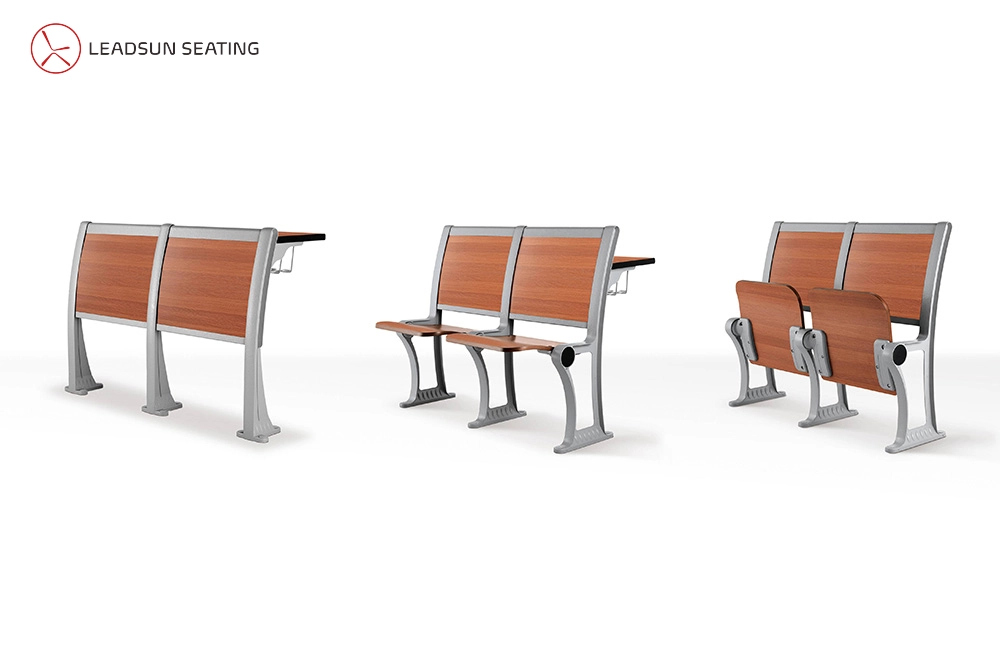
LS-908 Series Fixed Public Auditorium Chair or Tiered Classroom Solutions by Leadsun Seating
Introducing the LS-908 Series by Leadsun, your ideal solution for tiered classroom seating and fixed public auditorium chairs. Designed for comfort and durability, this series enhances audience engagement in educational and corporate settings. Discover the perfect blend of functionality and style with Leadsun Seating.
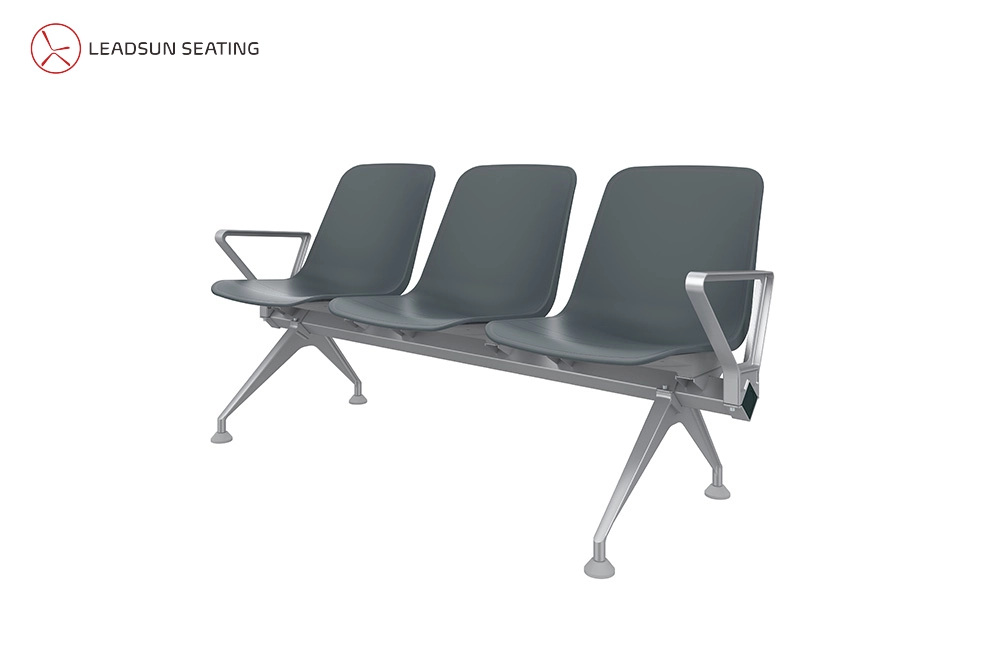
LS-550 Comfortable and Durable Waiting Chair | Customizable Waiting Chair Supplier Leadsun Seating
The LS-550 waiting chair from Leadsun offers superior comfort and durability for any public place. Customize your seating with Leadsun, a leading customizable waiting chair supplier. Ideal for high-traffic areas, the LS-550 ensures lasting performance and style.
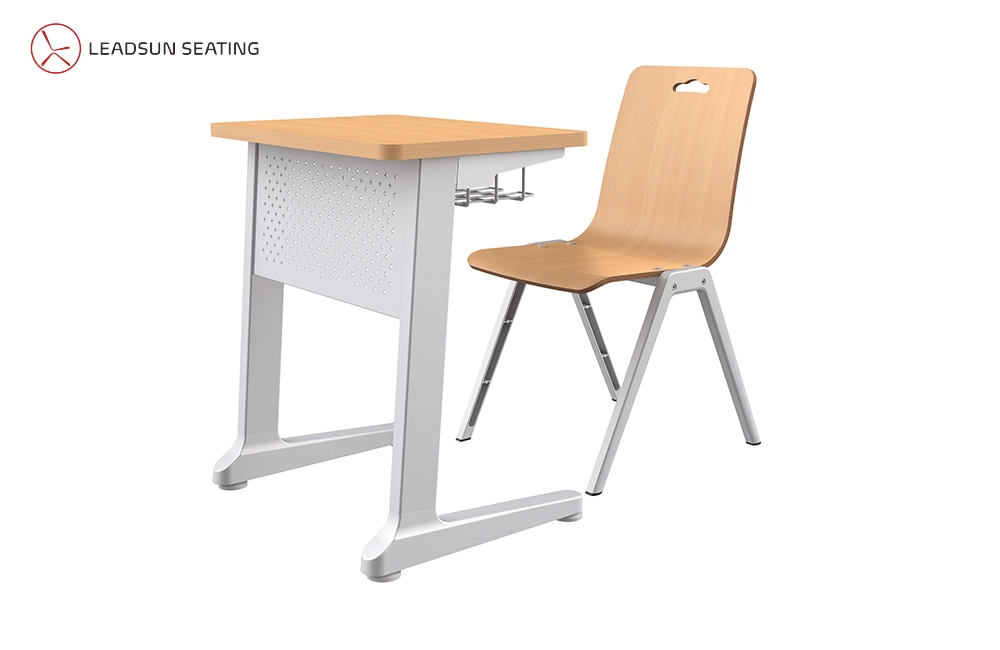
LS-9301 Single movable classroom chair |The Ultimate Flexible Solution for Modern Classrooms by Leadsun Seating
Leadsun's LS-9301 single movable classroom chair offers ultimate flexibility for modern learning environments. This activity desk and chair solution ensures comfortable and adaptable seating for students. Ideal for dynamic classrooms.
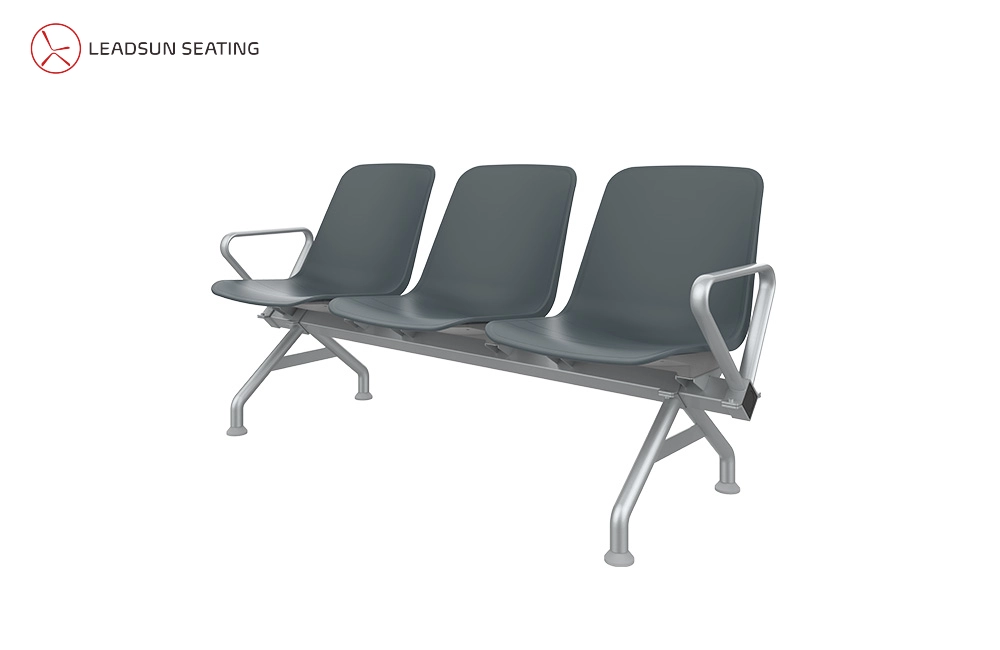
LS-551 Ergonomic Modular Waiting Chairs | Commercial Seating Solutions by Leadsun Seating
Leadsun's LS-551 Ergonomic Modular Waiting Chairs offer superior comfort for any commercial space. Ideal for hospitals, airports, and more, these modular chairs provide flexible configurations and ergonomic support. Experience unmatched comfort and style with Leadsun Seating.
Ready for your public seating project?
We specialize in providing high-quality, customizable seating solutions for public spaces, and we are excited to assist you with your project.
Our professional team will quickly answer your questions and provide customized solutions to ensure you have a worry-free experience.

Leadsun Seating is also engaged in the design, development, production, and marketing of lightweight public seats in public places, with an annual output of desks and chairs.
 Scan QR Code