







What materials make waiting area chairs durable and cleanable?
- 1) Which upholstery material best balances 30,000+ double rub durability, stain resistance and repeated disinfecting in busy lecture-hall waiting areas?
- 2) How do powder‑coated steel frames compare to aluminum or stainless steel for corrosion resistance, weight and installation in long runs of lecture-hall seating?
- 3) What seat shell material (polypropylene, molded plywood, composite) best survives daily use by 200+ students and repeated hospital‑grade cleaning?
- 4) How should I specify foam density, ILD and fire‑retardant treatments so seat cushions last 5–10 years in a lecture hall while meeting safety requirements?
- 5) What cleanable and replaceable components should I demand in specs to minimize downtime and lifecycle cost for lecture-hall waiting area chairs?
- 6) Which finish treatments and antimicrobial technologies keep their certification after repeated use of hospital‑grade disinfectants?
1) Which upholstery material best balances 30,000+ double rub durability, stain resistance and repeated disinfecting in busy lecture-hall waiting areas?
Answer:For heavy-use lecture hall waiting areas, choose commercial-grade synthetic upholstery specified for >30,000 Wyzenbeek (or equivalent Martindale) double-rub cycles. Materials that best balance durability and cleanability are:
- PVC-based vinyl (medical-grade ‘hard’ vinyl): very cleanable with hospital disinfectants, highly stain resistant, and available in fire-rated versions. It can tolerate frequent wiping with diluted bleach solutions when manufacturer guidance is followed.
- Coated polyurethane (PU) leatherette: softer hand than PVC, good stain resistance, easier to clean than textiles. High-quality PU resists cracking if specified with UV and hydrolysis stabilization.
- Performance textiles with a fluorocarbon or polyurethane finish: some fabrics are engineered for commercial use and can be wiped and periodically steam cleaned, but they typically require milder disinfectants than vinyl.Important specification notes: require laboratory test reports showing the Wyzenbeek or Martindale result, accelerated aging data (UV and hydrolysis where relevant), and manufacturer guidance on maximum disinfectant concentrations. For infection control, many facilities use 0.1% sodium hypochlorite (1000 ppm) recommendations for disinfection—confirm the upholstery warranty won’t be voided by that agent. For lecture halls with high turnover, vinyl or high-quality PU often deliver the best balance of durability and ease of disinfection while keeping lifecycle costs predictable.
2) How do powder‑coated steel frames compare to aluminum or stainless steel for corrosion resistance, weight and installation in long runs of lecture-hall seating?
Answer:
- Powder-coated steel: offers strong structural performance and is cost-effective for long continuous row seating. Powder coating provides a durable finish that resists chipping and moisture when properly pretreated. For indoor lecture halls with controlled humidity, powder-coated steel balances strength and cost. Ask for ASTM (or equivalent) salt-spray test data for the coating when the seats are in coastal or high-humidity environments.
- Aluminum frames: lighter and intrinsically corrosion-resistant (no rust) — useful when weight reduction eases transport or subfloor anchoring. Aluminum requires careful design to achieve the same stiffness as steel at equivalent cost.
- Stainless steel: highest corrosion resistance and longevity in very aggressive environments, but higher initial cost and greater weight than aluminum in some designs.Specification tips: request frame wall thickness, load capacity per seat (kN or lbs), welding/fastening details, powder-coating finish class, and corrosion test certificates. For long lecture-hall runs, powder-coated steel with epoxy primer is common and economical; choose aluminum or stainless where moisture, cleaning chemicals, or longevity requirements justify the High Quality.
3) What seat shell material (polypropylene, molded plywood, composite) best survives daily use by 200+ students and repeated hospital‑grade cleaning?
Answer:
- Injection-molded polypropylene (PP): highly chemical resistant, impact tolerant, and easy to clean. PP shells handle bleach-based cleaning and frequent abrasion with minimal loss of integrity. They are lightweight and often used in high-turnover lecture halls.
- HDPE (high-density polyethylene): similar chemical resistance and excellent toughness; good for molded benches or curved shells.
- Molded plywood / veneer shells: excellent aesthetics and ergonomic shaping, but require sealed finishes (UV-cured lacquer or varnish) to withstand repeated cleaning. Solvent-borne cleaners or concentrated bleach can degrade the finish over time.
- Composite shells (glass-fiber reinforced plastic): high strength and durability but check for UV and chemical resistance in the laminate and gelcoat.Recommendation: for high-traffic lecture-hall waiting areas where aggressive disinfecting is routine, polypropylene or HDPE shells give the best combination of chemical resistance and low maintenance. If choosing plywood for appearance, specify a durable finish and request maintenance guidance and re-finishing intervals in the contract.
4) How should I specify foam density, ILD and fire‑retardant treatments so seat cushions last 5–10 years in a lecture hall while meeting safety requirements?
Answer:Key foam parameters to specify:
- Foam type: high-resilience (HR) polyurethane foam for commercial seating — it retains shape better than standard foam.
- Density: request manufacturer-specified density and compression set data; commercial HR foams commonly provide better long-term performance (look for supplier test reports rather than relying on a single density number).
- ILD (Indentation Load Deflection): specify ILD ranges appropriate for the application — seat cores commonly fall into mid-range ILD (e.g., 30–45) for a balance of comfort and support; check supplier ILD charts.
- Compression set and fatigue data: require laboratory test results showing % compression set after accelerated cycling (e.g., 50,000 sit cycles) to predict longevity.
- Fire safety: require compliance with local fire regulations (university fire code). In the U.S. and many markets, commercial seating upholstery often has to meet standards such as CAL TB 117-2013 (or the applicable local standard) for flame resistance — request test certificates.
- Treatments: flame-retardant additives or barrier layers can be used; specify that the treatment should not degrade foam resilience nor produce off-gassing beyond applicable indoor air quality limits.As a procurement step, ask suppliers for a projected lifecycle report with expected years of service under defined usage (e.g., 200 uses/day) and include a minimum structural and foam warranty (many commercial vendors offer 5–10 year frame warranties and 1–5 year upholstery/foam warranties).
5) What cleanable and replaceable components should I demand in specs to minimize downtime and lifecycle cost for lecture-hall waiting area chairs?
Answer:Specify modularity and replaceability in the contract to reduce downtime and total cost of ownership:
- Removable seat and back pads with accessible fastenings (concealed bolts or quick-release clips) so upholstery or foam can be replaced without removing the entire chair.
- Replaceable armrests, gaskets and end-caps: these small parts commonly fail from daily impact; having standard spare parts reduces repair time.
- Standardized frame anchor points: for anchored lecture-hall rows, specify bolt patterns and splice points to ease replacement of single seats or modules.
- Replaceable glide/foot components: floors get scratched by damaged glides — keep spares.
- Finish touch-up kits and approved cleaning agents: require the supplier to provide a maintenance kit and cleaning protocol validated for the chosen upholstery and finish.
- Spare parts lead-time clause: include maximum lead-time (e.g., 30–60 days) for replacement parts in the purchase agreement.These design choices lower downtime, reduce the need for full-unit replacement, and let maintenance staff perform quick repairs between classes.
6) Which finish treatments and antimicrobial technologies keep their certification after repeated use of hospital‑grade disinfectants?
Answer:
- Antimicrobial surface treatments: many finishes use silver-ion or other antimicrobial additives, but efficacy may decline with abrasion and over time. When antimicrobial performance is required, ask for independent test reports (ISO, ASTM, or relevant local standards) showing retained efficacy after accelerated wear cycles.
- Durable inorganic finishes: powder-coating and UV-cured polyurethane topcoats tend to maintain color and surface integrity after repeated cleaning. These finishes resist common disinfectants better than some solvent-based paints.
- Fabrics and coatings: specify fabrics tested for repeated exposure to the disinfectants you intend to use (ask the vendor to simulate X cycles with your cleaning regime and provide results). Some coated performance fabrics are specifically validated for bleach tolerance.
- Certification and claims: require vendors to provide third-party test reports and to declare which disinfectants/cleaners are permitted without voiding warranties. Where relevant, request EPA or equivalent regulatory registration documentation for antimicrobial claims.Practical approach: define your approved cleaning chemicals (e.g., 0.1% sodium hypochlorite for general disinfecting as recommended by public health guidance for many viral pathogens) and require suppliers to validate materials for compatibility and to provide a written maintenance protocol that preserves certifications and warranty coverage.
ConclusionChoosing the right combination of upholstery (commercial vinyl or PU), chemically resistant shells (polypropylene/HDPE), corrosion-appropriate frames (powder-coated steel, aluminum or stainless), and high-resilience foams—along with modular, replaceable components—delivers lecture hall waiting area chairs that are both durable and easy to clean. Require Wyzenbeek/Martindale durability data, frame load and corrosion test reports, foam ILD/compression set and fire-safety certificates, and documented disinfectant compatibility. These specification items reduce downtime, lower lifecycle costs and maintain compliance with institutional safety and cleaning protocols.
For a tailored specification and a competitive quote for lecture hall seating and waiting area chairs that meet these standards, contact us at www.leadsunseating.com or email [email protected].

15 Best Office Waiting Room Chairs of 2026: The Ultimate Comfort & Style Guide

The Future of Reception Areas: 10 Modern Waiting Room Chair Trends to Watch in 2026

Airport Seating Reimagined: The 2026 Global Guide to Terminal Comfort and Design

7 Costly Mistakes Facilities Managers Make When Specifying Commercial Bench Seating

Commercial Beam Seating Solutions for High-Traffic Public Spaces
One Stop Airport Terminal Seating
Are there any successful cases we can refer to?
We’ve provided services to numerous international and major domestic airports. We can offer detailed case materials, on-site photos, and client testimonials, so you can get a clear understanding of the solution’s effectiveness.
How do you ensure seat installation doesn't disrupt airport operations?
We’ll develop a detailed installation plan, giving priority to non-peak hours for construction. We also use a modular installation approach to minimize any impact on airport operations.
FAQs
How can I request a quote for a seating project?
You can easily request a quote by contacting our sales team through our website or by email. Provide details about your project, including the quantity and specific requirements, and we will get back to you with a tailored quote.
What maintenance is required for your seating solutions?
The maintenance required depends on the material and location of the seating. Generally, regular cleaning and periodic inspections are recommended. We provide maintenance guidelines with each product to ensure long-term durability.
Do you offer installation services for your seating solutions?
Yes, we offer professional installation services to ensure that the seating is properly installed and meets all safety standards. Our team is experienced in handling both large and small-scale installations.
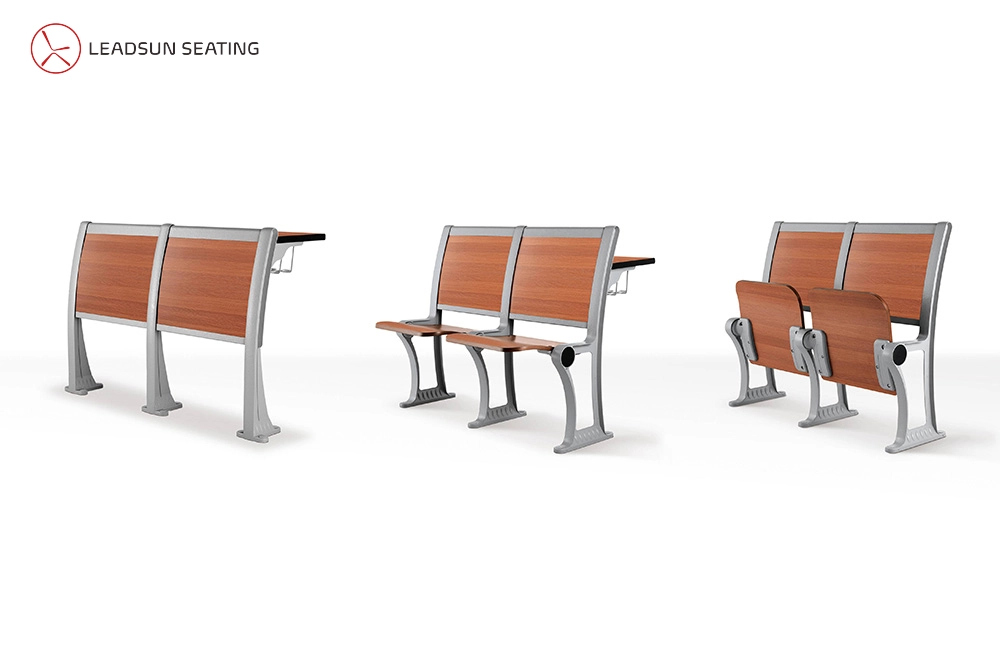
LS-908 Series Fixed Public Auditorium Chair or Tiered Classroom Solutions by Leadsun Seating
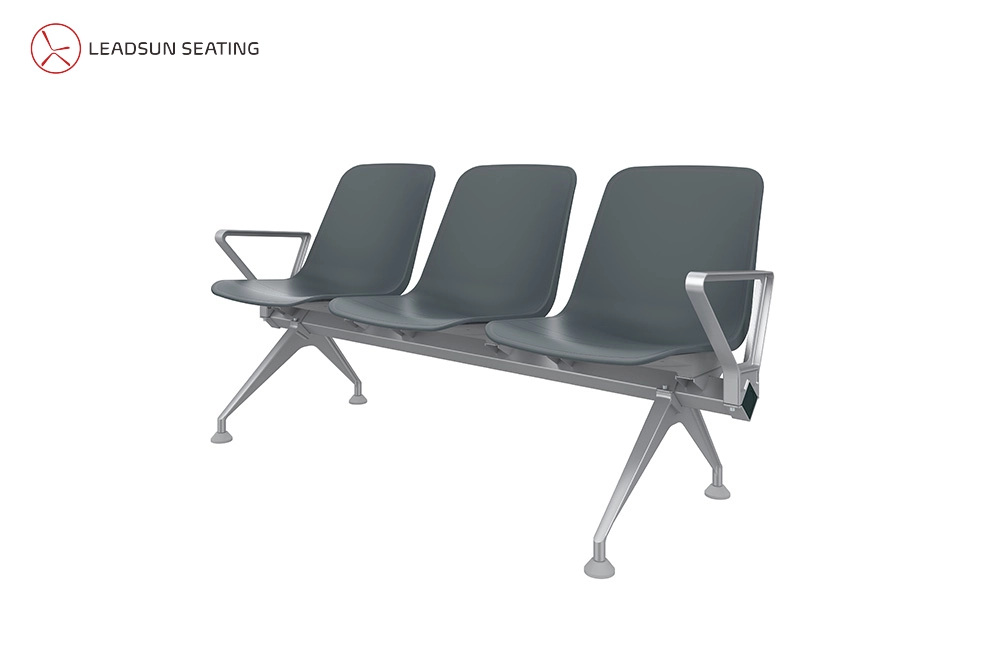
LS-550 Comfortable and Durable Waiting Chair | Customizable Waiting Chair Supplier Leadsun Seating
The LS-550 waiting chair from Leadsun offers superior comfort and durability for any public place. Customize your seating with Leadsun, a leading customizable waiting chair supplier. Ideal for high-traffic areas, the LS-550 ensures lasting performance and style.
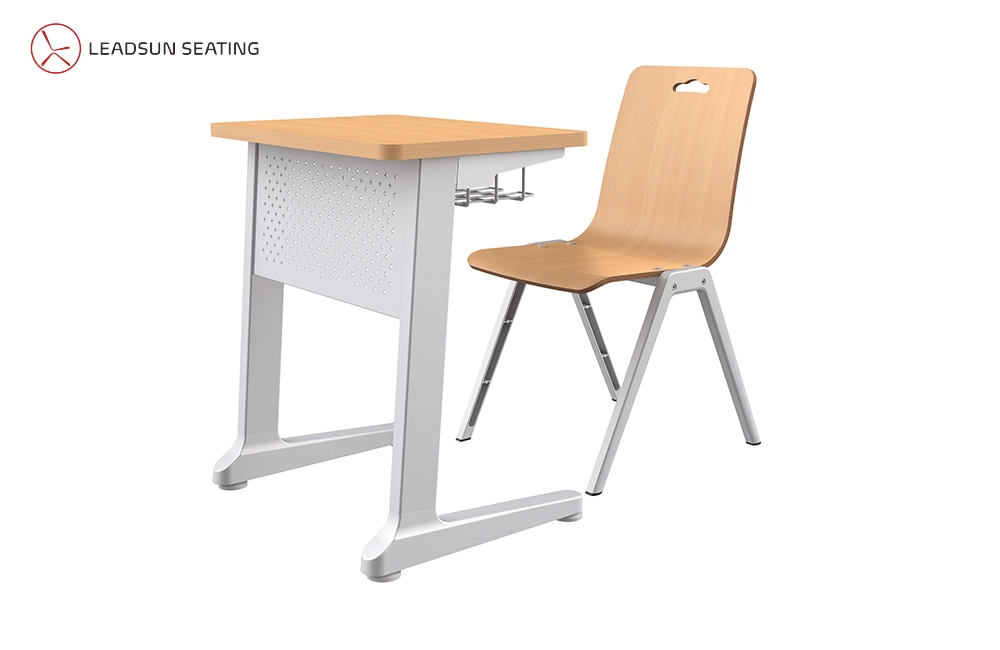
LS-9301 Single movable classroom chair |The Ultimate Flexible Solution for Modern Classrooms by Leadsun Seating
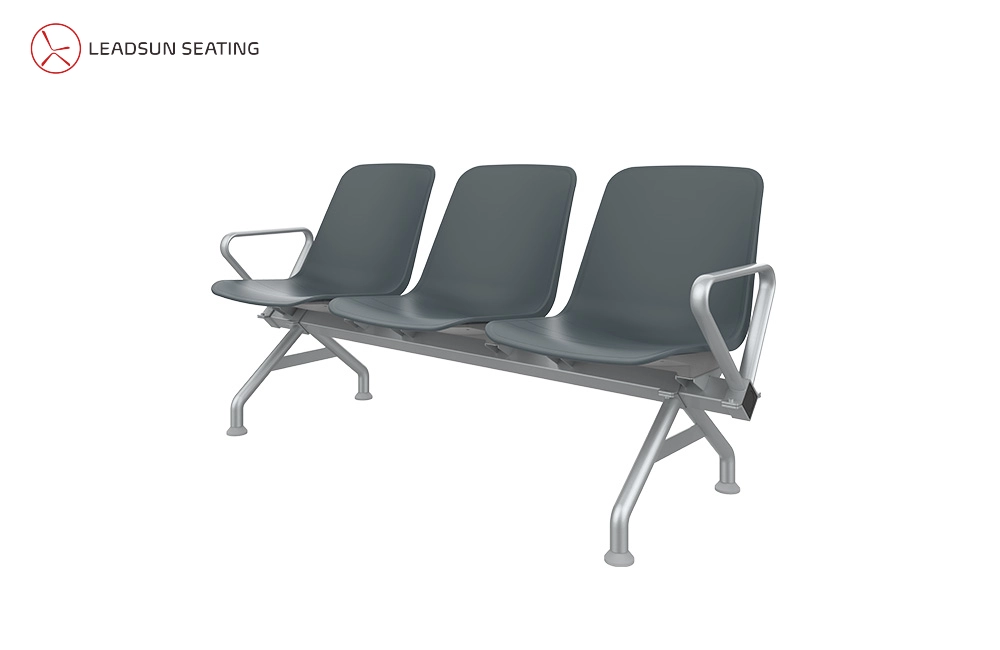
LS-551 Ergonomic Modular Waiting Chairs | Commercial Seating Solutions by Leadsun Seating
Ready for your public seating project?
We specialize in providing high-quality, customizable seating solutions for public spaces, and we are excited to assist you with your project.
Our professional team will quickly answer your questions and provide customized solutions to ensure you have a worry-free experience.

Leadsun Seating is also engaged in the design, development, production, and marketing of lightweight public seats in public places, with an annual output of desks and chairs.
 Scan QR Code