







How to select waiting area chairs for healthcare environments?
- 1. What seat materials and upholstery reliably withstand daily cleaning with hospital-grade disinfectants without accelerated degradation?
- 2. How do I meet infection control protocols while ensuring comfort and safe transfers for mobility-impaired patients?
- 3. Which durability standards and lifecycle metrics should I require in an RFP for high-traffic healthcare waiting rooms and lecture halls?
- 4. What code, accessibility and fire-safety checks must I verify before installing fixed lecture-hall-style seating in hospital waiting areas?
- 5. How do I balance modularity, infection control, and maintenance when choosing linked seating versus freestanding chairs for mixed-use waiting and lecture areas?
- 6. What objective KPIs and test data should I demand from suppliers to prove seat longevity, infection resistance, and total cost of ownership for large-volume purchases?
1. What seat materials and upholstery reliably withstand daily cleaning with hospital-grade disinfectants without accelerated degradation?
Answer:In healthcare settings, cleanability is paramount. Prioritize non-porous materials and closed-cell or coated upholstery designed for frequent disinfecting: polyurethane-coated healthcare vinyls, solid polymer shells, and high-pressure laminate (HPL) arm/side panels. These materials resist penetration by fluids and are compatible with a broad range of EPA-registered disinfectants (including quaternary ammonium compounds and hydrogen peroxide cleaners).
Key actions:
- Request the manufacturer's chemical-compatibility matrix before specification. This shows which disinfectants (bleach, quats, peroxide) were tested and for how many cycles.
- Prefer PVC-free polyurethane or hospital-grade vinyl labeled for healthcare—they typically resist cracking, delamination, and color shift better than low-cost PVC after repeated cleaning.
- Avoid untreated fabrics in primary patient-contact areas unless cushions are removable and machine-washable or covered with a cleanable membrane.
- For lecture-hall-style tip-up seating used in hospital education rooms, specify polymer or solid-surface seat and back shells with optional replaceable upholstered inserts for easier maintenance.
Why this matters: disinfectant compatibility governs lifecycle, warranty validity, and infection-control effectiveness. If a specifier cannot obtain third-party compatibility data, require sample testing under expected cleaning protocols before purchase.
2. How do I meet infection control protocols while ensuring comfort and safe transfers for mobility-impaired patients?
Answer:Balancing infection control and accessibility requires combining appropriate materials with human-centered dimensions and ergonomics.
Design criteria:
- Transfer-friendly armrests: fixed, sturdy armrests at 8–10 (20–25 cm) above seat surface help transfers; include at least one armless or removable-arm seat per group for lateral transfers. Verify armrest strength and anchorage.
- Seat height and depth: specify a seat height between 17–19 (43–48 cm) for general adult waiting chairs; provide lower and higher options or adjustable solutions in multi-use areas. Shorter depth aids bariatric and elderly users.
- Non-porous, sealed seams: sealed upholstery seams and welded or single-piece upholstery prevent fluid ingress and simplify wipe-downs.
- Removable cushions and quick-change upholstery panels: reduces downtime for deep cleaning and replacement without replacing entire chairs.
Operational guidance:
- Define cleaning protocols (products, concentrations, dwell times) in procurement documents and require supplier verification of material compatibility.
- Include signage and layout guidance in the spec to preserve social spacing when needed and to create designated transfer zones with clear floor space per ADA.
3. Which durability standards and lifecycle metrics should I require in an RFP for high-traffic healthcare waiting rooms and lecture halls?
Answer:Use objective, third-party standards and quantifiable KPIs rather than marketing claims.
Standards and metrics to require:
- BIFMA performance reports (when applicable): Request manufacturer test reports referencing relevant BIFMA seating standards for structural integrity and cyclic testing where seats are used in administrative or multi-use areas. If seats are fixed-tip lecture hall models, ask for equivalent structural test data and cycle-life testing for moving parts.
- Abrasion resistance: For upholstery, request Wyzenbeek or Martindale abrasion ratings from the textile supplier; higher cycles indicate longer wear life.
- Flammability compliance: Require documentation for applicable codes (e.g., CAL TB standards where applicable, and local fire-code certifications).
- Warranty and expected life: Ask for explicit warranty coverage (frame, mechanisms, upholstery) and a supplier-stated expected useful life (commonly 7–10+ years for commercial seating). Back claims with service records or case studies in similar environments.
- Spare-parts policy and modularity: Require a parts-availability commitment (e.g., 7–10 years post-install) and lead times for replacements.
Procurement tip: ask vendors to submit a simple life-cycle cost (cost-per-seat-year) that includes purchase, annual maintenance, expected replacement cycle, and upholstery replacement costs.
4. What code, accessibility and fire-safety checks must I verify before installing fixed lecture-hall-style seating in hospital waiting areas?
Answer:Fixed seating yields space-efficiency, but it must be compliant with multiple safety and accessibility requirements. Because codes vary by jurisdiction, always confirm with the Authority Having Jurisdiction (AHJ). Key items to verify:
Accessibility (consult ADA Standards for Accessible Design):
- Wheelchair and companion seating locations: specify the number and distribution of accessible spaces. When converting lecture-hall seating to waiting areas, ensure clear floor spaces and transfer approaches are preserved.
- Aisle width and clearances: verify walking aisles, knee clearances, and reach ranges to permit transfers and stretcher access where applicable.
Fire and egress:
- Egress path: fixed rows must not reduce required exit widths or obstruct egress routes; maintain required aisle spacing and exit signage per local building and fire codes (NFPA 101 – Life Safety Code is commonly referenced).
- Material flame resistance: seating upholstery and foam may need to meet local flammability standards; require flammability test reports and certificates.
Structural anchorage and seismic (if applicable):
- Anchoring systems: confirm anchor type and floor substrate compatibility; for seismic zones, request evidence of compliance with local seismic anchorage requirements.
Documentation to require in submittal:
- ADA compliance statement and drawings showing accessible seating.
- Fire test certificates for upholstery and foam.
- Installation plan and anchor details signed by a qualified installer.
5. How do I balance modularity, infection control, and maintenance when choosing linked seating versus freestanding chairs for mixed-use waiting and lecture areas?
Answer:Both linked and freestanding solutions have trade-offs; the right choice depends on flexibility needs, cleaning protocols, and long-term maintenance capacity.
Linked seating (bench/beam systems):Pros:
- Easier to control traffic flow and maintain consistent spacing.
- Fewer legs and bases reduce floor-cleaning complexity and trip points.
- Centralized anchor points simplify grounding and reduce movement-related damage.Cons:
- Reduced reconfigurability; not ideal where room layout must change frequently for teaching or community events.
- Gaps between seats and under-seat areas can collect debris if not designed for easy access.
Freestanding chairs:Pros:
- Maximum flexibility for reconfiguration in dual-use waiting/lecture spaces.
- Easier individual replacement and staged refurbishment.Cons:
- More furniture pieces to manage, clean, and store. Greater variability in wear and potential floor marking from moving chairs.
Best-practice hybrid approach:
- Use linked seating in high-traffic core zones where spacing and orderly queuing are essential; use freestanding or modular clusters at perimeters for flexible teaching or small-group activities.
- Specify wipeable skirt or base covers and raised leg clearance to allow floor disinfection to be effective under and around seats.
- Choose modular linked systems with removable seat inserts and snap-off arm panels to allow component-level cleaning and replacement.
6. What objective KPIs and test data should I demand from suppliers to prove seat longevity, infection resistance, and total cost of ownership for large-volume purchases?
Answer:Require verifiable documents and measurable KPIs rather than marketing language. Ask for the following in the RFP submittal:
Technical deliverables:
- Third-party test reports for structural strength, cyclic life, and mechanism endurance (for tip-up seats or linked systems). If BIFMA testing is not applicable, request equivalent laboratory fatigue testing reports.
- Abrasion resistance ratings (Wyzenbeek/Martindale) for textiles and chemical-resistance test results for vinyl/polyurethane coatings.
- Flammability certificates and foam flammability test reports required by your jurisdiction.
- Manufacturer chemical-compatibility documentation showing disinfectant types, concentrations, and number of wipe cycles used in testing.
Operational KPIs:
- Mean time to first failure (MTFF) data or warranty claim rates for comparable installations (ask for references and case studies of installations older than 3–5 years).
- Spare-parts availability commitment (years) and average replacement lead times.
- Life-cycle cost model: initial purchase price, annual maintenance hours and costs, expected upholstery replacement intervals, and expected useful life to calculate cost-per-seat-year.
Procurement checklist:
- Require on-site sample seats for a defined testing period under real cleaning protocols.
- Ask for a written maintenance plan and training for in-house staff.
- Include acceptance criteria in the contract: on-delivery inspection, post-installation performance after X months, and remedies for excessive early failures.
Conclusion:Choosing waiting area chairs and lecture hall seating for healthcare environments delivers measurable benefits: optimized infection-control through cleanable materials, improved patient comfort and safe transfers via correct ergonomics and ADA compliance, lower total cost of ownership through specified durability standards and replaceable components, and predictable maintenance through vendor KPIs and spare-parts commitments. Proper specification — requiring chemical-compatibility data, third-party test reports (BIFMA/GREENGUARD where applicable), and clear warranty/spare-parts policies — reduces downstream risk and simplifies facility operations.
For a tailored quote and specification assistance, contact us: www.leadsunseating.com or [email protected].

15 Best Office Waiting Room Chairs of 2026: The Ultimate Comfort & Style Guide

The Future of Reception Areas: 10 Modern Waiting Room Chair Trends to Watch in 2026

Airport Seating Reimagined: The 2026 Global Guide to Terminal Comfort and Design

7 Costly Mistakes Facilities Managers Make When Specifying Commercial Bench Seating

Commercial Beam Seating Solutions for High-Traffic Public Spaces
FAQs
How can I request a quote for a seating project?
You can easily request a quote by contacting our sales team through our website or by email. Provide details about your project, including the quantity and specific requirements, and we will get back to you with a tailored quote.
Do you offer installation services for your seating solutions?
Yes, we offer professional installation services to ensure that the seating is properly installed and meets all safety standards. Our team is experienced in handling both large and small-scale installations.
Are your seating solutions suitable for outdoor use?
Yes, many of our seating solutions are designed to withstand outdoor conditions. We use weather-resistant materials and coatings to ensure durability and performance in public outdoor environments.
One Stop Airport Terminal Seating
Can the solution meet the needs of airports of different sizes?
Whether it’s a small regional airport or a large international hub, we can customize the seating types and layout plans according to passenger flow, terminal area size, and functional positioning. This ensures we flexibly meet the requirements of all types of airports.
What does the after-sales service include?
Our after-sales service covers daily maintenance guidance, regular inspections, fault repairs, and component replacements. Our professional after-sales team is available 24/7 to ensure the long-term stable operation of the seats.
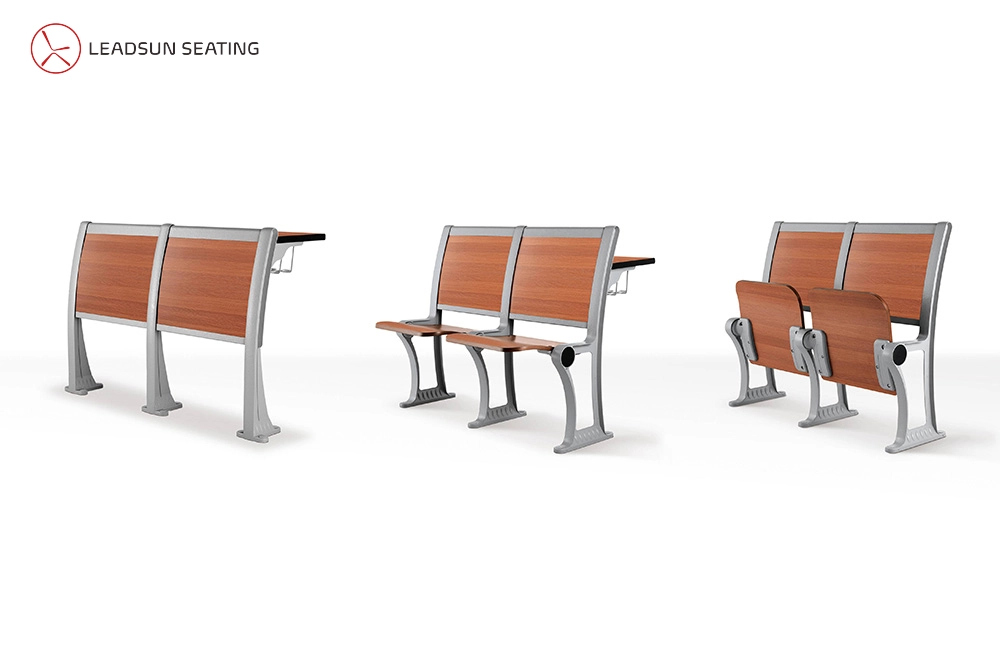
LS-908 Series Fixed Public Auditorium Chair or Tiered Classroom Solutions by Leadsun Seating
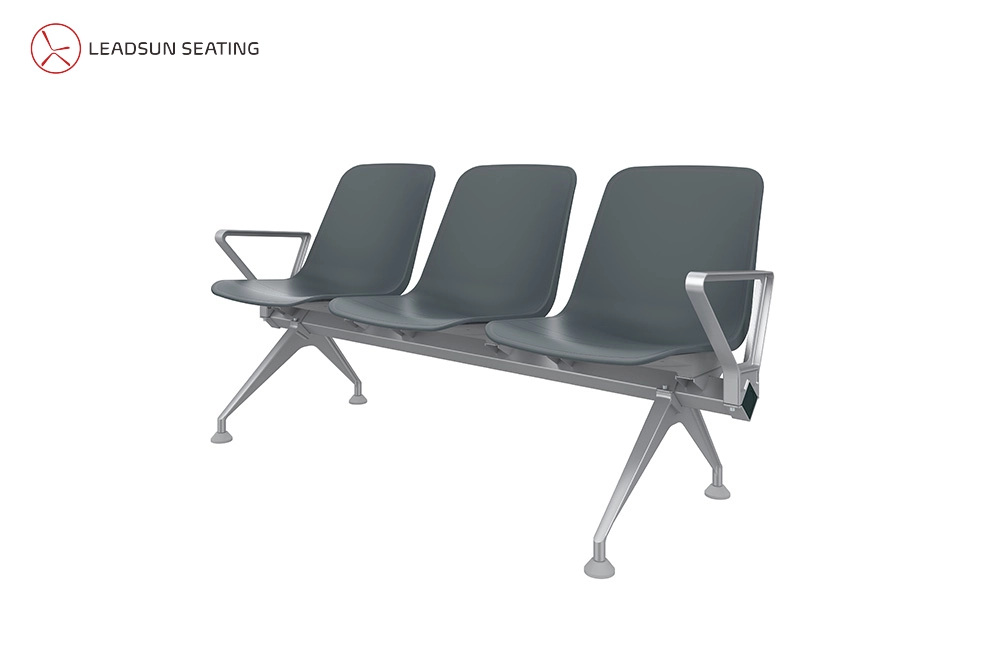
LS-550 Comfortable and Durable Waiting Chair | Customizable Waiting Chair Supplier Leadsun Seating
The LS-550 waiting chair from Leadsun offers superior comfort and durability for any public place. Customize your seating with Leadsun, a leading customizable waiting chair supplier. Ideal for high-traffic areas, the LS-550 ensures lasting performance and style.
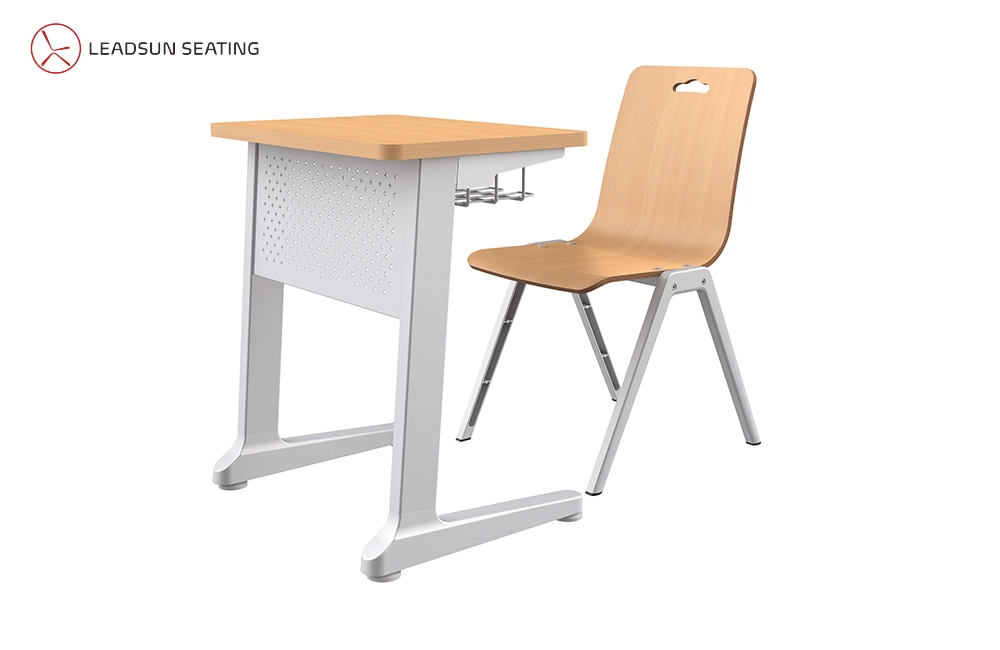
LS-9301 Single movable classroom chair |The Ultimate Flexible Solution for Modern Classrooms by Leadsun Seating
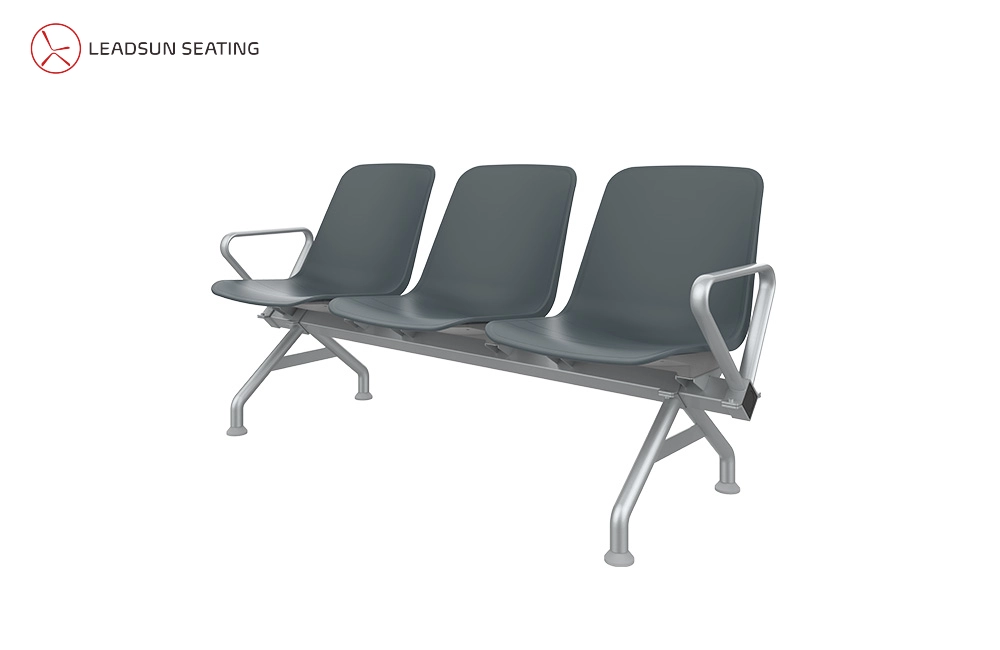
LS-551 Ergonomic Modular Waiting Chairs | Commercial Seating Solutions by Leadsun Seating
Ready for your public seating project?
We specialize in providing high-quality, customizable seating solutions for public spaces, and we are excited to assist you with your project.
Our professional team will quickly answer your questions and provide customized solutions to ensure you have a worry-free experience.

Leadsun Seating is also engaged in the design, development, production, and marketing of lightweight public seats in public places, with an annual output of desks and chairs.
 Scan QR Code