







What are sustainable and eco-friendly waiting room chair options?
- How do I accurately compare life-cycle cost and embodied carbon when choosing sustainable waiting room chairs for a 500-seat lecture hall?
- Which recycled upholstery fabrics hold up to high-traffic lecture hall use (1,000+ occupants/day) and how do I verify durability and antimicrobial performance?
- Can modular waiting room chairs be reconfigured for tiered lecture hall layouts without violating fire code aisle widths or ADA seating requirements?
- What mounting or anchoring systems minimize floor damage and allow future removal while meeting seismic and local building codes?
- Are bio-based foams and natural-fiber upholstery truly low‑VOC and what third‑party certifications should I demand to avoid greenwashing?
- How do I audit suppliers to ensure their 'recyclable' waiting room chairs are actually recyclable at end-of-life in my region?
- Conclusion: Advantages of choosing sustainable waiting room chairs for lecture hall seating
How do I accurately compare life-cycle cost and embodied carbon when choosing sustainable waiting room chairs for a 500-seat lecture hall?
Choosing the lowest purchase price is a common mistake. For lecture hall seating, life-cycle cost (LCC) and embodied carbon both matter: LCC captures purchase, installation, maintenance, repair, cleaning, and end-of-life disposal or recycling over expected service life (often 15–25 years for institutional seating). Embodied carbon (kg CO2e) is shown in an Environmental Product Declaration (EPD) and helps you understand upstream climate impact.
Actionable procurement steps:
- Require an EPD from each supplier for the exact model and finish you’re quoting. EPDs follow ISO 14025 and enable apples-to-apples carbon comparison.
- Build a simple LCC model: initial price + installation + annual maintenance (cleaning, upholstery replacement cycles, mechanical parts) + removal/disposal costs, discounted over expected life. Use conservative service life assumptions: heavy-use lecture halls generally need seating designed for 15–20 years.
- Compare scenarios: a chair with higher embodied carbon but three times longer life and lower maintenance can have a lower total carbon and cost per seat-year. Have suppliers provide documented maintenance intervals and replacement part availability.
- Score bids by combined sustainability and cost metrics (example weighting: 40% LCC, 30% EPD/embodied carbon, 20% durability/warranty, 10% circularity/take-back). This prevents greenwashing and prioritizes real durability and lower operating cost.
Standards and evidence to demand: EPD (ISO 14025), manufacturer life-cycle data, BIFMA X5.1/X5.4 test reports for durability where applicable, and warranty terms that reflect expected heavy use.
Which recycled upholstery fabrics hold up to high-traffic lecture hall use (1,000+ occupants/day) and how do I verify durability and antimicrobial performance?
For heavy-traffic lecture halls you need commercial-grade, abrasion-resistant fabrics and finishes that resist staining and microbial growth while meeting indoor-air quality limits.
What to specify and verify:
- Fabric type: recycled PET (rPET) textiles and Cradle-to-Cradle or GRS-certified woven fabrics are commonly used. Look for fabrics engineered for commercial use with high abrasion ratings in industry tests.
- Durability tests: require Wyzenbeek or Martindale abrasion results from the manufacturer (commercial heavy-duty fabrics generally exceed 100,000 double-rub Wyzenbeek or >40,000 Martindale; verify the specific lab test and test method).
- Stain and cleanability: request results for cleaning protocols you will use (hospital-grade disinfectants, bleach compatibility if needed). Some recycled fabrics are bleach-stable; others are not—get documented compatibility.
- Antimicrobial claims: require test reports (ISO 22196 or equivalent) and confirm whether the antimicrobial treatment is integrated at fiber or coating level and whether it’s EPA-registered in the U.S. for long-term efficacy. Understand that antimicrobial finishes are complementary to cleaning regimes—not substitutes.
- Indoor air quality: require GREENGUARD Gold or equivalent certification to limit VOC emissions in the occupied lecture hall.
Practical tip: require sample panels and run in-house rub/clean tests that reflect actual cleaning frequency and disinfectants your facility uses. Replaceability of seat covers is also key—modular upholstery panels reduce total lifecycle waste.
Can modular waiting room chairs be reconfigured for tiered lecture hall layouts without violating fire code aisle widths or ADA seating requirements?
Modular and linked seating systems can save cost and increase flexibility, but they must integrate with egress, sightlines and accessibility standards.
Compliance checklist:
- Aisle widths and egress: the International Building Code (IBC) and local codes dictate minimum aisle widths and occupant-load-based egress. Accessible routes typically require a minimum 36 in (914 mm) clear width, but aisle requirements for assembly seating vary by occupant load—confirm local authority having jurisdiction (AHJ). Always include your architect/engineer early.
- ADA/ICC A117.1: accessible seating locations and number of wheelchair positions are determined by seating capacity; modular seating must allow designated accessible spaces with proper sightlines, companion seating, and transfer options where applicable.
- Tier and sightline integration: modular chairs with linked bases or flip-up seats must maintain consistent seat pitch, riser heights and knee clearance so sightlines aren’t compromised when reconfigured.
- Fire & life safety: linked seating modules can affect travel distance and smoke extraction—coordinate with the code consultant. In some jurisdictions the Life Safety Code (NFPA 101) adds constraints.
Recommendation: when purchasing modular waiting room chairs for lecture halls, specify that modules be compatible with fixed anchoring points and removable linking hardware that allow reconfiguration without reducing clear aisle widths below code. Require the supplier to provide layout verification documents showing compliance for any proposed seating plans.
What mounting or anchoring systems minimize floor damage and allow future removal while meeting seismic and local building codes?
Choosing the right anchoring system balances permanence, code compliance, and future reuse.
Anchoring options and considerations:
- Surface-mounted floor brackets (expansion anchors or epoxy anchors): common for retrofit installations; provide strong hold but leave small anchoring holes if removed. Use stainless steel fasteners in corrosive environments.
- Removable anchor plates / threaded inserts: these allow seats to be unbolted and removed with minimal damage. They rely on a recessed plate fixed into the concrete slab; plates remain, avoiding repeated drilling.
- Embedded anchoring systems: set into fresh concrete for new builds. They offer high seismic performance and require planning during construction.
- Seismic restraints: in seismic regions, suppliers must meet local seismic anchorage requirements—ask for calculations and certified install procedures. Some countries require anchored rows tied together with rated hardware.
- Acoustic and floor finish protection: use neoprene or felt pads at baseplates to protect finishes and reduce vibration transmission.
Procurement actions:
- Require anchoring detail drawings tied to your slab type and finish.
- Require installer to supply pull-test or torque-test evidence where code or manufacturer demands.
- For removable systems, include a clause for reinstallation support or spares (bolts, plates) so future changes are straightforward.
Are bio-based foams and natural-fiber upholstery truly low‑VOC and what third‑party certifications should I demand to avoid greenwashing?
Bio-based materials can reduce fossil-fuel dependence, but claims vary. Third-party certifications and lab data are essential to trust sustainability claims.
Certifications and tests to require:
- VOC emissions: look for GREENGUARD Gold, which certifies low chemical emissions for interior products. UL Environment publishes GREENGUARD criteria (UL 2818).
- Natural-fiber standards: GOTS (Global Organic Textile Standard) and OEKO-TEX Standard 100 validate fiber processing and chemical limits for natural textiles.
- Bio-based content: US Department of Agriculture (USDA) BioPreferred or equivalent can certify percent bio-based content of foams or adhesives.
- Cradle to Cradle or Cradle to Cradle Certified indicates circular design, safe material ingredients and recyclability.
- EPDs: will show embodied impacts including upstream processing emissions.
Notes on durability and maintenance: bio-based foams may have different compression set and recovery properties; demand manufacturer test data on foam fatigue (ASTM D3574) and confirm upholstery compatibility with routine cleaning.
Avoiding greenwashing: require test reports and certifications be specific to the product you are buying (not generic corporate claims). Include verification steps in your procurement RFP and hold back final payment until documentation is delivered.
How do I audit suppliers to ensure their 'recyclable' waiting room chairs are actually recyclable at end-of-life in my region?
Recyclability claims are frequently overstated. A practical supplier audit focuses on material separability, take-back programs and local recycling pathways.
Audit checklist:
- Material breakdown: ask for a material content statement listing percentage of steel, aluminum, polymers, textiles and composite materials and whether parts are mechanically separable (bolts, snap-fit, modular panels).
- Recycling pathways: determine where each material is recycled locally—steel and aluminum are widely recyclable; mixed plastic composites and bonded polyurethane foam are more problematic. Ask the supplier for documented end-of-life pathways they have used in your region.
- Take-back programs: suppliers with a formal take-back or refurbishment program demonstrate circular intent. Ensure the program includes logistics, refurbishment criteria, and documented diversion rates.
- Disassembly guides: require detailed disassembly instructions and labeling to make post-service separation feasible for facilities staff or recyclers.
- Recycled content and certifications: demand GRS (Global Recycled Standard) or recycled content certificates for fabrics and metal content reporting for structural components.
Procurement clause example: include a guaranteed end-of-life plan in the purchase contract (refurbish, remanufacture, or recycle) with measurable diversion targets or financial incentives (e.g., deposit returned upon verified return of old units).
Conclusion: Advantages of choosing sustainable waiting room chairs for lecture hall seating
Selecting sustainable waiting room chairs for lecture halls reduces total cost of ownership, improves indoor air quality, lowers embodied carbon when measured by EPDs, and increases the chance of reuse or recycling at end-of-life. Prioritize verified data: EPDs, GREENGUARD, BIFMA test reports, GRS/GOTS certifications and supplier take-back commitments. Design for modularity, maintainability and compliance with egress and accessibility codes. These measures protect occupant health, reduce long-term expense, and align with institutional sustainability goals.
For a tailored quote and layout assessment of sustainable waiting room chairs and lecture hall seating solutions, contact us at www.leadsunseating.com or email [email protected].

15 Best Office Waiting Room Chairs of 2026: The Ultimate Comfort & Style Guide

The Future of Reception Areas: 10 Modern Waiting Room Chair Trends to Watch in 2026

Airport Seating Reimagined: The 2026 Global Guide to Terminal Comfort and Design

7 Costly Mistakes Facilities Managers Make When Specifying Commercial Bench Seating

Commercial Beam Seating Solutions for High-Traffic Public Spaces
One Stop Airport Terminal Seating
Can you provide personalized seat customization?
We support comprehensive customization, including seat styles, functional modules (like charging ports, cup holders, etc.), color schemes, and even integrating airport brand elements to showcase a unique style.
Are the seat materials durable? What's the lifespan?
We use high-strength, wear-resistant, and easy-to-clean premium materials, such as stain-resistant flame-retardant fabrics and rust-proof alloy frames. Under normal use, the seats can last 5 - 8 years.
Are there any successful cases we can refer to?
We’ve provided services to numerous international and major domestic airports. We can offer detailed case materials, on-site photos, and client testimonials, so you can get a clear understanding of the solution’s effectiveness.
FAQs
Are your products compliant with safety and accessibility standards?
-
Absolutely. All of our seating solutions comply with relevant safety regulations and accessibility standards, ensuring comfort and safety for all users, including those with special needs.
-
Do you offer installation services for your seating solutions?
Yes, we offer professional installation services to ensure that the seating is properly installed and meets all safety standards. Our team is experienced in handling both large and small-scale installations.
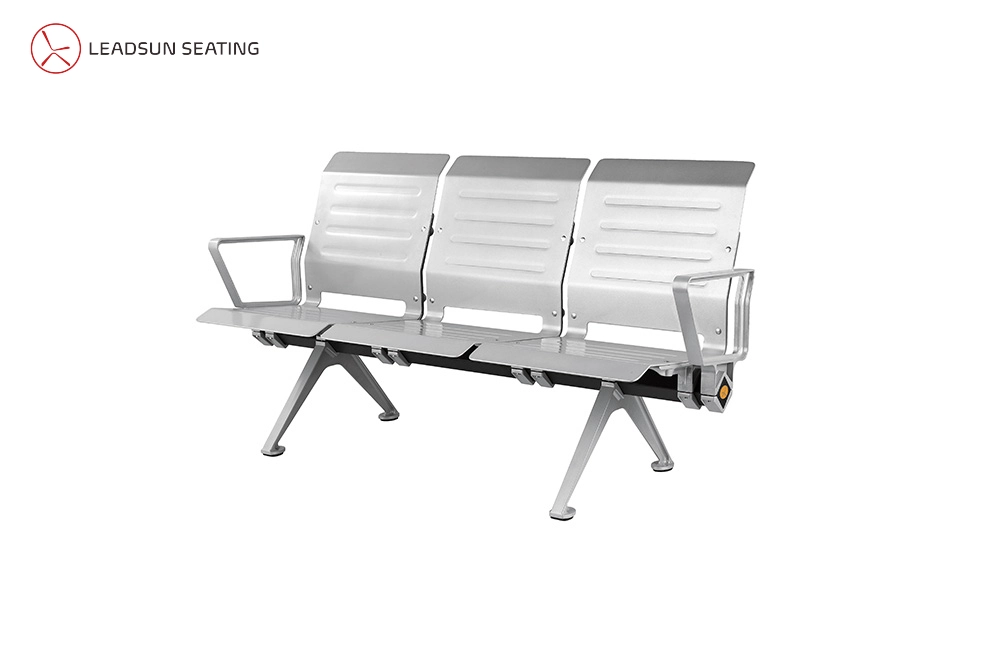
LS-529AL Aluminum Ergonomic Waiting Chairs | Modular & Durable Seating by Leadsun Seating
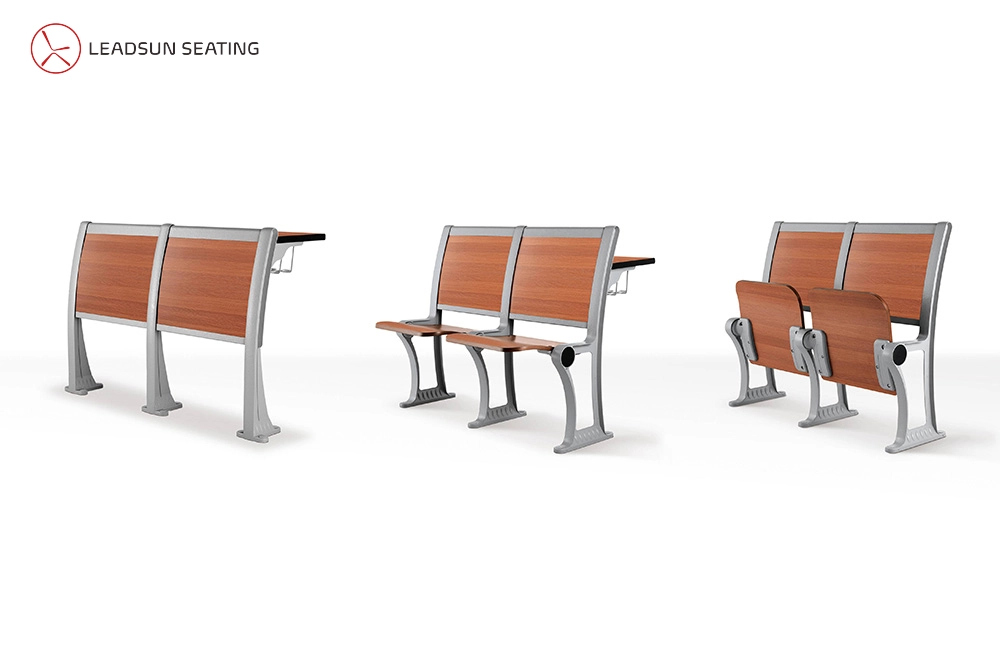
LS-908 Series Fixed Public Auditorium Chair or Tiered Classroom Solutions by Leadsun Seating
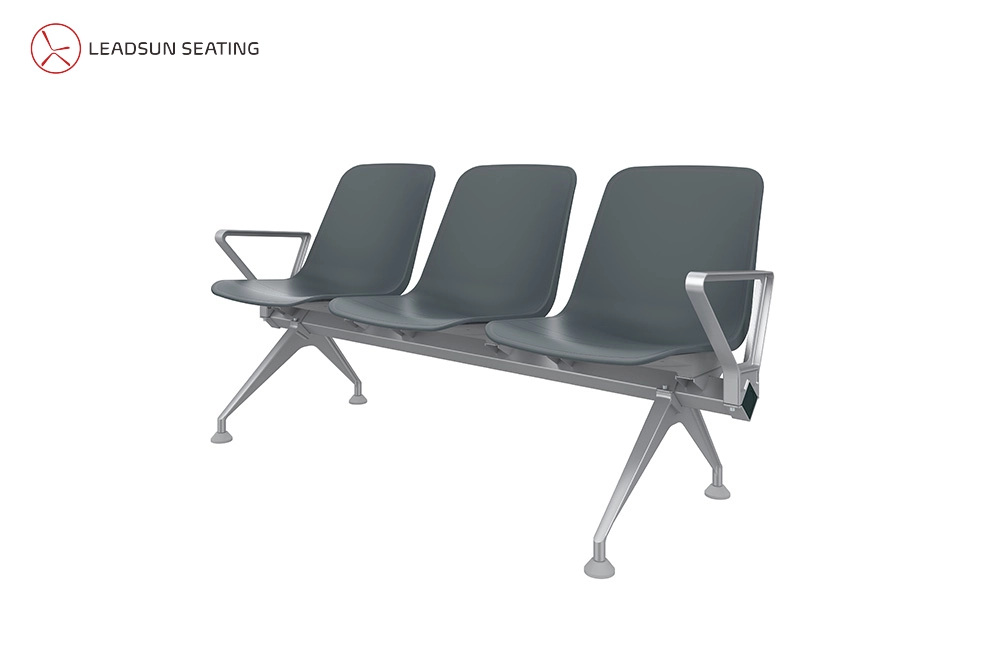
LS-550 Comfortable and Durable Waiting Chair | Customizable Waiting Chair Supplier Leadsun Seating
The LS-550 waiting chair from Leadsun offers superior comfort and durability for any public place. Customize your seating with Leadsun, a leading customizable waiting chair supplier. Ideal for high-traffic areas, the LS-550 ensures lasting performance and style.
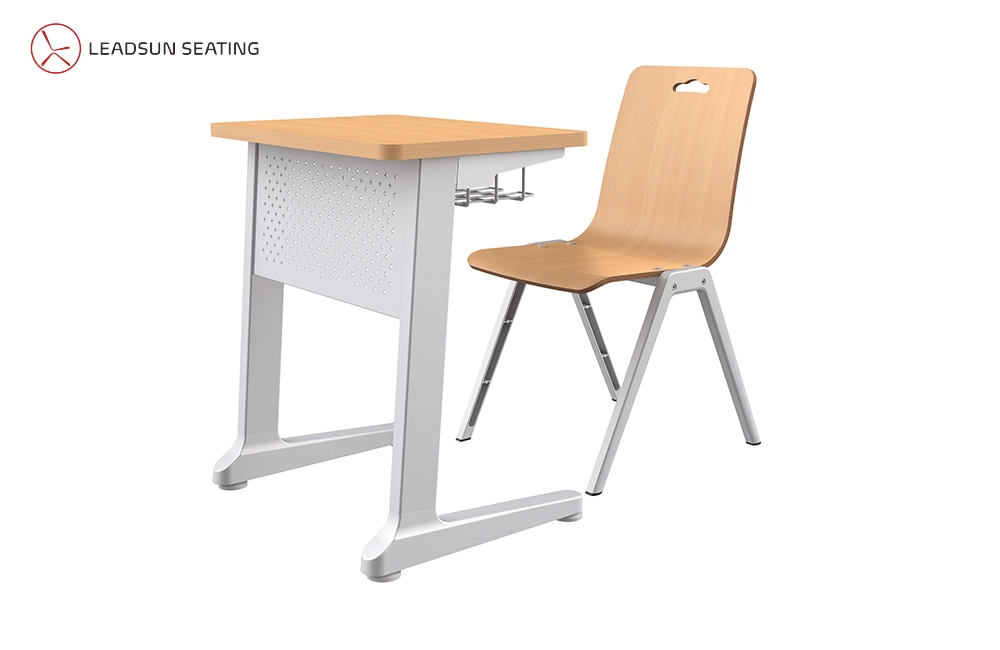
LS-9301 Single movable classroom chair |The Ultimate Flexible Solution for Modern Classrooms by Leadsun Seating
Ready for your public seating project?
We specialize in providing high-quality, customizable seating solutions for public spaces, and we are excited to assist you with your project.
Our professional team will quickly answer your questions and provide customized solutions to ensure you have a worry-free experience.

Leadsun Seating is also engaged in the design, development, production, and marketing of lightweight public seats in public places, with an annual output of desks and chairs.
 Scan QR Code