







How is airport seating cleaned and maintained for hygiene?
- 1. How do I choose airport seating materials that won’t degrade under routine disinfectants?
- 2. What validated cleaning protocols — products, frequencies, and methods — balance hygiene and seat longevity?
- 3. Are UV‑C and electrostatic spraying practical for concourse seating — what are the constraints and benefits?
- 4. How can seating layout and design reduce cross-contamination and speed cleaning during tight turnaround periods?
- 5. What maintenance KPIs and documentation should procurement require to ensure continuous hygiene compliance and predictable lifecycle costs?
- 6. How do I ensure consistent cleaning protocol adherence across multilingual contractors and rotating shifts?
- Procurement checklist for airport & lecture-hall seating buyers
- Conclusion — Why choose Leadsun for seating procurement and hygiene-ready solutions
1. How do I choose airport seating materials that won’t degrade under routine disinfectants?
Choosing materials that resist frequent cleaning is the first defense against hygiene-related deterioration. For procurement professionals familiar with lecture hall seating, the same durability principles apply but with higher traffic and more aggressive disinfection regimes.
Preferred non-porous materials: powder-coated or anodized aluminum frames, stainless steel, high-pressure laminate/phenolic panels, and commercial-grade polyurethane or PVC-based seating skins. These handle quaternary ammonium compounds (quats), hydrogen peroxide, and alcohol-based disinfectants better than untreated fabrics.
Avoid or limit porous textiles in concourses: woven fabrics absorb fluids and require specialized cleaning; they also trap dirt and pathogens longer than sealed surfaces. If fabric is required (quiet areas or lounges), specify removable, washable covers or hospital-grade performance textiles with proven antimicrobial treatments and documented cleaning instructions.
Finish compatibility: request a manufacturer-provided disinfectant-compatibility list. Some cleaners (e.g., 0.1% sodium hypochlorite/bleach solutions) accelerate corrosion on metals and fade coatings; alcohol and peroxide can dry and crack some polyurethane skins. Insist on lab test reports or accelerated-wear results showing no measurable degradation after X cycles of the specific disinfectants you plan to use.
Modular and replaceable components: design seats with replaceable cushions, shells, or armrests so worn/damaged parts can be swapped without replacing the whole module — lowers lifecycle cost and shortens downtime.
Procurement actions: include a clause requiring disinfectant-compatibility testing and a list of approved cleaning agents in the contract; request spare-part kits and service-level agreements (SLAs) for high-touch components.
2. What validated cleaning protocols — products, frequencies, and methods — balance hygiene and seat longevity?
Effective cleaning balances infection control guidance (CDC/EPA) with manufacturer care instructions to avoid premature material failure.
Product selection: use EPA-registered disinfectants from EPA’s List N when targeting viruses of concern; common effective chemistries include quaternary ammonium compounds, hydrogen peroxide formulations, and diluted sodium hypochlorite (0.1% bleach) for non-corroding surfaces. Alcohol (60–90%) is effective for quick wipes on non-porous surfaces but can dry certain polymers.
Frequency (practical ranges used in major hubs):
- High-touch components (armrests, seat edges, lateral panels): hourly to every 4 hours during peak operations.
- General surface wipe-downs: at least daily.
- Deep cleaning (including seat underside, fasteners, and anchoring hardware): weekly.
- Upholstery deep-clean/steam or extraction: quarterly to semi-annually depending on traffic and soiling levels.
Methods and dwell time: follow manufacturer label directions and EPA product label for contact/dwell time (often 1–10 minutes). Use microfiber cloths (trap particles better and are gentler than abrasive rags). For heavy soils, clean then disinfect (dirt can inactivate some disinfectants).
PPE and ventilation: cleaning staff should use recommended PPE and ensure adequate air exchange when using volatile disinfectants. For large concourses, coordinate cleaning during lower passenger density windows to reduce exposure of personnel and travelers.
Avoid common damage causes: do not use abrasive pads, oven cleaners, or undiluted bleach on sensitive finishes. Document approved cleaners to prevent off-label products from being used by third-party contractors.
3. Are UV‑C and electrostatic spraying practical for concourse seating — what are the constraints and benefits?
Both technologies can be part of a layered hygiene program, but each has operational limits and safety requirements.
UV‑C (far‑UV and 254 nm systems): UV‑C can inactivate many microorganisms when surfaces and air receive sufficient irradiance for the right time. Benefits include chemical-free disinfection and effective air-surface treatment when used properly. Constraints: UV‑C requires line-of-sight (shadowing reduces effectiveness), precise dosing, and strict safety controls (skin/eye hazards). Most airports use UV‑C for after-hours automated room disinfection or enclosed robots with interlocks. For seating, UV‑C can supplement but not replace manual cleaning of soiled areas.
Electrostatic sprayers: these devices charge droplets to achieve more complete surface coverage with standard disinfectants. Benefits are faster coverage of complex geometries (bench seams, armrests) and potential reductions in liquid use. Constraints include ensuring disinfectant compatibility with seating materials, adherence to product dwell times, and minimizing overspray onto electronics or corrodible metals. Staff training is essential to control droplet size and avoid puddling.
Operational best practices: use UV‑C robots for scheduled overnight cycles with documented dose logs; use electrostatic sprayers for rapid corridor and seating turnovers but validate materials compatibility first; always combine with routine manual cleaning for high-touch, visibly soiled spots.
4. How can seating layout and design reduce cross-contamination and speed cleaning during tight turnaround periods?
Layout and product design are as important as cleaning chemistry in reducing pathogen transfer and simplifying maintenance.
Minimize hidden crevices: select seating with sealed joints, flush fasteners, and smooth transitions between back, seat, and arm surfaces. Avoid deep seams where crumbs and fluids accumulate.
Use continuous bench systems with integrated armrests that define passenger space and reduce lateral spread of contact surfaces. However, ensure armrest geometry doesn’t create hard-to-reach gaps.
Accessibility for cleaning crews: choose floor-mounted or modular seating that can be unlatched or partially lifted to clean underneath. Clear aisle widths and service pathways reduce cleaning time per seat.
Passenger flow and zoning: cluster seating into zones that can be isolated for cleaning during off-peak windows. Color-coded zones and signage support targeted cleaning without having to close large areas.
Material choices for spill-prone zones: in food court-adjacent seating, choose higher-grade, easily-wiped skins and consider textured finishes that mask wear but still clean easily.
Rapid-replace modules: use seat modules that can be swapped in minutes when heavily soiled or damaged, enabling 5–10 minute rapid turnover in high-usage gates.
5. What maintenance KPIs and documentation should procurement require to ensure continuous hygiene compliance and predictable lifecycle costs?
Require measurable, auditable metrics and documentation from suppliers and cleaning contractors to manage hygiene and cost.
Recommended KPIs for contracts:
- Cleaning compliance rate (percentage of scheduled high-touch cleanings completed per shift).
- Average repair turnaround (time from fault report to on-site repair or module replacement).
- Seat availability (% of seats operational during operational hours).
- Replacement rate (number of seats replaced per 1,000 seat-years).
- Supplier response SLA (time to provide replacement parts).
Documentation to require in procurement packages:
- Cleaning & maintenance manual with product-specific approved disinfectant list and dwell times.
- Material certificates and test results for disinfectant resistance or accelerated aging.
- Training records and competency certificates for cleaning staff (or verified subcontractors).
- Spare-parts inventory plan and lead times.
- Third-party lab test reports for antimicrobial coatings or textile performance (if claimed).
Contract clauses: set penalties or remediation steps for missed cleaning KPIs; require periodic review meetings and joint audits. This preserves hygiene standards and caps unplanned lifecycle spend.
6. How do I ensure consistent cleaning protocol adherence across multilingual contractors and rotating shifts?
Large international airports employ multiple contractors and shift patterns, which increases risk of protocol drift. Practical mitigations are operational and technological.
Standardized, visual SOPs: create short, icon-based SOP posters for each seating zone showing step-by-step cleaning tasks and dwell times; post these at cleaning closets and on trolleys.
Multilingual digital assets: embed QR codes on seat modules or nearby fixtures that link to short multilingual videos and downloadable SOPs. Video demonstrations reduce interpretation errors versus text-only instructions.
Color-coded kits and consumables: maintain pre-packed, color-coded cleaning kits per zone that contain only approved chemicals and PPE. Color cues reduce off-label substitutions.
Training and competency testing: require periodic hands-on assessments and recorded refreshers. Keep competency logs tied to contractor invoices.
Audit and feedback loop: use spot audits and electronic checklists (mobile apps with time-stamped photos) to verify work and feed immediate corrective actions.
Supplier governance: require subcontractor transparency in staffing rosters and ensure all third parties adhere to the primary cleaning program—include audit rights in the procurement contract.
Procurement checklist for airport & lecture-hall seating buyers
- Approved-material list and disinfectant compatibility certificate from the manufacturer.
- Modular design with replaceable components and spare-part kit availability.
- Manufacturer maintenance manual with cleaning frequencies, product approvals and dwell times.
- SLA for repairs, replacement lead times, and spare-part stock levels.
- KPI definitions and reporting cadence for cleaning contractors.
- Provisions for UV‑C/electrostatic use and safety/validation reports.
- Multilingual SOPs, QR-linked videos and staff training requirements.
- Warranty terms that cover normal cleaning regimes and specify prohibited cleaning agents.
Conclusion — Why choose Leadsun for seating procurement and hygiene-ready solutions
Leadsun combines deep experience in lecture-hall and airport seating with practical, hygiene-first design: modular systems with replaceable components, durable non-porous finishes, and documented disinfectant compatibility. We provide maintenance manuals, spare-part plans, and training-ready SOPs (including multilingual digital assets) so operators can meet CDC/EPA-aligned cleaning standards while minimizing lifecycle costs and downtime. Leadsun supports validation of UV‑C and electrostatic workflows and offers SLAs to keep high-touch seating available in busy terminals.
Contact Leadsun for tailored, hygiene-ready seating solutions and maintenance packages. Visit www.leadsunseating.com or email [email protected] to request a quote.

15 Best Office Waiting Room Chairs of 2026: The Ultimate Comfort & Style Guide

The Future of Reception Areas: 10 Modern Waiting Room Chair Trends to Watch in 2026

Airport Seating Reimagined: The 2026 Global Guide to Terminal Comfort and Design

7 Costly Mistakes Facilities Managers Make When Specifying Commercial Bench Seating

Commercial Beam Seating Solutions for High-Traffic Public Spaces
One Stop Airport Terminal Seating
How do you ensure seat installation doesn't disrupt airport operations?
We’ll develop a detailed installation plan, giving priority to non-peak hours for construction. We also use a modular installation approach to minimize any impact on airport operations.
Are there any successful cases we can refer to?
We’ve provided services to numerous international and major domestic airports. We can offer detailed case materials, on-site photos, and client testimonials, so you can get a clear understanding of the solution’s effectiveness.
FAQs
What materials are used in the production of your public seating?
We use a variety of durable materials such as stainless steel, aluminum, wood, high-quality upholstery, and advanced polymers to ensure that our seating solutions are both functional and long-lasting.
Are your seating solutions suitable for outdoor use?
Yes, many of our seating solutions are designed to withstand outdoor conditions. We use weather-resistant materials and coatings to ensure durability and performance in public outdoor environments.
What maintenance is required for your seating solutions?
The maintenance required depends on the material and location of the seating. Generally, regular cleaning and periodic inspections are recommended. We provide maintenance guidelines with each product to ensure long-term durability.
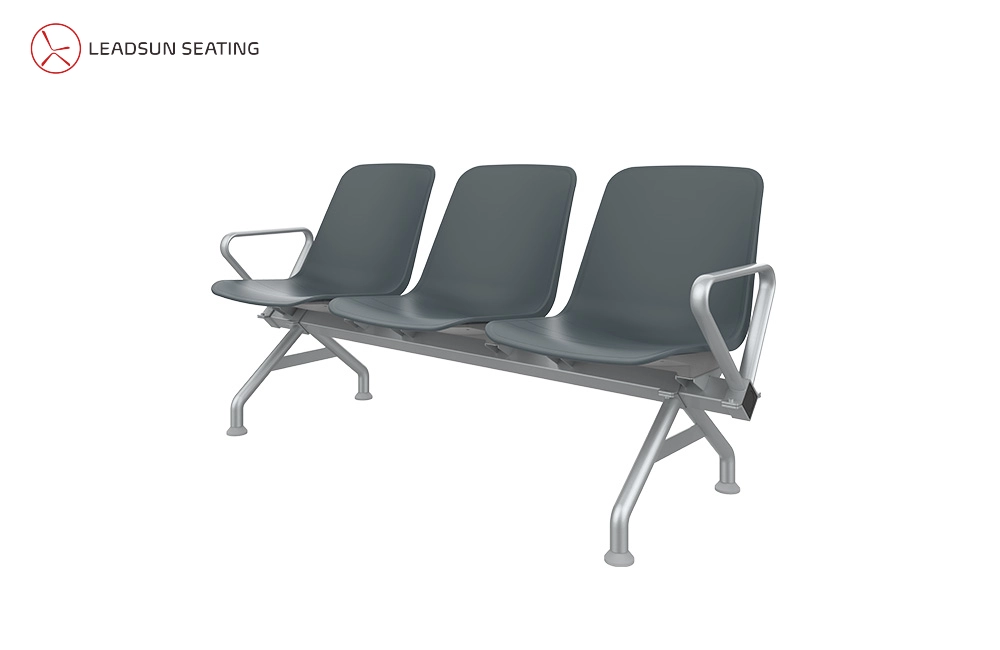
LS-551 Ergonomic Modular Waiting Chairs | Commercial Seating Solutions by Leadsun Seating
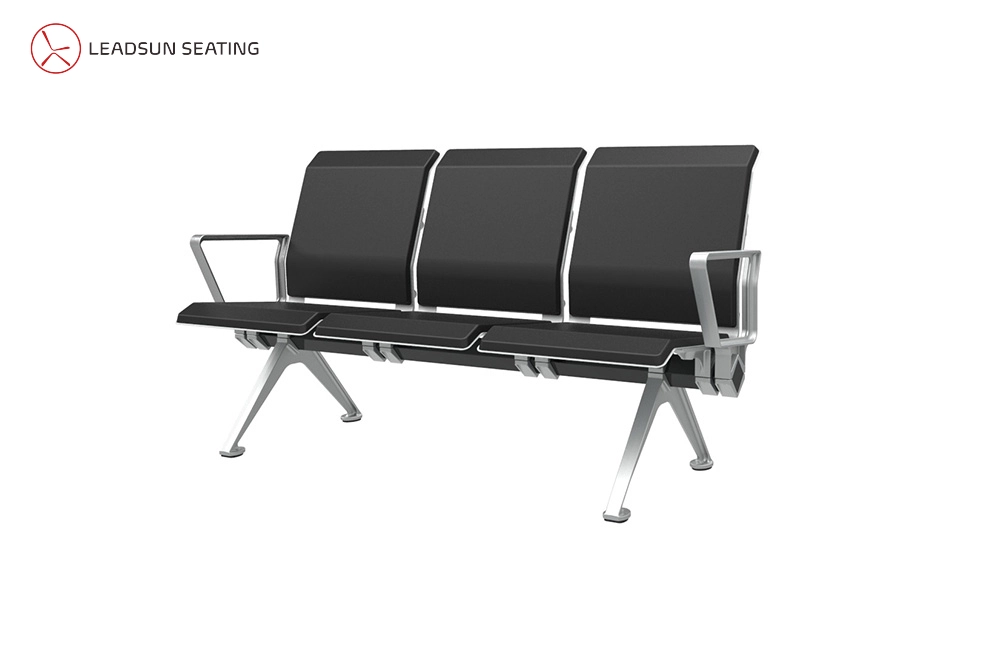
LS-529Y Ergonomic Waiting Chairs | High-Density PU Seating Solutions by Leadsun Seating
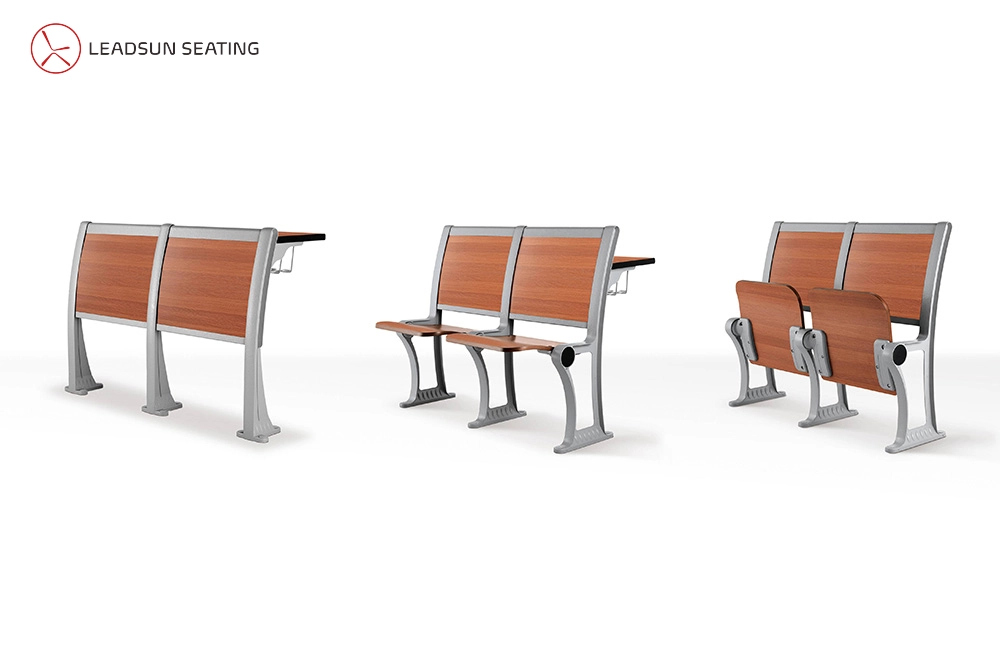
LS-908 Series Fixed Public Auditorium Chair or Tiered Classroom Solutions by Leadsun Seating
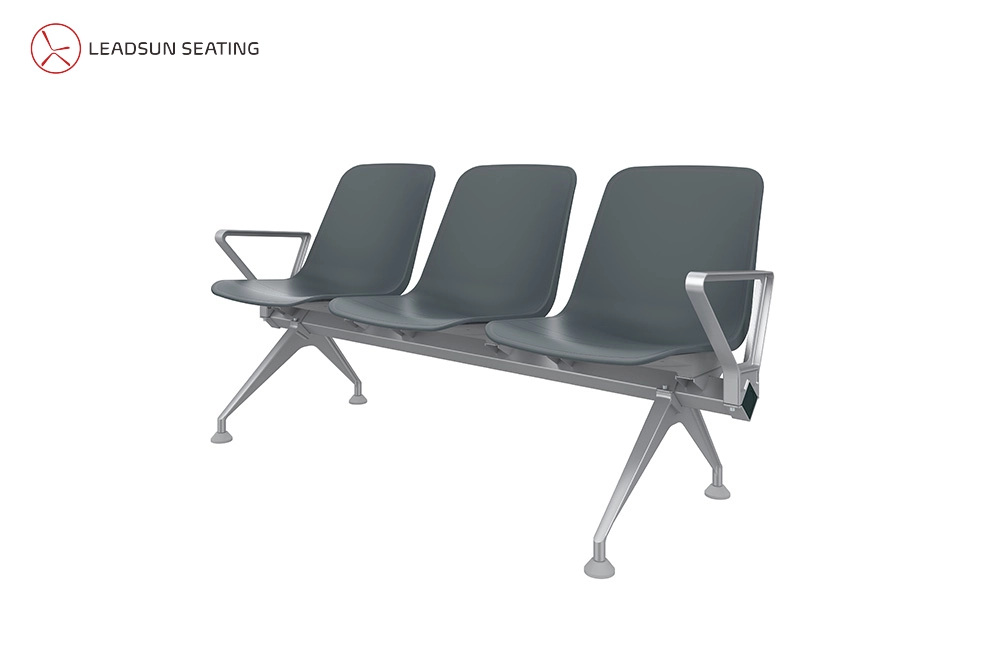
LS-550 Comfortable and Durable Waiting Chair | Customizable Waiting Chair Supplier Leadsun Seating
The LS-550 waiting chair from Leadsun offers superior comfort and durability for any public place. Customize your seating with Leadsun, a leading customizable waiting chair supplier. Ideal for high-traffic areas, the LS-550 ensures lasting performance and style.
Ready for your public seating project?
We specialize in providing high-quality, customizable seating solutions for public spaces, and we are excited to assist you with your project.
Our professional team will quickly answer your questions and provide customized solutions to ensure you have a worry-free experience.

Leadsun Seating is also engaged in the design, development, production, and marketing of lightweight public seats in public places, with an annual output of desks and chairs.
 Scan QR Code