







What are the benefits of integrated charging in airport seats?
- 1. How do integrated USB-C PD ports in terminal bench seating affect power infrastructure and per-seat amperage requirements?
- 2. What fire‑safety and electrical compliance checks should I require when specifying integrated charging in airport or lecture hall seats?
- 3. How do integrated charging modules affect maintenance schedules and total cost of ownership (TCO) compared with standalone charging stations?
- 4. Can I retrofit existing lecture hall or gate seating with power modules, and what are realistic installation constraints?
- 5. What are the best power distribution and access strategies for mixed‑use terminals (high‑dwell lounges, quick‑turn gates, ADA areas) to avoid overloads and ensure equitable access?
- 6. How does integrated wireless Qi charging in armrests compare to wired USB‑C ports for reliability, hygiene, and passenger behavior in lecture halls and terminals?
1. How do integrated USB-C PD ports in terminal bench seating affect power infrastructure and per-seat amperage requirements?
Integrated USB‑C Power Delivery (PD) changes electrical planning from a low‑voltage convenience add‑on into a distributed power system component. The correct way to plan is to budget for peak power per port, convert watts to amps for your supply voltage, and design with headroom for concurrent charging.
Key points to specify:
- Per‑port maximum: decide if you provide 12W (typical fast charging), 18–30W (common for phones/tablets), or 45–60W (laptop capable). USB PD specs span a wide range; 18W covers most mobile devices while 45–60W is necessary if laptops are expected.
- Load calculation: use Watts = Volts × Amps. Example: a 20‑seat row with 18W ports = 360W. On a 120V branch circuit that’s 3.0A continuous — then apply local code rules for continuous loads (often 125% factor). For 230V supplies, current is proportionally lower. Always size breakers, conduit and upstream PDUs to peak expected demand plus safety margin.
- Diversity and management: not every traveler draws full power simultaneously. Apply a diversity factor (based on observed device use from IT/airport studies) but retain 20–40% headroom. Consider intelligent PDUs or smart power modules that negotiate output and throttle non‑essential loads during peak times.
- Distribution topology: use localized PDUs or seat‑level power modules to minimize long low‑voltage runs. Centralized DC distribution (with local DC‑DC converters) can reduce losses but needs careful thermal and safety design.
Ask your seating supplier for a power budget worksheet showing worst‑case per‑row and per‑gate loads, breaker sizing, and cable run examples. Incorporate USB PD negotiation logs from prototype seats to validate assumptions before large installs.
2. What fire‑safety and electrical compliance checks should I require when specifying integrated charging in airport or lecture hall seats?
Specifying integrated charging introduces electrical and fire‑safety obligations beyond furniture procurement. Require third‑party certifications and clear documentation up front.
Mandatory checks and documentation to request:
- Electrical safety of power modules: UL/CSA or IEC/EN approvals for the specific power supplies (UL 62368‑1 is the current harmonized product safety standard for audio/IT equipment in many jurisdictions). In the EU, ask for CE declaration and safety test reports.
- Compliance with local building and electrical codes: include evidence the design meets NEC (NFPA 70) requirements in the US or local wiring regulations elsewhere. This covers continuous loads, conduit, and access to junctions.
- EMC and surge protection: modules should meet applicable EMC limits and have surge/transient protection if exposed to public power systems.
- Fire‑ and smoke‑performance of textiles and foams: ask for test certificates for upholstery and foam to the applicable local standard (examples include NFPA 701, BS 5852, or local equivalents). Airports and lecture halls often require higher fire performance than domestic furniture.
- Ingress and cleaning resistance: IP‑rated power ports or sealed modules reduce risk from cleaning fluids; ask for IP ratings and cleaning‑agent compatibility lists.
- Serviceability documentation: wiring diagrams, access panels, spare part numbers and a maintenance manual so facilities teams can safely isolate and service seats without compromising fire or life‑safety circuits.
Insist on factory test reports and a compliance pack as part of the contract. Having this documentation expedites AHJ (Authority Having Jurisdiction) approval and reduces retrofit surprises.
3. How do integrated charging modules affect maintenance schedules and total cost of ownership (TCO) compared with standalone charging stations?
Integrated charging shifts some costs and tasks from portable charging furniture and kiosks to the seating asset lifecycle. Understand where it adds value and where it requires new workflows.
Maintenance and TCO considerations:
- Upfront cost vs. operational value: integrated seats cost more upfront (power modules, cabling, testing) but can reduce clutter and theft risk associated with portable chargers and charging cabinets. They often improve passenger satisfaction and reduce complaints.
- Routine maintenance: electrical components require periodic inspection by qualified technicians (terminals, PDUs, breakers). Design for modular, field‑replaceable power units so a single failed port doesn’t require seat removal.
- Lifecycle replacement: power electronics typically have shorter replacement cycles than structural seating. Expect to manage spare module inventories and plan for mid‑life electronic refreshes while the seating frame may last decades.
- Downtime and serviceability: seats with easily accessible underside service panels or replaceable inserts reduce labor time. Avoid fully embedded, sealed modules unless there’s a clear plan for end‑of‑life disposal and replacement.
- Energy and metering: integrated systems can include meters to monitor energy use; that helps calculate operating cost, justify ROI, and enable demand charges management.
Specify replaceable power modules, remote monitoring where feasible, and a spare‑parts agreement from the vendor. Compare lifecycle TCO (upfront + maintenance + energy + replacement) against kiosks or roving charging trolleys to make procurement decisions.
4. Can I retrofit existing lecture hall or gate seating with power modules, and what are realistic installation constraints?
Retrofitting is often possible but depends on seat design, access to power, and building construction. Early engagement between facilities, IT, and seating manufacturers avoids costly surprises.
Practical retrofit checklist:
- Seat frame and cavity: confirm the existing seat has space for a power module or can be modified without compromising structural integrity or upholstery. Some retrofit kits are designed to slide into armrests or under seats; others require new arm modules.
- Access to power: evaluate routes for cable runs — underfloor voids, above‑ceiling trays, or new conduit. Retrofits are easiest where power is within one or two meters; long low‑voltage runs can introduce voltage drop and heat issues.
- Building constraints: historic or fast‑track terminals and lecture halls may restrict invasive work. Surface‑mounted raceways or localized PDUs are options when concealed wiring is not possible.
- ADA and spacing: retrofits must maintain required clearances for accessible seating and ensure ports are reachable without obstructing circulation or writing tablets in lecture halls.
- Installation time and disruption: specify night/weekend installation windows, staged rollouts and pilot rows to validate ergonomics and electrical behavior before full rollout.
Ask the vendor for a site survey and a retrofit feasibility report that includes CAD overlay of power routes, measured cavity clearances, and a bill of materials. A short pilot install (2–4 rows) with monitored performance will reduce risk before larger investments.
5. What are the best power distribution and access strategies for mixed‑use terminals (high‑dwell lounges, quick‑turn gates, ADA areas) to avoid overloads and ensure equitable access?
Mixed‑use terminals need a layered approach that combines circuit design, user‑level fairness controls, and clear signage.
Recommended strategies:
- Zoned power distribution: separate circuits for high‑dwell lounges and quick‑turn gates. Lounges can tolerate slower charging but higher concurrent use; gates need predictable power for pre‑flight charging and laptop usage.
- Smart power modules and PDUs: use modules that negotiate power and optionally time‑limit or throttle sessions during peak load. Central PDUs with metering and remote load shedding enable operations to prevent tripping breakers.
- Designated ADA ports: ensure a percentage of powered seats meet ADA reach and transfer requirements; these should be on dedicated circuits to avoid inadvertent loss of service due to peak loads elsewhere.
- Fair‑use policies and signage: communicate intended use (e.g., “30‑minute charge suggested”) and consider physical limits (shared hubs, timed sockets) in high‑traffic zones to discourage long‑term occupation of gate seats by passengers charging long‑life devices.
- Monitoring and analytics: integrate energy and port usage telemetry so operations can reconfigure power, add capacity, or adjust policies based on real data rather than assumptions.
A mix of hardware (smart PDUs), policy (time limits), and analytics (usage telemetry) achieves resilience and passenger fairness without overbuilding electrical capacity.
6. How does integrated wireless Qi charging in armrests compare to wired USB‑C ports for reliability, hygiene, and passenger behavior in lecture halls and terminals?
Wireless Qi charging is attractive for frictionless use but has trade‑offs versus wired USB‑C ports.
Comparison summary:
- Power and speed: wired USB‑C PD typically delivers higher and more predictable power (18–60W+) compared with standard Qi wireless pads (commonly 5–15W). For laptops and fast charges, wired options are superior.
- Alignment and ergonomics: wireless requires good device alignment and flat placement area; armrest or tabletop pads must be sized and located for typical device footprints. In lecture halls where laptops and large tablets are used, wireless is often impractical.
- Hygiene and cleaning: wireless pads eliminate cable contact points but require sealed, cleanable surfaces with appropriate IP ratings. USB ports can accumulate debris and are harder to clean — choose recessed ports with protective covers where hygiene is a concern.
- Maintenance and durability: wireless systems include coils and electronics susceptible to moisture and heat; choose industrial‑grade Qi implementations designed for public spaces. Wired modules are simpler to repair by replacing a port or module.
- User behavior: wireless encourages short, opportunistic top‑ups; wired fast charging supports device‑heavy travelers and remote workers who need reliable laptop charging at gates or in lecture halls.
Best practice in mixed environments is hybrid: provide wired USB‑C PD at seated work zones and add wireless pads in short‑stay lounge areas. That balances reliability for productivity with convenience for quick top‑ups.
For all specifications, request vendor test results that show sustained output under thermal load, cleaning compatibility sheets and mean time between failures (MTBF) data for charging modules to validate reliability claims.
Conclusion — advantages of integrated charging in airport and lecture hall seating
Integrated charging embedded into terminal bench seating or lecture hall chairs raises passenger satisfaction, reduces clutter, secures power access, and can lower overall operational friction when specified correctly. The clear advantages are: predictable user experience, reduced theft/vandalism compared with freestanding kiosks, better ADA integration, cleaner aesthetics and the ability to implement intelligent energy management across zones. To realize these benefits, require certified power modules (UL/CE), modular serviceable designs, detailed power budgets and a pilot validation phase.
For a site survey or a tailored quote on terminal or lecture hall seating with integrated USB‑C, Qi or hybrid power solutions, contact us at www.leadsunseating.com or email [email protected].

15 Best Office Waiting Room Chairs of 2026: The Ultimate Comfort & Style Guide

The Future of Reception Areas: 10 Modern Waiting Room Chair Trends to Watch in 2026

Airport Seating Reimagined: The 2026 Global Guide to Terminal Comfort and Design

7 Costly Mistakes Facilities Managers Make When Specifying Commercial Bench Seating

Commercial Beam Seating Solutions for High-Traffic Public Spaces
One Stop Airport Terminal Seating
How long is the production cycle? Can you deliver on time?
The production cycle depends on the order size and customization complexity. We’ll create a detailed production plan in advance and have a professional logistics and installation team in place to ensure on-time delivery and efficient implementation.
What does the after-sales service include?
Our after-sales service covers daily maintenance guidance, regular inspections, fault repairs, and component replacements. Our professional after-sales team is available 24/7 to ensure the long-term stable operation of the seats.
Can you provide personalized seat customization?
We support comprehensive customization, including seat styles, functional modules (like charging ports, cup holders, etc.), color schemes, and even integrating airport brand elements to showcase a unique style.
FAQs
Do you offer installation services for your seating solutions?
Yes, we offer professional installation services to ensure that the seating is properly installed and meets all safety standards. Our team is experienced in handling both large and small-scale installations.
What maintenance is required for your seating solutions?
The maintenance required depends on the material and location of the seating. Generally, regular cleaning and periodic inspections are recommended. We provide maintenance guidelines with each product to ensure long-term durability.
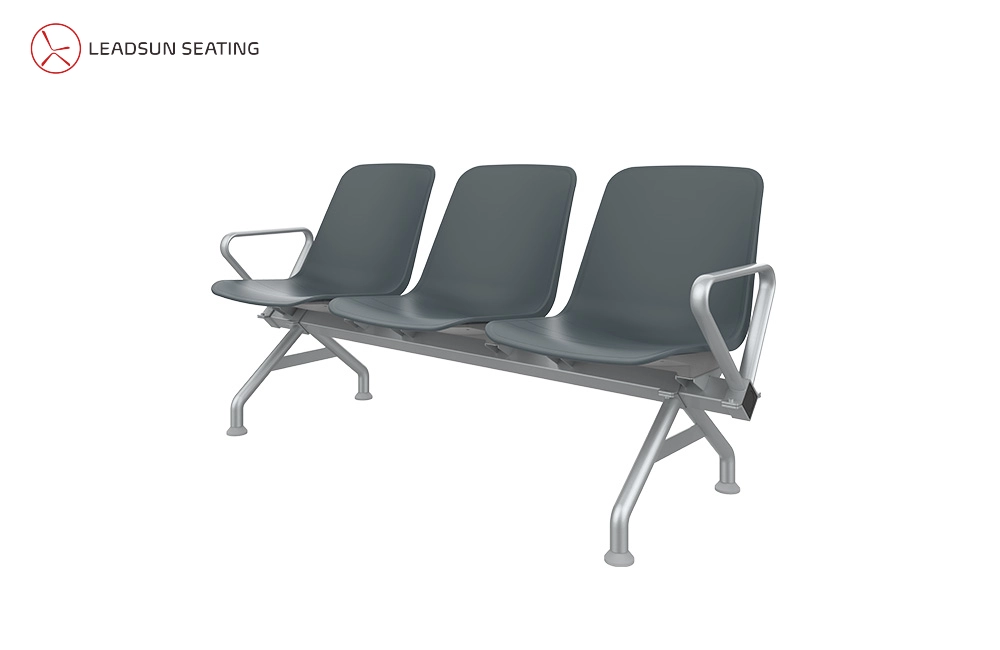
LS-551 Ergonomic Modular Waiting Chairs | Commercial Seating Solutions by Leadsun Seating
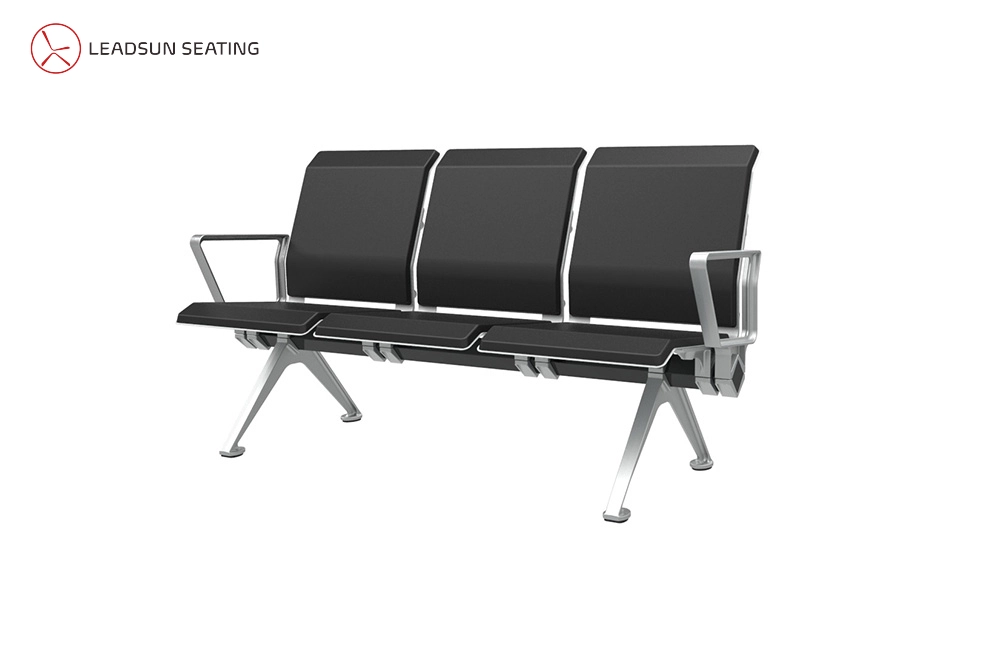
LS-529Y Ergonomic Waiting Chairs | High-Density PU Seating Solutions by Leadsun Seating
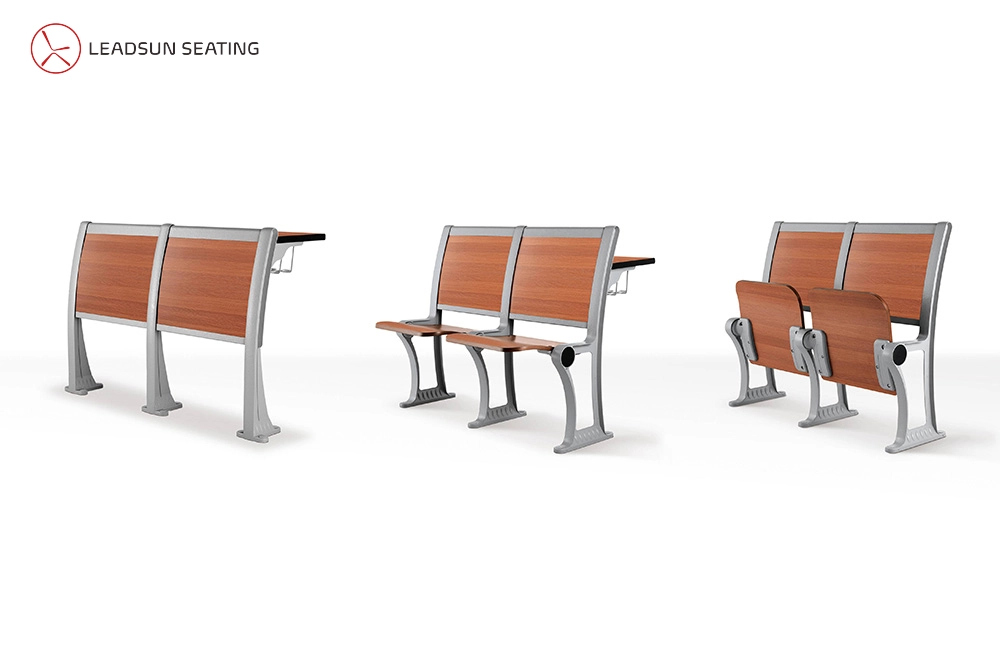
LS-908 Series Fixed Public Auditorium Chair or Tiered Classroom Solutions by Leadsun Seating
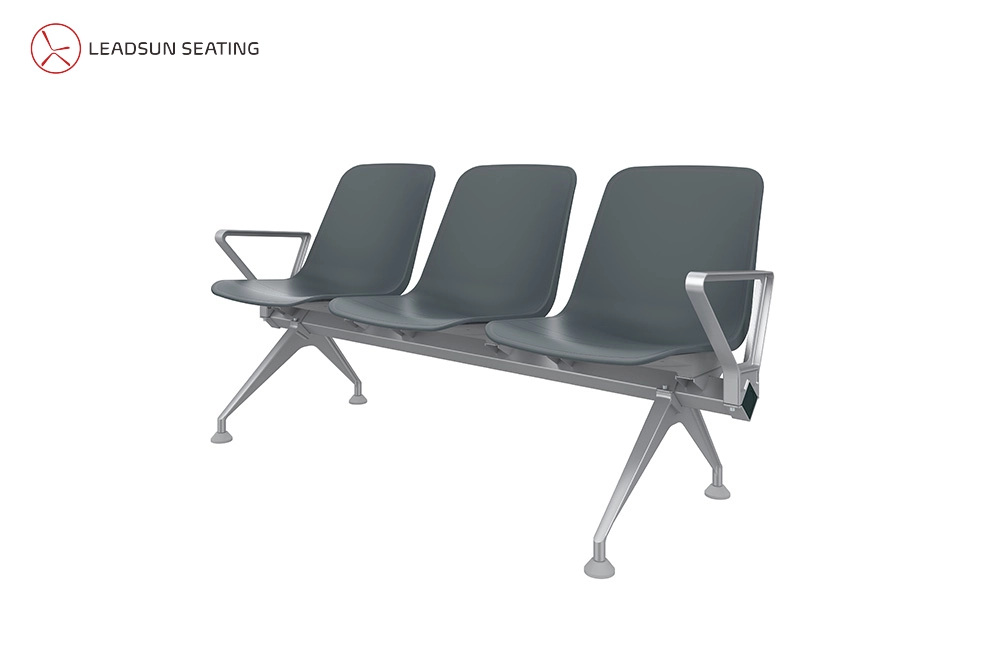
LS-550 Comfortable and Durable Waiting Chair | Customizable Waiting Chair Supplier Leadsun Seating
The LS-550 waiting chair from Leadsun offers superior comfort and durability for any public place. Customize your seating with Leadsun, a leading customizable waiting chair supplier. Ideal for high-traffic areas, the LS-550 ensures lasting performance and style.
Ready for your public seating project?
We specialize in providing high-quality, customizable seating solutions for public spaces, and we are excited to assist you with your project.
Our professional team will quickly answer your questions and provide customized solutions to ensure you have a worry-free experience.

Leadsun Seating is also engaged in the design, development, production, and marketing of lightweight public seats in public places, with an annual output of desks and chairs.
 Scan QR Code