







How does acoustic design influence airport seating comfort?
- 1. How should reverberation time (RT60) targets for a 300-seat lecture hall affect my choice of upholstered versus plastic seats?
- 2. Can high-back airport-style seating reduce speech bleed in adjacent lecture rows, and what design specs should I demand from manufacturers?
- 3. What acoustic absorption coefficients and foam densities should I require for lecture hall seat upholstery to balance comfort and noise control?
- 4. How do HVAC and terminal background noise values (NC levels) around airport seating inform lecture hall seating placement and material choices?
- 5. What measurable metrics should I include in procurement specs to ensure both ergonomic comfort and acoustic performance for fixed lecture hall seating?
- 6. How can modular airport seating concepts (power modules, acoustic screens) be adapted to reduce reverberation and improve speech intelligibility in university lecture halls without compromising sightlines?
As seating specialists at Leadsun Seating (www.leadsunseating.com), we bridge airport seating best practices and lecture hall procurement to deliver seating that balances ergonomics, durability and acoustic performance. Below are six specific beginner questions that are often poorly answered online, with in-depth, actionable answers you can use when specifying or buying lecture hall seating.
1. How should reverberation time (RT60) targets for a 300-seat lecture hall affect my choice of upholstered versus plastic seats?
Why this matters: RT60 (the time it takes sound to decay by 60 dB) is a primary room-acoustic metric. In lecture halls, excessive RT60 smears speech, reducing intelligibility; too short makes the room feel “dead” and unnatural. Typical acoustic guidance for small classrooms and lecture rooms places desirable RT60 in the 0.6–1.2 s range depending on volume and use. ANSI/ASA and ISO standards give the methodology for measurement.
How seat material affects RT60: Upholstered seating, especially with porous acoustic fabrics and open-cell foam, provides mid- to high-frequency absorption when seats are unoccupied, lowering RT60 compared with hard plastic chairs. Plastic seating has much lower absorption and relies on other room treatments (ceiling clouds, wall panels) to meet RT60 targets.
Specification guidance:
- Set room RT60 targets based on volume and use: for spoken-lecture priority aim for 0.6–0.9 s in smaller volumes and up to ~1.0–1.2 s in large auditoria where some warmth is acceptable.
- When specifying seats, request measured absorption (in sabins or NRC band data) for both occupied and unoccupied conditions. Upholstered seats should contribute measurable absorption—ask for per-seat sabin values at 500–2000 Hz.
- If you must use plastic chairs for maintenance reasons, plan additional acoustic panels (ceiling clouds, wall treatments) sized to compensate for the reduced seat absorption.
Result: Choose upholstered seating with proven absorption values for lecture halls where speech intelligibility is critical; otherwise budget for supplementary sound-absorbing architecture.
2. Can high-back airport-style seating reduce speech bleed in adjacent lecture rows, and what design specs should I demand from manufacturers?
Why this matters: ‘Speech bleed’ (direct sound from adjacent listeners) reduces attention and intelligibility. Airport seating trends—high-back modules and acoustic screens—are used to increase privacy and reduce ambient distraction.
How it translates to lecture halls: High-back or winged-seat modules increase local sound shielding and create acoustic pockets. Properly designed, they lower perceived distractions and increase occupant comfort without changing room RT60 significantly.
What to specify:
- Acoustic screen height and density: request NRC or absorption coefficient for the screen material (aim for specialized acoustic textile or PET panels with NRC 0.4–0.7 rather than simple foam-backed fabrics).
- Back geometry: high backs with at least 400–600 mm additional height above the head plane help deflect lateral speech. Verify manufacturer prototypes in-situ (or in anechoic/real-room tests) for measured reductions in lateral SPL.
- Fire and durability standards: ensure screens meet local flammability codes (e.g., EN 1021, CAL TB117-2013 where applicable) and have durable surface finishes for high-traffic environments.
Result: Modular high-back, airport-style modules with certified acoustic screens can be adapted to lecture halls to reduce local speech bleed—require manufacturer acoustic performance data, not just visuals.
3. What acoustic absorption coefficients and foam densities should I require for lecture hall seat upholstery to balance comfort and noise control?
Why this matters: Buyers need concrete numeric targets to compare vendors. Two measurable properties matter: material sound absorption (NRC or frequency-band alpha) and foam performance (density and ILD/firmness) for comfort and longevity.
Recommended targets and rationale:
- Acoustic absorption (materials): For upholstery panels and seat shells with acoustic facings, request frequency-specific absorption coefficients (250, 500, 1000, 2000 Hz). Acoustic fabrics or panelized upholstery should aim for effective mid-frequency absorption—an effective per-seat contribution equivalent to 0.1–0.4 sabins at 500–1000 Hz is valuable in aggregate. For textile systems marketed as “acoustic” target an NRC of 0.3–0.6 (measured per ISO 11654 or ASTM C423).
- Foam density and ILD (comfort + durability): For heavy-use lecture seating, specify polyurethane foam density in the region of 40–55 kg/m3 (higher density improves longevity). Indentation Load Deflection (ILD) or Indentation Force Deflection (IFD) in the 30–45 range provides a balance of cushioning and support for stationary lecture tasks. If detailed lab numbers are not available, ask for 10-year cyclic durability tests and seat sag rate data.
- Cover textiles: choose breathable, acoustically transparent textiles for the outer cover; thicker vinyl reduces absorption and increases reflected sound, while acoustic fabrics maintain absorption while giving durability.
Result: Require numeric NRC/alpha data and foam density/ILD values in procurement documents; prioritize acoustic textiles plus mid-density, high-resilience foam for both comfort and noise control.
4. How do HVAC and terminal background noise values (NC levels) around airport seating inform lecture hall seating placement and material choices?
Why this matters: In airports, HVAC, announcements and crowd noise set a high background level; seat design and spacing attempt to mitigate the impact. Lecture halls have different NC targets but the approach to measurement and control is transferable.
Key metrics and targets:
- Noise Criteria (NC): Airports often run higher NC (e.g., NC 40–50 in concourses); lecture halls aiming for good speech clarity target NC 25–30. Use HVAC silencing, duct lining and low-flow diffusers to reduce NC at the source.
- Siting & seat placement: in rooms with higher ambient HVAC noise, prefer seating with local acoustic screens or high-back modules in front rows to reduce direct exposure. Avoid placing seats where HVAC outlets cause direct turbulence-related noise near listeners.
- Materials to mitigate background noise: specify sound-absorbing ceiling clouds and wall panels sized to reach RT60 targets and to lower background levels. Seat textiles can contribute to absorption, but source control (quiet fans, low-velocity diffusers) is more effective.
Result: Use NC targets to define acceptable background noise and combine HVAC engineering with acoustic seat materials and strategic placement to protect speech intelligibility and occupant comfort.
5. What measurable metrics should I include in procurement specs to ensure both ergonomic comfort and acoustic performance for fixed lecture hall seating?
Why this matters: Procurement teams need objective pass/fail criteria. Vague phrases like “comfortable” or “acoustically improved” lead to inconsistent proposals.
Essential measurable specs to include:
- Acoustics: RT60 target for the finished room (list octave-band targets), required STI (speech transmission index) or RASTI minimum (e.g., STI > 0.45–0.50 for lectures), NRC or absorption coefficients for seat materials, tested per ASTM C423/ISO 354.
- Ergonomics & dimensions: seat width (suggest 450–560 mm depending on audience), seat pitch/legroom minimum (700–850 mm typical for lecture halls), backrest height above seat pan, and seat pan depth—state exact dimensions.
- Cushion specs: foam density (kg/m3), ILD/IFD rating, and cyclic durability test results (e.g., number of cycles to 5% sag). Specify warranty terms linked to cyclic results.
- Safety & compliance: list local fire/flame standards (e.g., EN 1021, CAL TB117-2013) and structural load tests for fixed seating per local building codes.
- Serviceability: modularity (replaceable cushions/skins), finish durability (Martindale abrasion or equivalent), and availability of replacement parts for at least X years.
Result: Use a procurement checklist with objective acoustic, ergonomic, safety and durability metrics to compare vendor bids meaningfully.
6. How can modular airport seating concepts (power modules, acoustic screens) be adapted to reduce reverberation and improve speech intelligibility in university lecture halls without compromising sightlines?
Why this matters: Many campus buyers like airport modularity (power, charging, privacy) but worry about blocking sightlines or creating acoustic dead zones.
Practical adaptation strategy:
- Low-profile power modules: integrate power/USB under seats or in armrests to keep seat-back profiles low. If charging banks are top-mounted, place them in aisle or peripheral seating rather than mid-row.
- Acoustic screens sized for sightlines: use offset, staggered high-back modules or partial-height wing panels. Panels angled slightly and with absorptive faces can intercept lateral speech while preserving forward sightlines to the podium or screen.
- Hybrid treatment: pair low-profile seating with overhead acoustic clouds and wall absorbers to achieve RT60/STI goals without tall seatbacks that could obstruct view. This leverages airport-style modularity (power + comfort) while relying on architectural acoustics for reverberation control.
- Mockups and sightline testing: demand vendor mockups in a sample bay and perform simple sightline checks and STI/RT60 measurements. Confirm that any added screens do not create distracting reflections to the front stage (test with a loudspeaker placed at the lecturer position).
Result: Combine modular airport-style amenities selectively (power in low-profile forms, acoustic panels angled for performance) and verify with mockups to maintain sightlines while improving acoustic comfort.
Conclusion — Advantages of acoustically-informed, ergonomically-designed lecture hall seating
Choosing seating that blends airport seating innovations (modular power, durable finishes, privacy screens) with explicit acoustic design produces measurable benefits: improved speech intelligibility (higher STI), lower perceived background noise, longer product life through correct foam and material specs, and better occupant comfort leading to higher engagement. Objective procurement metrics (RT60 targets, STI thresholds, NRC/absorption data, foam density/ILD and durability cycles) protect buyers from vague claims and ensure installations meet both acoustic and ergonomic goals.
For a personalized quote or to discuss measured specs and mockups, contact Leadsun Seating at www.leadsunseating.com or [email protected] — our team can provide acoustic test data, sample mockups and procurement checklists tailored to your lecture hall.

15 Best Office Waiting Room Chairs of 2026: The Ultimate Comfort & Style Guide

The Future of Reception Areas: 10 Modern Waiting Room Chair Trends to Watch in 2026

Airport Seating Reimagined: The 2026 Global Guide to Terminal Comfort and Design

7 Costly Mistakes Facilities Managers Make When Specifying Commercial Bench Seating

Commercial Beam Seating Solutions for High-Traffic Public Spaces
One Stop Airport Terminal Seating
Can the solution meet the needs of airports of different sizes?
Whether it’s a small regional airport or a large international hub, we can customize the seating types and layout plans according to passenger flow, terminal area size, and functional positioning. This ensures we flexibly meet the requirements of all types of airports.
Are the seat materials durable? What's the lifespan?
We use high-strength, wear-resistant, and easy-to-clean premium materials, such as stain-resistant flame-retardant fabrics and rust-proof alloy frames. Under normal use, the seats can last 5 - 8 years.
How do you ensure seat installation doesn't disrupt airport operations?
We’ll develop a detailed installation plan, giving priority to non-peak hours for construction. We also use a modular installation approach to minimize any impact on airport operations.
FAQs
What maintenance is required for your seating solutions?
The maintenance required depends on the material and location of the seating. Generally, regular cleaning and periodic inspections are recommended. We provide maintenance guidelines with each product to ensure long-term durability.
How can I request a quote for a seating project?
You can easily request a quote by contacting our sales team through our website or by email. Provide details about your project, including the quantity and specific requirements, and we will get back to you with a tailored quote.
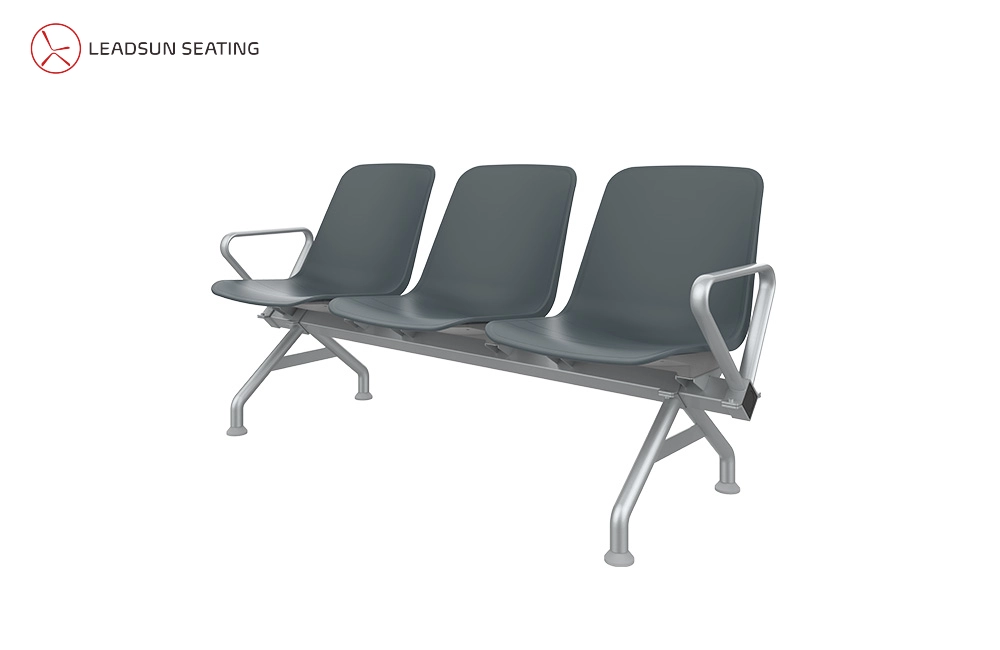
LS-551 Ergonomic Modular Waiting Chairs | Commercial Seating Solutions by Leadsun Seating
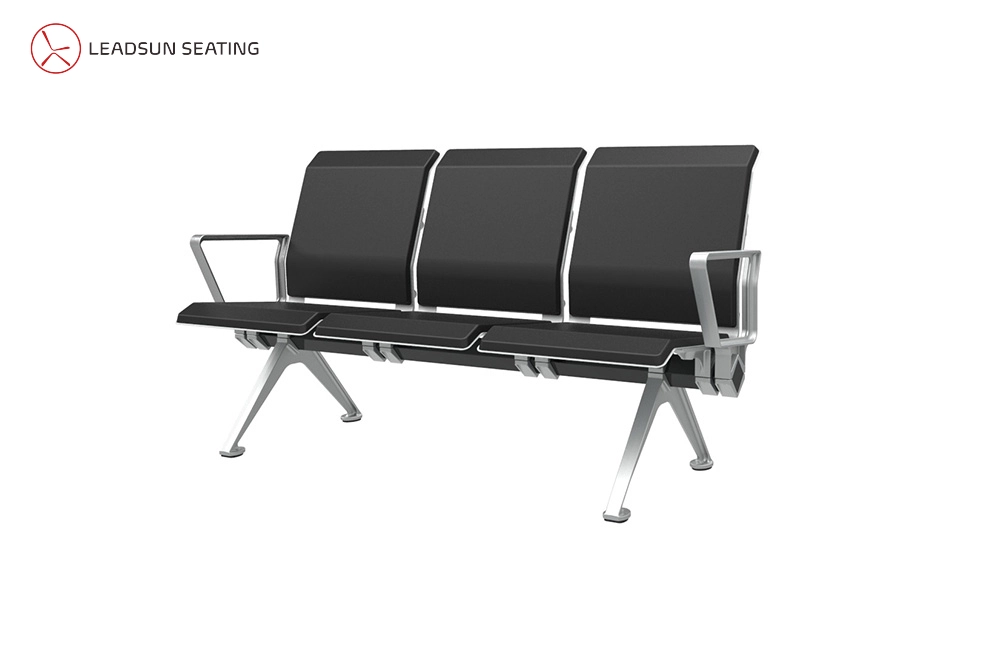
LS-529Y Ergonomic Waiting Chairs | High-Density PU Seating Solutions by Leadsun Seating
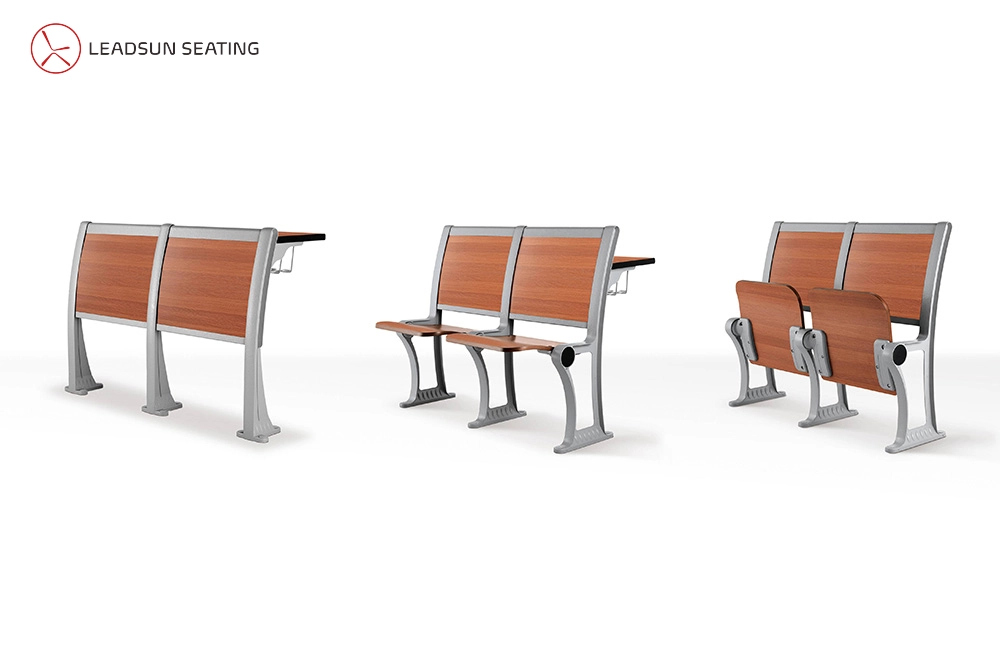
LS-908 Series Fixed Public Auditorium Chair or Tiered Classroom Solutions by Leadsun Seating
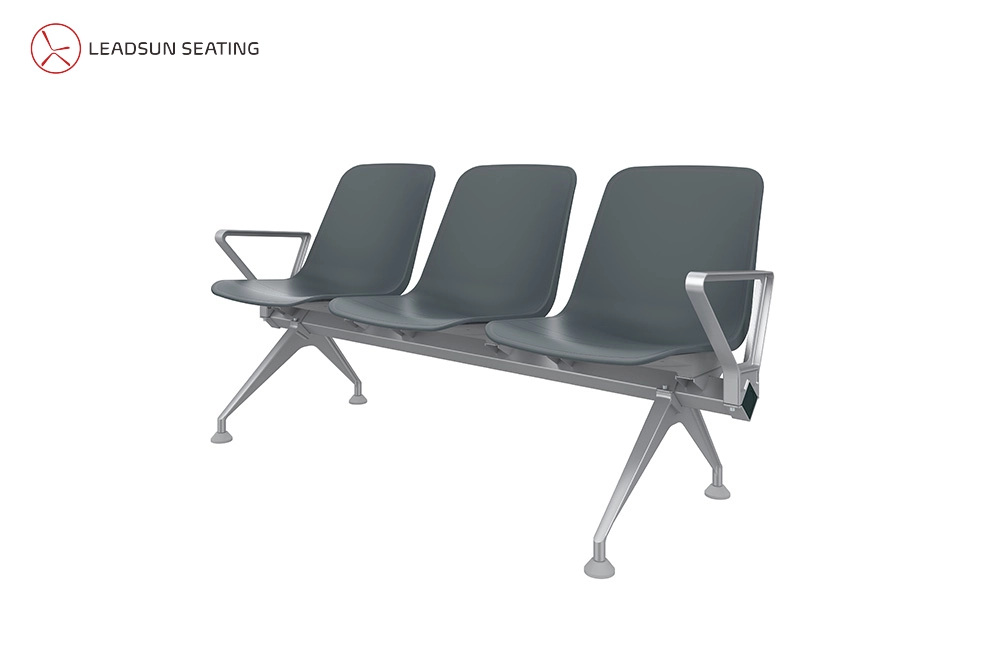
LS-550 Comfortable and Durable Waiting Chair | Customizable Waiting Chair Supplier Leadsun Seating
The LS-550 waiting chair from Leadsun offers superior comfort and durability for any public place. Customize your seating with Leadsun, a leading customizable waiting chair supplier. Ideal for high-traffic areas, the LS-550 ensures lasting performance and style.
Ready for your public seating project?
We specialize in providing high-quality, customizable seating solutions for public spaces, and we are excited to assist you with your project.
Our professional team will quickly answer your questions and provide customized solutions to ensure you have a worry-free experience.

Leadsun Seating is also engaged in the design, development, production, and marketing of lightweight public seats in public places, with an annual output of desks and chairs.
 Scan QR Code