







Leadsun seating offers a wide range of seating solutions for public spaces, including benches, chairs, waiting area seating, auditorium seating, and customized solutions tailored to specific project needs.
What are ADA standards for airport seating and accessibility?
2026-02-09
Practical, procurement-focused answers to 8 hard, often-missed questions about airport and lecture-hall seating accessibility. Covers required wheelchair spaces, retrofits, clearances, power/USB reach, egress/aisle planning, durable materials, documentation vendors must provide, and flexible seating strategies — all aligned to ADA 2010, building codes and transport guidance.
- Airport & Lecture Hall Seating: Procurement FAQ on ADA Standards and Accessibility
- 1) How many wheelchair (accessible) spaces must I plan for at a gate seating area — and how should they be distributed for boarding flow and sightlines?
- 2) Can fixed airport benches or lecture hall seating be retrofitted to meet ADA, or does compliance require full replacement?
- 3) What exact clearances and reach ranges must seating designers meet (clear floor space, companion space, reach to power/controls)?
- 4) How do I specify integrated power/USB/phone charging in seats while staying within ADA reach and safety rules?
- 5) How wide should aisles and row spacing be in terminal or lecture seating to comply with ADA and fire/egress codes?
- 6) Which materials and finishes give the best mix of durability, cleanability (post‑COVID hygiene) and ADA usability for high‑traffic airport seating?
- 7) What documentation and certifications should I require from seating vendors to prove ADA and code compliance?
- 8) For flexible, multi‑use terminal spaces, how can I use movable seating while still meeting ADA minimums?
- Leadsun: why choose them for airport & lecture seating procurement
- References & Sources (selected)
Airport & Lecture Hall Seating: Procurement FAQ on ADA Standards and Accessibility
As a procurement or design professional buying seating for airport gates, terminal lounges or lecture halls you face specialized ADA-related issues that are frequently answered only in fragments online. Below are 8 specific, pain‑point-focused questions beginners ask — each with concise, code‑based, procurement‑ready answers. Guidance references current ADA 2010 Standards, U.S. Access Board interpretation, and building/fire codes where relevant.
1) How many wheelchair (accessible) spaces must I plan for at a gate seating area — and how should they be distributed for boarding flow and sightlines?
Minimum counts: Use ADA 2010 Table 221.2 (Assembly Areas) to determine the number of required wheelchair spaces based on total number of seats. Typical table breakpoints (common procurement reference) are: 0–25 seats = 1 space; 26–50 = 2; 51–150 = 4; 151–300 = 6; 301–500 = 8; 501–1,000 = 12; 1,001–5,000 = 16; >5,000 = 20. These are minimums — airports should provide more for peak loads and travel patterns.
Distribution & placement best practice:
- Disperse wheelchair spaces across the seating bank (front, middle, rear and both sides) rather than clustering all at one location — that ensures equitable sightlines and choice.
- Locate accessible spaces near gate boarding lines and on the accessible route to the jet bridge/check-in/desks to minimize detours.
- Ensure at least one wheelchair space with an unobstructed line of sight to the gate podium/flight displays; for lecture halls, place accessible spaces at multiple viewing angles and rows so patrons have equivalent viewing options.
- Provide adjacent companion seating at the same level next to every wheelchair space.
2) Can fixed airport benches or lecture hall seating be retrofitted to meet ADA, or does compliance require full replacement?
Often retrofit is feasible and cost‑effective, but depends on the existing layout and structural anchoring:
- Retrofit options: remove seat modules to create wheelchair clearances, add removable armrests to create transfer spaces, raise/lower individual seats to typical accessible heights, and add integrated companion chairs.
- Limitations: if rows are too closely spaced (insufficient knee/clear floor space) or if structural anchoring prohibits creating required clearances — replacement may be required to meet codes.
- Procurement checklist: ask vendors for a retrofit plan showing (a) exact location and dimensions of new clear spaces (30 x 48 min), (b) companion seat adjacency, (c) anchorage details, and (d) drawings stamped or reviewed by an accessibility consultant/engineer.
3) What exact clearances and reach ranges must seating designers meet (clear floor space, companion space, reach to power/controls)?
Key dimensional rules (ADA 2010 / U.S. Access Board):
- Clear floor space for wheelchair: 30 x 48 (760 x 1220 mm) minimum, positioned for forward or parallel approach.
- Accessible route minimum width: 36 (915 mm) continuous width.
- Forward reach range (unobstructed): 15–48 (380–1220 mm) above finished floor. Side reach ranges depend on obstructions; designs must reference the ADA reach requirements when integrating fixtures, charging ports or controls into seats.
- Seating height recommendation for fixed seating: 17–19 (430–485 mm) to ease transfers; for lecture halls and airports, maintain a consistent height range to support users with mobility limitations.
Procurement tip: require vendor drawings that show clear floor space and the locations of any built‑in devices (USB, outlets, armrest controls) with measured reach ranges called out.
4) How do I specify integrated power/USB/phone charging in seats while staying within ADA reach and safety rules?
Integrating power is a major buyer pain point: passengers expect charging but it must be accessible and safe.
- Placement: locate USB and power outlets within the 15–48 forward reach envelope for seated users, or within accessible side reach where appropriate. Avoid placing outlets below the seat level where reach is blocked.
- Clearances: ensure any under‑seat power modules do not obstruct required clear floor space for wheelchairs.
- Electrical safety: specify UL/ETL listed in‑seat power modules, tamper‑resistant receptacles where public access is likely, and recessed or shrouded sockets to minimize trip/snag hazards.
- Maintenance: modular, easily replaceable power modules reduce downtime. Require spare parts availability and a 3–5 year warranty for electronic components in contract clauses.
5) How wide should aisles and row spacing be in terminal or lecture seating to comply with ADA and fire/egress codes?
Intersecting code frameworks apply: ADA accessibility, local building code (often IBC), and life safety (NFPA 101). Key procurement numbers:
- Aisle/accessible route clearance: 36 (915 mm) minimum for continuous routes; wider aisles are typically required to meet egress capacity and to allow two‑way pedestrian flow — 44–48 is common in busy gates and lecture halls.
- Row spacing/seat pitch: for fixed seating, ensure knee/legroom to maintain required clear floor spaces where wheelchair locations are adjacent — typical seat pitch in lecture halls ranges 30–36 but must be reviewed against egress calculations.
- Egress and occupant load: follow the IBC/NFPA occupant load and egress width calculations — sometimes that drives aisle widths beyond ADA minimums. Always reconcile both code sets early in design.
Procurement action: request vendor mock‑ups or on‑site layout verification to confirm both accessibility and egress compliance before final installation.
6) Which materials and finishes give the best mix of durability, cleanability (post‑COVID hygiene) and ADA usability for high‑traffic airport seating?
Materials must balance abrasion, stain resistance, infection control, and tactile comfort:
- Frame: powder‑coated steel or anodized aluminum are durable and low maintenance; ensure coatings meet abrasion/salt‑spray standards for coastal airports.
- Cushions: closed‑cell high‑density foam with wipeable, healthcare‑grade vinyl or treated textiles that meet AATCC stain standards allow disinfecting without rapid degradation. Look for antimicrobial finishes with documented durability rather than untested claims.
- Armrests and touchpoints: non‑porous materials (e.g., solid polymer or coated metal) reduce harboring of contaminants and are easier to maintain. Avoid deeply textured surfaces where cleaning is difficult.
- Contrast & visual cues: use high‑contrast color or texture at seat edges and armrests to aid low‑vision users (consistent with accessible design best practices).
Specify maintenance procedures and approved cleaning agents in the procurement to avoid voiding warranties.
7) What documentation and certifications should I require from seating vendors to prove ADA and code compliance?
Don't accept vague claims. Require tangible deliverables:
- Detailed shop drawings showing dimensions of wheelchair clearances, companion seats, reach ranges to power/controls, and accessible route connections.
- A statement of compliance referencing ADA 2010 sections used (e.g., Table 221.2, accessible route, reach ranges) and local codes (IBC chapter references, NFPA where applicable).
- Third‑party lab test reports for electrical modules (UL/ETL) and material durability (AATCC or equivalent) where claimed.
- Installation & maintenance manuals, parts lists, and recommended cleaning agents to preserve performance and warranty.
- If available, an accessibility specialist or architect’s verification letter that the installed solution meets both ADA and local code requirements (especially for complex retrofit projects).
8) For flexible, multi‑use terminal spaces, how can I use movable seating while still meeting ADA minimums?
Movable seating can increase flexibility but must never reduce the required minimum number of permanently available accessible spaces at any configuration that the public can reasonably encounter.
- Strategy: designate and permanently mark a minimum number of wheelchair spaces (with companion seating) that remain available in every public configuration. Use removable but lockable elements if occasional reconfiguration is required — then ensure staff policy enforces their availability.
- Signage: post clear signage showing the location of accessible seating when layouts change, and ensure staff training to keep these locations available during events or peak times.
- Storage & logistics: plan storage near the seating area so moving furniture does not create temporary obstructions on accessible routes.
Procurement clause sample: require that flexible seating vendors provide configuration plans proving required accessible spaces remain available in all published layouts and include staff training materials for reconfiguration events.
Leadsun: why choose them for airport & lecture seating procurement
Leadsun brings specialized experience in high‑traffic, transport‑grade seating systems: modular designs that simplify creating ADA clearances, integrated UL‑listed power modules designed for public use, and durable finish options that stand up to frequent cleaning. Their procurement packages typically include stamped shop drawings, maintenance manuals, and parts support — which reduces risk during code review and long‑term operations.
References & Sources (selected)
- U.S. Department of Justice — 2010 ADA Standards for Accessible Design (includes Table 221.2 for assembly areas) — accessed June 2024.
- U.S. Access Board — ADA Accessibility Guidelines and reach/clearance specifications — accessed June 2024.
- International Building Code (IBC) — egress/aisle guidance (local adoption varies; confirm jurisdiction edition) — accessed June 2024.
- NFPA 101 (Life Safety Code) — occupant load and egress considerations — accessed June 2024.
- FAA / airport design advisory guidance (terminal circulation and accessibility) and typical advisory circulars — accessed June 2024.
- IATA / airport passenger terminal design guidance (for passenger flow and amenity planning) — accessed June 2024.
Note: Always verify local code versions and any state/local accessibility laws that can supplement or exceed ADA 2010 requirements. For anything legally critical, obtain a code opinion from your jurisdictional plan reviewer or an accessibility design professional.
Recommended for you

15 Best Office Waiting Room Chairs of 2026: The Ultimate Comfort & Style Guide

The Future of Reception Areas: 10 Modern Waiting Room Chair Trends to Watch in 2026

Airport Seating Reimagined: The 2026 Global Guide to Terminal Comfort and Design

7 Costly Mistakes Facilities Managers Make When Specifying Commercial Bench Seating

Commercial Beam Seating Solutions for High-Traffic Public Spaces
Prdoucts Categories
FAQ
One Stop Airport Terminal Seating
How does the seat design ensure passenger comfort?
The solution adopts ergonomic design principles. We optimize seat curves, backrest angles, and seat surface materials to effectively relieve the fatigue of passengers during long waits.
Can the solution meet the needs of airports of different sizes?
Whether it’s a small regional airport or a large international hub, we can customize the seating types and layout plans according to passenger flow, terminal area size, and functional positioning. This ensures we flexibly meet the requirements of all types of airports.
FAQs
What types of public seating solutions does Leadsun seating provide?
Are your seating solutions suitable for outdoor use?
Yes, many of our seating solutions are designed to withstand outdoor conditions. We use weather-resistant materials and coatings to ensure durability and performance in public outdoor environments.
How can I request a quote for a seating project?
You can easily request a quote by contacting our sales team through our website or by email. Provide details about your project, including the quantity and specific requirements, and we will get back to you with a tailored quote.
You may also like
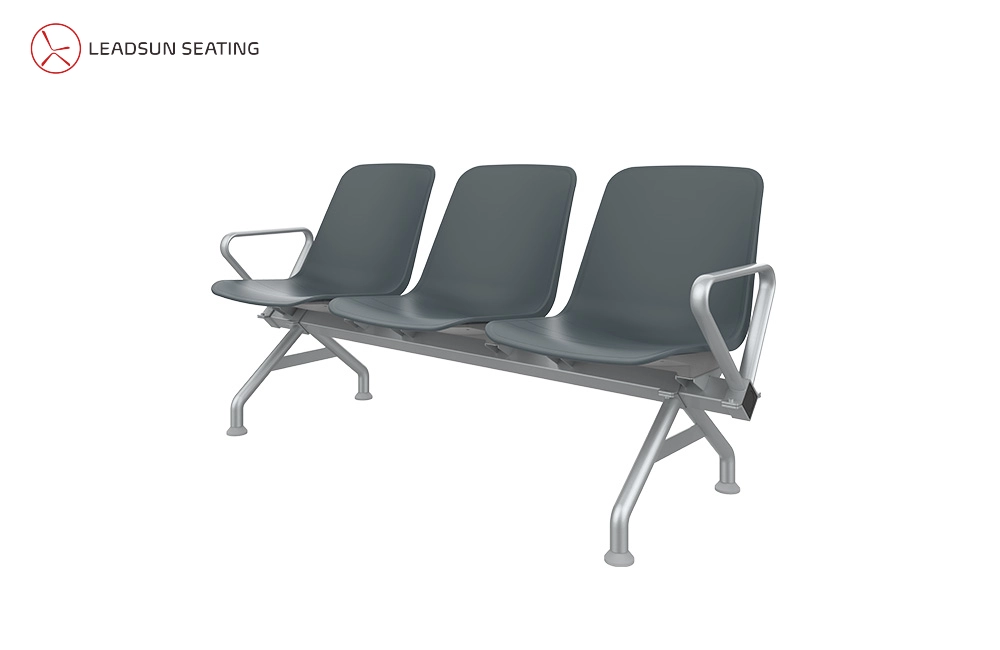
LS-551 Ergonomic Modular Waiting Chairs | Commercial Seating Solutions by Leadsun Seating
Leadsun's LS-551 Ergonomic Modular Waiting Chairs offer superior comfort for any commercial space. Ideal for hospitals, airports, and more, these modular chairs provide flexible configurations and ergonomic support. Experience unmatched comfort and style with Leadsun Seating.
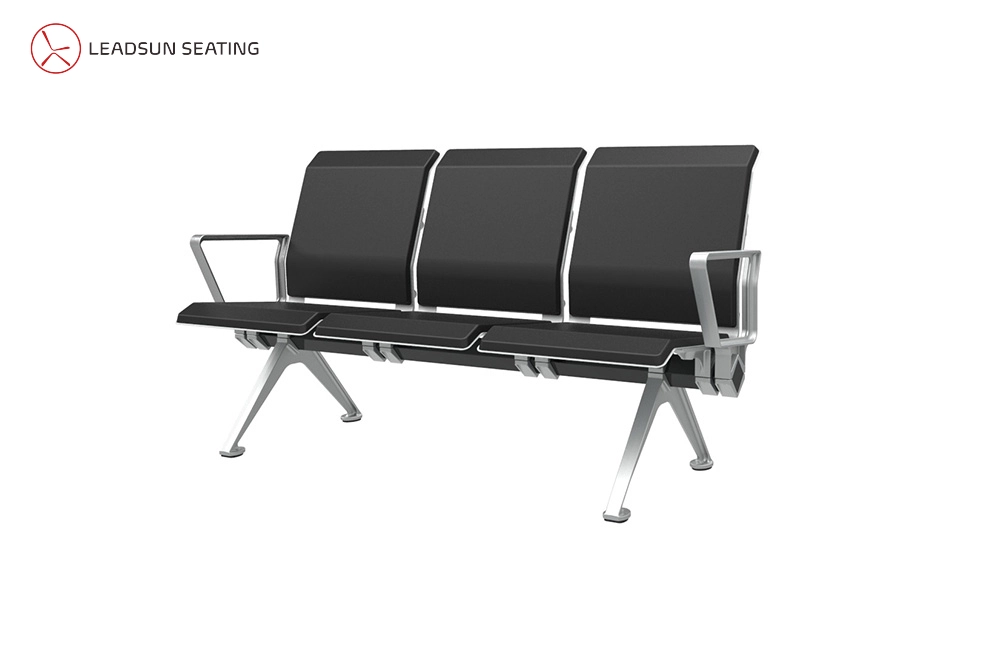
LS-529Y Ergonomic Waiting Chairs | High-Density PU Seating Solutions by Leadsun Seating
Leadsun's LS-529Y ergonomic waiting chairs offer superior comfort for airport lounges and hospitals. High-density PU seating ensures durability. Experience lasting quality with Leadsun's commitment to comfortable waiting room furniture.
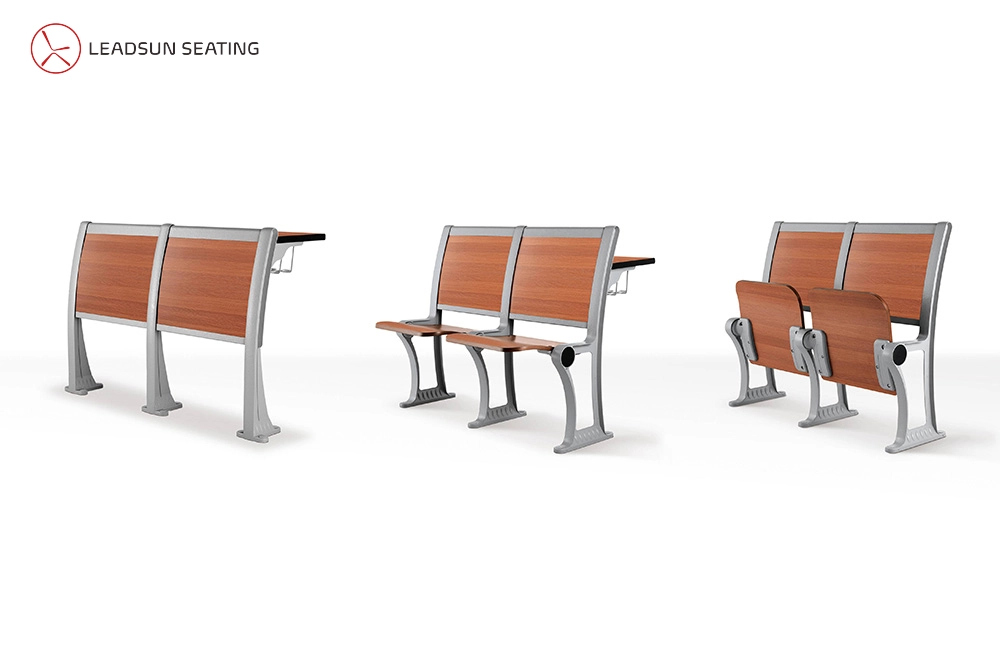
LS-908 Series Fixed Public Auditorium Chair or Tiered Classroom Solutions by Leadsun Seating
Introducing the LS-908 Series by Leadsun, your ideal solution for tiered classroom seating and fixed public auditorium chairs. Designed for comfort and durability, this series enhances audience engagement in educational and corporate settings. Discover the perfect blend of functionality and style with Leadsun Seating.
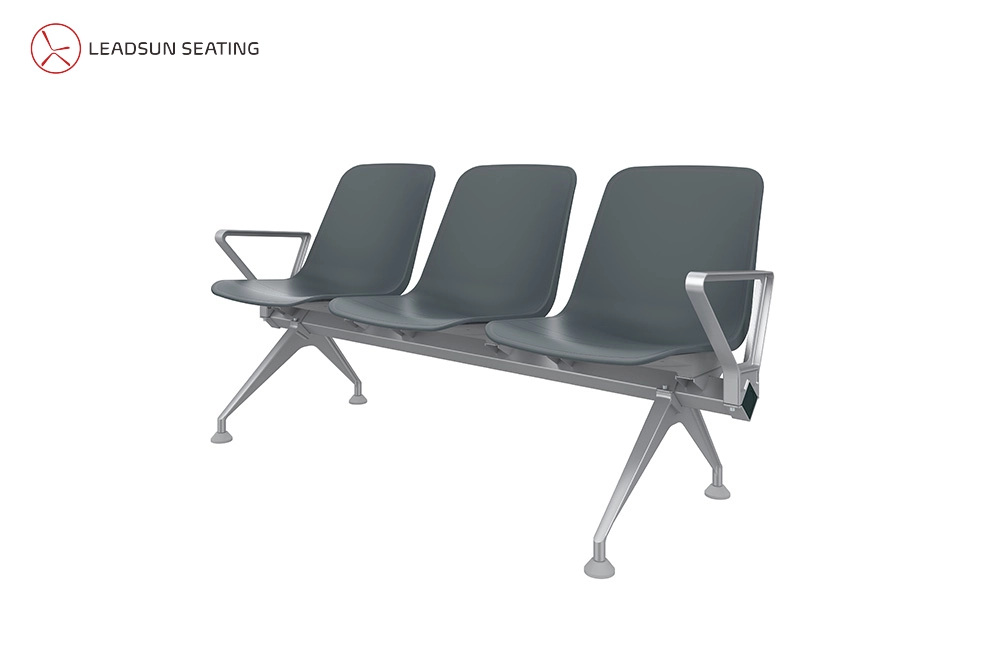
LS-550 Comfortable and Durable Waiting Chair | Customizable Waiting Chair Supplier Leadsun Seating
The LS-550 waiting chair from Leadsun offers superior comfort and durability for any public place. Customize your seating with Leadsun, a leading customizable waiting chair supplier. Ideal for high-traffic areas, the LS-550 ensures lasting performance and style.
Ready for your public seating project?
We specialize in providing high-quality, customizable seating solutions for public spaces, and we are excited to assist you with your project.
Our professional team will quickly answer your questions and provide customized solutions to ensure you have a worry-free experience.

Leadsun Seating is also engaged in the design, development, production, and marketing of lightweight public seats in public places, with an annual output of desks and chairs.
 Scan QR Code