







Why integrate device charging into airport seating?
- 1. How should I compare life-cycle cost of lecture hall seating with integrated power modules versus standard seats?
- 2. What are the best integrated device charging options for heavy-usage environments like lecture halls and gate lounges?
- 3. How do I ensure electrical, fire, and EMI safety when specifying USB/AC outlets in auditorium or airport seating?
- 4. What durable upholstery, frame materials and finishes best withstand heavy student or passenger turnover and intense cleaning protocols?
- 5. How much space and sightline adjustment is needed when replacing traditional benches with power-equipped modular seating in lecture halls?
- 6. Why integrate device charging into airport seating?
- Choosing Vendors, Warranties and Service Levels
- Implementation & Maintenance Best Practices
Airport Seating & Lecture Hall Seating: Why Integrate Device Charging?
As seating specifiers and procurement managers move from traditional bench seating to technology-enabled modular seating, the overlap between airport seating requirements and lecture hall seating needs grows. This article answers six detailed, buyer-focused questions that often lack clear, up-to-date answers online — covering life-cycle cost, integrated power choices, electrical and fire safety, durable materials, space and sightline planning, and the concrete business case for adding device charging to seating.
1. How should I compare life-cycle cost of lecture hall seating with integrated power modules versus standard seats?
What beginners often miss is that the purchase price is only a fraction of true cost. Total cost of ownership (TCO) should include: initial price, installation (electrical infrastructure and labor), expected maintenance and repair frequency, component replacement (power modules, USB ports, transformers), energy consumption, warranty terms, and end-of-life disposal or recycling.
Actionable approach: create a 7–12 year TCO model that includes:
- Capital cost: per-seat cost for framed seat + power module vs standard seat.
- Installation: electricians' hours, conduit/trunking, power distribution units (PDUs), and potential ceiling or underfloor changes for lecture halls or gate lounges.
- Energy: estimate average idle and active draw of chargers; use conservative duty cycles based on device turnover (class lengths or average dwell times). Modern USB‑C PD modules offer power-efficient idle states.
- Maintenance & repairs: expected replacement frequency for high-wear parts (USB ports, pop-up outlets, seat cushions). Ask vendors for Mean Time Between Failure (MTBF) or replacement rates from deployed projects.
- Downtime cost: lost functionality when charging is out of service — for airports this affects passenger experience metrics; for lecture halls it affects classroom engagement.
- Residual value / disposal: modular components often allow part replacement without full-seat removal, lowering lifecycle costs.
Procurement tip: require vendors to provide case studies with measured repair rates and energy data, and include performance benchmarks and an extended warranty (3–7 years) in the RFP to shift lifecycle risk.
2. What are the best integrated device charging options for heavy-usage environments like lecture halls and gate lounges?
Buyers need to match charging technology to use-case: passengers and students bring smartphones, tablets, and laptops. The three main integrated options are USB-A/USB-C power modules, AC pop-out outlets, and wireless charging pads. Each has trade-offs:
- USB‑C (Power Delivery): provides the most versatile and efficient charging for phones and tablets. For heavy usage, choose PD-capable ports (18–30W per port recommended) and industrial-grade connectors rated for high insertion cycles.
- AC outlets: required if your environment expects frequent laptop use. Integrate tamper-resistant, surge-protected outlets and ensure outlets comply with local electrical code. AC consumes more real power but supports greater device flexibility.
- Wireless charging: convenient for phones with Qi support but less space-efficient and slower. Best as an add-on in armrests or side tables rather than the primary power source.
Design recommendations:
- Provide at least one USB-C PD port per seat in lecture halls where students use tablets/laptops for long sessions; in airport gate seating, a mix of USB‑C + shared AC towers near clusters covers most needs.
- Specify industrial-grade sockets with dust and vandal resistance. Look for rated cycle life (e.g., 10,000+ insertions) and replaceable modules to simplify maintenance.
- Centralize power where possible — run higher-capacity PDUs to clusters to simplify servicing and load management.
3. How do I ensure electrical, fire, and EMI safety when specifying USB/AC outlets in auditorium or airport seating?
Safety compliance is non-negotiable. Specify components that are certified to recognized standards (UL, CE) and ensure the whole installation meets local building, fire, and accessibility codes.
Key safety checklist:
- Certifications: require UL/IEC/EN certifications for power modules, transformers, and surge protection devices. For maritime or coastal airports, specify corrosion-resistant finishes and IP ratings for humidity exposure.
- Surge & overcurrent protection: include integrated surge protection and overcurrent trip devices. Consider PDUs with remote monitoring and automatic shutoff on fault.
- EMI/EMC: select power supplies tested for electromagnetic compatibility, especially important in lecture halls with AV systems and in airports with sensitive communications equipment.
- Fire safety & flame retardancy: upholstery and cable management systems should meet flammability standards for assembly seating; use fire-resistant foams and barrier fabrics where required by code.
- Accessibility and egress: ensure installed power modules do not obstruct aisles or violate ADA clearances; design for quick access to shutoff points during emergencies.
Procurement clause: include mandatory on-site electrical inspection, final sign-off from a certified electrical engineer, and acceptance testing with sample load profiles before final payment.
4. What durable upholstery, frame materials and finishes best withstand heavy student or passenger turnover and intense cleaning protocols?
Durability and cleanability drive long-term value. High-traffic campus auditoriums and airport gate lounges face daily heavy use and routine disinfection — select materials accordingly.
Material guidance:
- Frame: powder-coated steel or tubular aluminum for structural strength and corrosion resistance. In coastal environments choose marine-grade finishes or stainless-steel options.
- Upholstery: vinyl and high-performance coated fabrics (e.g., polyurethane-coated textiles) offer excellent cleanability and disinfectant resistance. For comfort and acoustic performance, tightly-woven wool blends are an option but require careful disinfectant compatibility checks.
- Foam: closed-cell or high-resilience foam with antimicrobial treatments can improve lifespan and resist moisture penetration.
- Seams & stitching: welded seams or sealed seams reduce ingress of liquids and pathogens; avoid complex tufting in heavy-use settings.
- Replaceable components: modular seat backs/cushions and snap-in armrests reduce downtime and allow staged replacement rather than full-seat swaps.
Cleaning protocols: require vendor-provided cleaning compatibility matrices that list which disinfectants and cleaning frequencies are safe for the upholstery and electronics. This avoids accelerated wear from inappropriate chemicals.
5. How much space and sightline adjustment is needed when replacing traditional benches with power-equipped modular seating in lecture halls?
Integrated power modules and tablet arms change footprint and sightline geometry. Don’t simply match previous seat counts — re-evaluate usable space, egress, and viewing angles.
Practical planning steps:
- Conduct a sightline analysis: use the C-value method or 3D software to confirm that seat height and backrest profiles maintain clear lines of sight to the stage or screen after adding thicker cushions or integrated desks.
- Allow for additional clearances: power modules, pop-up outlets, and fixed tablet arms require extra horizontal or vertical clearance. Measure for knee room and ADA-compliant transfer spaces.
- Recalculate seat pitch: when adding AC outlets or larger arm modules, the recommended row pitch may increase. Optimize row stagger and center aisles for quick egress and AV cable runs.
- Modularity: favor bench-to-single-seat convertible systems that preserve flexibility and ease of maintenance while optimizing seat density.
Recommendation: prototype a row with integrated power and have real users (students or frequent flyers) test for comfort, legroom, and access to power before wide rollout.
6. Why integrate device charging into airport seating?
This is a central question for airports — and the answer has direct parallels for lecture halls. Integrating device charging into airport seating improves passenger experience, extends dwell-time revenue opportunities, supports passenger flow management and protects signage and gate electronics by reducing ad-hoc charging behaviors.
Concrete benefits:
- Passenger satisfaction: travelers expect reliable power at gate lounges. Providing convenient integrated power reduces stress and improves NPS and CSAT scores.
- Operational efficiency: reduced clusters around wall outlets and gate counters; passengers stay distributed across seating areas which helps boarding flow and security checks.
- Revenue & retail uplift: longer dwell times and happier passengers correlate with higher spend at concessions and airport retail. Integrated seating becomes an amenity that supports commercial strategies.
- Reduced infrastructure clutter: integrated systems centralize power distribution and reduce unsightly extension cords and unsecured cables that create trip hazards.
- Cross-application for lecture halls: the same logic applies in universities — integrated charging improves student focus, reduces device downtime, and future-proofs classrooms for hybrid learning.
Vendor selection tip: quantify expected passenger/device load and specify power density per seat and cluster-level PDUs to avoid underprovisioning — require load testing during acceptance.
Choosing Vendors, Warranties and Service Levels
When specifying either lecture hall seating or airport seating with integrated charging, include these procurement essentials:
- Demand published MTBF or field failure data from existing installations.
- Specify on-site warranty response times (e.g., 48–72 hours) and local spare parts stocking.
- Require factory acceptance testing (FAT) and site acceptance testing (SAT) with load profiles mimicking peak usage.
- Request references from similar-scope projects (airports, universities) and inspect live installations when possible.
Implementation & Maintenance Best Practices
Follow these steps to reduce lifecycle risk:
- Centralize electrical distribution with PDUs and circuit monitoring to quickly identify faults.
- Use replaceable charging modules to keep seating operational during repairs.
- Create a documented cleaning and electronics maintenance schedule aligned with vendor recommendations to avoid warranty voids.
- Train in-house maintenance staff on quick module swaps and lockout/tagout procedures for safe servicing.
Example checklist items to include in contracts: serial-numbered power modules, spare-module kits on-site, 24-month parts availability guarantee, and annual performance verification.
Conclusion: Integrating device charging into seating — whether at an airport gate or in a campus lecture hall — is a strategic move that impacts user experience, operational flow, and long-term costs. Selecting the right combination of USB‑C PD, AC outlets, corrosion-resistant frames, and modular upholstery ensures a pragmatic balance between comfort and durability while keeping maintenance predictable.
Advantages summary: integrating device charging and choosing durable, modular seating delivers higher passenger/student satisfaction, improved dwell-time economics, lower downtime through modular repairs, compliance-ready electrical solutions, and a future-proofed facility that supports hybrid tech use.
For a tailored quote and specification support for airport seating or lecture hall seating with integrated power, contact us at [email protected] or visit www.leadsunseating.com.

15 Best Office Waiting Room Chairs of 2026: The Ultimate Comfort & Style Guide

The Future of Reception Areas: 10 Modern Waiting Room Chair Trends to Watch in 2026

Airport Seating Reimagined: The 2026 Global Guide to Terminal Comfort and Design

7 Costly Mistakes Facilities Managers Make When Specifying Commercial Bench Seating

Commercial Beam Seating Solutions for High-Traffic Public Spaces
FAQs
How can I request a quote for a seating project?
You can easily request a quote by contacting our sales team through our website or by email. Provide details about your project, including the quantity and specific requirements, and we will get back to you with a tailored quote.
Are your products compliant with safety and accessibility standards?
-
Absolutely. All of our seating solutions comply with relevant safety regulations and accessibility standards, ensuring comfort and safety for all users, including those with special needs.
-
One Stop Airport Terminal Seating
What does the after-sales service include?
Our after-sales service covers daily maintenance guidance, regular inspections, fault repairs, and component replacements. Our professional after-sales team is available 24/7 to ensure the long-term stable operation of the seats.
Are the seat materials durable? What's the lifespan?
We use high-strength, wear-resistant, and easy-to-clean premium materials, such as stain-resistant flame-retardant fabrics and rust-proof alloy frames. Under normal use, the seats can last 5 - 8 years.
How do you ensure seat installation doesn't disrupt airport operations?
We’ll develop a detailed installation plan, giving priority to non-peak hours for construction. We also use a modular installation approach to minimize any impact on airport operations.
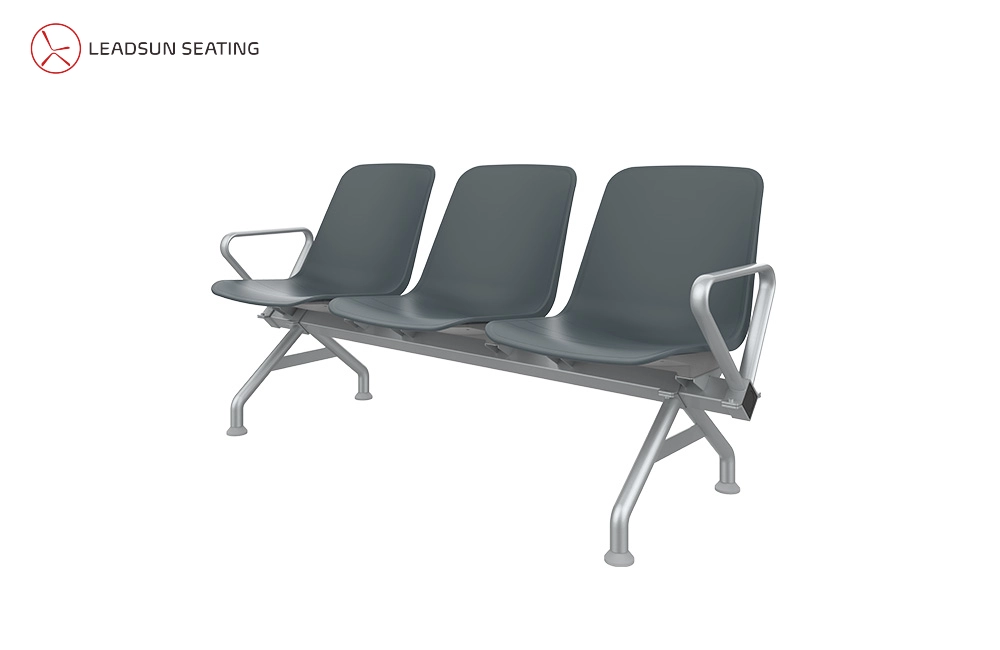
LS-551 Ergonomic Modular Waiting Chairs | Commercial Seating Solutions by Leadsun Seating
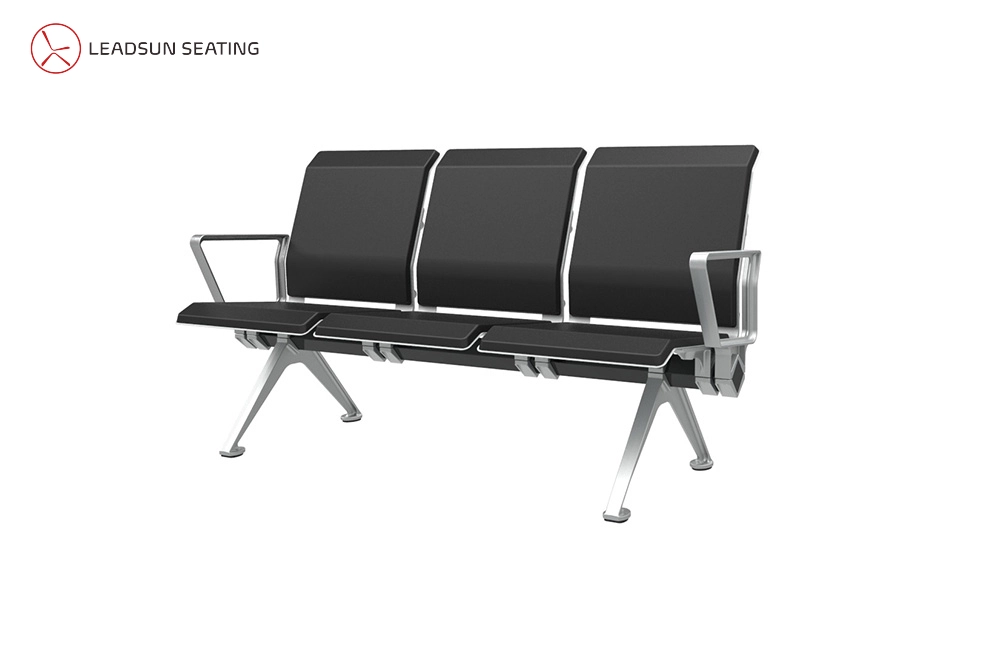
LS-529Y Ergonomic Waiting Chairs | High-Density PU Seating Solutions by Leadsun Seating
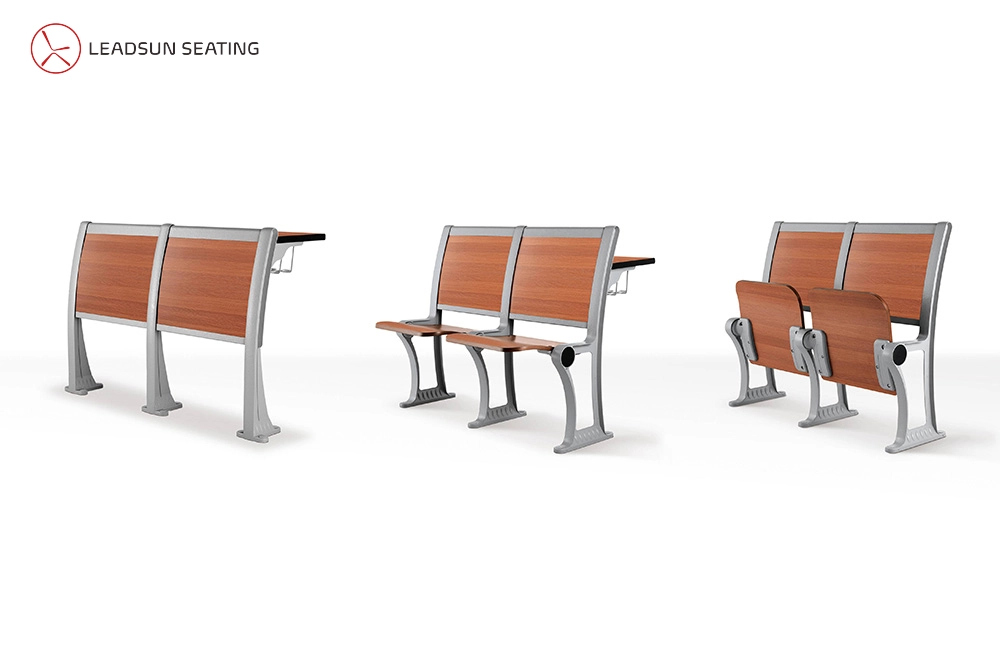
LS-908 Series Fixed Public Auditorium Chair or Tiered Classroom Solutions by Leadsun Seating
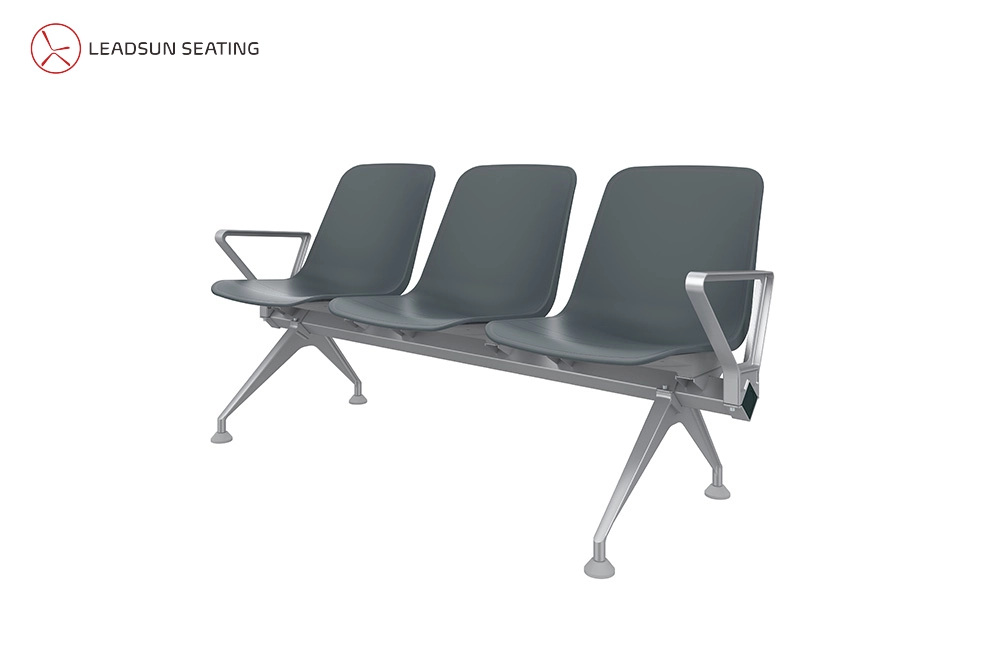
LS-550 Comfortable and Durable Waiting Chair | Customizable Waiting Chair Supplier Leadsun Seating
The LS-550 waiting chair from Leadsun offers superior comfort and durability for any public place. Customize your seating with Leadsun, a leading customizable waiting chair supplier. Ideal for high-traffic areas, the LS-550 ensures lasting performance and style.
Ready for your public seating project?
We specialize in providing high-quality, customizable seating solutions for public spaces, and we are excited to assist you with your project.
Our professional team will quickly answer your questions and provide customized solutions to ensure you have a worry-free experience.

Leadsun Seating is also engaged in the design, development, production, and marketing of lightweight public seats in public places, with an annual output of desks and chairs.
 Scan QR Code