







How do accessibility rules influence airport seating layouts?
- 1. How should I calculate required wheelchair and companion seating in a new gate holding area so it meets accessibility standards yet keeps capacity maximized?
- 2. In retrofit projects, what are practical design strategies to add accessible seating without a significant net loss of seats?
- 3. How do tactile guidance systems and signage requirements change seating layouts for blind or low‑vision passengers?
- 4. Which materials and finishes best balance durability, hygiene, and accessibility for senior and mobility‑impaired users?
- 5. How should aisle widths, slope and step‑free routes be planned within gate or lecture‑hall holding areas to fit mobility devices and meet evacuation safety?
- 6. What procurement specifications should I include to ensure airport/lecture‑hall seating is accessible, retrofit‑friendly and future‑proof?
- Concluding summary: Advantages of embedding accessibility rules into seating purchases
Airport Seating & Accessibility: 6 Practical Questions Every Lecture‑Hall Buyer Should Ask
As airports and lecture halls converge on shared design priorities—clear sight lines, inclusive seating, integrated power and robust finishes—the rules that govern airport seating layouts offer direct, actionable lessons for lecture‑hall seating buyers. Below are six long‑tail, practical questions beginners often search for but rarely find fully answered. Each one includes detailed, reference‑based guidance you can use when specifying purchases or retrofits.
1. How should I calculate required wheelchair and companion seating in a new gate holding area so it meets accessibility standards yet keeps capacity maximized?
Why it matters: Designers often treat wheelchair spaces as an afterthought. When planned early, accessible bays preserve sight lines, improve passenger flow and reduce costly rework.
Actionable approach:
- Start with the governing regulations: in most jurisdictions airport seating must follow local building codes and accessible design standards (for example, the U.S. ADA Standards for Accessible Design). These standards define required wheelchair space dimensions, circulation clearances and the need for companion seating and dispersed locations rather than clustering.
- Plan distribution, not just quantity. Distribute wheelchair spaces across multiple gates/rows and sightlines so users can choose vantage points. This avoids bottlenecks at a single accessible bay and preserves perceived capacity.
- Design the wheelchair clear space as a flexible bay: provide a clear 36 minimum accessible route (915 mm) and a parking/standing area large enough to fit a mobility device plus a companion seat. Allow for a 60 turning diameter (1525 mm) where turning is required per common accessibility guidance.
- Reserve companion seats adjacent to each wheelchair space. Companion seating should match neighboring seat heights and sight lines to avoid segregating travelers.
- Use slimline or cantilever seating modules to recover seat count lost to accessible bays. Modular benches that accept removable seats let you convert capacity as patterns change.
- Verify with the Authority Having Jurisdiction (AHJ) and airport operations early. Egress, security lines and gate furnishings interact—coordinate to avoid conflicts that reduce usable seats.
Outcome: An even distribution of accessible spaces that feels integrated, maintains passenger flow and reduces impact on total seat count.
2. In retrofit projects, what are practical design strategies to add accessible seating without a significant net loss of seats?
Why it matters: Many airports and lecture halls must upgrade existing seating to meet contemporary accessibility expectations without losing revenue‑bearing seating or audience capacity.
Strategies that work:
- Implement removable‑seat modules: install benches where individual seats can be taken out to create wheelchair bays temporarily for events or peak times. This preserves maximum capacity when the bay is not required.
- Replace bulky arm‑rest heavy chairs with slimline seats: modern slim profiles recover 1–2 inches per seat row; across many rows this can add several seats back.
- Create shared accessible aisles: instead of reducing many rows to create discrete bays, create accessible cross‑aisles that serve multiple rows while maintaining overall counts.
- Use staggered seating patterns and variable row depths: move to alternating deeper/shallow row spacing to create pockets for wheelchair spaces while keeping most rows at standard spacing.
- Consider reallocating non‑passenger functions: kiosks, pop‑ups or retail islands can sometimes be relocated to free space for accessible seating without reducing passenger capacity.
- Validate with structural/anchoring requirements: retrofit anchoring points and bolting patterns must be compatible with your chosen solution to avoid extra construction that reduces usable seats.
Outcome: With modular, slimline and shared‑space thinking you can meet accessibility needs while minimizing capacity losses.
3. How do tactile guidance systems and signage requirements change seating layouts for blind or low‑vision passengers?
Why it matters: Visual layout alone is insufficient. Tactile navigation and consistent signage influence where seating can be placed and how circulation works for visually impaired travelers and lecture attendees.
Design implications and best practices:
- Keep primary accessible routes free of obstructions: tactile wayfinding (e.g., detectable warning surfaces, guidance paths) must remain continuous. Avoid placing benches or protruding armrests in these routes.
- Integrate seating landmarks: install high‑contrast, tactile markers near seat clusters or accessible bays so people find them by touch or cane. Use durable contrasting materials on seat ends and nearby floor finishes.
- Position information and signage consistently: tactile or Braille signage should be mounted at standard heights near entries to seating zones and at each accessible bay. Audible announcements and gate audio systems should be coordinated with seating zones to help orientation.
- Orient seats with clear sightlines to signage and flight/lecture information displays: avoid deep recesses where screens/audio are not reachable or readable by assistive tech.
Outcome: A waiting area or lecture hall that is navigable without sight, increasing independence and lowering staff assistance demand.
4. Which materials and finishes best balance durability, hygiene, and accessibility for senior and mobility‑impaired users?
Why it matters: Materials affect slip resistance, seat transfer ease, infection control and maintenance costs—key concerns for airports and lecture halls post‑COVID.
Recommended material attributes:
- Firm seat surfaces with moderate cushioning: a firmer top layer aids lateral transfers from mobility devices while remaining comfortable for dwell times common in gates and lectures.
- Upholstery: choose closed‑pore vinyls or high‑performance textiles rated for heavy use and with antimicrobial finishes. These are easier to clean and disinfect frequently.
- Armrests and grab points: provide sturdy, well‑anchored armrests at consistent heights to assist standing and sitting. Contrast color between armrests and seat surfaces improves visibility for low‑vision users.
- Non‑slip flooring adjacent to seating: ensure floor finishes meet slip‑resistance standards and have minimal level changes to facilitate mobility devices.
- Embedded power and charging: use corrosion‑resistant metal frames and sealed electrical housings. Place outlets at accessible heights (check local standards) and provide cable management to avoid trip hazards.
- Fire and smoke performance: all materials must meet local fire codes for public assembly. Choose finishes that balance flame spread, smoke development and cleanability.
Outcome: Seating that endures high traffic, supports safe transfers and lowers lifecycle cleaning and replacement costs.
5. How should aisle widths, slope and step‑free routes be planned within gate or lecture‑hall holding areas to fit mobility devices and meet evacuation safety?
Why it matters: Accessible routes and egress are intertwined. Aisle widths that work for daily movement must also support emergency evacuation and service vehicles (e.g., airport carts).
Planning parameters and checks:
- Accessible route widths: provide a continuous minimum clear width of 36 inches (915 mm) for accessible routes per common accessibility guidance. For two wheelchairs passing or for auxiliary equipment, provide wider passing spaces (commonly 60 inches / 1525 mm) at intervals.
- Slope and level changes: step‑free access is essential. Where ramps are used, keep slopes within local code limits and provide handrails and landings consistent with regulations.
- Aisle geometry: avoid pinch points caused by seating overhangs or armrest projections. Cantilever seats can reduce encroachment into aisles.
- Egress coordination: align seating layouts with emergency egress paths so accessible routes lead to exits without obstruction. Work with fire and life‑safety officials early in the layout phase.
- Service and operational clearance: allow space for service carts, strollers and baggage; overly narrow aisles cause delays and reduce usable seating during peak times.
Outcome: A layout that functions day‑to‑day and in emergencies while preserving inclusivity.
6. What procurement specifications should I include to ensure airport/lecture‑hall seating is accessible, retrofit‑friendly and future‑proof?
Why it matters: Poorly written specs lead to noncompliant deliveries, expensive change orders and short product lifecycles.
Essential spec checklist (include in tender documents):
- Compliance: require compliance with relevant local accessibility standards (name the jurisdictional standard), plus documentation/certification showing compliance testing.
- Modularity: specify removable seats/modules, standard bolt patterns and spare parts availability to ease future reconfiguration and repair.
- Dimensions and clearances: list minimum accessible route widths, required wheelchair clear spaces, companion seat positions and recommended turning radii used in layout calculations.
- Power & connectivity: require integrated power/USB charging options at accessible heights, surge protection, and replaceable modules so tech can be upgraded without replacing frames.
- Materials & cleanability: mandate high‑durability upholstery rated by rub‑count tests (e.g., Martindale or Wyzenbeek where relevant), antimicrobial finishes, and fire/smoke performance per code.
- Anchoring & anti‑tamper features: specify anchor types for different substrates, seismic anchoring where required, and tamper‑ resistant fasteners if public security is a concern.
- Warranty & lifecycle support: minimum warranty periods, guaranteed spare part availability for a defined period, and service response times for high‑traffic zones.
- Assistive integration: requirements for tactile signage mounting, compatible zones for assistive listening systems and sight‑line data for ticket/lectern positions.
Outcome: A procurement package that reduces ambiguity, keeps facilities accessible and lowers total cost of ownership.
Concluding summary: Advantages of embedding accessibility rules into seating purchases
Designing and buying seating with accessibility rules front‑and‑center produces measurable benefits: improved passenger and patron satisfaction, fewer retrofit costs, lower operational friction during peak periods, and easier compliance with codes. Accessible seating strategies—distributed wheelchair spaces, tactile wayfinding, firm transfer‑ready seats, and modular, future‑ready specifications—also translate directly to lecture‑hall settings: better sight lines, inclusive audience experiences, and lower long‑term maintenance costs. In short, accessibility‑driven procurement protects capacity while improving inclusivity and lifecycle value.
If you need a custom seating specification or a quote for modular, ADA‑ready airport and lecture hall seating, contact us at www.leadsunseating.com or email [email protected] for a tailored proposal.

15 Best Office Waiting Room Chairs of 2026: The Ultimate Comfort & Style Guide

The Future of Reception Areas: 10 Modern Waiting Room Chair Trends to Watch in 2026

Airport Seating Reimagined: The 2026 Global Guide to Terminal Comfort and Design

7 Costly Mistakes Facilities Managers Make When Specifying Commercial Bench Seating

Commercial Beam Seating Solutions for High-Traffic Public Spaces
One Stop Airport Terminal Seating
How do you ensure seat installation doesn't disrupt airport operations?
We’ll develop a detailed installation plan, giving priority to non-peak hours for construction. We also use a modular installation approach to minimize any impact on airport operations.
How long is the production cycle? Can you deliver on time?
The production cycle depends on the order size and customization complexity. We’ll create a detailed production plan in advance and have a professional logistics and installation team in place to ensure on-time delivery and efficient implementation.
FAQs
Are your products compliant with safety and accessibility standards?
-
Absolutely. All of our seating solutions comply with relevant safety regulations and accessibility standards, ensuring comfort and safety for all users, including those with special needs.
-
How can I request a quote for a seating project?
You can easily request a quote by contacting our sales team through our website or by email. Provide details about your project, including the quantity and specific requirements, and we will get back to you with a tailored quote.
Do you offer installation services for your seating solutions?
Yes, we offer professional installation services to ensure that the seating is properly installed and meets all safety standards. Our team is experienced in handling both large and small-scale installations.
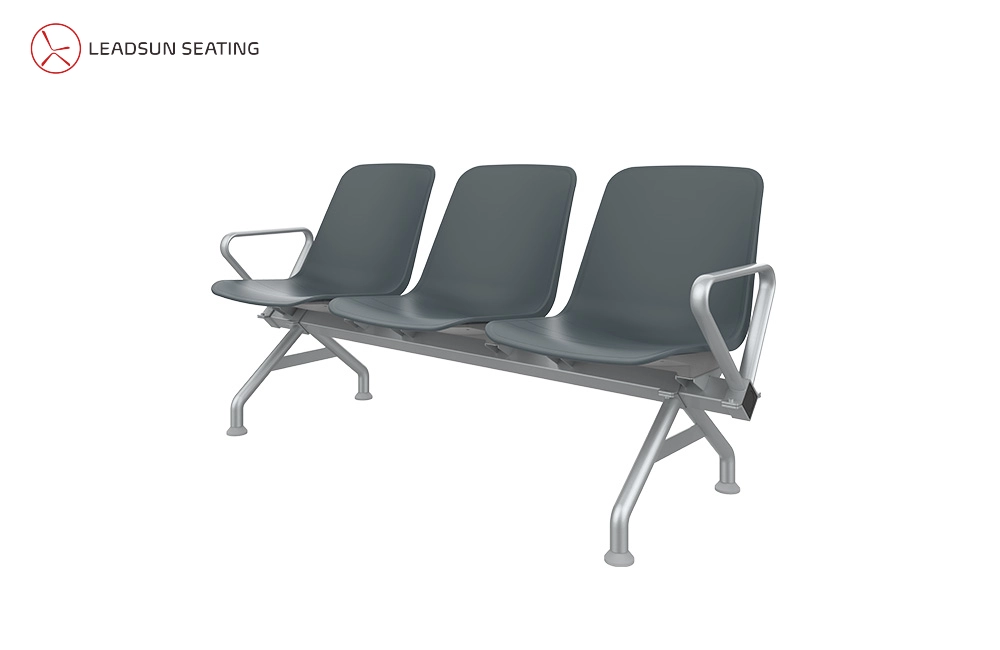
LS-551 Ergonomic Modular Waiting Chairs | Commercial Seating Solutions by Leadsun Seating
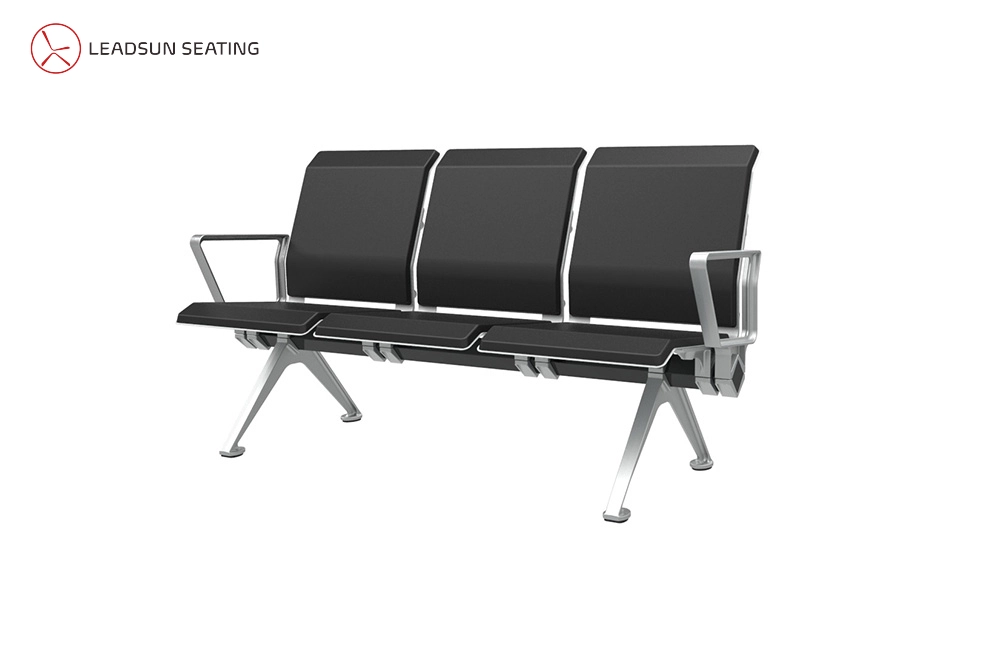
LS-529Y Ergonomic Waiting Chairs | High-Density PU Seating Solutions by Leadsun Seating
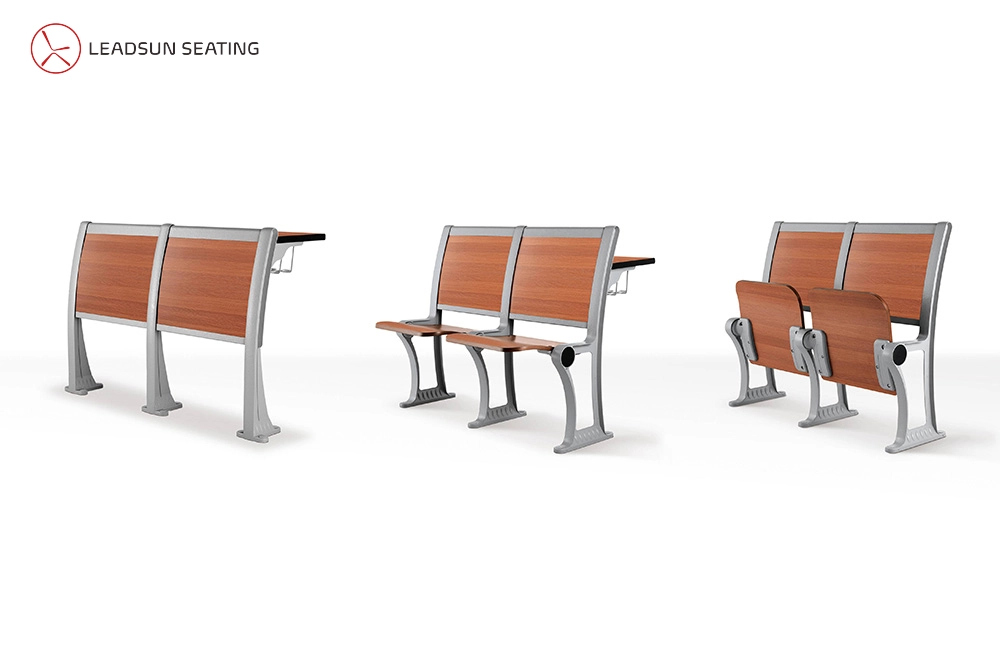
LS-908 Series Fixed Public Auditorium Chair or Tiered Classroom Solutions by Leadsun Seating
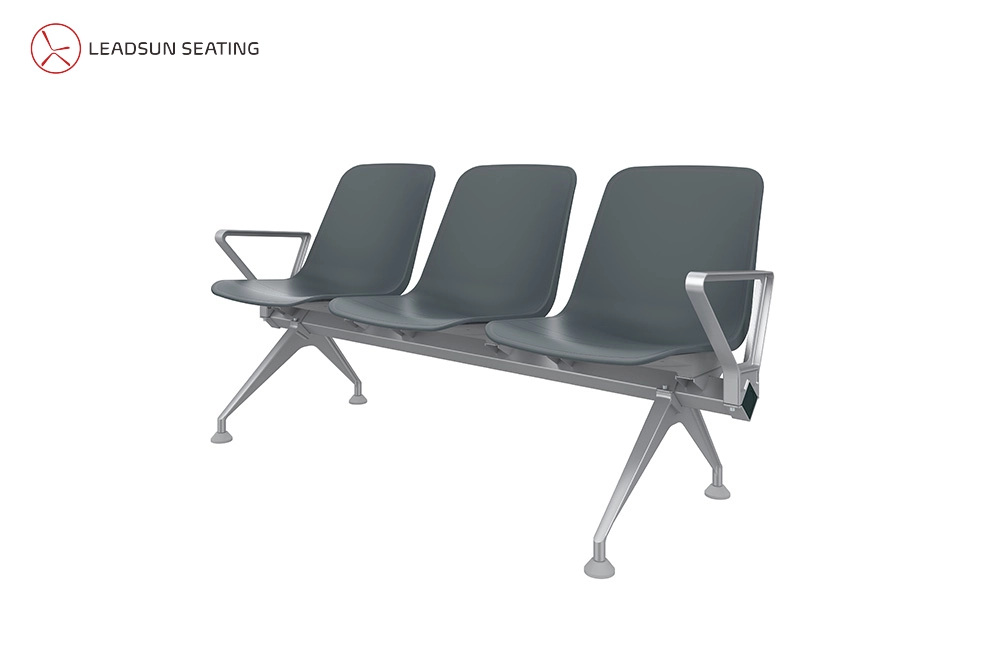
LS-550 Comfortable and Durable Waiting Chair | Customizable Waiting Chair Supplier Leadsun Seating
The LS-550 waiting chair from Leadsun offers superior comfort and durability for any public place. Customize your seating with Leadsun, a leading customizable waiting chair supplier. Ideal for high-traffic areas, the LS-550 ensures lasting performance and style.
Ready for your public seating project?
We specialize in providing high-quality, customizable seating solutions for public spaces, and we are excited to assist you with your project.
Our professional team will quickly answer your questions and provide customized solutions to ensure you have a worry-free experience.

Leadsun Seating is also engaged in the design, development, production, and marketing of lightweight public seats in public places, with an annual output of desks and chairs.
 Scan QR Code