







What are the best materials for durable waiting room chairs?
- Which upholstery holds up to hospital-grade disinfectants (bleach, quats) without fading, delaminating or losing antimicrobial performance?
- For a lecture hall retrofit, which frame and anchoring system gives stability without damaging floors and still meets ADA and seismic requirements?
- What shell and foam combination delivers the best comfort and 10+ year durability for high-traffic auditorium and waiting room seating?
- Which materials are easiest and cheapest to restore after graffiti or vandalism in public waiting rooms?
- How to run a lifecycle cost comparison between vinyl, COM (customer’s own material) fabric, and polyurethane-coated fabrics for a 5–10 year service life?
- What fire, safety, and accessibility standards should waiting room chairs and lecture hall seating meet before purchase?
- Conclusion: Advantages of selecting these durable materials and design choices
Which upholstery holds up to hospital-grade disinfectants (bleach, quats) without fading, delaminating or losing antimicrobial performance?
For medical waiting rooms and high-use public areas where aggressive disinfectants are routine, choose performance-specified coverings: medical-grade vinyl (PVC), polyurethane-coated fabrics, and engineered performance textiles such as Crypton or similarly treated healthcare fabrics. These materials are designed to resist repeated exposure to quaternary ammonium compounds, diluted bleach solutions, and hydrogen-peroxide-based cleaners when used per manufacturer directions.
Why these work: PVC and PU topcoats form continuous, non-porous surfaces so disinfectants do not penetrate or break down fibers. Engineered textiles have barrier layers and factory-applied chemistry that resists stains, wicking and microbial growth while maintaining seam strength and colorfastness.
What to verify when buying:- Manufacturer chemical-resistance data: ask for accelerated-cleaning test results or lab reports showing colorfastness and tensile/seam retention after X cleaning cycles. - Compliance with healthcare standards: NFPA and local hospital procurement often require materials that meet specific cleanability and infection-control protocols. - Warranty coverage that explicitly mentions usage with disinfectants.
Maintenance tips: Use disinfectants at recommended concentrations and contact time; avoid mixing chemistries; test a small area before full-coverage cleaning. Replace cushions or shells with visible breakdown—surface failure accelerates hygiene risk.
For a lecture hall retrofit, which frame and anchoring system gives stability without damaging floors and still meets ADA and seismic requirements?
Retrofits need a balance between secure fixed seating and minimal impact to finishes. Preferred solutions are bolted modular beam systems and floor-anchored splayed mounts designed for minimal drilling combined with discreet pad plates or countersunk anchors. Key material choices: powder-coated steel or stainless-steel support beams for strength, and aluminum or steel mounting plates sized to distribute loads and vibrations.
Selection criteria:- Use welded or bolted beam frames rated for ganged seating with anti-rattle brackets. - For retrofit where slab drilling is restricted, select low-profile subframes with adhesive anchors approved by structural engineer or use surface-mounted baseplates large enough to spread load. - Confirm seismic anchoring requirements with local building code (many jurisdictions require seismic restraints for fixed seating in assembly occupancies). - Ensure ADA clearances: row spacing, wheelchair locations, and aisle width.
Installation tips: Engage a seating manufacturer or installer who provides engineered drawings and anchor-placement plans. Specify rubber or felt base isolators when floor protection is critical; they reduce point loading while allowing mechanical fastening where permitted.
What shell and foam combination delivers the best comfort and 10+ year durability for high-traffic auditorium and waiting room seating?
Durable, comfortable lecture-hall and waiting-room seats commonly use one of these combinations:- Molded plywood or fiberglass-reinforced shells + high-resilience (HR) polyurethane foam (higher-density foam core) for long-term shape retention and support. - Injection-molded polypropylene shells with a cushioned upholstered pad using HR foam for vandal-resistant, easy-clean installations.
Foam guidance: Select HR polyurethane foam with higher density (commonly around or above industry benchmarks such as 1.8 lb/ft³) and good compression-set resistance. Specify an intermediate ILD (comfort rating) balanced for the use-case: firmer for long lecture sessions, slightly softer for brief waiting. Use flame-retardant liners or foam formulations that comply with applicable fire standards.
Seat shell guidance: Molded plywood and fiberglass give aesthetic flexibility and long life; polypropylene shells are cost-effective, impact-resistant, and easy to clean. Shell ventilation or perforation helps thermal comfort in dense installations.
Durability proof: Ask manufacturers for life-cycle or endurance test results (BIFMA or equivalent testing for cyclic load, hinge/tip-up cycles for auditorium seats). Contract specifications should require replacement thresholds tied to static load and cycle test results.
Which materials are easiest and cheapest to restore after graffiti or vandalism in public waiting rooms?
For vandal-prone public spaces, choose materials that tolerate aggressive cleaning and simple repair: powder-coated steel frames (easy to touch-up), polypropylene or composite shells, and commercial-grade vinyl or polyurethane-coated fabrics. These surfaces accept graffiti removers and solvents better than natural fabrics and are less likely to trap ink.
Practical approaches:- Use replaceable components: modular seat pads, snap-on shells, or bolt-on armrests so damaged parts can be swapped quickly without replacing the entire bench. - Specify UV-stable, anti-graffiti topcoats where needed—these make marker and spray-paint removal easier. - Avoid delicate natural leathers in heavily publicized areas; if leather is required, use protected or lacquered finishes and keep replacement modules available.
Maintenance plan: Maintain a stock of replacement shells/pads for quick swap-outs. For cleaning, standard graffiti removers (tested on a sample) combined with mild abrasion will often restore vinyl/PU surfaces; test before widespread application.
How to run a lifecycle cost comparison between vinyl, COM (customer’s own material) fabric, and polyurethane-coated fabrics for a 5–10 year service life?
Lifecycle cost (LCC) includes initial purchase, installation, cleaning/maintenance, expected repair/parts, and end-of-life disposal or refurbishment. To run a realistic LCC for waiting room chairs:
1) Calculate initial cost per seat (including frames, anchoring, and installation).2) Estimate annual maintenance and cleaning costs (labor + chemicals, based on cleaning frequency and product compatibility).3) Estimate expected repair/replacement events over 5–10 years (component replacement costs and frequency of vandalism or wear-related replacements).4) Factor in downtime costs for public areas (if seats must be taken out of service during repairs).5) Include residual value or disposal costs (recyclability: steel and aluminum have higher salvage value than mixed composites).
Typical trade-offs: Vinyl seating usually has a lower initial cost and lower cleaning costs, with proven durability in heavy-duty use; COM fabrics can be more expensive initially and may need specialized cleaning, but offer greater aesthetic flexibility and longevity if a performance textile (Crypton-like) is specified; polyurethane-coated fabrics sit between the two—easier to clean than woven COM but often more costly than standard vinyl.
Recommendation: Model two scenarios (moderate and heavy use) and request reference installations and maintenance logs from the manufacturer to validate assumptions. Use real cleaning schedules and labor rates from facilities teams to drive accurate LCCs.
What fire, safety, and accessibility standards should waiting room chairs and lecture hall seating meet before purchase?
Regulatory compliance is non-negotiable. Key standards and considerations include:- Life Safety: NFPA 101 (Life Safety Code) governs egress and occupant safety in assembly occupancies—verify that seating layouts do not obstruct egress routes and meet aisle/row-spacing requirements. - Upholstery flammability: NFPA 260 (measure for cigarette ignition resistance) and California technical bulletin TB117-2013 (covers smolder resistance of upholstery) are commonly referenced—confirm manufacturer test reports. For some high-risk installations (airports, transit), stricter tests (e.g., TB133) may be required.- Surface flame spread: ASTM E84/UL 723 testing for surface burning characteristics may be requested for wall-adjacent seating or integrated furnishings.- Accessibility: ADA (or local accessibility codes) requires specified wheelchair locations, transfer spaces, seat height ranges and clear knee/legroom in public assembly seating.- Durability and performance testing: BIFMA standards (such as X5.x series for seating) provide industry-accepted durability and cycle tests—ask for BIFMA test reports or equivalent manufacturer testing.
Procurement steps: Request third-party test reports, code compliance letters, and engineered drawings. For jurisdictional certainty, confirm requirements with the local building official; specialized venues (healthcare, schools, transportation hubs) will have additional mandates.
Conclusion: Advantages of selecting these durable materials and design choices
Choosing the right combination of powder-coated or stainless-steel frames, performance upholstery (medical-grade vinyl, PU-coated fabrics, or engineered textiles), HR foam, and modular components delivers a balance of longevity, cleanability, cost-effectiveness and code compliance for waiting room and lecture hall seating. Benefits include lower total cost of ownership through reduced cleaning and replacement expenses, improved infection control in medical and public settings, simplified maintenance and vandal recovery, and reliable performance backed by BIFMA and fire/smolder test data where specified.
For a tailored specification and a free quote for lecture hall seating or waiting area furniture, contact Leadsun Seating. Visit www.leadsunseating.com or email [email protected] to discuss your project.

15 Best Office Waiting Room Chairs of 2026: The Ultimate Comfort & Style Guide

The Future of Reception Areas: 10 Modern Waiting Room Chair Trends to Watch in 2026

Airport Seating Reimagined: The 2026 Global Guide to Terminal Comfort and Design

7 Costly Mistakes Facilities Managers Make When Specifying Commercial Bench Seating

Commercial Beam Seating Solutions for High-Traffic Public Spaces
One Stop Airport Terminal Seating
What are the advantages of the one-stop solution compared to traditional procurement methods?
The one-stop solution integrates the entire service process, saving communication costs and time. It avoids coordination issues that arise when working with multiple parties and ensures consistency and coherence in design, production, and after-sales service.
Are the seat materials durable? What's the lifespan?
We use high-strength, wear-resistant, and easy-to-clean premium materials, such as stain-resistant flame-retardant fabrics and rust-proof alloy frames. Under normal use, the seats can last 5 - 8 years.
What is the one-stop airport terminal lounge seating solution?
This solution covers the entire process, from initial needs assessment, personalized design, and professional manufacturing, to installation, delivery, and after-sales maintenance. It offers an integrated seating configuration service for airports, eliminating the need for coordinating with multiple parties.
How does the seat design ensure passenger comfort?
The solution adopts ergonomic design principles. We optimize seat curves, backrest angles, and seat surface materials to effectively relieve the fatigue of passengers during long waits.
FAQs
Do you offer installation services for your seating solutions?
Yes, we offer professional installation services to ensure that the seating is properly installed and meets all safety standards. Our team is experienced in handling both large and small-scale installations.
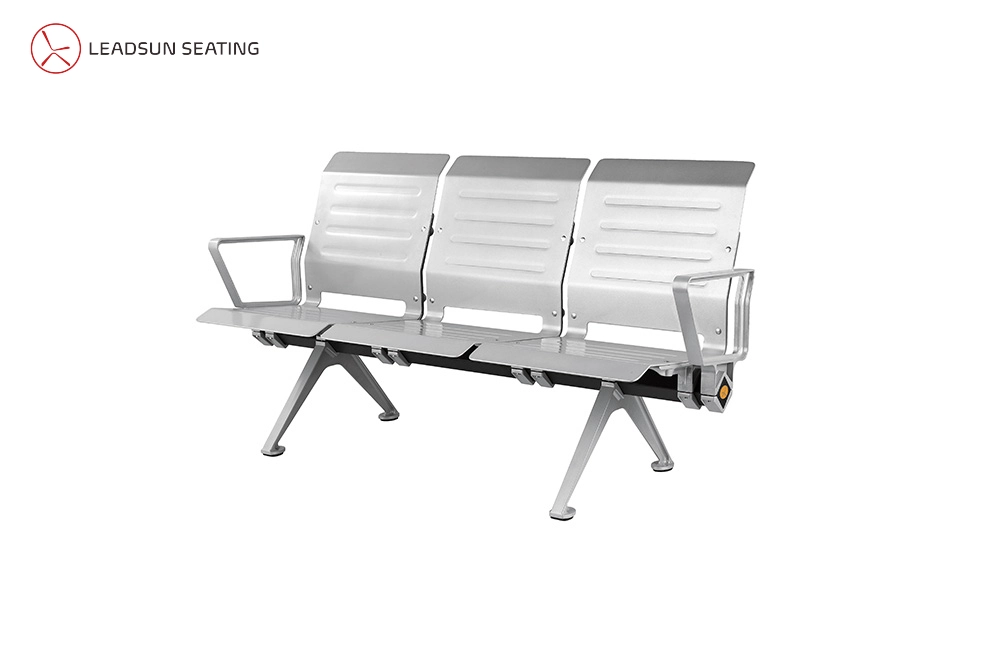
LS-529AL Aluminum Ergonomic Waiting Chairs | Modular & Durable Seating by Leadsun Seating
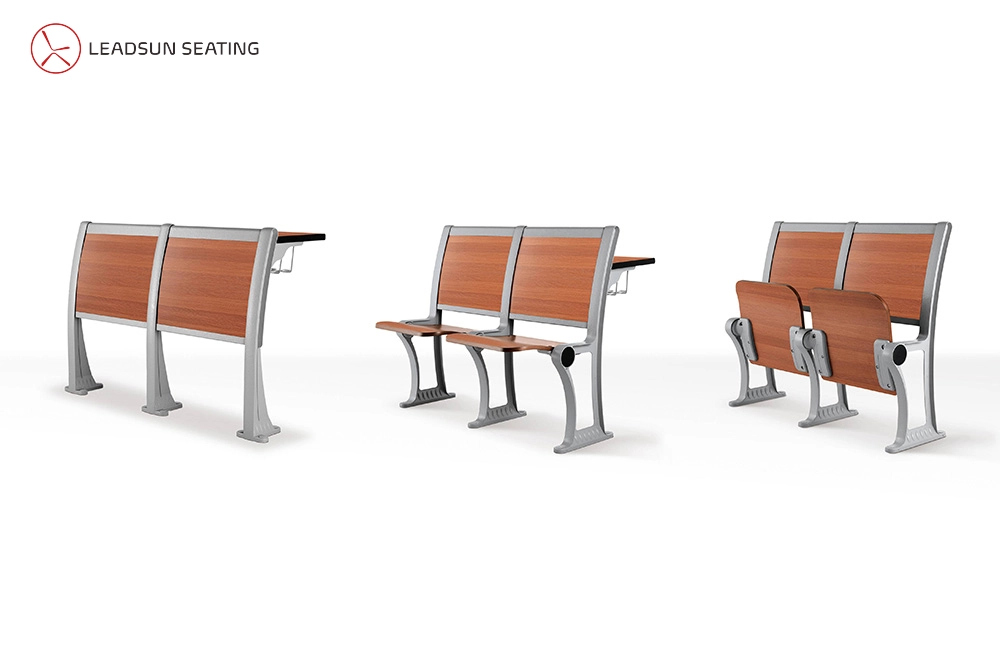
LS-908 Series Fixed Public Auditorium Chair or Tiered Classroom Solutions by Leadsun Seating
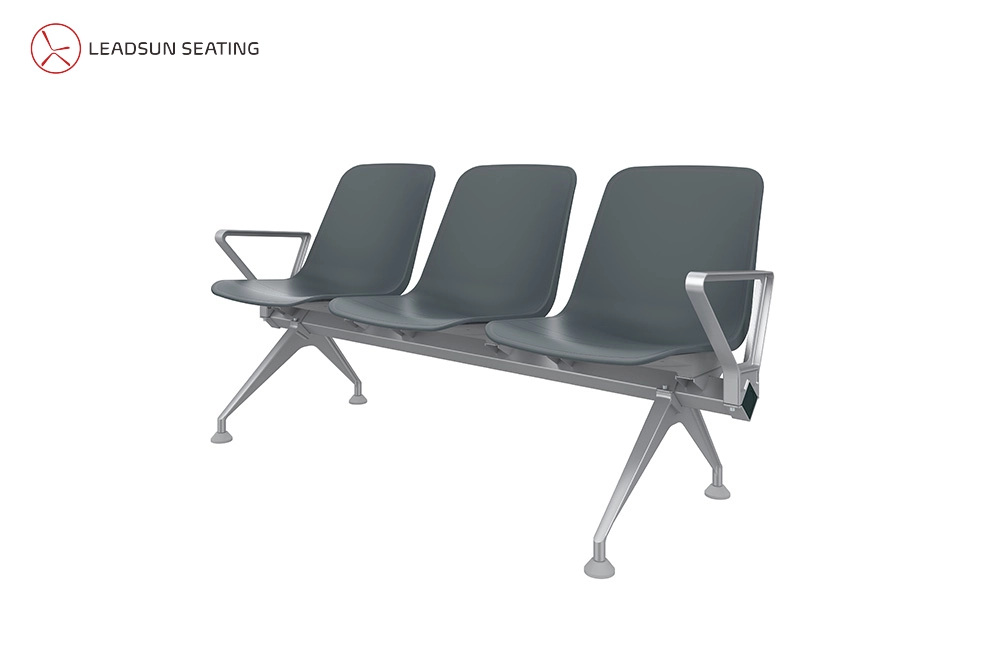
LS-550 Comfortable and Durable Waiting Chair | Customizable Waiting Chair Supplier Leadsun Seating
The LS-550 waiting chair from Leadsun offers superior comfort and durability for any public place. Customize your seating with Leadsun, a leading customizable waiting chair supplier. Ideal for high-traffic areas, the LS-550 ensures lasting performance and style.
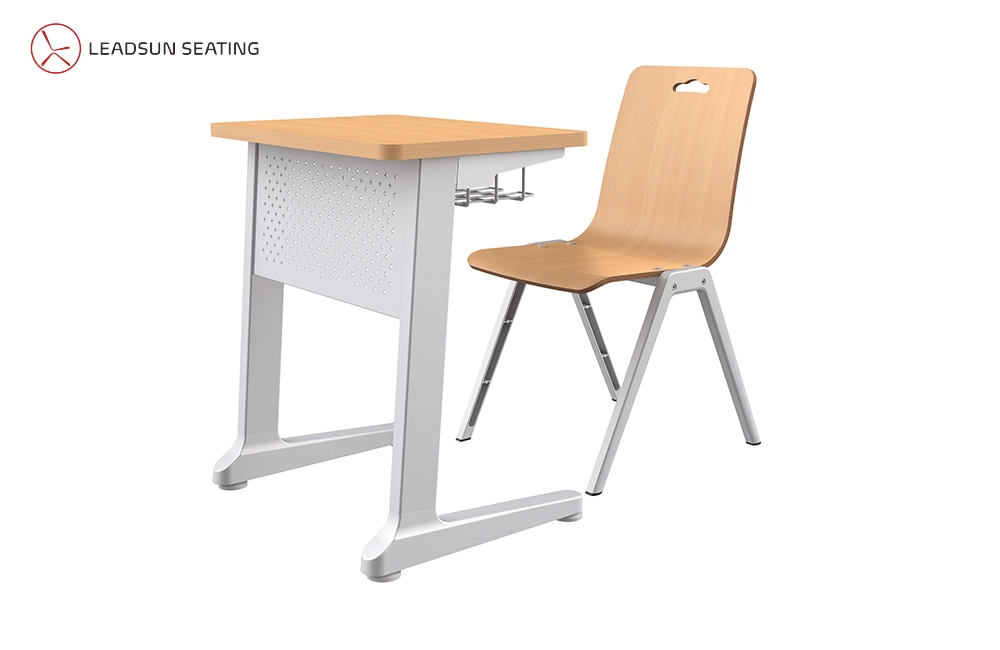
LS-9301 Single movable classroom chair |The Ultimate Flexible Solution for Modern Classrooms by Leadsun Seating
Ready for your public seating project?
We specialize in providing high-quality, customizable seating solutions for public spaces, and we are excited to assist you with your project.
Our professional team will quickly answer your questions and provide customized solutions to ensure you have a worry-free experience.

Leadsun Seating is also engaged in the design, development, production, and marketing of lightweight public seats in public places, with an annual output of desks and chairs.
 Scan QR Code