







Leadsun seating offers a wide range of seating solutions for public spaces, including benches, chairs, waiting area seating, auditorium seating, and customized solutions tailored to specific project needs.
How to install commercial bench seating: a step-by-step guide
2026-03-12
Practical, code-aware guidance for purchasing and installing commercial bench seating in lecture halls: ADA layout, anchoring to post-tension slabs, sightline calculations, fire-rated materials, power integration, and a step-by-step installation checklist.
- 1. How can I add ADA-compliant wheelchair spaces and companion seating when retrofitting fixed bench rows without reworking the whole room?
- 2. What anchor types and installation methods are safe for securing commercial bench seating to post-tension concrete slabs?
- 3. How do I calculate bench run length, sightlines and riser heights so rows avoid obstructed views in a large lecture hall?
- 4. Which materials, upholstery and finishes meet current fire codes and deliver long-term durability for high-traffic lecture halls?
- 5. How can I integrate power, USB and AV/data into bench seating during installation without violating electrical or fire codes?
- 6. What is a step-by-step installation checklist for commercial bench seating to avoid common mistakes and protect warranties?
- Concluding summary: Advantages of professional commercial bench seating and correct installation
Commercial Bench Seating: How to Install Commercial Bench Seating — A Step-by-Step Guide for Lecture Halls
This article answers six detailed, beginner pain-point questions about commercial bench seating for lecture halls. It includes practical installation steps, code-aware design tips, and material/anchoring guidance so facility managers, contractors and AV integrators can plan and execute durable, safe seating installs that meet ADA, fire and structural requirements.
1. How can I add ADA-compliant wheelchair spaces and companion seating when retrofitting fixed bench rows without reworking the whole room?
Pain point: Existing bench rows often leave no reserved space for wheelchairs. Facility owners want a retrofit solution that is code-compliant, minimally invasive and preserves capacity where possible.
Actionable approach:
- Consult the 2010 ADA Standards for Accessible Design and your local building code first — they govern the number, distribution and dimensions of wheelchair spaces. In lecture halls the accessible spaces must be dispersed and provide companion seating adjacent to the wheelchair space.
- Survey the room and produce a seating plan that identifies potential removable runs. Typical wheelchair space is 30 x 48 (760 x 1220 mm) minimum, but check local requirements — many locales accept 36 x 48 minimum for better circulation.
- Options to retrofit without full demolition:
- Remove short sections of bench (1–3 linear seats) to create in-line wheelchair spaces; cap ends with low-profile end panels or filled-in bench ends for aesthetics.
- Replace full-length bench runs on selected rows with segmented bench modules that include a dedicated open module for wheelchair space and companion seat modules on each side.
- Install bolt-on platform ramps or reversible panels where riser geometry allows — these provide a raised wheelchair platform that blends with existing steps and risers.
- Ensure sightlines and dispersion. Wheelchair spaces should be distributed front-to-back and left-to-right to avoid clustering. Keep companion seats at the same sightline level; if adding a raised platform, ensure equivalent viewing height per ADA advisory guidance.
- Verify egress and circulation. New wheelchair locations must not obstruct aisle widths or required egress paths; leave minimum clearances at aisles per code.
- Document and retain records. Submit as-built drawings and photos to the AHJ (authority having jurisdiction) and keep anchor and product submittals; this preserves warranty and demonstrates compliance.
Why this works: Creating modular openings or swapping selected modules lets you meet ADA requirements while minimizing demolition, preserving seating count and controlling cost. Always coordinate with a structural or code consultant on any modifications that change load paths or egress.
2. What anchor types and installation methods are safe for securing commercial bench seating to post-tension concrete slabs?
Pain point: Post-tensioned (PT) slabs are common in modern buildings and can be ruined by improper anchors. Installers fear cracking tendons or invalidating warranties.
Best practices and constraints:
- Never drill into a PT slab without confirming tendon locations. PT slabs contain tensioned cables and anchoring into them can cause catastrophic failure.
- Obtain structural drawings and/or a scan (ground-penetrating radar or rebar scanner) to locate tendons before any drilling. If plans are unavailable, hire a licensed structural engineer and use scanning to confirm safe zones.
- Approved anchor options:
- Epoxy/chemical anchors installed per manufacturer instructions and approved for use in PT concrete — many manufacturers provide anchor systems specifically rated for PT slabs when installed in non-tendon locations. These require precise hole cleaning and controlled cure times.
- Concrete anchors in slab edge or areas with adequate concrete cover, again only where scans show no tendons. Use anchors rated for the expected shear/withdrawal loads and environment (stainless for corrosive sites).
- Top-mounted support plates bolted to structural steel or to a continuous floor-mounted channel system instead of direct anchors to the slab; this transfers loads away from the slab surface and is often preferred when PT slab conditions are uncertain.
- Installation controls:
- Follow anchor-manufacturer installation torque and embedment depth exactly. Record torque and lot numbers for warranty and QA documentation.
- When chemical anchors are used, strictly follow hole size, cleaning (blow and brush), injection method, and cure time — improper cleaning is the most common cause of anchor failure.
- Avoid wedge anchors in PT slabs unless specifically allowed by the slab designer; wedge anchors can introduce splitting forces.
- Consult the structural engineer to approve anchor selection and placement. The engineer may specify alternative fixings (e.g., adhesives, encapsulation, or attached support rails) or require reinforcement plates.
Why this works: Safety and existing structure integrity trump convenience. Scanning, engineer sign-off and anchor manufacture conformance protect the slab and your liability while ensuring a permanent bench installation.
3. How do I calculate bench run length, sightlines and riser heights so rows avoid obstructed views in a large lecture hall?
Pain point: Beginners often install benches with too-small risers or narrow row pitch, producing obstructed sightlines and complaints from end users.
Design steps and practical rules of thumb:
- Start with the focal point — the lecturer or projection screen. Determine the eye height of a seated viewer (typically about 42–48 above the floor level of that row, depending on seat height and riser) to set your optimum sightline plane.
- Eye-level geometry: use the 6/10 rule commonly applied in auditoria (for every 6 units horizontally from the focal plane, raise the next row by 1 unit). This is a practical rule-of-thumb that produces comfortable sightlines. For tighter rooms, increase the rise per run.
- Seat width and row pitch: typical bench seating per-person width ranges 18–22. Row pitch (toe-to-back distance) for lecture seating typically runs 30–36 to provide legroom and easy passage; narrower pitches reduce comfort and can create obstruction when people recline or have laptops.
- Riser height: common riser heights for lecture halls range 7–12 in traditional classrooms and 12–18 for stadium-style folding seating depending on the room depth and sightline target. Larger risers improve sightlines but increase construction cost and travel distance for attendees.
- Use sightline calculations rather than pure rules of thumb for large or tiered halls: calculate the line of sight from a seated eye at row N to the top of the head of someone seated in row N-1; sightline clearance of 100–120 mm (4–5 inches) over the head is often used as a target for unobstructed viewing.
- Simulation and mock-up: for critical installations make a physical mock-up or use 3D sightline software to confirm clear views at extreme seats (corner seats, mid-aisle, and central seats). When integrating fixed bench + desk surfaces, account for desk height and any monitor/tabletop screens.
Why this works: Combining standards-based geometry, practical ranges for seat width and row pitch, and a mock-up/3D check avoids costly rework and improves user comfort and AV sightlines.
4. Which materials, upholstery and finishes meet current fire codes and deliver long-term durability for high-traffic lecture halls?
Pain point: Installers pick attractive finishes that later fail fire-tests, stain quickly, or delaminate in high-use environments.
Material and code considerations:
- Fire performance: Upholstered bench seating in public buildings is often required to meet local fire and flammability tests. In the U.S., seating can be subject to tests such as CAL TB 133 (seating test), NFPA 260 / UFAC for materials, or local AHJ requirements. For wall and panel faces, flame spread ratings like ASTM E84 may apply. Confirm with local code and the AHJ which tests apply to your project.
- Frame and structure: Use powder-coated steel frames or stainless steel for corrosion resistance in heavy-use environments. Metal frames should be welded and finished to resist chipping and rust. Aluminum may be used for lightweight bench components but verify structural load ratings.
- Seating surfaces: High-pressure laminate (HPL) or phenolic tops for integrated desk surfaces provide superior scratch, moisture and graffiti resistance. For seating pads choose commercial-grade graded fabrics or vinyl rated for heavy traffic (heavy-duty abrasion performance, e.g., double-rub ratings in the >30,000 cycles category), or performance textiles with stain and antimicrobial finishes for education environments.
- Moisture and hygiene: For lecture halls with food/beverage, specify cleanable, low-porosity finishes and consider anti-microbial treated textiles or removable covers for cleaning. Avoid open-cell foam that traps liquids; closed-cell or sealed foam assemblies are easier to dry and disinfect.
- Warranty and testing: Require manufacturer test data sheets (TDS) and flame test certificates (for CAL TB 133, NFPA 260, or equivalent) as part of submittal. Demand finish warranties and provide QA acceptance criteria on-site (visual inspection, destructive test samples if needed).
Why this works: Matching finish selection to the occupancy type and obtaining certified test reports prevents compliance failures, reduces cleaning costs and extends the seating life in high-traffic lecture halls.
5. How can I integrate power, USB and AV/data into bench seating during installation without violating electrical or fire codes?
Pain point: Modern classrooms need power at desks. Integrators worry about code-compliance, heat, conduit routing and firestopping when building power into benches.
Installation principles and code-aware steps:
- Early coordination: Engage the electrical contractor during the bench seating design phase. Power/data integration affects trenching, conduit runs and access panels and may require larger electrical infrastructure than originally planned.
- Use UL-listed bench power modules and raceways built for seating installs. Many commercial bench seating systems offer factory-integrated power/data channels that are UL-listed and designed to separate low-voltage data and line-voltage wiring to meet code separation requirements.
- Concealment and access: Run conduit and junction boxes where accessible for maintenance. Avoid drilling through structural members or PT slabs unless approved by a structural engineer. Provide labeled access panels to service connections and overcurrent devices per NEC requirements.
- Heat and ventilation: If benches hide transformers, ensure they have ventilation or are rated for enclosed installation. Overheating can be a fire hazard and may void equipment warranties.
- Firestopping and penetrations: Any penetration through fire-resistance-rated floors or walls must be firestopped with tested materials. Use fire-rated grommets and maintain continuity of fire-resistive assemblies.
- Low-voltage integration: Keep data/AV cabling separated per local code (NEC) and use plenum-rated cable if running in plenum spaces. Label and test all data runs before commissioning.
Why this works: Using systems and materials designed for bench integration plus early electrical coordination reduces field surprises, maintains code compliance, and ensures safe, maintainable power and AV delivery for lecture hall users.
6. What is a step-by-step installation checklist for commercial bench seating to avoid common mistakes and protect warranties?
Pain point: Installers miss steps (layout accuracy, anchor torque, documentation) that later lead to loose benches, warranty denials, or non-compliance.
Comprehensive step-by-step checklist (pre-install to handover):
- Pre-installation planning
- Obtain shelter drawings, structural slab details and site-specific code requirements.
- Review manufacturer’s shop drawings and layout plans; verify sightlines, ADA spaces, riser heights and clearances.
- Coordinate with electrical, AV, fire, and structural trades for conduits, power drops, and penetrations.
- Site verification
- Survey and mark datum lines, bench centerlines and anchor locations on site. Use laser levels to establish consistent row references.
- Scan PT slabs or verify tendon locations if required.
- Mock-up and approvals
- Install a mock-up row or module for owner approval for finish and ergonomics prior to full production install.
- Anchoring and substructure installation
- Install any required support rails, angle plates or channel systems. Verify their location to the layout lines before anchoring.
- Drill and install anchors per approved anchors’ installation instructions. Clean holes thoroughly for chemical anchors and strictly follow cure times.
- Bench assembly and alignment
- Assemble bench modules off-site or on-site according to manufacturer instructions. Fit-feed wiring if bench includes power/AV modules.
- Place bench modules, adjust alignment and level across the run. Use shims only where recommended and secure per drawings.
- Torque and QA
- Tighten anchors to specified torque values from the anchor manufacturer and record torque readings per anchor.
- Perform a QA inspection: check all fasteners, verify ADA spaces, confirm sightlines, and ensure bench seating is rigid with no undue movement.
- Finish work and sealing
- Apply recommended sealants around bench perimeters where water ingress is a concern. Reinstall any removed floor finishes cleanly.
- Electrical and AV commissioning
- Have a licensed electrician make final connections, label circuits, and verify GFCI/overcurrent protection where required. Test all data and power outlets and document test results.
- Documentation and handover
- Provide the owner with as-built drawings, anchor torque records, maintenance instructions, materials certificates (fire tests), and warranty documents.
- Schedule a final walkthrough with the owner and AHJ if required.
Common installation mistakes to avoid: drilling before scanning PT slabs, skipping manufacturer torque specs, not securing power/AV coordination early, and failing to document QA — all of which can cost time and money or void warranty coverage.
Why this works: A disciplined, documented install sequence aligned with manufacturer and engineer guidance protects safety, compliance and warranties while giving facility managers the records they need for long-term maintenance.
Concluding summary: Advantages of professional commercial bench seating and correct installation
Well-specified commercial bench seating with code-aware installation delivers space-efficient capacity, long-term durability, integrated power/AV options, improved sightlines and acoustics, and predictable maintenance needs. Choosing powder-coated steel frames, fire-rated upholstery, factory-integrated power pathways and following anchor and electrical manufacturer guidelines reduces lifecycle costs and liability while improving user comfort. Engaging a structural/engineer review and using documented installation checklists preserves warranties and demonstrates compliance.
For a detailed site assessment, product submittals, or a competitive quote tailored to your lecture hall (ADA layouts, post-tension anchoring strategies, and integrated power/AV), contact us at www.leadsunseating.com or email [email protected].
LeadSun Seating — experts in lecture hall bench seating, code-aware installations, and long-lasting commercial seating solutions.
Recommended for you

15 Best Office Waiting Room Chairs of 2026: The Ultimate Comfort & Style Guide

The Future of Reception Areas: 10 Modern Waiting Room Chair Trends to Watch in 2026

Airport Seating Reimagined: The 2026 Global Guide to Terminal Comfort and Design

7 Costly Mistakes Facilities Managers Make When Specifying Commercial Bench Seating

Commercial Beam Seating Solutions for High-Traffic Public Spaces
Prdoucts Categories
FAQ
FAQs
Are your products compliant with safety and accessibility standards?
-
Absolutely. All of our seating solutions comply with relevant safety regulations and accessibility standards, ensuring comfort and safety for all users, including those with special needs.
-
What materials are used in the production of your public seating?
We use a variety of durable materials such as stainless steel, aluminum, wood, high-quality upholstery, and advanced polymers to ensure that our seating solutions are both functional and long-lasting.
What types of public seating solutions does Leadsun seating provide?
One Stop Airport Terminal Seating
What does the after-sales service include?
Our after-sales service covers daily maintenance guidance, regular inspections, fault repairs, and component replacements. Our professional after-sales team is available 24/7 to ensure the long-term stable operation of the seats.
Can you provide personalized seat customization?
We support comprehensive customization, including seat styles, functional modules (like charging ports, cup holders, etc.), color schemes, and even integrating airport brand elements to showcase a unique style.
You may also like
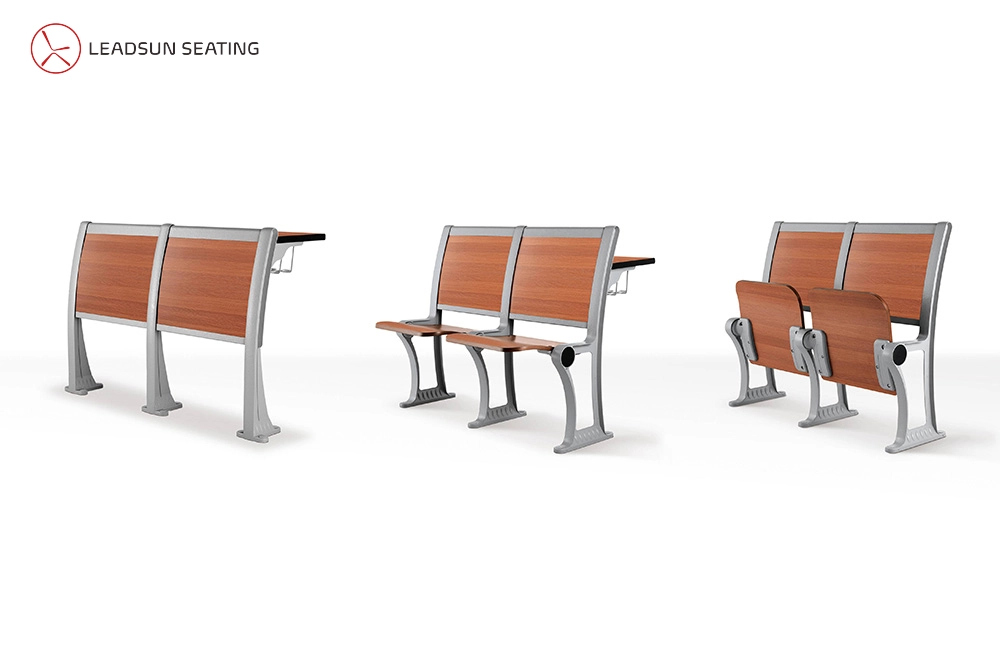
LS-908 Series Fixed Public Auditorium Chair or Tiered Classroom Solutions by Leadsun Seating
Introducing the LS-908 Series by Leadsun, your ideal solution for tiered classroom seating and fixed public auditorium chairs. Designed for comfort and durability, this series enhances audience engagement in educational and corporate settings. Discover the perfect blend of functionality and style with Leadsun Seating.
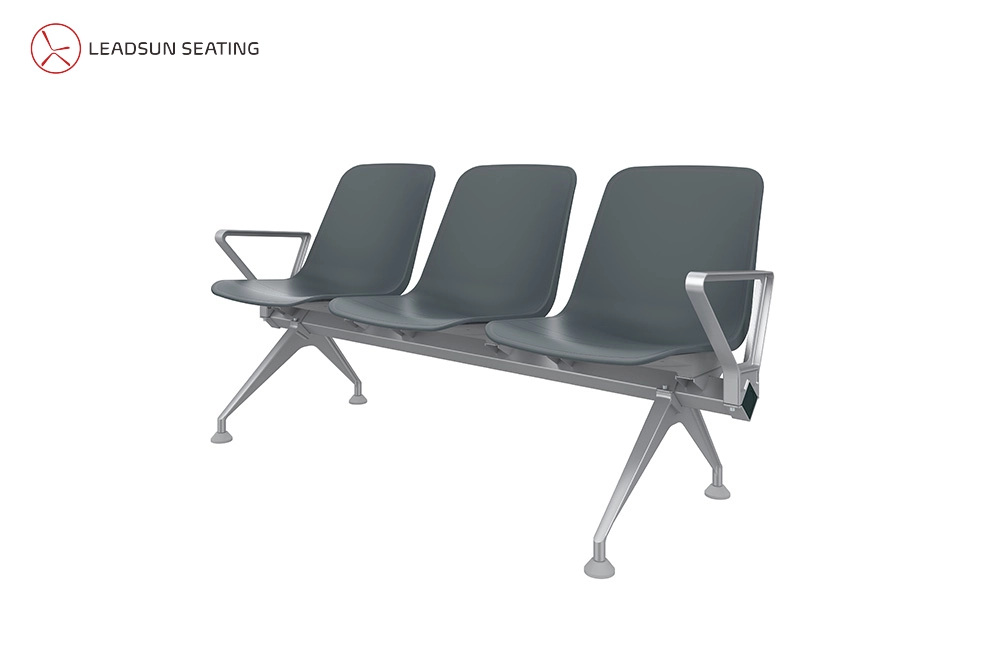
LS-550 Comfortable and Durable Waiting Chair | Customizable Waiting Chair Supplier Leadsun Seating
The LS-550 waiting chair from Leadsun offers superior comfort and durability for any public place. Customize your seating with Leadsun, a leading customizable waiting chair supplier. Ideal for high-traffic areas, the LS-550 ensures lasting performance and style.
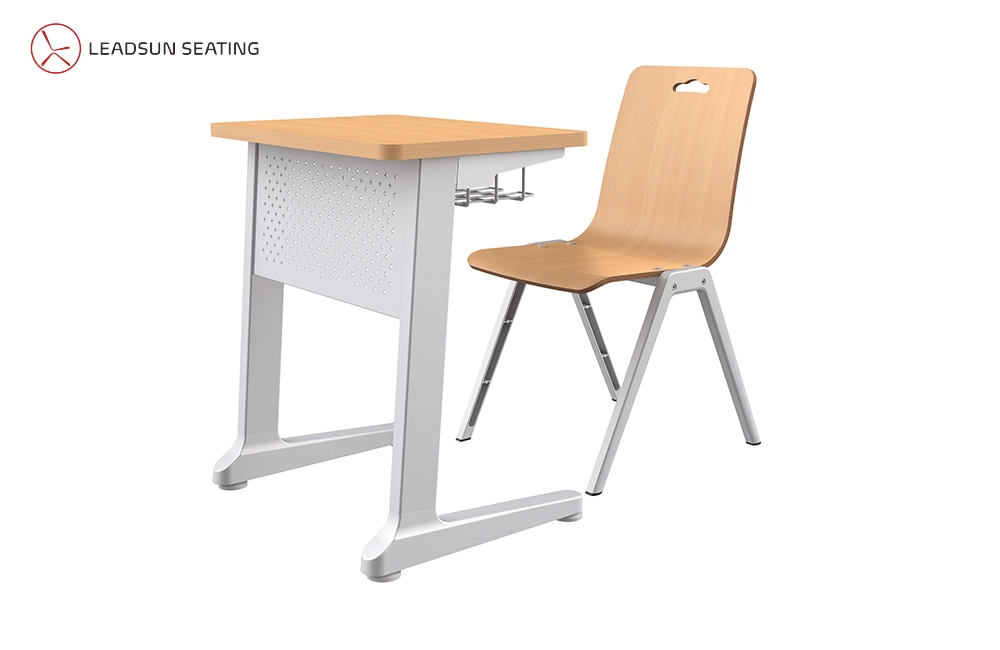
LS-9301 Single movable classroom chair |The Ultimate Flexible Solution for Modern Classrooms by Leadsun Seating
Leadsun's LS-9301 single movable classroom chair offers ultimate flexibility for modern learning environments. This activity desk and chair solution ensures comfortable and adaptable seating for students. Ideal for dynamic classrooms.
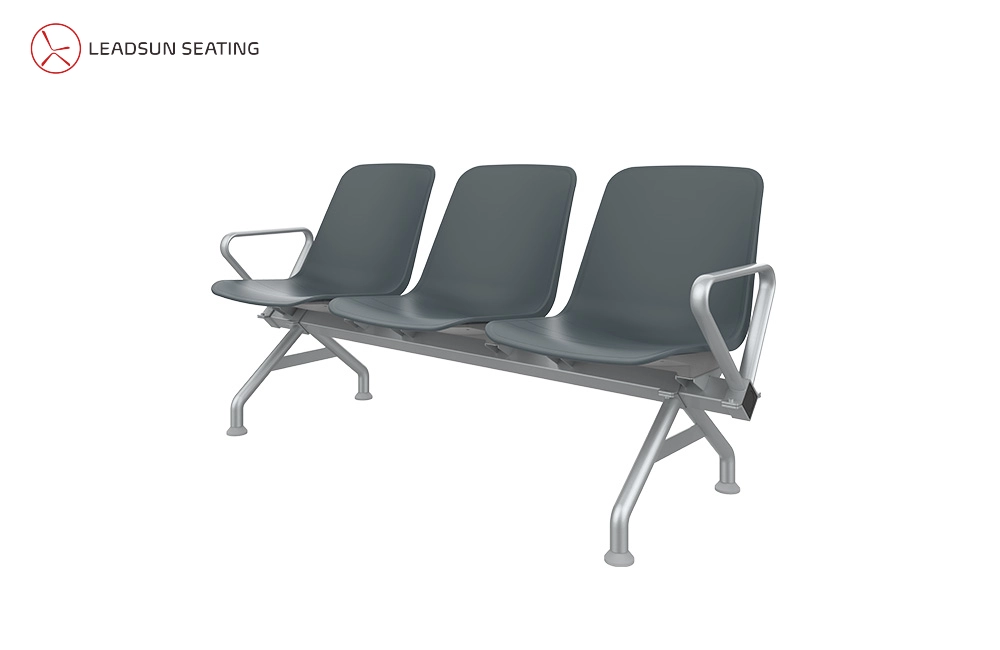
LS-551 Ergonomic Modular Waiting Chairs | Commercial Seating Solutions by Leadsun Seating
Leadsun's LS-551 Ergonomic Modular Waiting Chairs offer superior comfort for any commercial space. Ideal for hospitals, airports, and more, these modular chairs provide flexible configurations and ergonomic support. Experience unmatched comfort and style with Leadsun Seating.
Ready for your public seating project?
We specialize in providing high-quality, customizable seating solutions for public spaces, and we are excited to assist you with your project.
Our professional team will quickly answer your questions and provide customized solutions to ensure you have a worry-free experience.

Leadsun Seating is also engaged in the design, development, production, and marketing of lightweight public seats in public places, with an annual output of desks and chairs.
 Scan QR Code