







What sustainable materials exist for commercial bench seating?
- 1. Which sustainable bench materials actually survive daily abrasion from thousands of students without early reupholstery?
- 2. How do I verify sustainability claims (recycled content, FSC, GREENGUARD) for commercial bench seating before purchase?
- 3. What are the acoustic and fire-code tradeoffs when specifying recycled or natural materials for lecture hall bench seating?
- 4. How do I design bolt-down or fixed bench systems made from recycled materials to meet ADA and IBC egress and accessibility requirements?
- 5. How do I perform a lifecycle cost comparison (TCO) between recycled plastic benches, steel-framed benches, and FSC hardwood benches for a 1,000-seat lecture hall?
- 6. What end-of-life or take-back options exist for commercial bench seating made from mixed materials, and how can I specify circularity in contracts?
1. Which sustainable bench materials actually survive daily abrasion from thousands of students without early reupholstery?
Answer:
- Recommended materials and real-world durability
- Recycled HDPE/plastic lumber: Widely used for heavy-use outdoor and institutional seating. HDPE is rot- and moisture-resistant, resists abrasion and graffiti, and does not delaminate like some laminates. Expect practical lifespans of 15–25 years indoors; outdoor exposure may shorten this depending on UV stabilization. HDPE is a Class 2 plastic (recyclable) and often contains 50–100% recycled content in commercial products.
- Powder-coated or galvanized steel frames: Steel with high recycled content is structurally durable and provides decades-long service (20+ years) if coatings are maintained. Steel is highly recyclable (>90%) at end-of-life.
- FSC-certified hardwoods or engineered veneer with durable finishes: Properly sealed hardwood seating surfaces can last 20–30 years in lecture halls when protected from moisture and heavy abrasive cleaning. Choose FSC chain-of-custody to ensure responsible sourcing.
- Bamboo panels: Rapidly renewable (mature in 3–5 years), bamboo offers hardwood-like strength; choose formaldehyde-free binders and CARB Phase 2–compliant composite products.
- Recycled PET (rPET) upholstery: Fabrics made from recycled bottles provide abrasion resistance (Wyzenbeek rub counts applicable) and can be treated for stain resistance. Combine with CertiPUR-US–certified foams to avoid VOC off-gassing.
- Practical selection checklist for abrasion-heavy lecture halls
- Prioritize non-porous or tightly woven seat surfaces (HDPE, closed-cell veneers, rPET with abrasion ratings suitable for commercial use).
- Ask for abrasion test data (Wyzenbeek or Martindale results) and request 100,000+ double rubs for heavy-use spaces when possible.
- Specify powder-coated steel frames with minimum film thickness and corrosion warranties for longevity.
- Avoid thin laminates/backed veneers on high-traffic horizontal surfaces unless reinforced with solid edging.
- Require a commercial warranty (minimum 5–10 years structural, with clearly stated wear-and-tear exclusions).
- Maintenance notes
- Clean with pH-neutral cleaners; avoid solvent-based strippers that abrade protective finishes.
- For HDPE, graffiti can often be removed with mild abrasives and plastic-specific cleaners without damaging material.
2. How do I verify sustainability claims (recycled content, FSC, GREENGUARD) for commercial bench seating before purchase?
Answer:
- Documents and labels to request during procurement
- Third-party certificates: FSC (FSC Mix or FSC 100% for wood), PEFC for alternate chain-of-custody, SCS or UL Environment attestations for recycled content.
- GREENGUARD Gold certification for low chemical emissions (important for indoor air quality in lecture halls).
- Cradle to Cradle or EPD (Environmental Product Declaration) documents for lifecycle transparency; EPDs quantify global warming potential and material composition.
- CARB Phase 2 compliance for composite wood (California Air Resources Board) and REACH/TSCA declarations where applicable.
- Manufacturer material safety data sheets (MSDS) and CertiPUR-US for foams.
- Procurement verification steps
- Ask suppliers to provide certificate numbers and active-status screenshots from the certifying body (e.g., FSC certificate lookup).
- Request independent EPD or test reports for recycled content and emissions; review declared recycled content percentage (post-consumer vs. pre-consumer).
- Include contract clauses that allow on-site auditing or verification and require replacement/penalty if claims are false.
- Prefer suppliers with public sustainability reports, ISO 14001 environmental management systems, or transparent supply chains.
- Red flags
- Vague marketing terms (“eco”, “green”) without third-party certification.
- Recycled content stated only as a range without documentation.
- No chain-of-custody for wood products.
3. What are the acoustic and fire-code tradeoffs when specifying recycled or natural materials for lecture hall bench seating?
Answer:
- Fire performance considerations
- Required tests and standards: IBC (International Building Code) and local fire codes are controlling. For seating textiles and plastics, common referenced tests include ASTM E84 (surface burning characteristics) and NFPA 701 (flame propagation for textiles). Plastics may also be tested to UL 94 for flammability.
- Upholstery and foam: Use fabrics and foams that meet local flame retardancy requirements (e.g., California TB117-2013 for smoldering resistance) or provide compliant alternative test evidence accepted by the local authority having jurisdiction (AHJ).
- Recycled plastics: Many recycled HDPE and engineered plastics can meet flame-spread limits when formulated or when used with appropriate design details; always confirm via test data supplied by the manufacturer.
- Acoustic tradeoffs and solutions
- Hard surfaces (wood, HDPE, metal) reflect sound; in reverberant lecture halls they can increase speech intelligibility issues. Integrate acoustic strategies:
- Add perforated or fabric-backed seat panels to introduce absorption where permitted.
- Use acoustic under-seat baffles or sound-absorbing aisle wall panels.
- Combine sustainable soft materials (rPET acoustic felt, recycled PET ceiling clouds) to balance reflected sound.
- Hard surfaces (wood, HDPE, metal) reflect sound; in reverberant lecture halls they can increase speech intelligibility issues. Integrate acoustic strategies:
- Procurement checklist for compliance and acoustics
- Require test reports for ASTM E84 / NFPA 701 or equivalent and confirm AHJ acceptance.
- Request acoustic performance data or consult an acoustician when seating represents >10% of room surface area of reflecting materials.
- Specify low-VOC / GREENGUARD Gold products to preserve indoor air quality while meeting fire regulations.
4. How do I design bolt-down or fixed bench systems made from recycled materials to meet ADA and IBC egress and accessibility requirements?
Answer:
- Key access and egress requirements to integrate
- ADA accessibility: Provide designated wheelchair spaces integrated into row locations that meet ADA clearances (minimum 30x48 inches for a wheelchair space, turning radii where required) and companion seating at the same sightlines.
- IBC egress: Maintain tread depths, aisle widths, and egress path unobstructed per the local IBC edition. Fixed benches should not reduce required aisle widths; ferret design details into plan review.
- Design best practices for fixed sustainable benches
- Modular anchor points: Use modular bench sections with standardized anchor plates so benches can be removed or reconfigured to create required accessible spaces later.
- Floor anchoring: Use all-thread anchor systems or welded baseplates specified for the floor substrate (concrete, raised floor) with anti-corrosion treatments for longevity. Ensure anchors do not compromise moisture barriers.
- Integration of risers and step nosing: When benches are on tiers, specify slip-resistant nosings and continuous handrails per code.
- Seating height and knee clearance: For fixed benches with integrated writing surfaces, ensure knee clearances meet ADA where individual spaces are provided.
- Procurement/contract language suggestions
- Include explicit clauses requiring benches to be field-measured before fabrication, to submit anchoring details stamped by a structural engineer if over a certain span, and to provide as-built anchor locations for facility records.
- Require mock-up installation for final acceptance when custom recycled materials are used.
5. How do I perform a lifecycle cost comparison (TCO) between recycled plastic benches, steel-framed benches, and FSC hardwood benches for a 1,000-seat lecture hall?
Answer:
- Components of a lifecycle cost analysis (TCO)
- Initial purchase price (materials, fabrication, delivery, installation).
- Maintenance costs (cleaning, repairs, reupholstery, coatings) over expected service life.
- Energy and resource costs related to cleaning and upkeep (water, solvents).
- Expected service life and replacement cycle—longer life reduces replacement frequency.
- End-of-life disposal or recycling costs and any residual salvage value.
- Typical comparative trends (realistic directional guidance)
- Recycled HDPE benches: Moderate initial cost, low routine maintenance, long service life (15–25 years), minimal reupholstery costs, and high end-of-life recyclability.
- Steel-framed benches with modular seat surfaces: Higher structural cost but very long service life for frames (20–40+ years). Seat materials still drive maintenance cycles; replaceable seat slats reduce long-term costs.
- FSC hardwood benches: Higher initial cost for High Quality hardwoods and finishes, moderate maintenance (periodic refinish might be required), excellent longevity (20–30 years) if maintained—end-of-life recyclability is good if untreated.
- How to run a simple TCO model
- Set a baseline service-life assumption for each option (e.g., HDPE 20 years, steel-frame 30 years, hardwood 25 years).
- Annualize initial capital cost by dividing by service life.
- Add annual maintenance and expected mid-life refurbishment costs (e.g., recoat or reupholster every X years).
- Discount future costs to present value if needed for procurement comparisons.
- Add expected salvage value (recyclable steel value) or disposal costs for mixed materials.
- Practical note: In many institutional projects, recycled HDPE or modular steel-framed benches show superior TCO for high-abuse lecture halls due to low maintenance and easy part replacement. For High Quality aesthetics and longevity in climate-controlled auditoriums, FSC hardwood may be cost-effective when lifecycle and intangible benefits (appearance, campus branding) are considered.
6. What end-of-life or take-back options exist for commercial bench seating made from mixed materials, and how can I specify circularity in contracts?
Answer:
- Realistic end-of-life strategies
- Manufacturer take-back / buy-back programs: Some large contract furniture makers offer take-back or refurbishment programs—request this in the RFP and ask for documented results/case studies.
- Component reuse: Design seats so metal frames, fasteners, and electronics (if any) can be separated easily; steel and aluminum can be recycled with high recovery rates.
- Material-specific recycling: HDPE benches can be ground and remanufactured; rPET fabrics may be recyclable depending on blends and coatings.
- Refurbishment and donation: If seating is structurally sound, local reuse organizations or educational charities may accept seats for refurbishment.
- Contract language and specifications to ensure circular outcomes
- Require a take-back or end-of-life plan from the supplier as part of the bid submittal and make it an evaluation criterion.
- Specify material separability: Provide detailed disassembly instructions and labeling for recyclable components.
- Ask for a commitment to report on end-of-life recovery rates (percentage recycled, donated, landfilled) after decommissioning.
- Include incentives or cost-sharing for returning materials to the manufacturer (reduced disposal fees, credit toward new purchases).
- Metrics to track
- Percentage of product weight recycled at end-of-life.
- Reuse rate (items refurbished and redeployed).
- Embodied carbon reduction via reuse (if EPDs are available, track CO2e savings).
Conclusion: Advantages of choosing sustainable commercial bench seating for lecture hall seating
Selecting durable, certified sustainable materials—recycled HDPE, steel with recycled content, FSC-certified wood, and rPET upholstery—reduces total cost of ownership, improves indoor air quality (with GREENGUARD Gold/low-VOC selections), can earn LEED/WELL credits, and simplifies end-of-life recycling. When paired with code-compliant anchoring, accessible design, and documented third-party certifications (FSC, GREENGUARD, EPDs), sustainable commercial bench seating delivers long-term performance and measurable environmental benefits.
For a tailored specification, lifecycle cost model, or to request a formal quote, contact us at www.leadsunseating.com or email [email protected].

15 Best Office Waiting Room Chairs of 2026: The Ultimate Comfort & Style Guide

The Future of Reception Areas: 10 Modern Waiting Room Chair Trends to Watch in 2026

Airport Seating Reimagined: The 2026 Global Guide to Terminal Comfort and Design

7 Costly Mistakes Facilities Managers Make When Specifying Commercial Bench Seating

Commercial Beam Seating Solutions for High-Traffic Public Spaces
One Stop Airport Terminal Seating
What are the advantages of the one-stop solution compared to traditional procurement methods?
The one-stop solution integrates the entire service process, saving communication costs and time. It avoids coordination issues that arise when working with multiple parties and ensures consistency and coherence in design, production, and after-sales service.
How do you ensure seat installation doesn't disrupt airport operations?
We’ll develop a detailed installation plan, giving priority to non-peak hours for construction. We also use a modular installation approach to minimize any impact on airport operations.
What is the one-stop airport terminal lounge seating solution?
This solution covers the entire process, from initial needs assessment, personalized design, and professional manufacturing, to installation, delivery, and after-sales maintenance. It offers an integrated seating configuration service for airports, eliminating the need for coordinating with multiple parties.
What does the after-sales service include?
Our after-sales service covers daily maintenance guidance, regular inspections, fault repairs, and component replacements. Our professional after-sales team is available 24/7 to ensure the long-term stable operation of the seats.
FAQs
Do you offer installation services for your seating solutions?
Yes, we offer professional installation services to ensure that the seating is properly installed and meets all safety standards. Our team is experienced in handling both large and small-scale installations.
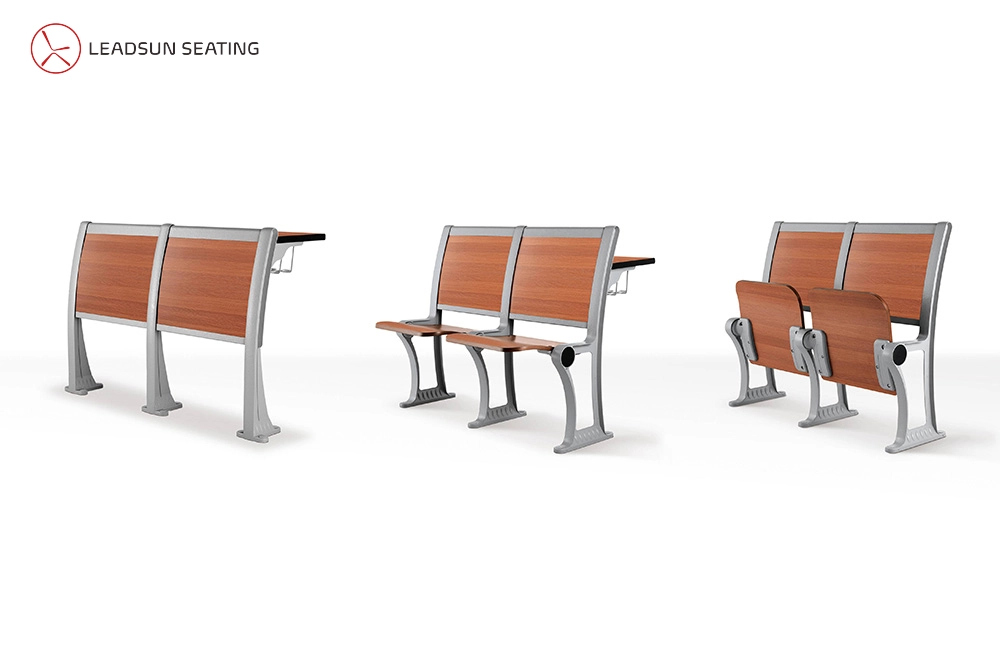
LS-908 Series Fixed Public Auditorium Chair or Tiered Classroom Solutions by Leadsun Seating
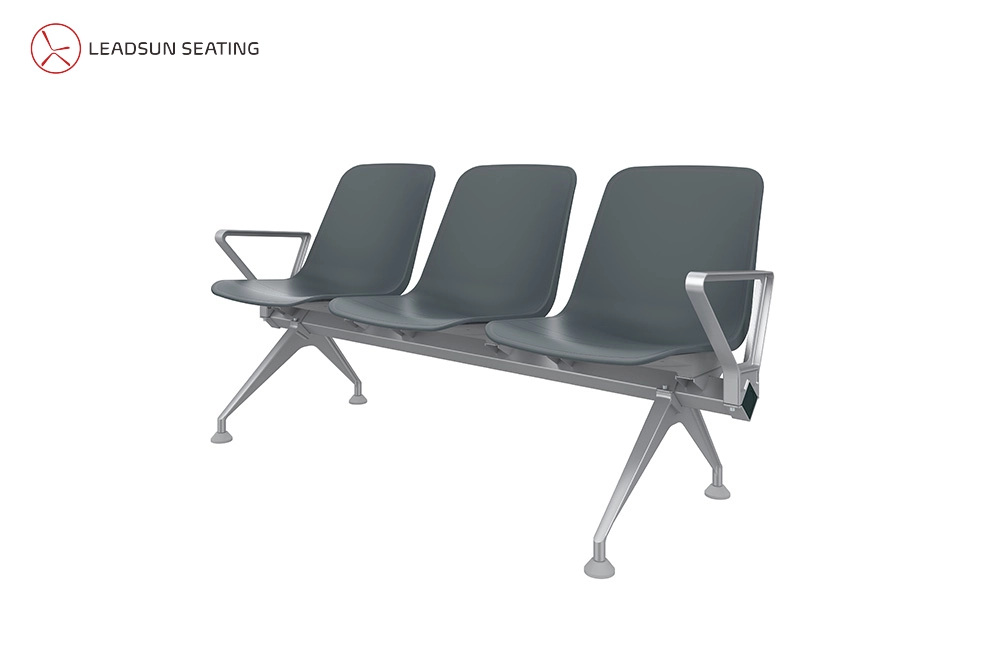
LS-550 Comfortable and Durable Waiting Chair | Customizable Waiting Chair Supplier Leadsun Seating
The LS-550 waiting chair from Leadsun offers superior comfort and durability for any public place. Customize your seating with Leadsun, a leading customizable waiting chair supplier. Ideal for high-traffic areas, the LS-550 ensures lasting performance and style.
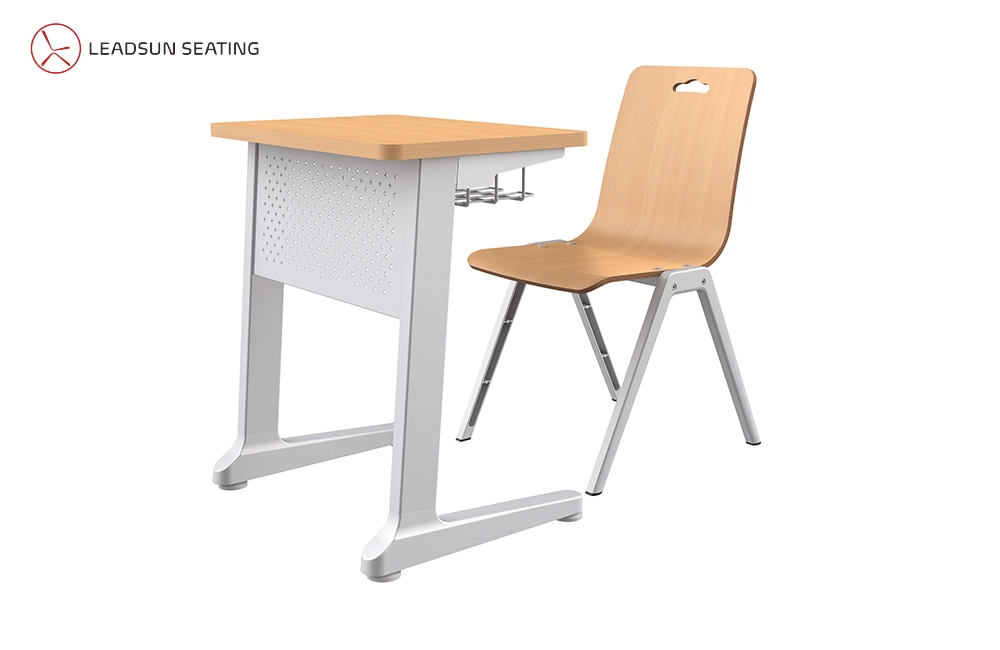
LS-9301 Single movable classroom chair |The Ultimate Flexible Solution for Modern Classrooms by Leadsun Seating
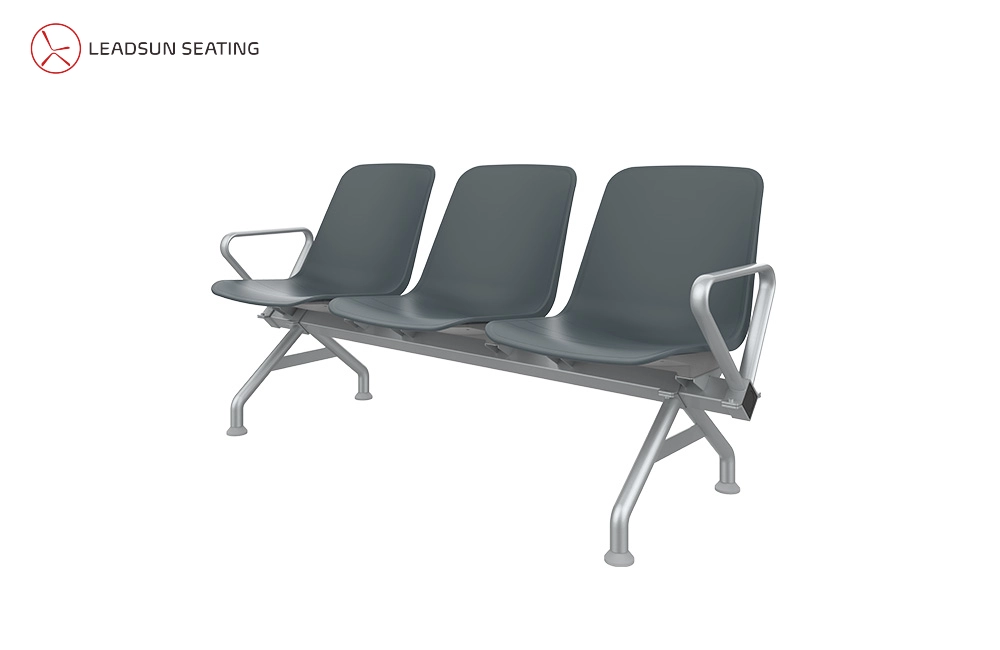
LS-551 Ergonomic Modular Waiting Chairs | Commercial Seating Solutions by Leadsun Seating
Ready for your public seating project?
We specialize in providing high-quality, customizable seating solutions for public spaces, and we are excited to assist you with your project.
Our professional team will quickly answer your questions and provide customized solutions to ensure you have a worry-free experience.

Leadsun Seating is also engaged in the design, development, production, and marketing of lightweight public seats in public places, with an annual output of desks and chairs.
 Scan QR Code