







How to customize commercial bench seating for branding needs
- 1. What exact fire and safety certifications should I require for commercial bench seating in university lecture halls, and how do I verify them?
- 2. How can I design commercial bench seating to meet sightline and acoustic requirements without blowing the budget?
- 3. Which upholstery materials and finish treatments best resist heavy student use and simplify cleaning in lecture halls?
- 4. How can I integrate branding (logos, school colors, and messaging) into commercial bench seating while keeping warranties, fire compliance, and durability intact?
- 5. What modular bench seating configurations allow phased installation in an active campus while maintaining ADA access and egress requirements?
- 6. How do I calculate lifecycle cost, realistic maintenance plans, and expected replacement timelines for commercial bench seating in high-use lecture halls?
- Concluding summary: Advantages of specifying customized, compliant commercial bench seating for lecture halls
1. What exact fire and safety certifications should I require for commercial bench seating in university lecture halls, and how do I verify them?
Facilities managers must require evidence of compliance with applicable regional fire and building standards rather than vague claims of fire-resistant. Commonly required standards include NFPA 701 (textile/flame propagation in the U.S.), ASTM E84 (surface burning characteristics), and regional standards such as EN 13501-1 or BS 7176 in the UK/EU. For assembly spaces, check that the seating system also meets local building code requirements for egress, occupant loads and guardrails (consult the International Building Code (IBC) provisions or your local equivalent).
How to verify:
- Request a certificate of compliance and test reports from an accredited lab (UL, Intertek, or national labs). Look for report numbers and test dates; reports should match the specific upholstery and cushion combination being supplied, not generic fabric data.
- Confirm that the manufacturer performs full-assembly testing when required (fabric + cushion + frame) because layered assemblies can behave differently than individual components.
- Ask for product declarations (CE/DoP in Europe) or manufacturer technical data sheets that specify reaction-to-fire classifications (for example, EN classes or ASTM results).
- If in doubt, consult your institution’s fire marshal or a third‑party code consultant to interpret the reports for your jurisdiction.
Embedding compliant, certified commercial bench seating into a lecture hall purchase is non-negotiable: procuring tested upholstered bench systems reduces risk, maintains insurance coverage, and avoids costly rework.
2. How can I design commercial bench seating to meet sightline and acoustic requirements without blowing the budget?
Sightlines and acoustics are often treated as separate design problems but can be addressed together with smart bench choices:
- Sightlines: Use riser and row-depth calculations based on the room’s geometry and typical user heights. Commercial bench seating with staggered mounting options or adjustable riser heights allows better sightlines without replacing entire floors. Choose models offering variable seat pitch or integrated footrests to shift viewer eye-lines affordably.
- Acoustics: Bench backs and under-seat cavities can contribute to reverberation. Selecting bench seating with acoustically absorptive upholstery (high NRC foam or perforated panels behind the back) or specifying under-bench sound baffles improves speech intelligibility. Avoid fully hollow metal benches in reverberant rooms unless you add absorptive treatments.
Cost-control strategies:
- Prioritize sightline-compliant layout and buy standard bench modules rather than fully bespoke benches. Modular bench systems with scalable row lengths reduce custom fabrication costs.
- Use targeted acoustic treatments (back-row absorbers, ceiling clouds) in combination with bench upholstery upgrades — this is usually less expensive than replacing all seating.
- Ask suppliers for sightline studies and CAD layouts as part of the quote: these digital previews prevent costly rework and are often included or available at modest cost.
3. Which upholstery materials and finish treatments best resist heavy student use and simplify cleaning in lecture halls?
Durability and cleanability are top priorities for high-traffic lecture hall bench seating. Recommended approaches:
- Material choices: High-performance vinyls (PVC-coated polyester) and polyurethane-coated fabrics are common because they are durable, cleanable with hospital-grade disinfectants, and have high abrasion resistance. For a more High Quality look, consider heavy-duty wool blends with performance finishes, but verify stain and disinfectant compatibility.
- Abrasion & colorfastness: Request abrasion test data (Martindale or Wyzenbeek counts) and colorfastness to light and cleaners. For institutional use, materials rated for heavy commercial traffic are essential.
- Antimicrobial and stain finishes: These can help but are supplementary. Confirm the finish does not invalidate fire-test reports and that the manufacturer provides data on chemical resistance to common cleaners and disinfectants (e.g., diluted bleach solutions or quaternary ammonium compounds used in campus custodial programs).
- Frame and trim: Powder-coated steel or anodized aluminum frames resist wear better than painted steel. Ask for stainless steel hardware in coastal climates.
Maintenance tips embedded in warranty discussions: obtain recommended cleaning protocols from the manufacturer, ensure those protocols match campus custodial chemicals, and include a maintenance schedule in procurement documents to preserve warranties.
4. How can I integrate branding (logos, school colors, and messaging) into commercial bench seating while keeping warranties, fire compliance, and durability intact?
Branding is a high-impact way to reinforce identity, but it requires careful specification to avoid voiding tests or warranties:
- Color matching: Request custom SPI or RAL color matching for upholstery or powder-coating on frames. Manufacturers normally provide color-matching services; confirm lead times and minimum order quantities.
- Logos and graphics: Two safe methods are (1) embroidered or appliquéd logos on removable, tested cushions, and (2) laser-cut inlays or anodized metal plaques on bench ends. Avoid permanently printed or heat-transferred logos applied directly to tested upholstery unless the manufacturer has re-tested the exact graphic assembly for fire performance.
- Vinyl overlays and stickers: These are inexpensive but can affect fire testing and cleaning. If used, ensure the manufacturer re-certifies the final assembly or uses overlays specifically tested for compliance.
- Warranty and compliance: Require the manufacturer to certify that the branded configuration retains the same reaction-to-fire rating and warranty coverage. Put this requirement in procurement documents and final purchase orders.
Design workflow to protect compliance and warranty:
- Lock down materials and finishes first (that have passing tests). 2. Prototype the branded treatment on a single bench module and obtain updated test documentation if necessary. 3. Approve and sign-off the prototype before full production.
5. What modular bench seating configurations allow phased installation in an active campus while maintaining ADA access and egress requirements?
Phased installation is common in busy universities. Use modular bench systems designed for incremental installation:
- Modular features: Choose bench seating with standardized module lengths (e.g., 1.2m/4ft modules) and bolt-on end panels so you can add rows or extend spans without disassembling large sections.
- ADA compliance: Maintain required accessible seating locations on each riser level during every phase of installation. Ensure the temporary layout preserves wheelchair spaces, companion seating, and required clearances (consult ADA Standards for Accessible Design or your local accessibility code). If you temporarily close sections, provide alternative accessible seating in the room with equivalent sightlines.
- Egress and fire egress: Phased installs must never reduce required aisle widths or obstruct exit paths. Work with the campus fire marshal to approve temporary layouts.
- Fast-track installation methods: Pre-assembled bench modules anchored to temporary leveling plates reduce in-room labor and downtime. Select vendors offering on-site installation teams experienced in phased campus installs and who can coordinate night/weekend work.
Contract language: Insert phased-installation and site-coordination clauses into contracts, include mock-up acceptance, and require the supplier to submit a staged installation plan and a temporary-accessibility plan for approval before work begins.
6. How do I calculate lifecycle cost, realistic maintenance plans, and expected replacement timelines for commercial bench seating in high-use lecture halls?
Lifecycle cost (LCC) analysis gives you more than just purchase price — it forecasts total ownership costs, which drives smarter procurement.
Key inputs for an LCC for bench seating:
- Initial capital cost (equipment, freight, installation).
- Expected useful life: For well-specified, heavy-duty commercial bench seating in lecture halls, expect 10–20 years depending on material choices and usage intensity.
- Maintenance costs: Regular upholstery cleaning, periodic foam replacement, frame touch-ups, and hardware replacement. Ask the manufacturer for typical maintenance intervals and parts costs.
- Downtime and disruption costs: For institutions, consider costs (or lost seats) during repairs or replacements.
- Residual or disposal costs: End-of-life recycling fees or disposal costs if materials aren’t recyclable.
How to build the plan:
- Ask suppliers for real-world references and maintenance histories for installations of similar usage. 2. Use conservative useful-life assumptions if references are limited. 3. Create an annual maintenance schedule (quarterly cleaning, annual inspection, 5–7 year reupholstery for heavy-use scenarios). 4. Build in a replacement reserve (annual budget set-aside) so you are prepared for larger mid-life refurbishments.
Practical rule: A higher initial spend on durable frames and high-performance upholstery often lowers total lifecycle cost because it reduces reupholstery and repair frequency. Always model a 10–15 year horizon and stress-test the model for heavy-use extremes.
Concluding summary: Advantages of specifying customized, compliant commercial bench seating for lecture halls
Well-specified commercial bench seating tailored for lecture halls—combining certified fire performance, durable upholstery, sightline-aware layouts, and brand integration—delivers safer, more comfortable learning environments and lower total lifecycle costs. Modular, code-aware solutions allow phased installs and easier maintenance while preserving ADA access and campus identity. Prioritizing accredited test reports, manufacturer prototypes for branded elements, and a clear maintenance strategy protects institutional budgets and minimizes downtime.
For assistance specifying compliant, branded commercial bench seating or to request a site-specific quote, contact us at www.leadsunseating.com or email [email protected] for a turnkey proposal and technical drawings.

15 Best Office Waiting Room Chairs of 2026: The Ultimate Comfort & Style Guide

The Future of Reception Areas: 10 Modern Waiting Room Chair Trends to Watch in 2026

Airport Seating Reimagined: The 2026 Global Guide to Terminal Comfort and Design

7 Costly Mistakes Facilities Managers Make When Specifying Commercial Bench Seating

Commercial Beam Seating Solutions for High-Traffic Public Spaces
One Stop Airport Terminal Seating
How do you ensure seat installation doesn't disrupt airport operations?
We’ll develop a detailed installation plan, giving priority to non-peak hours for construction. We also use a modular installation approach to minimize any impact on airport operations.
How long is the production cycle? Can you deliver on time?
The production cycle depends on the order size and customization complexity. We’ll create a detailed production plan in advance and have a professional logistics and installation team in place to ensure on-time delivery and efficient implementation.
Are there any successful cases we can refer to?
We’ve provided services to numerous international and major domestic airports. We can offer detailed case materials, on-site photos, and client testimonials, so you can get a clear understanding of the solution’s effectiveness.
Can the solution meet the needs of airports of different sizes?
Whether it’s a small regional airport or a large international hub, we can customize the seating types and layout plans according to passenger flow, terminal area size, and functional positioning. This ensures we flexibly meet the requirements of all types of airports.
FAQs
Do you offer installation services for your seating solutions?
Yes, we offer professional installation services to ensure that the seating is properly installed and meets all safety standards. Our team is experienced in handling both large and small-scale installations.
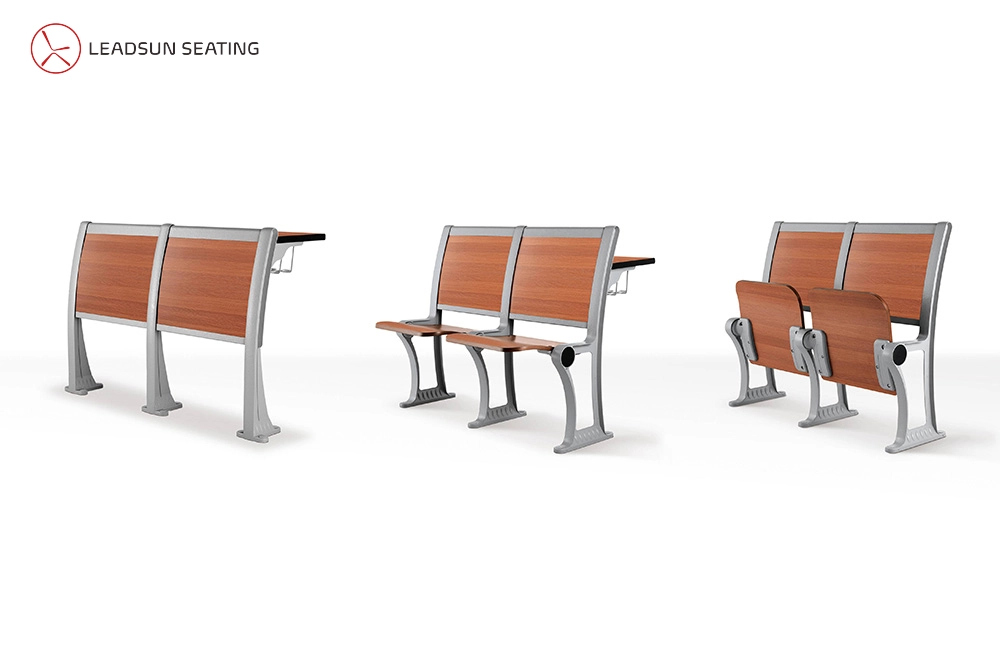
LS-908 Series Fixed Public Auditorium Chair or Tiered Classroom Solutions by Leadsun Seating
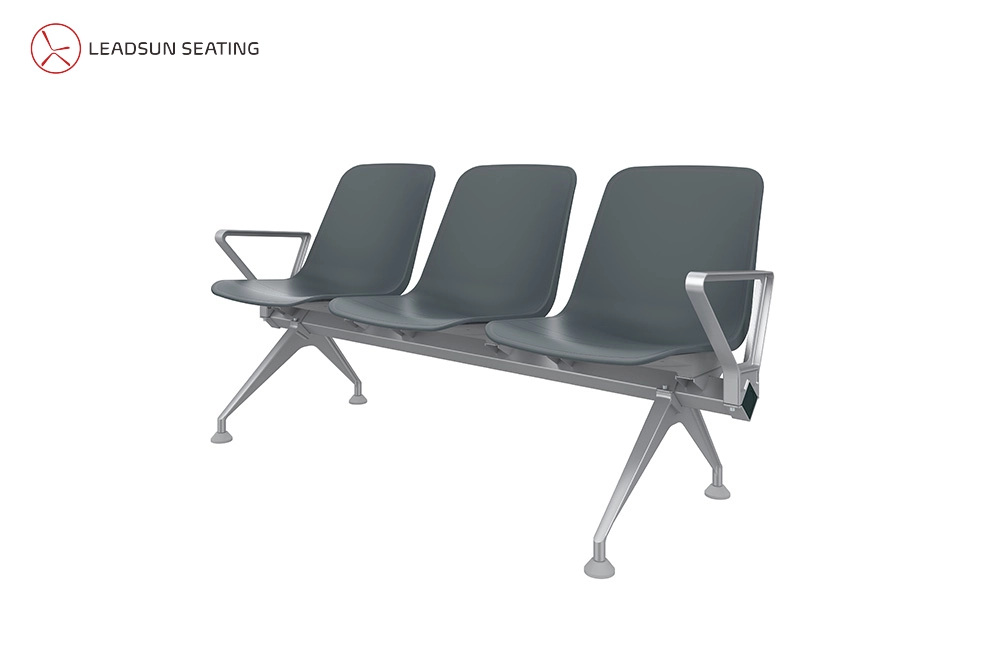
LS-550 Comfortable and Durable Waiting Chair | Customizable Waiting Chair Supplier Leadsun Seating
The LS-550 waiting chair from Leadsun offers superior comfort and durability for any public place. Customize your seating with Leadsun, a leading customizable waiting chair supplier. Ideal for high-traffic areas, the LS-550 ensures lasting performance and style.
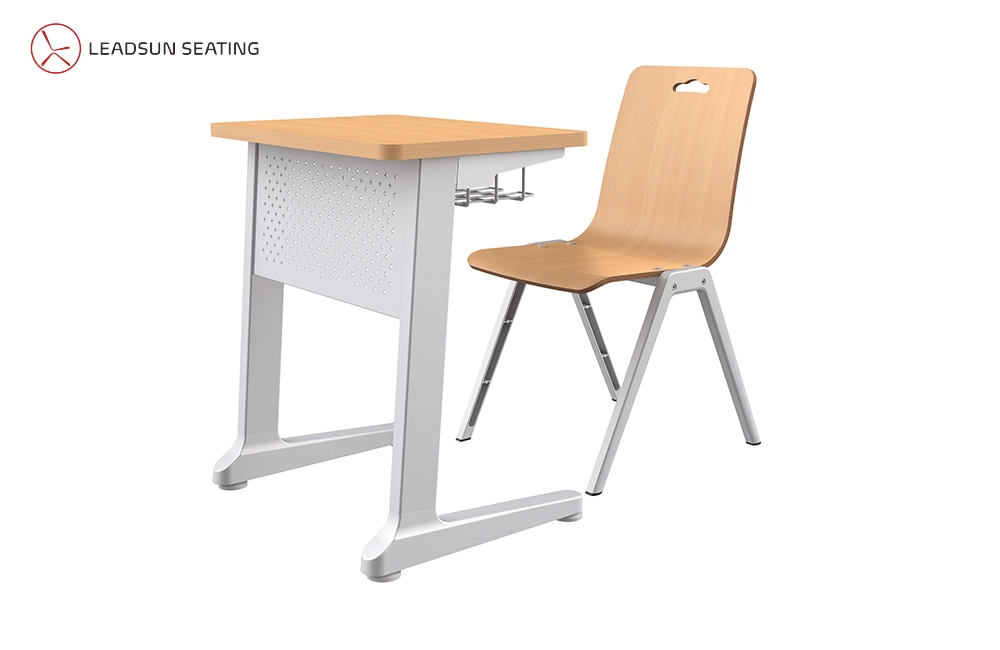
LS-9301 Single movable classroom chair |The Ultimate Flexible Solution for Modern Classrooms by Leadsun Seating
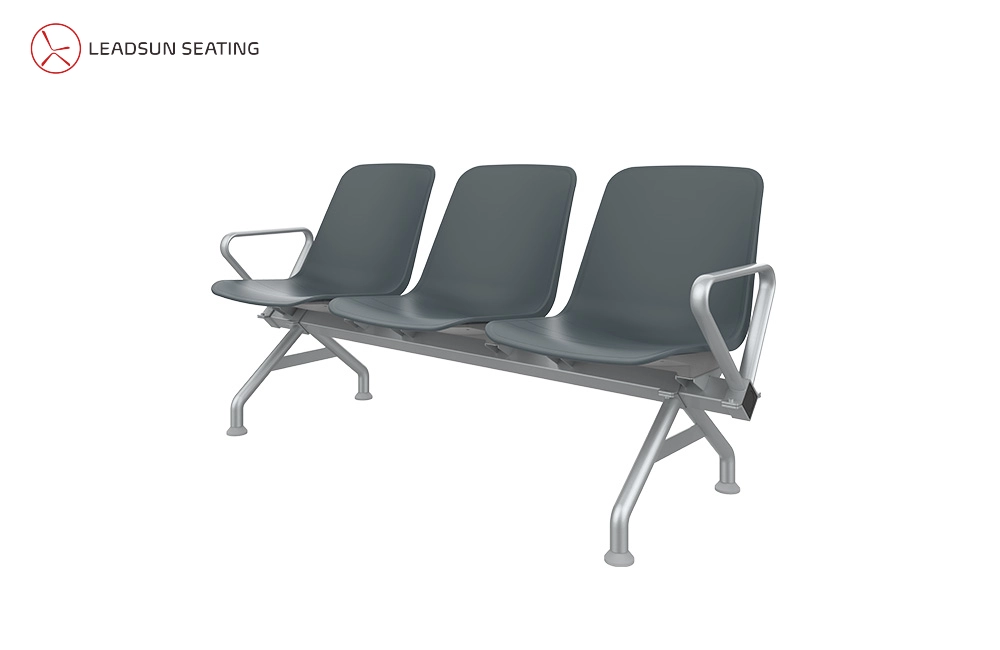
LS-551 Ergonomic Modular Waiting Chairs | Commercial Seating Solutions by Leadsun Seating
Ready for your public seating project?
We specialize in providing high-quality, customizable seating solutions for public spaces, and we are excited to assist you with your project.
Our professional team will quickly answer your questions and provide customized solutions to ensure you have a worry-free experience.

Leadsun Seating is also engaged in the design, development, production, and marketing of lightweight public seats in public places, with an annual output of desks and chairs.
 Scan QR Code