







What factors influence the cost of commercial bench seating?
- 1. How do I calculate an accurate per-seat cost for fixed upholstered bench seating when my lecture hall has uneven floors and staggered risers?
- 2. What are realistic ADA-compliant retrofit solutions for converting long bench rows in older lecture halls without reducing capacity dramatically?
- 3. How do fire safety ratings and acoustic requirements change my choice of materials and maintenance costs for commercial bench seating?
- 4. What hidden structural or floor reinforcement costs should I anticipate when installing continuous bench systems on raised risers?
- 5. How can I estimate lifecycle cost (10–15 years) including reupholstery and replacement parts for high-traffic university lecture hall bench seating?
- 6. When is modular removable bench seating preferable to fixed bench seating for multi-use lecture halls, and how does that decision affect installation, storage, and operational costs?
1. How do I calculate an accurate per-seat cost for fixed upholstered bench seating when my lecture hall has uneven floors and staggered risers?
Beginners often assume bench costs are just product price divided by seats. In the real world, uneven floors and non-standard riser geometry add measurable site costs. To get an accurate per-seat cost, build a line-item estimate that covers: engineered site survey, bench system (frame + substrate), upholstery, subframe/floor leveling, riser modifications, anchorage hardware, labor, and contingencies. Use this formula:
Per-seat cost = (bench system cost + site prep + riser work + installation labor + upholstery + permits + contingency) / usable seats
Key details to capture during the site survey: floor flatness tolerance (measured in mm/ft), existence of raised access flooring, locations of utility chases, and whether riser edges require new nosings. If risers deviate beyond typical tolerances, expect additional leveling plates, steel shims or poured screeds. For fixed seating on concrete risers, anchors may need chemical adhesive or through-bolts depending on core sample results — both increase labor and material costs.
Practical tip: measure usable seats (seating capacity after ADA spaces and sightline offsets) rather than theoretical linear feet. This prevents underestimating per-seat unit costs when aisles, sightlines, and acoustic setbacks reduce capacity.
2. What are realistic ADA-compliant retrofit solutions for converting long bench rows in older lecture halls without reducing capacity dramatically?
ADA compliance is non-negotiable in the U.S. (ADA Standards for Accessible Design). Converting continuous benches needs a strategy that balances code, sightlines and seating capacity. Options that are often under-discussed:
- Insert removable bench sections: Create defined wheelchair modules by removing bench segments and installing flush companion seating with integrated fixation points. This retains much of the bench while creating compliant spaces.
- Convert to alternating bench depth: Widen selected row sections to accept a wheelchair plus companion seat rather than removing multiple adjacent seats — helps retain overall capacity.
- Use portable, foldable companion chairs with secure anchors: Where permanent reconfiguration is disruptive, anchored companion chairs plus designated clear floor space can be compliant if they meet maneuvering requirements and are clearly identified.
Important: Provide compliant routes (accessible aisles) and maintain required clear floor spaces and slope limits. Engineering tests (structural anchorage and load paths) must be documented. Early coordination with an ADA consultant and the building authority is essential — simple bench removal can ripple into required aisle width changes or new egress conditions that are cost-driving.
3. How do fire safety ratings and acoustic requirements change my choice of materials and maintenance costs for commercial bench seating?
Fire performance (surface burning characteristics, smoke development) and acoustic absorption materially affect material selection and lifecycle cost. Common regulatory references include NFPA 101 and local building codes; many jurisdictions reference ASTM E84 for flame spread and smoke index.
What this means in practice:
- Upholstery: Commercial vinyls and treated fabrics with high flame-resistant ratings cost more upfront than untreated fabrics. Treated fabrics may require re-treatment over time depending on wear.
- Substrates and padding: Closed-cell foams resist moisture but may have different flammability profiles than standard polyurethane. Fire-retardant barrier fabrics or intumescent liners increase material cost and add a small mass that affects upholstery labor.
- Acoustics: If the lecture hall requires a target reverberation time (RT60) or specific speech intelligibility (STI), bench back materials and seat cushions can be specified with acoustic treatments. Acoustic absorptive backs or perforated panels increase cost and can complicate cleaning and upholstery replacement.
Maintenance implications: flame-retardant textiles and acoustic treatments typically demand specific cleaning agents and schedules. Reupholstery costs are higher for treated fabrics and acoustic-integrated bench assemblies. Include these higher recurring maintenance costs when calculating total cost of ownership.
4. What hidden structural or floor reinforcement costs should I anticipate when installing continuous bench systems on raised risers?
Hidden costs arise from load concentration, anchor retrofit, vibration control, and riser integrity. Continuous bench systems transmit loads differently than individual chairs; design assumptions must change accordingly.
Common unseen items that drive cost:
- Riser reinforcement: Existing risers may not be designed for continuous-seat point loads. Reinforcement might include steel plates, additional framing beneath the riser, or partial demolition and re-pour.
- Anchor location conflict: Conduits or under-riser utilities can block through-bolt anchors, making adhesive anchors or surface fasteners necessary (each with different costs and engineering statements).
- Vibration and deflection: Long bench spans across soft substrate can create bounce; adding intermediate supports or stiffer bench subframes increases material/labor cost but prevents complaints and warranty claims.
- Fire and egress modifications: Adding benches can change exit travel distances and occupant load calculations, sometimes triggering additional fire-safety upgrades.
Recommendation: commission a structural review early in the procurement process. Include a 10–20% contingency for unforeseen structural remediation when budgeting for bench systems on raised risers.
5. How can I estimate lifecycle cost (10–15 years) including reupholstery and replacement parts for high-traffic university lecture hall bench seating?
Lifecycle cost (Total Cost of Ownership, TCO) is what separates smart procurement from lowest-bid choices. Create a 10–15 year TCO model by adding capital cost, scheduled maintenance, consumables, expected repairs, and eventual refurbishment or replacement.
Model components to include:
- Capital expense (CapEx): bench frames, upholstery, installation, site prep.
- Scheduled maintenance: cleaning, inspections, upholstery touch-ups — estimate annual maintenance as a percent of CapEx (industry practice often uses 1–3% annually for heavy-use seating; adjust upward for treated fabrics or complex acoustic components).
- Repair and spare parts: stock common replacement parts (end caps, hinges, fasteners). For university settings, budget for inevitable graffiti/spot repairs and two to three partial reupholstery events over 10–15 years.
- Reupholstery/refurbishment: high-use fabrics may require reupholstery every 7–12 years; engineered subframes often last longer. Factor in downtime and labor for removal and reinstallation.
- End-of-life disposal or recycling costs.
Example (illustrative, not a quote): If CapEx is X, plan annual maintenance = 2%X, spare parts/repairs = 0.5–1%X annually, and one mid-life reupholstery at ~20–30% of X. Sum discounted cash flows to compare options (higher-grade seats often reduce repair and reupholstery frequency, improving TCO).
6. When is modular removable bench seating preferable to fixed bench seating for multi-use lecture halls, and how does that decision affect installation, storage, and operational costs?
Modular removable bench seating shines when spaces need frequent reconfiguration for events, exams, or flexible classroom layouts. Advantages include ease of reconfiguration, possible storage during non-class events, and simpler individual replacement. Downsides are higher initial unit costs for modular connection hardware, storage footprint, and operational labor.
Cost impacts to consider:
- Installation: modular benches can reduce structural anchorage on finished floors but require robust connection hardware and possibly quick-release anchors which add cost.
- Storage: removable rows need staging space and handling equipment—factor in the real estate cost for storage and the labor/time to reconfigure (often outsourced event labor).
- Operations: flexible seating increases staffing or scheduling costs; weigh these against revenue or utilization benefits of multi-use space.
When to choose modular: institutions with multi-event calendars, auditoriums used for exams, or venues that need to adapt between lecture and banquet setups. Choose fixed systems when permanence, lower day-to-day maintenance, and maximum seating density are priorities.
Concluding advantages: Commercial bench seating provides high-density capacity, robust durability, consistent sightlines, and cost-efficiency per seat for lecture halls. When specified with code-compliant anchorage, fire-rated materials, and appropriate acoustic treatments, bench systems deliver predictable lifecycle performance and easier long-term maintenance compared with ad-hoc seating. For flexible venues, modular bench options offer operational versatility despite higher handling costs.
For a project-specific cost estimate or site assessment, contact us for a quote at www.leadsunseating.com or email [email protected].

15 Best Office Waiting Room Chairs of 2026: The Ultimate Comfort & Style Guide

The Future of Reception Areas: 10 Modern Waiting Room Chair Trends to Watch in 2026

Airport Seating Reimagined: The 2026 Global Guide to Terminal Comfort and Design

7 Costly Mistakes Facilities Managers Make When Specifying Commercial Bench Seating

Commercial Beam Seating Solutions for High-Traffic Public Spaces
One Stop Airport Terminal Seating
Are the seat materials durable? What's the lifespan?
We use high-strength, wear-resistant, and easy-to-clean premium materials, such as stain-resistant flame-retardant fabrics and rust-proof alloy frames. Under normal use, the seats can last 5 - 8 years.
What are the advantages of the one-stop solution compared to traditional procurement methods?
The one-stop solution integrates the entire service process, saving communication costs and time. It avoids coordination issues that arise when working with multiple parties and ensures consistency and coherence in design, production, and after-sales service.
How long is the production cycle? Can you deliver on time?
The production cycle depends on the order size and customization complexity. We’ll create a detailed production plan in advance and have a professional logistics and installation team in place to ensure on-time delivery and efficient implementation.
Can the solution meet the needs of airports of different sizes?
Whether it’s a small regional airport or a large international hub, we can customize the seating types and layout plans according to passenger flow, terminal area size, and functional positioning. This ensures we flexibly meet the requirements of all types of airports.
FAQs
How can I request a quote for a seating project?
You can easily request a quote by contacting our sales team through our website or by email. Provide details about your project, including the quantity and specific requirements, and we will get back to you with a tailored quote.
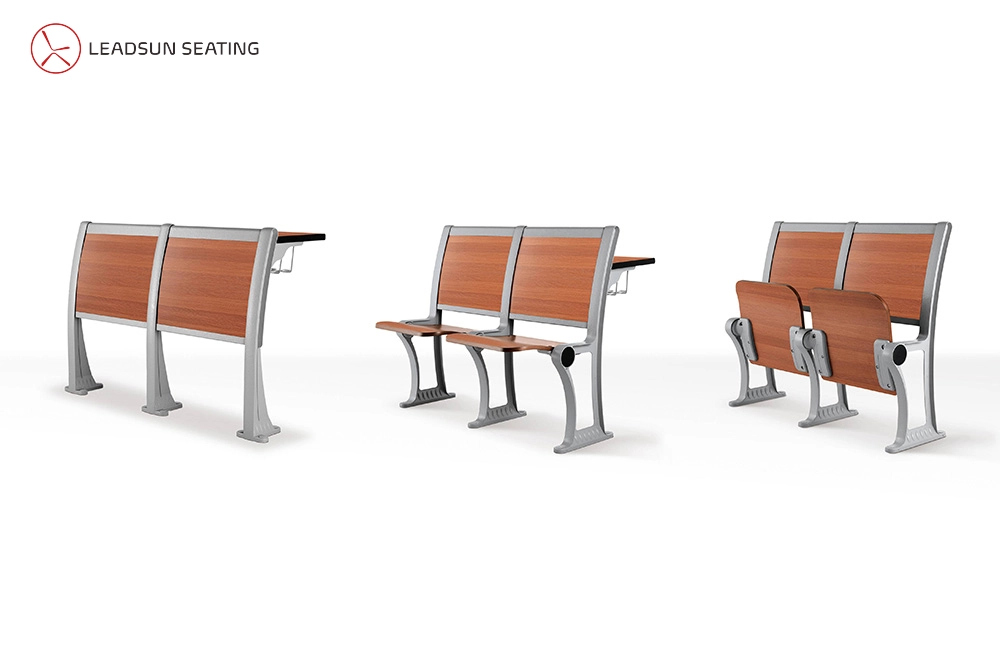
LS-908 Series Fixed Public Auditorium Chair or Tiered Classroom Solutions by Leadsun Seating
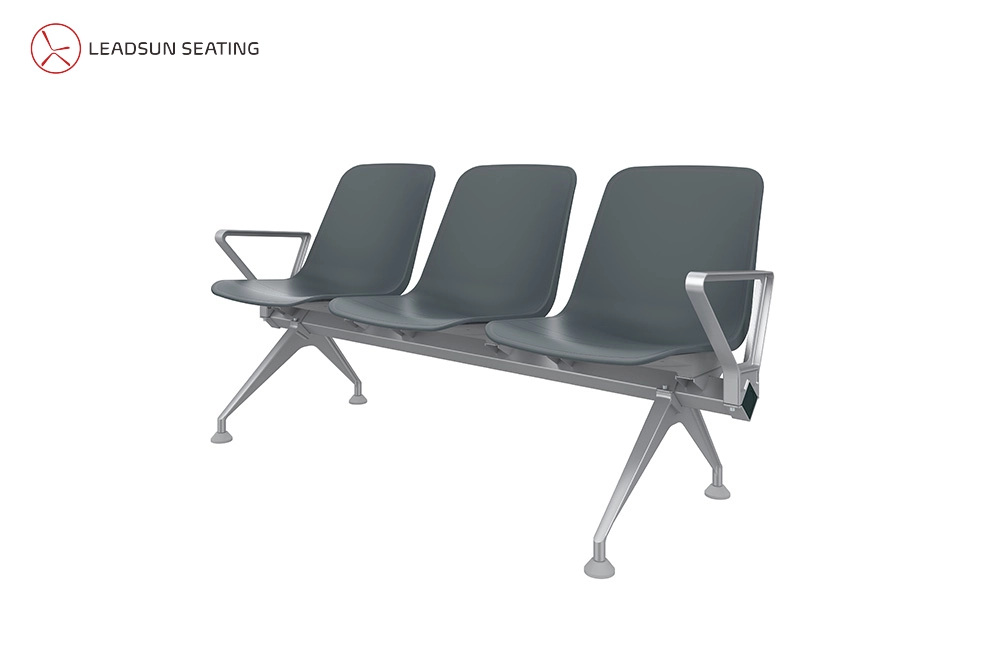
LS-550 Comfortable and Durable Waiting Chair | Customizable Waiting Chair Supplier Leadsun Seating
The LS-550 waiting chair from Leadsun offers superior comfort and durability for any public place. Customize your seating with Leadsun, a leading customizable waiting chair supplier. Ideal for high-traffic areas, the LS-550 ensures lasting performance and style.
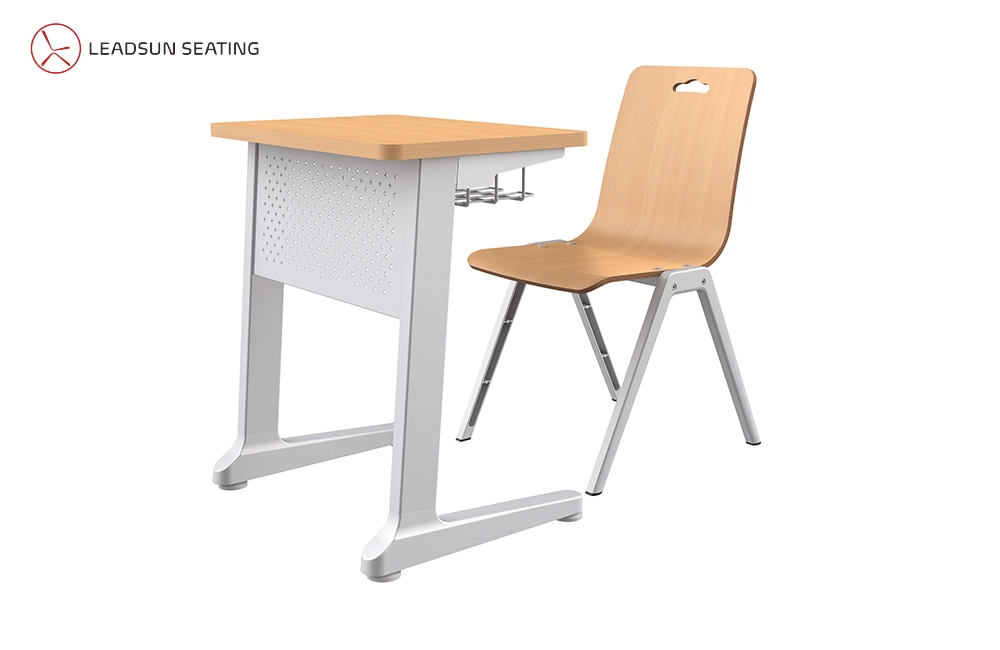
LS-9301 Single movable classroom chair |The Ultimate Flexible Solution for Modern Classrooms by Leadsun Seating
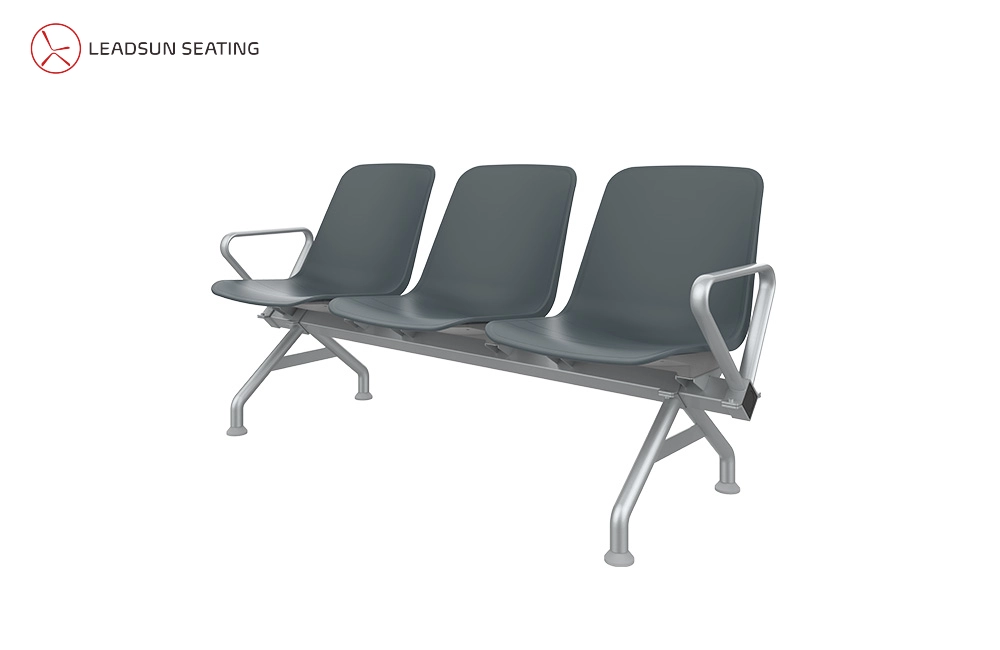
LS-551 Ergonomic Modular Waiting Chairs | Commercial Seating Solutions by Leadsun Seating
Ready for your public seating project?
We specialize in providing high-quality, customizable seating solutions for public spaces, and we are excited to assist you with your project.
Our professional team will quickly answer your questions and provide customized solutions to ensure you have a worry-free experience.

Leadsun Seating is also engaged in the design, development, production, and marketing of lightweight public seats in public places, with an annual output of desks and chairs.
 Scan QR Code