







How to design commercial bench seating for safety and comfort
- 1. How do I calculate aisle widths, egress capacity and exit distribution for continuous commercial bench seating in a 500-seat lecture hall to meet IBC and NFPA?
- 2. What bench seat dimensions and row geometry optimize comfort across adult body sizes without individual seats?
- 3. How can I integrate accessible wheelchair spaces and companion seating into continuous bench runs without segregating or reducing sightlines?
- 4. Which bench materials and finishes reliably resist 10+ years of heavy university lecture-hall use while meeting fire and maintenance requirements?
- 5. How do I provide integrated power, charging and AV/data channels in bench seating without creating cable hazards, fire code violations or expensive retrofits?
- 6. How can I validate sightlines, acoustics and evacuation performance for a bench seating layout before committing to production and installation?
1. How do I calculate aisle widths, egress capacity and exit distribution for continuous commercial bench seating in a 500-seat lecture hall to meet IBC and NFPA?
Problem: Many bench seating layouts fail or require costly rework because egress/aisle sizing was estimated incorrectly for continuous benches. The cure is a code-driven process rather than ad-hoc spacing.
Actionable method:
- Step 1 — Determine occupant load: For fixed seating (including fixed bench rows), occupant load equals the number of designated seats. For loose benches or variable seating, use the code method for assembly areas in your jurisdiction.
- Step 2 — Reference the correct codes: Use the latest International Building Code (IBC) for means of egress, NFPA 101 (Life Safety Code) if adopted locally, and your local amendments. These codes specify minimum clear widths and exit requirements. As a common baseline, IBC minimum clear width requirements for aisles are typically 36 in. where total occupant load served by the aisle is small, rising to 44 in. where occupant loads exceed 50 — confirm the edition adopted by your jurisdiction.
- Step 3 — Calculate required exit capacity: IBC/NFPA require you to sum the capacity of exits and ensure they meet the occupant load. Instead of relying on inches-per-person rules from memory, work with the egress width tables in your code (which translate occupant numbers into required exit widths) or a licensed architect/engineer to allocate exit widths and locations properly.
- Step 4 — Arrange aisles for evacuations and cleaning: For a 500-seat lecture hall, use at least two well-distributed exits; central and side aisles reduce travel distance and speed evacuation. Where bench runs exceed a certain number of seats, add intermediate aisles so a single blocked aisle does not trap a large cluster of patrons.
- Step 5 — Provide accessible egress: Integrate ADA-accessible routes and ensure these routes lead to the required exits without added travel distance.
Why this matters: Continuous bench seating tends to encourage long uninterrupted row lengths. Long rows increase exit delays and obstruct egress. Early coordination with an architect and code review reduces risk and cost overruns.
2. What bench seat dimensions and row geometry optimize comfort across adult body sizes without individual seats?
Problem: Benches that are ‘one-size-fits-all’ end up uncomfortable for many users and reduce attention span in lecture settings.
Design guidance based on ergonomic norms and best practice:
- Seat height: target 430–485 mm (17–19 in). This range accommodates most adult anthropometry and is compatible with accessible transfer heights.
- Seat depth: 400–480 mm (16–19 in). Shallower depths favor smaller users and maintain posture during long lectures; deeper benches reduce knee clearance for shorter occupants.
- Seat width allocation for planning: allocate 450–600 mm (18–24 in) per occupant when calculating overall bench length. For dense lecture halls where turnover is low, 450–500 mm (18–20 in) often balances capacity and comfort.
- Backrest height and angle: a backrest height of 300–380 mm (12–15 in) with a slight recline (about 100–110 degrees relative to the seat) gives lumbar support without encouraging slouching.
- Row spacing (legroom/clearance): allow minimum clear knee and circulation space in front of a bench row of 760–900 mm (30–36 in) to permit comfortable legroom and to allow patrons to pass. Increase spacing in High Quality sections or where tables/worksurfaces are used.
- Rake and sightlines: design vertical rise between consecutive rows to create clear sightlines (see C-value concept below). Combining appropriate row rise with seat and back dimensions ensures viewability without excessive pitch.
Testing tip: build a full-scale mock-up (one row + one front row) and conduct a 1–2 hour usability session with a representative user sample (varying heights/ages). Measure satisfaction, comfort zones, and movement patterns — iterate dimensions accordingly.
3. How can I integrate accessible wheelchair spaces and companion seating into continuous bench runs without segregating or reducing sightlines?
Problem: Bench-only designs often relegate accessible spaces to the back or side, producing poor sightlines and isolation.
Standards & practical approach:
- Follow the 2010 ADA Standards for Accessible Design (or your local accessible design code) for the number and distribution of wheelchair spaces — these require dispersed locations with clear lines of sight and companion seating adjacent to each wheelchair space.
- Disperse wheelchair spaces across price/quality zones and at multiple elevations to preserve sightline parity. Avoid placing all accessible seats in a single block.
- Design solutions for bench integration:
- Removable bench modules or bolted-in removable sections. In high-use lecture halls, plan bench sections that can be removed and replaced quickly to create wheelchair spaces without marring finishes.
- Prefabricate “insert” panels: manufacturer-supplied modules that replace a 2–4 person bench section with a wheelchair space plus adjacent companion seat.
- At-row ends, provide low riser platforms with an accessible route for inline access; ensure adjacent companion seats are at the same viewing angle and height as the rest of the row.
- Sightline parity: use sightline checks (C-value analysis) so wheelchair occupant eye height (seated) achieves equivalent viewing over the head of the preceding row. Design sightlines early in the layout stage.
Why it matters: Properly integrated accessible seating preserves fairness, sightlines, and revenue potential while limiting retrofit costs. Work with an accessibility consultant to validate compliance with the adopted local code.
4. Which bench materials and finishes reliably resist 10+ years of heavy university lecture-hall use while meeting fire and maintenance requirements?
Problem: Low-grade materials accelerate wear, increase maintenance, and can fail fire or smoke requirements.
Material selection checklist:
- Structural frame: prefer heavy-gauge, powder-coated steel or anodized aluminum frames for structural longevity and low maintenance. Powder-coat thickness and pretreatment are important for corrosion resistance in humid environments.
- Seat/bench top surfaces: choose high-pressure laminate (HPL), phenolic, or solid hardwood with a durable finish for high-traffic zones. Phenolic and HPL resist stains and are easy to clean; hardwood provides aesthetics but needs a robust finish and more upkeep.
- Upholstery (if used): specify commercial-grade textiles with a Wyzenbeek abrasion rating of at least 30,000 double rubs (ideally 50,000+ for high-traffic), anti-microbial treatments where appropriate, and cleanability compatible with institutional cleaners. Ensure fabrics meet local fire test requirements.
- Fire and smoke ratings: ensure fabrics, foams and laminated surfaces meet applicable fire standards (for example, NFPA 701 for fabrics in many jurisdictions and any state-specific requirements such as California TB 133 where applicable). The specific tests required depend on jurisdiction and building use — verify with your AHJ (authority having jurisdiction).
- Fasteners and hardware: use tamper-resistant, stainless-steel fasteners and concealed fixings where possible to limit vandalism and simplify cleaning.
- Serviceability: design for replaceable wear components (removable seat tops/boards, replaceable upholstery panels) to minimize lifecycle cost and downtime.
Maintenance and lifecycle: with these materials and routine maintenance (quarterly inspections, spot-cleaning and annual deep clean/refinishing where required), expect 10–20 years of service life for fixed bench systems in heavy-use educational environments.
5. How do I provide integrated power, charging and AV/data channels in bench seating without creating cable hazards, fire code violations or expensive retrofits?
Problem: Field-installed cables and ad-hoc power strips create trip hazards and complicate egress/fire separations.
Design and installation best practices:
- Plan power/AV routes early in coordination with electrical and AV engineers. Determine required power density (wattage per row/seat), AV needs (microphone drops, connected lecture capture), and data ports.
- Use UL-listed, flush-mounted power and data modules designed for fixed seating, installed into bench ends, under-seat raceways or integrated under-worksurfaces. Avoid using portable extension cords or non-tested strips.
- Conceal wiring in rated raceways and plenum-rated cable if running in air plenums. All penetrations through fire-rated assemblies must be firestopped to maintain the fire rating per the building code.
- Accessibility for maintenance: design accessible access panels or removable bench modules to reach junction boxes and connectors without removing fixed seating or disturbing finish surfaces.
- Surge protection and GFCI: include proper surge protection, GFCI where required, and labeling per electrical code. For high-density charging areas, account for heat dissipation and ventilation in enclosed power modules.
- Testing and certification: after installation, perform electrical testing (ground continuity, polarity, load tests) and obtain sign-off from the electrical inspector. Label circuits and provide an as-built route map to facilities staff.
Outcome: Early coordinated design reduces retrofit costs and minimizes safety risks. Factory-integrated power modules in bench systems are preferable to on-site retrofit cabling.
6. How can I validate sightlines, acoustics and evacuation performance for a bench seating layout before committing to production and installation?
Problem: Sightline blockages, poor intelligibility and long egress times are discovered too late without pre-install validation, leading to costly changes.
Validation workflow:
- Sightlines (C-value analysis): perform C-value sightline calculations during the schematic design. C-value measures the vertical clearance of a seated viewer’s line of sight over the head of the person in front; designers typically target a positive C-value that provides unobstructed views to the stage/screen. Use the sightline worksheet and verify with 3D section views. If using removable bench modules, check transitions between modules.
- Acoustic modeling: model room speech intelligibility (STI) or use target reverberation times (RT60) appropriate for lecture rooms. Aim for speech-oriented acoustics — for many lecture halls this means lowering reverberation with absorptive finishes (acoustic paneling, perforated panels, upholstered surfaces) and aiming for mid-frequency absorption that supports clarity. Target NRC ranges around 0.6–0.9 for absorptive environments, but validate with an acoustic consultant and real modeling software.
- Egress simulation: use evacuation modeling software (fire/evacuation simulation tools) or simplified flow calculations to estimate evacuation times and to confirm aisle and exit placements meet code with bench layout. Simulate blocked aisles and representative occupant behavior to test robustness.
- Full-scale mock-ups: build a mock-up of a typical bench row and adjacent rows (2–3 rows) to test sightlines, comfort, ingress/egress and integrated power access. Run an on-site usability test with real users and record observations.
- Iterate and document: adjust row rise, bench depth, and aisle placement based on test results. Document final acceptance criteria for the manufacturer to follow in production and QC checks during installation.
Benefit: Combining digital simulation (sightline, acoustic and egress software) with physical mock-ups provides the strongest confidence before committing to factory production and reduces expensive post-install changes.
Concluding summary — Advantages of commercial bench seating
Well-designed commercial bench seating delivers efficient space utilization, lower per-seat cost, durability and the ability to configure mixed seating arrangements (fixed benches, removable modules, accessible spaces) that maximize revenue and accessibility. When designed with code-aware egress planning, ergonomic seat geometry, durable materials and factory-integrated power/AV systems — and validated through sightline, acoustic and egress testing — bench seating becomes a safe, comfortable, and low-maintenance long-term solution for lecture halls and auditoria.
For a tailored quote, layout review or to request a mock-up, contact us at www.leadsunseating.com or email [email protected].

15 Best Office Waiting Room Chairs of 2026: The Ultimate Comfort & Style Guide

The Future of Reception Areas: 10 Modern Waiting Room Chair Trends to Watch in 2026

Airport Seating Reimagined: The 2026 Global Guide to Terminal Comfort and Design

7 Costly Mistakes Facilities Managers Make When Specifying Commercial Bench Seating

Commercial Beam Seating Solutions for High-Traffic Public Spaces
FAQs
How can I request a quote for a seating project?
You can easily request a quote by contacting our sales team through our website or by email. Provide details about your project, including the quantity and specific requirements, and we will get back to you with a tailored quote.
What maintenance is required for your seating solutions?
The maintenance required depends on the material and location of the seating. Generally, regular cleaning and periodic inspections are recommended. We provide maintenance guidelines with each product to ensure long-term durability.
One Stop Airport Terminal Seating
What are the advantages of the one-stop solution compared to traditional procurement methods?
The one-stop solution integrates the entire service process, saving communication costs and time. It avoids coordination issues that arise when working with multiple parties and ensures consistency and coherence in design, production, and after-sales service.
How does the seat design ensure passenger comfort?
The solution adopts ergonomic design principles. We optimize seat curves, backrest angles, and seat surface materials to effectively relieve the fatigue of passengers during long waits.
Can you provide personalized seat customization?
We support comprehensive customization, including seat styles, functional modules (like charging ports, cup holders, etc.), color schemes, and even integrating airport brand elements to showcase a unique style.
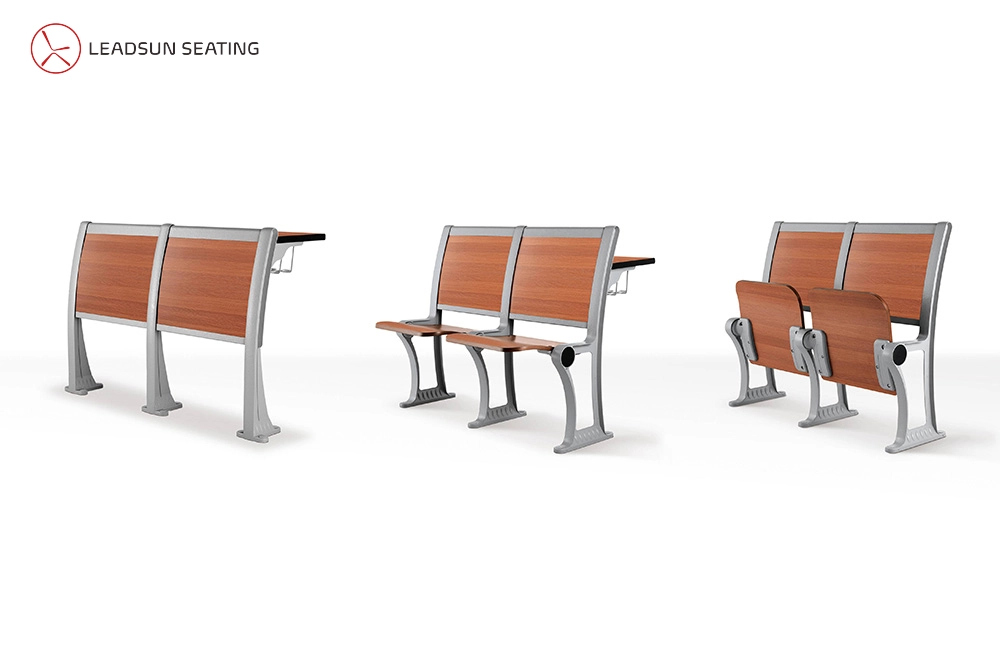
LS-908 Series Fixed Public Auditorium Chair or Tiered Classroom Solutions by Leadsun Seating
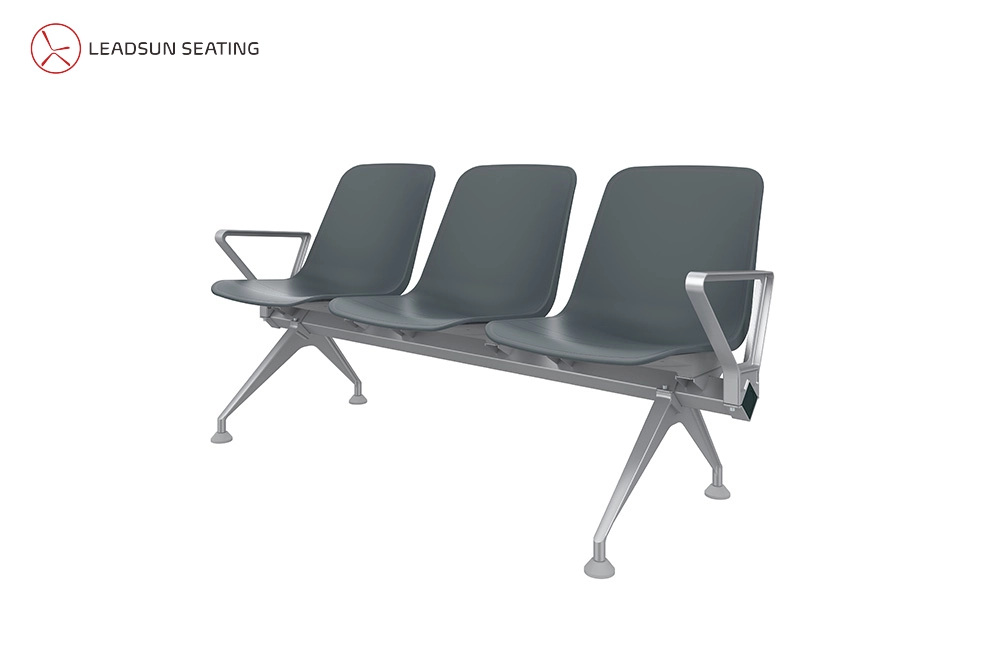
LS-550 Comfortable and Durable Waiting Chair | Customizable Waiting Chair Supplier Leadsun Seating
The LS-550 waiting chair from Leadsun offers superior comfort and durability for any public place. Customize your seating with Leadsun, a leading customizable waiting chair supplier. Ideal for high-traffic areas, the LS-550 ensures lasting performance and style.
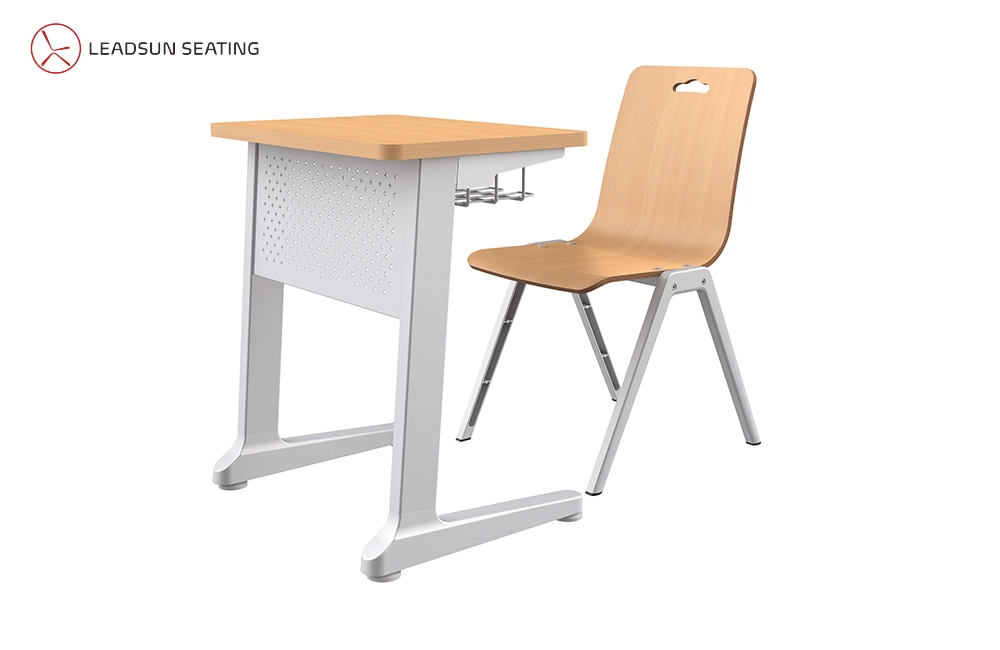
LS-9301 Single movable classroom chair |The Ultimate Flexible Solution for Modern Classrooms by Leadsun Seating
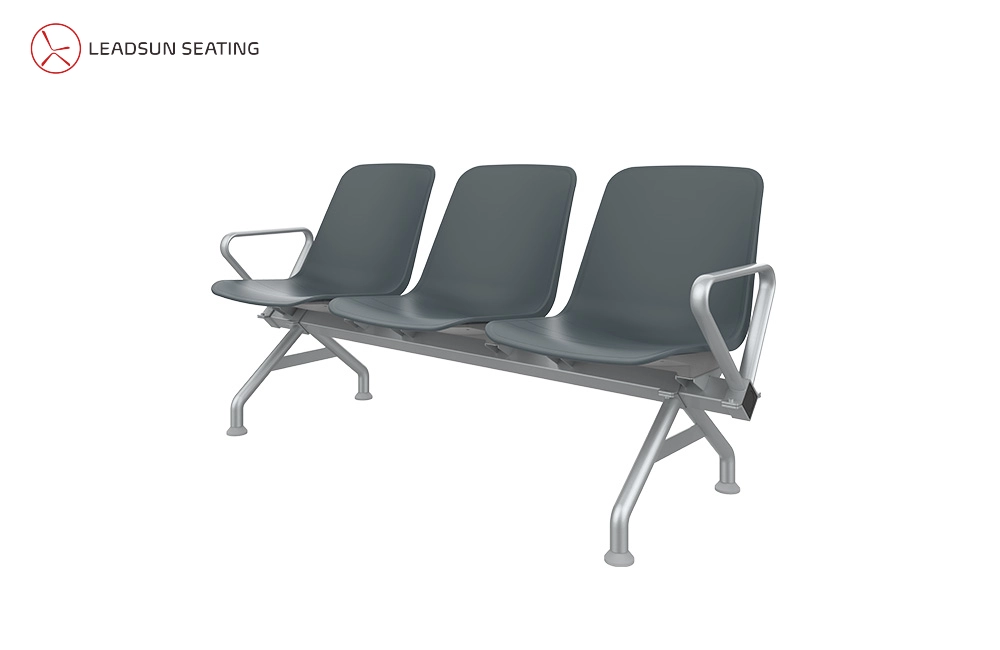
LS-551 Ergonomic Modular Waiting Chairs | Commercial Seating Solutions by Leadsun Seating
Ready for your public seating project?
We specialize in providing high-quality, customizable seating solutions for public spaces, and we are excited to assist you with your project.
Our professional team will quickly answer your questions and provide customized solutions to ensure you have a worry-free experience.

Leadsun Seating is also engaged in the design, development, production, and marketing of lightweight public seats in public places, with an annual output of desks and chairs.
 Scan QR Code