







What are ergonomic features of waiting area chairs?
- 1) How do I choose waiting area chairs with lumbar support that won’t increase back pain for elderly patients or students?
- 2) What foam density and cushion construction prevents sagging in high-traffic waiting areas and lecture halls?
- 3) Which upholstery materials best balance infection control, durability and comfort for health-care waiting areas?
- 4) How do I ensure waiting area chairs meet fire safety and accessibility rules for lecture halls without overpaying?
- 5) What design features reduce maintenance downtime and replacement costs in high-traffic lecture hall seating?
- 6) Can I have stackable or modular waiting room seating for flexible lecture hall layouts that still offers ergonomic support and durability?
Waiting Area Chairs: What Are Ergonomic Features & Buyer Questions
This guide answers six specific, pain-point questions buyers and facility managers ask when selecting waiting area chairs and lecture hall seating. It embeds practical specification ranges, compliance pointers (BIFMA, EN 16139, CAL TB117-2013, ADA), and procurement checks so you can compare vendors and reduce lifecycle cost.
1) How do I choose waiting area chairs with lumbar support that won’t increase back pain for elderly patients or students?
Why it matters: Poor lumbar support is a common cause of discomfort in waiting rooms and lecture halls—especially for seniors and long-sitting lecture attendees. Many product listings claim “ergonomic” without measurable geometry.
What to require and test:
- Seat shell geometry: Look for a gentle lumbar curve in the back shell that aligns with the lower thoracic / upper lumbar region. Suppliers should provide backrest contour dimensions or a template.
- Seat depth and backrest relationship: Recommended adult seat depth is typically 15–18 inches (380–460 mm); ensure the backrest lumbar curve sits 4–8 inches (100–200 mm) above the seat plane to support the lumbar lordosis without pushing the pelvis forward.
- Cushion firmness: A medium-firm foam prevents bottoming out while supporting the lumbar curve. For high-traffic waiting room seating, high-resilience (HR) foam is preferred because it retains shape longer.
- Optional adjustability: For High Quality lecture hall seating, consider models with adjustable lumbar modules or interchangeable cushions for different user groups.
- Validation: Ask for ergonomic or user test reports, sample chairs for a short trial with representative users (older adults, students), or references from healthcare/education clients.
Buying tip: Don’t accept “ergonomic” as marketing copy—request backrest contour drawings, recommended seat dimensions, and a short on-site trial or sample to verify real-world lumbar comfort.
2) What foam density and cushion construction prevents sagging in high-traffic waiting areas and lecture halls?
Why it matters: Frequent use leads to sagging seats, increased maintenance, and early replacement—major lifecycle cost drivers for clinics and lecture theatres.
Specification guidance:
- Foam type: High-resilience (HR) polyurethane foam is the standard for commercial waiting room seating; it has better load-bearing and recovery properties than low-resilience foam.
- Density range: Typical commercial HR foam densities range from ~1.8 to 2.8 lb/ft3 (28–45 kg/m3). Higher density improves durability—request the supplier’s measured density and compression set data.
- Comfort and thickness: For general waiting area chairs, 2–3 inches (50–75 mm) of foam over a supportive base is common; lecture hall tip-up seats may use molded foam or rigid shells with minimal foam—specify expected dwell times when selecting thickness.
- Reinforcement: Consider seat platforms with plywood or molded shells and foam bonded over them; replaceable cushions or modular seat units reduce downtime and cost over the long term.
- Testing & warranty: Ask for accelerated wear test results and a warranty that covers excessive sagging (e.g., loss of comfort or deformation) for a defined period—this is a practical indicator of expected lifespan.
Buying tip: Require datasheets showing foam density and lifecycle testing or reference projects in similar high-traffic environments (clinics, auditoriums).
3) Which upholstery materials best balance infection control, durability and comfort for health-care waiting areas?
Why it matters: Healthcare and public waiting areas need surfaces that resist pathogens, are compatible with hospital-grade disinfectants, and still provide breathable comfort.
Material options and pros/cons:
- Vinyl/PVC-coated upholstery: Widely used in healthcare for cleanability and bleed resistance. Many commercial vinyls are formulated to withstand bleach-based disinfectants; verify disinfectant compatibility data with the supplier.
- Polyurethane (PU) leather: Softer feel and more modern appearance. Ensure the PU specified is rated for disinfectant compatibility and has an antimicrobial surface treatment if required.
- Antimicrobial textiles: For situations needing breathability, choose treated textiles tested for antimicrobial efficacy and compatibility with cleaning regimens. Note that fabric can trap moisture and may require more frequent cleaning.
- CLEANABILITY: Confirm with suppliers which EPA-registered or CDC-recommended disinfectants the upholstery can tolerate without visible degradation (color, seam failure, delamination).
- Durability: Look for rub/abrasion resistance ratings (e.g., double rub counts) and warranty for commercial use. For public seating, select heavy-duty grades designed for frequent cleaning cycles.
Buying tip: Provide your infection-control team’s approved disinfectant list to vendors and request signed statements of compatibility. Prioritize materials with documented cleanability and replacement-panel options to minimize downtime.
4) How do I ensure waiting area chairs meet fire safety and accessibility rules for lecture halls without overpaying?
Why it matters: Noncompliant seating can delay occupancy approval and incur retrofit costs. Buyers must balance compliance, ergonomics and budget.
Standards and practical steps:
- Know the applicable standards: In the U.S., look for compliance with local building/fire codes and industry upholstery standards such as CAL TB117-2013 for flammability; in Europe, EN 16139 (strength, durability, and safety for non-domestic seating) and EN 1021 for upholstery are commonly referenced. Always confirm the exact code enforced by your local authority having jurisdiction.
- Accessibility: Ensure layouts meet local accessibility rules (e.g., ADA in the U.S.)—include required wheelchair spaces, companion seating, aisle widths, and tip-up seats that do not obstruct accessible routes.
- Documentation: Require certificates or declarations of conformity from suppliers for fire tests and accessibility claims; ask for technical files and test reports rather than only marketing claims.
- Cost control: Specify the minimum compliance requirements in your tender; optional upgrades (antimicrobial finishes, High Quality foam) should be treated as add-ons so you can compare base compliant models across vendors.
Buying tip: Engage your architect or building inspector early. A short compliance checklist (required flammability class, ADA provisions, number of wheelchair positions) prevents expensive last-minute changes.
5) What design features reduce maintenance downtime and replacement costs in high-traffic lecture hall seating?
Why it matters: Total cost of ownership is dominated by maintenance, refurbishing, and replacement frequency—not the initial purchase price alone.
Design and procurement checklist:
- Modular components: Seats with replaceable cushions, removable upholstery panels, or replaceable seat shells allow targeted repairs rather than full-seat replacement.
- Serviceability: Choose models with accessible fasteners and a vendor that provides spare parts and local service. Anti-theft / tamper-resistant fasteners are also recommended in public venues.
- Hard-wearing finishes: Powder-coated metals, scratch-resistant laminates for armrests and end panels, and scuff-proof foot plates reduce visible wear.
- Warranty & SLA: Define warranty terms that cover structural failure, foam sagging, and upholstery defects. Consider an extended maintenance agreement for large lecture halls.
- Cleaning regime compatibility: Select materials compatible with your cleaning frequency and substances to avoid premature deterioration.
Buying tip: Ask suppliers to provide mean time between failures (MTBF) for mechanical parts (tip-up hinges, ganging brackets) or case studies that demonstrate life expectancy in similar venues.
6) Can I have stackable or modular waiting room seating for flexible lecture hall layouts that still offers ergonomic support and durability?
Why it matters: Many institutions need flexible seating for multipurpose lecture halls, yet portable or stackable solutions are often seen as less ergonomic than fixed seating.
Trade-offs and best practices:
- Stackable vs fixed: Stackable chairs are excellent for space optimization and storage, but check that the seat geometry (depth, lumbar support, and cushion thickness) meets ergonomic requirements. Many modern stackable designs incorporate contoured shells and sufficient padding to serve longer sittings.
- Modular linked seating: Ganged or linked units (with removable upholstery and replaceable parts) deliver a middle ground—maintain the ergonomics of fixed seating with some reconfiguration options.
- Durability concerns: Stackability places stress on shell edges and frames; require reinforced frames and ask for cycle testing or proven track records in similar installations.
- Installation & storage: Ensure stored stacks will not be exposed to temperature/humidity extremes that degrade upholstery or foam. For lecture halls, plan storage and handling workflows to prevent damage during reconfiguration.
Buying tip: Pilot a small area with the selected stackable or modular model and monitor user comfort and turnaround time. Confirm weight capacity and request long-term references from institutions with comparable reconfiguration needs.
Contact us for a quote at www.leadsunseating.com or [email protected].
Conclusion — advantages of choosing ergonomically specified waiting area chairs and lecture hall seating
Specifying waiting area chairs with validated ergonomic features, durable foam construction, cleanable upholstery, and documented compliance reduces occupant discomfort, lowers maintenance and replacement costs, and speeds regulatory approvals. Prioritize suppliers who provide test reports (BIFMA/EN/flammability declarations), transparent materials data sheets, replaceable components, and local service. These choices deliver healthier, longer-lasting waiting room seating and more flexible lecture hall configurations that serve both user comfort and institutional budgets.
For tailored proposals and product samples, contact us for a quote: www.leadsunseating.com | [email protected].

15 Best Office Waiting Room Chairs of 2026: The Ultimate Comfort & Style Guide

The Future of Reception Areas: 10 Modern Waiting Room Chair Trends to Watch in 2026

Airport Seating Reimagined: The 2026 Global Guide to Terminal Comfort and Design

7 Costly Mistakes Facilities Managers Make When Specifying Commercial Bench Seating

Commercial Beam Seating Solutions for High-Traffic Public Spaces
One Stop Airport Terminal Seating
Can you provide personalized seat customization?
We support comprehensive customization, including seat styles, functional modules (like charging ports, cup holders, etc.), color schemes, and even integrating airport brand elements to showcase a unique style.
What is the one-stop airport terminal lounge seating solution?
This solution covers the entire process, from initial needs assessment, personalized design, and professional manufacturing, to installation, delivery, and after-sales maintenance. It offers an integrated seating configuration service for airports, eliminating the need for coordinating with multiple parties.
What does the after-sales service include?
Our after-sales service covers daily maintenance guidance, regular inspections, fault repairs, and component replacements. Our professional after-sales team is available 24/7 to ensure the long-term stable operation of the seats.
How does the seat design ensure passenger comfort?
The solution adopts ergonomic design principles. We optimize seat curves, backrest angles, and seat surface materials to effectively relieve the fatigue of passengers during long waits.
FAQs
What maintenance is required for your seating solutions?
The maintenance required depends on the material and location of the seating. Generally, regular cleaning and periodic inspections are recommended. We provide maintenance guidelines with each product to ensure long-term durability.
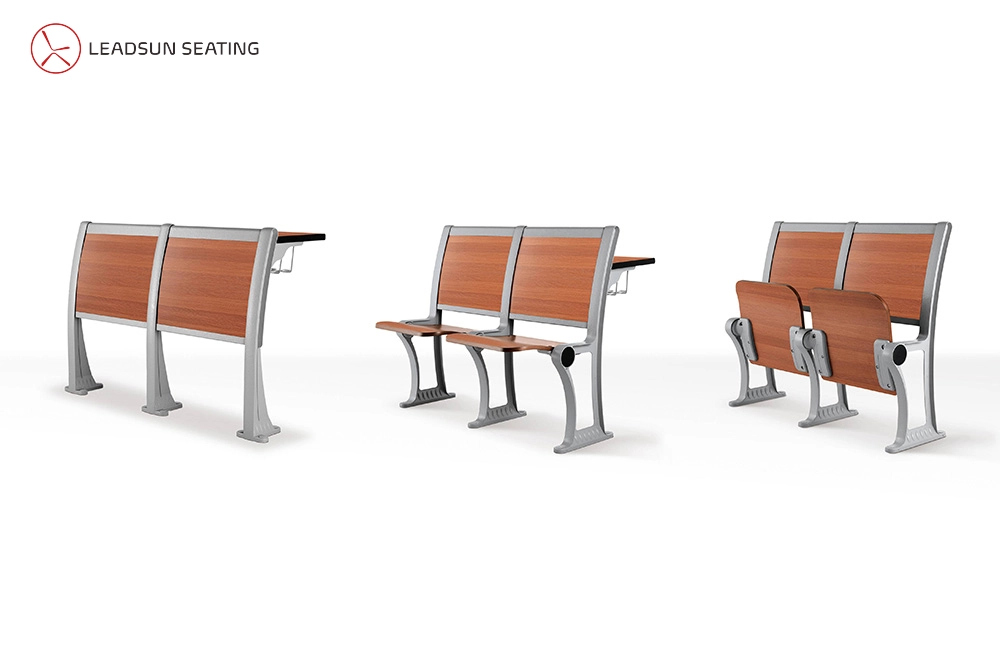
LS-908 Series Fixed Public Auditorium Chair or Tiered Classroom Solutions by Leadsun Seating
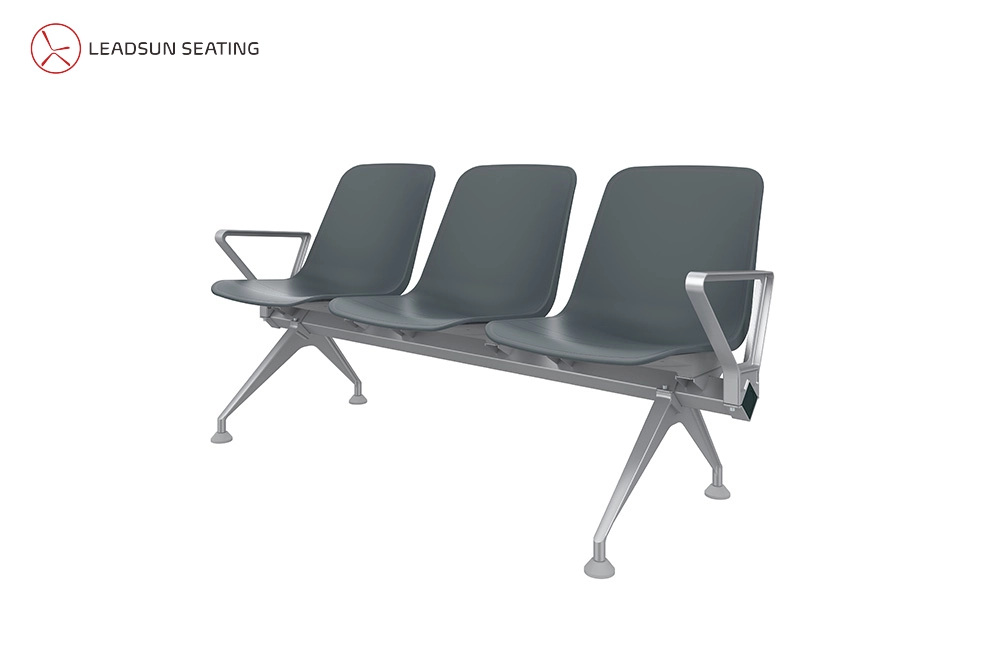
LS-550 Comfortable and Durable Waiting Chair | Customizable Waiting Chair Supplier Leadsun Seating
The LS-550 waiting chair from Leadsun offers superior comfort and durability for any public place. Customize your seating with Leadsun, a leading customizable waiting chair supplier. Ideal for high-traffic areas, the LS-550 ensures lasting performance and style.
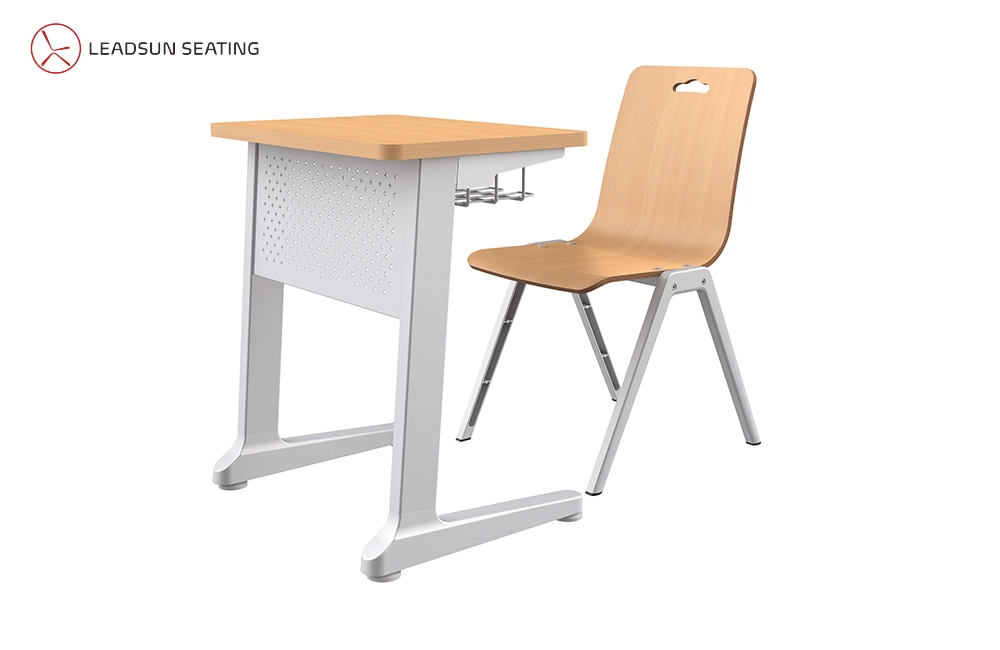
LS-9301 Single movable classroom chair |The Ultimate Flexible Solution for Modern Classrooms by Leadsun Seating
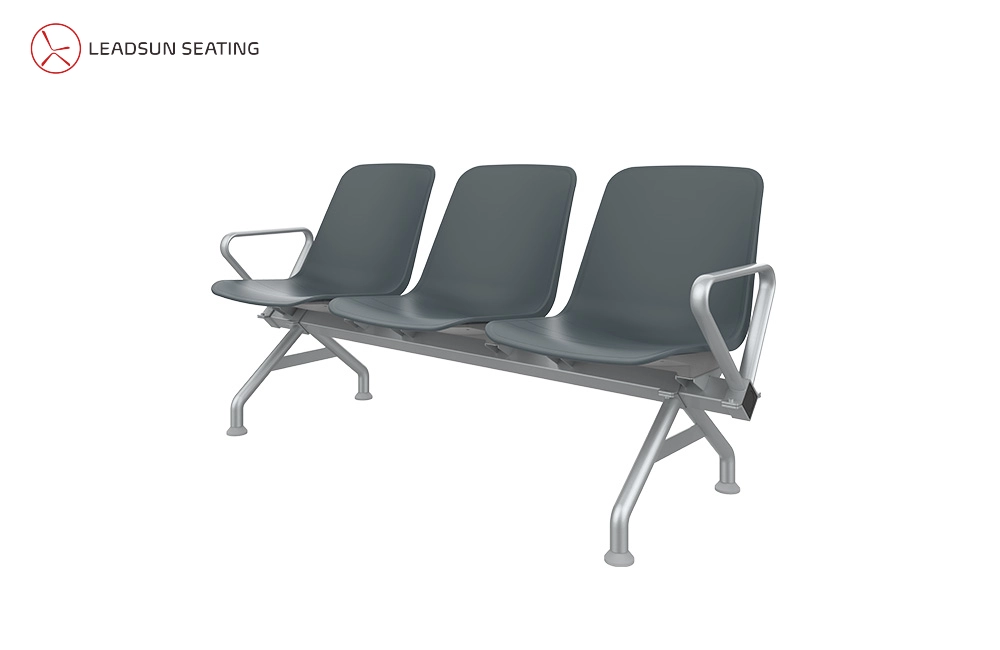
LS-551 Ergonomic Modular Waiting Chairs | Commercial Seating Solutions by Leadsun Seating
Ready for your public seating project?
We specialize in providing high-quality, customizable seating solutions for public spaces, and we are excited to assist you with your project.
Our professional team will quickly answer your questions and provide customized solutions to ensure you have a worry-free experience.

Leadsun Seating is also engaged in the design, development, production, and marketing of lightweight public seats in public places, with an annual output of desks and chairs.
 Scan QR Code